Customer lifetime value represents one of the most critical metrics for sustainable business growth, yet many marketing teams struggle to move the needle on this key performance indicator. While traditional marketing approaches often focus on short-term conversions, marketing automation offers a strategic advantage by nurturing long-term customer relationships through personalized, data-driven experiences.
The connection between marketing automation and customer lifetime value isn’t just theoretical. When implemented effectively, automated marketing systems can increase customer retention rates, boost purchase frequency, and drive higher average order values across the entire customer journey. Let’s explore how this powerful combination works and what it means for your marketing strategy.
What Is Customer Lifetime Value and Why Does It Matter?
Customer lifetime value (CLV) is the total revenue a business can expect from a single customer throughout their entire relationship with the brand. This metric combines purchase frequency, average order value, and customer lifespan to provide a comprehensive view of long-term customer value.
CLV matters because acquiring new customers costs five times more than retaining existing ones. Businesses with strong CLV optimization see 23% higher revenue growth and 18% higher profit margins than those focused solely on acquisition. For marketing teams managing complex customer bases across the travel, retail, and finance sectors, understanding CLV helps allocate budgets more effectively and identify the most valuable customer segments.
The metric also serves as a north star for marketing automation strategy. Instead of optimizing for single transactions, teams can design automated journeys that maximize long-term value through strategic touchpoints, personalized recommendations, and retention-focused campaigns.
How Does Marketing Automation Impact Customer Lifetime Value?
Marketing automation increases customer lifetime value by delivering personalized experiences at scale, reducing churn through proactive engagement, and identifying upselling opportunities through behavioral data analysis. Automated systems can respond to customer actions in real time, creating more relevant interactions that drive loyalty and repeat purchases.
The impact occurs across three key areas. First, automation enables precise segmentation based on purchase history, engagement patterns, and lifecycle stage, allowing for highly targeted messaging that resonates with specific customer groups. Second, automated workflows can trigger retention campaigns when customers show signs of disengagement, preventing churn before it happens.
Third, predictive analytics within automation platforms can identify cross-sell and upsell opportunities by analyzing customer behavior patterns. For example, a retail brand might automatically recommend complementary products based on previous purchases, while a travel company could suggest loyalty program upgrades to frequent bookers. This data-driven approach to customer experience automation creates more value for both the customer and the business.
What Marketing Automation Strategies Increase Customer Retention?
Effective customer retention through marketing automation relies on behavioral triggers, personalized content delivery, and proactive engagement campaigns. The most successful strategies include abandoned cart recovery sequences, post-purchase follow-up series, loyalty program automation, and win-back campaigns for inactive customers.
Behavioral trigger campaigns form the foundation of retention automation. These workflows activate when customers take specific actions or reach certain milestones, delivering timely and relevant messages. Key triggers include:
- Purchase anniversary reminders with special offers
- Engagement drop-off alerts that trigger re-engagement sequences
- Product usage milestones that unlock new features or benefits
- Seasonal or lifecycle-based recommendations
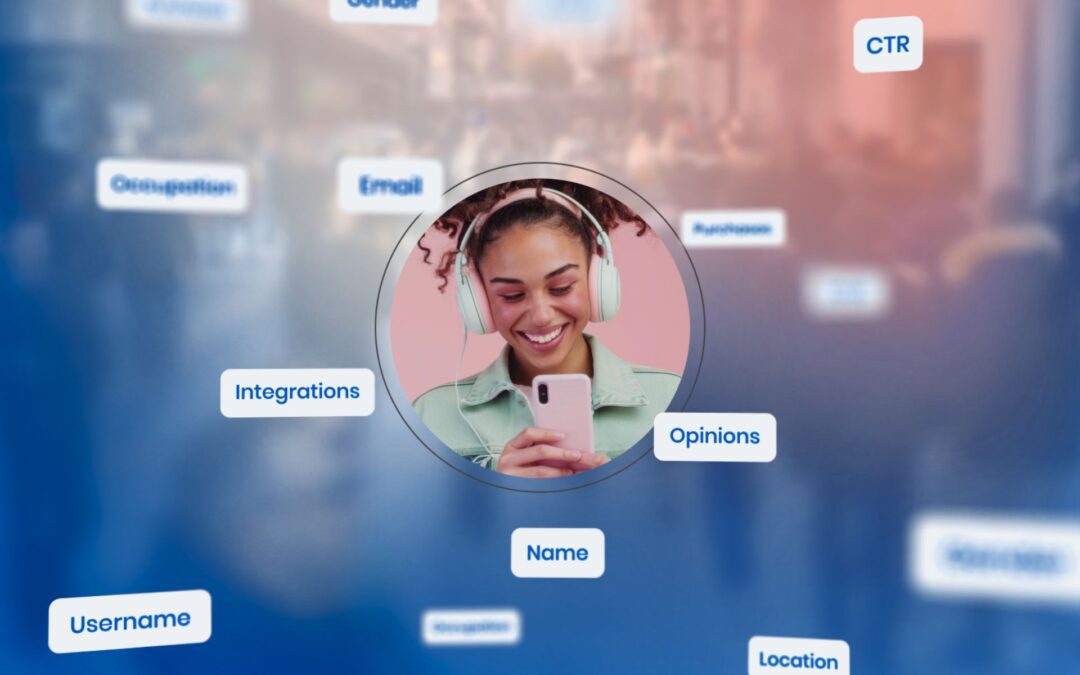
Personalized content delivery takes retention further by adapting message frequency, channel preference, and content type to individual customer profiles. A customer data platform can unify purchase history, browsing behavior, and engagement preferences to create truly personalized experiences across email, SMS, and mobile channels.
How Do You Measure Marketing Automation’s Effect on CLV?
Measuring marketing automation’s impact on CLV requires tracking specific metrics, including customer retention rate, repeat purchase frequency, average order value progression, and campaign-attributed revenue over time. The most effective measurement approach compares CLV between automated and non-automated customer segments while accounting for lifecycle stage and acquisition channel.
Key performance indicators for CLV measurement include retention rate improvements, time between purchases, and revenue per customer trends. Advanced measurement involves cohort analysis, comparing customer groups that entered your database at different times to understand how automation affects long-term value across various market conditions.
Attribution modeling becomes crucial for accurate measurement. Multi-touch attribution helps identify which automated touchpoints contribute most to CLV growth, whether through direct conversions or assisted interactions. This data enables continuous optimization of automated customer journey workflows for maximum long-term impact.
What Are the Best Marketing Automation Tools for Improving CLV?
The most effective marketing automation tools for CLV improvement combine robust segmentation capabilities, cross-channel campaign management, predictive analytics, and comprehensive customer data integration. Essential features include behavioral trigger automation, dynamic content personalization, and advanced reporting that tracks long-term customer value metrics.
When evaluating platforms, prioritize tools that offer real-time data processing, flexible journey building, and native integration with your existing tech stack. The best solutions provide unified customer profiles that consolidate data from multiple touchpoints, enabling more accurate personalization and better CLV optimization.
Look for platforms that support advanced segmentation based on RFM analysis (Recency, Frequency, Monetary Value), predictive modeling for churn prevention, and next-best-action recommendations. These capabilities enable more sophisticated email marketing strategies that drive long-term value rather than just immediate conversions.
How Deployteq Helps Maximize Customer Lifetime Value
We built Deployteq specifically to help marketing teams increase customer lifetime value through intelligent automation and unified customer data. Our platform combines advanced segmentation, cross-channel campaign management, and predictive insights to create personalized experiences that drive long-term loyalty and revenue growth.
Key features that directly impact CLV include:
- A unified customer data platform that consolidates all touchpoints for complete customer visibility
- Advanced segmentation with RFM modeling and predictive analytics for precise targeting
- A flexible journey builder that supports complex, multi-channel customer experiences
- Real-time behavioral triggers that respond instantly to customer actions
- Next-best-offer recommendations powered by machine learning
Ready to see how marketing automation can transform your customer lifetime value? Book a demo to explore how our platform can help you build more profitable, long-term customer relationships through intelligent automation.