Cross-sell and upsell emails drive revenue growth when they focus on genuine customer value rather than aggressive sales tactics. The key lies in timing, personalisation, and positioning additional products as helpful solutions. Structure these emails around customer needs, use behaviour-triggered automation, and maintain a consultative tone that builds trust while naturally guiding customers toward relevant purchases.
What’s the difference between cross-sell and upsell emails?
Cross-sell emails recommend complementary products that enhance a customer’s existing purchase, while upsell emails suggest premium versions or upgrades of what they already own. Cross-selling increases basket value through related items, while upselling boosts revenue through higher-tier products.
Cross-sell campaigns work particularly well after purchase completion. When someone buys a camera, cross-sell emails might suggest memory cards, cases, or tripods. These recommendations feel natural because they solve practical needs that arise from the original purchase.
Upsell emails target customers who might benefit from enhanced features or larger quantities. They work best when positioned as solutions to limitations customers might experience. A software user on a basic plan receives upsell emails highlighting advanced features that address growing business needs.
The timing differs significantly between these approaches. Cross-sell emails often perform best immediately after purchase when excitement is high. Upsell emails work better after customers have experienced your product and understand its value.
How do you identify the right timing for cross-sell and upsell emails?
Optimal timing depends on customer behaviour patterns, purchase cycles, and product usage data. Cross-sell emails work best within 24–48 hours of purchase, while upsell emails perform better after customers have used your product for 2–4 weeks and experienced its value.
Purchase behaviour reveals ideal moments for additional offers. Customers who buy frequently or spend above-average amounts show higher receptivity to cross-sell suggestions. Track metrics like time between purchases, average order value, and browsing patterns to identify these opportunities.
Product usage triggers provide powerful timing signals. Software customers approaching usage limits naturally become candidates for upgrade offers. Retail customers who frequently purchase consumable items need replenishment reminders that can include complementary products.
Lifecycle stages determine message relevance. New customers need time to appreciate their purchase before considering upgrades. Loyal customers with multiple purchases respond well to exclusive offers and premium product introductions.
Seasonal patterns and external factors influence timing effectiveness. Holiday periods, industry events, or personal milestones create natural opportunities for relevant product suggestions that feel timely rather than opportunistic.
What makes cross-sell and upsell emails feel helpful instead of pushy?
Value-first messaging positions additional products as solutions to customer problems rather than sales opportunities. Focus on benefits that directly relate to their existing purchase or demonstrated needs, using language that educates and assists rather than pressures.
Educational content transforms sales emails into helpful resources. Explain how recommended products solve specific challenges or enhance existing purchases. A customer who bought running shoes receives emails about injury prevention through proper gear, naturally introducing relevant accessories.
Personal relevance makes suggestions feel curated rather than generic. Reference their specific purchase, browsing history, or stated preferences. This approach demonstrates an understanding of their individual needs rather than broadcasting mass promotions.
Soft language reduces sales pressure while maintaining persuasive power. Phrases like “you might find this helpful” or “other customers in similar situations often choose” feel consultative. Avoid urgent language, artificial scarcity, or aggressive calls to action that create pressure.
Multiple options provide customers with control over their experience. Present two or three relevant suggestions rather than overwhelming them with choices. Include different price points so customers can select based on their budget and needs.
How do you personalise cross-sell and upsell emails effectively?
Behavioural data drives meaningful personalisation beyond basic name insertion. Use purchase history, browsing patterns, email engagement, and website activity to create recommendations that reflect individual customer preferences and demonstrated interests.
Purchase history reveals customer preferences and buying patterns. Customers who consistently choose premium products respond differently from bargain hunters. Tailor recommendations to match their demonstrated price sensitivity and brand preferences.
Browsing behaviour indicates current interests and consideration stages. Someone who viewed premium products but purchased basic versions might be ready for upgrade suggestions. Those who browsed complementary categories present cross-sell opportunities.
Engagement patterns inform message timing and frequency. Customers who open emails immediately prefer frequent communication, while others respond better to weekly or monthly touchpoints. Adjust sending schedules to match individual preferences.
Demographic and lifecycle information adds context to recommendations. New parents need different products from empty nesters. Business customers have different priorities from individual consumers. Layer this information with behavioural data for precise targeting.
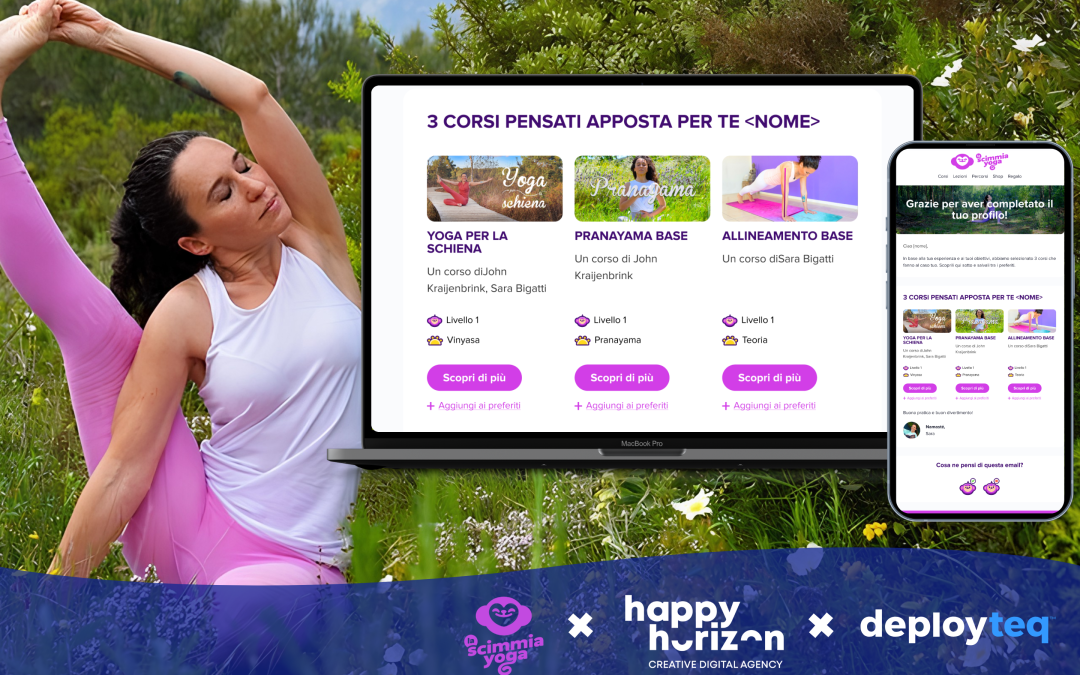
Dynamic content blocks allow single emails to display different products for different segments. This approach maintains operational efficiency while delivering personalised experiences that feel individually crafted.
What email structures work best for cross-sell and upsell campaigns?
Problem–solution structure works most effectively by identifying customer challenges first, then presenting products as natural solutions. Start with the benefit or outcome, explain the problem it solves, then introduce the product with clear next steps.
Visual hierarchy guides attention naturally toward key information. Use larger fonts for headlines, prominent product images, and clear calls to action. White space prevents overwhelming layouts while highlighting important elements.
Social proof elements build confidence in recommendations. Include customer reviews, usage statistics, or popularity indicators that validate the suggestion. Avoid fabricated testimonials, focusing instead on genuine indicators of product value.
Progressive disclosure prevents information overload while providing necessary details. Lead with key benefits, include essential features, and link to comprehensive information for interested customers. This approach serves both quick scanners and detailed researchers.
A single call to action reduces decision paralysis while maintaining focus. Even when presenting multiple products, guide customers toward one primary action. Secondary options can be included as smaller, less prominent elements.
Mobile-optimised layouts ensure effectiveness across devices. Use single-column designs, large touch targets, and concise copy that works on small screens. Many customers read emails on mobile devices, making responsive design essential.
How Deployteq helps with cross-sell and upsell email automation
Deployteq’s advanced segmentation and journey-builder capabilities enable sophisticated cross-sell and upsell campaigns that feel personalised and timely. Our email marketing platform combines behavioural triggers with intelligent product recommendations to create automated campaigns that drive revenue while maintaining customer relationships.
Key features that enhance cross-sell and upsell effectiveness include:
- Behavioural trigger automation that sends relevant offers based on purchase history, browsing patterns, and engagement data
- Dynamic product recommendations using RFM analysis and predictive insights to suggest the most relevant items
- Advanced segmentation that creates highly targeted audiences based on customer value, preferences, and lifecycle stage
- Journey-builder flexibility allowing complex automation flows that adapt based on customer responses and actions
- Cross-channel coordination ensuring consistent messaging across email, SMS, WhatsApp, and web channels
Ready to transform your cross-sell and upsell email strategy? Book a demo to see how our platform can automate personalised campaigns that drive revenue growth while building stronger customer relationships, or contact us to discuss your specific requirements with our team.