Insurance companies use marketing automation to retain customers by deploying triggered campaigns based on policy milestones, renewal dates, and behavioral signals that predict churn risk. These automated systems deliver personalized communications across multiple channels, ensuring timely engagement that strengthens policyholder relationships and reduces cancellation rates.
The insurance industry faces unique retention challenges, including long customer lifecycles, infrequent touchpoints, and complex policy structures. Marketing automation bridges these gaps by maintaining consistent engagement throughout the customer journey, from onboarding new policyholders to nurturing long-term loyalty.
Here’s how insurers leverage automation to build stronger customer relationships and improve retention rates.
What specific automation triggers help insurance companies prevent customer churn?
Insurance companies prevent customer churn through behavioral triggers that detect early warning signs, policy milestone alerts, and proactive engagement campaigns based on customer lifecycle stages. These triggers activate automatically when specific conditions are met, ensuring timely intervention before customers consider switching providers.
The most effective churn prevention triggers include policy renewal reminders sent 60, 30, and 7 days before expiration dates. These automated sequences often include personalized rate comparisons, loyalty discounts, and simplified renewal processes that reduce friction for continuing customers.
Behavioral triggers monitor customer engagement patterns, such as decreased website visits, reduced mobile app usage, or failure to open recent communications. When these signals indicate disengagement, automated re-engagement campaigns activate with relevant content, special offers, or check-in messages from customer service teams.
Claims-related triggers represent another crucial category. After claim resolution, automated follow-up sequences ensure customer satisfaction while reinforcing the value of their coverage. These campaigns often include educational content about policy benefits and testimonials from satisfied customers.
Payment-related triggers address potential churn from billing issues. When payments are missed or declined, automated sequences provide gentle reminders, payment assistance information, and alternative payment options before policies lapse.
How do insurance companies personalize retention campaigns through automation?
Insurance companies personalize retention campaigns by leveraging customer data to deliver tailored content based on policy types, life events, demographics, and behavioral preferences. Advanced customer data platforms consolidate information from multiple touchpoints to create comprehensive customer profiles that drive personalized messaging.
Policy-based personalization ensures customers receive relevant communications about their specific coverage types. Auto insurance customers might receive seasonal driving tips and accident prevention content, while homeowners receive property maintenance advice and weather-related protection updates.
Life event triggers create highly personalized retention opportunities. When customers experience major life changes like marriage, new home purchases, or career transitions, automated campaigns suggest policy adjustments, additional coverage options, or loyalty rewards that acknowledge their evolving needs.
Geographic personalization tailors content to local conditions and regulations. Customers in hurricane-prone areas receive storm preparation guides and flood insurance information, while those in urban areas might see content about theft protection and parking-related coverage.
Communication preference personalization ensures messages reach customers through their preferred channels at optimal times. Some customers prefer detailed email newsletters, while others respond better to brief SMS updates or mobile app notifications.
Which communication channels do insurers automate for retention?
Insurance companies automate retention campaigns across email, SMS, mobile push notifications, direct mail, and phone calls to create comprehensive multi-channel experiences. Email remains the primary channel for detailed communications, while SMS and push notifications handle time-sensitive alerts and brief reminders.
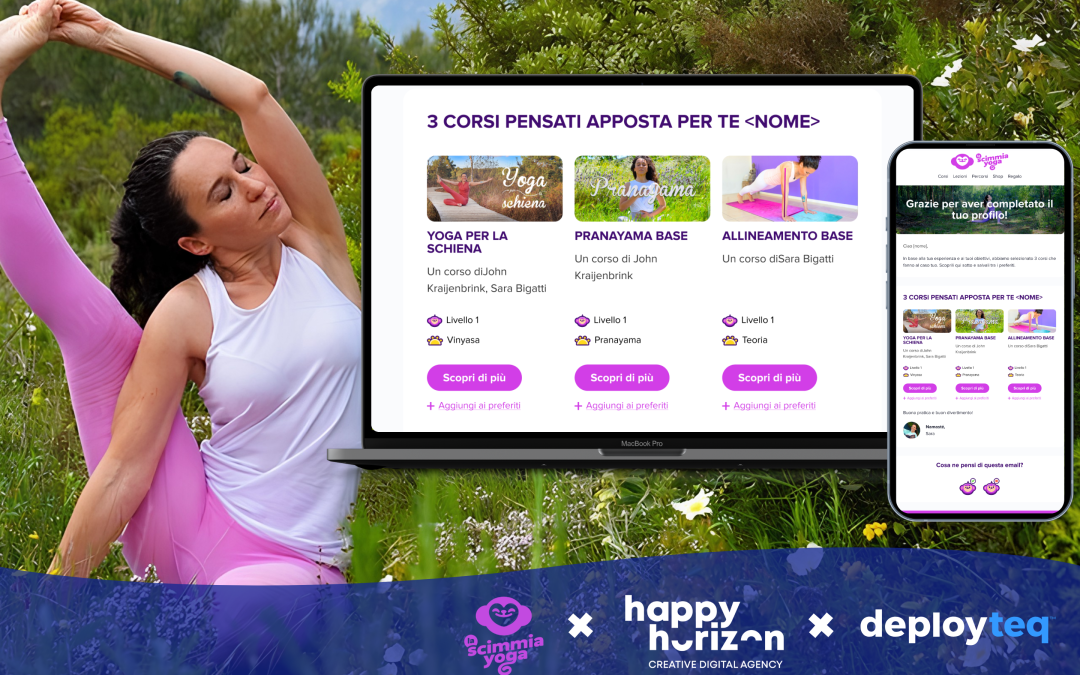
Email automation delivers the bulk of retention content, including policy updates, educational newsletters, renewal reminders, and personalized offers. Advanced email marketing platforms enable sophisticated segmentation and dynamic content that adapts to individual customer profiles.
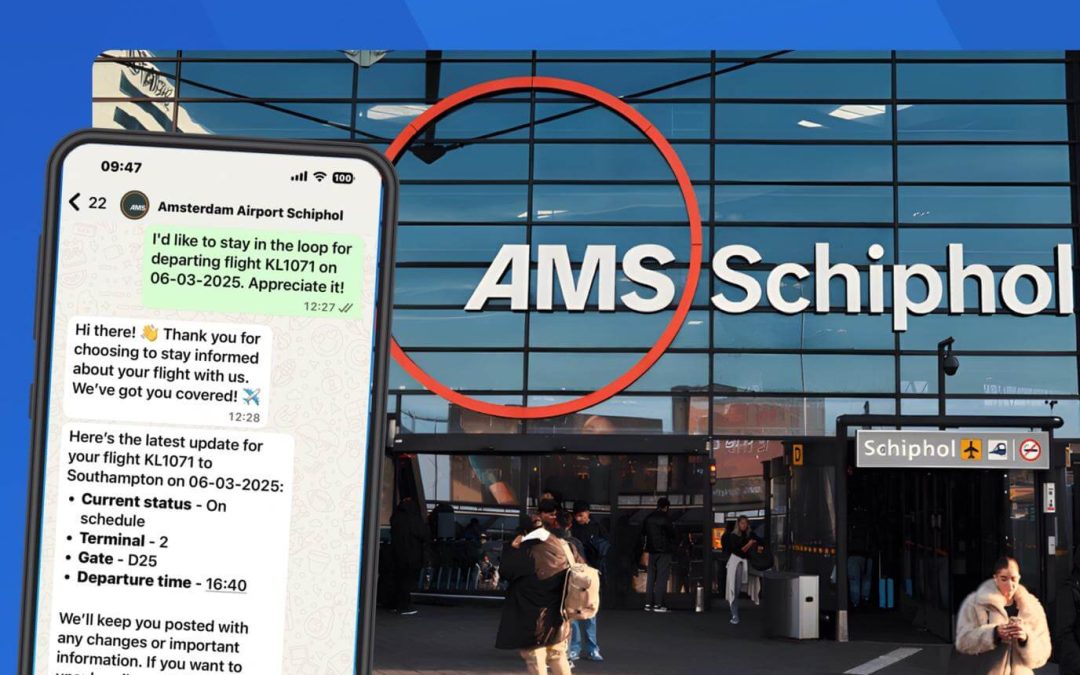
SMS automation handles urgent communications like payment reminders, claim status updates, and last-minute renewal alerts. The immediacy of text messaging makes it ideal for time-sensitive retention triggers when quick customer action is required.
Mobile app push notifications engage customers who have downloaded insurer apps, delivering personalized alerts about policy changes, new benefits, and exclusive mobile-only offers. These notifications often drive customers back to the app for deeper engagement.
Direct mail automation targets high-value customers or those who prefer traditional communication methods. Automated systems trigger personalized printed materials for policy renewals, anniversary celebrations, or special retention offers.
Automated phone campaigns use predictive dialing and voice messaging for personal outreach. These systems can trigger callback requests, appointment scheduling, or recorded messages from customer service representatives.
What types of automated content keep insurance customers engaged?
Insurance companies use educational content, personalized policy insights, seasonal safety tips, and exclusive member benefits to maintain customer engagement through automated campaigns. This content strategy positions insurers as trusted advisors rather than just service providers, strengthening emotional connections with policyholders.
Educational content automation delivers valuable information that helps customers understand their coverage and make informed decisions. Topics include claims process explanations, policy benefit summaries, and insurance industry updates that affect customer interests.
Seasonal content campaigns provide timely advice that demonstrates ongoing value. Winter driving tips, summer home maintenance checklists, and holiday travel insurance reminders show customers that their insurer cares about their well-being beyond just collecting premiums.
Personalized policy insights use customer data to highlight underutilized benefits, suggest coverage improvements, or explain how recent life changes might affect insurance needs. These automated insights help customers maximize their policy value while identifying upselling opportunities.
Exclusive member content creates a sense of belonging and special treatment. Early access to new products, member-only discounts, and exclusive educational webinars make customers feel valued and less likely to consider competitors.
Claims prevention content helps customers avoid situations that might lead to claims. Home security tips, safe driving advice, and health and wellness resources position insurers as partners in risk prevention rather than just claim processors.
How do insurance companies measure retention automation success?
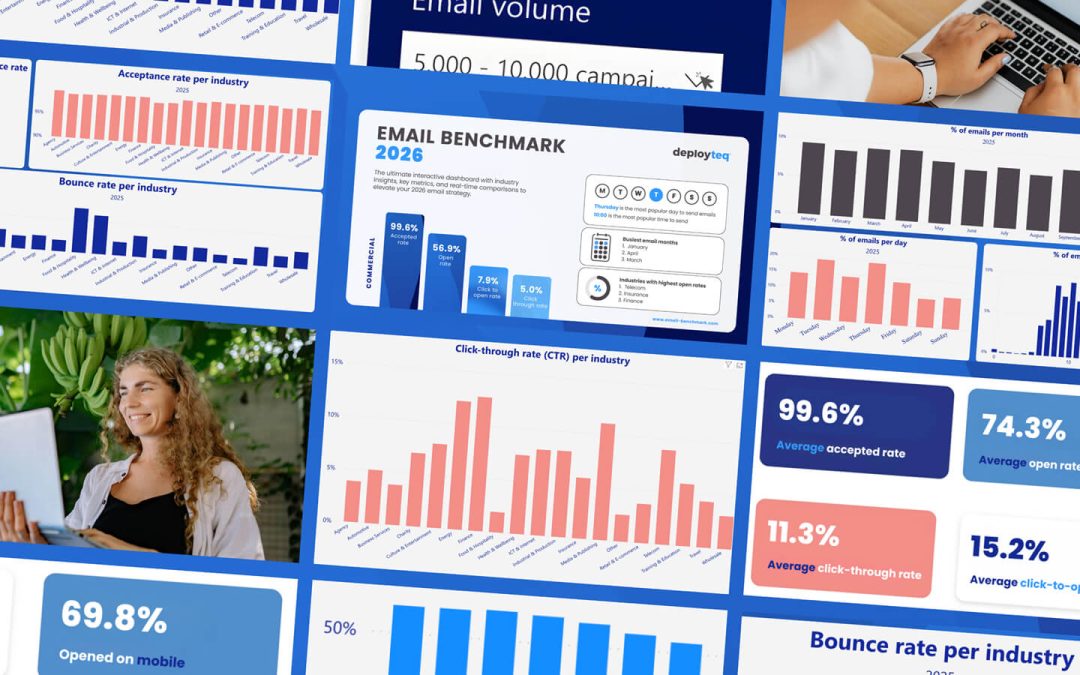
Insurance companies measure retention automation success through customer retention rates, policy renewal percentages, customer lifetime value increases, and engagement metrics like email open rates and click-through rates. These metrics provide comprehensive insights into how automated campaigns impact customer behavior and business outcomes.
Customer retention rate remains the primary success metric, calculated as the percentage of customers who maintain their policies over specific time periods. Successful automation programs typically see retention rate improvements of 5-15% compared to manual retention efforts.
Policy renewal rates measure the effectiveness of renewal-focused automation campaigns. Companies track renewal rates by customer segment, communication channel, and campaign type to optimize their automated approaches.
Customer lifetime value (CLV) analysis shows the long-term financial impact of retention automation. Successful programs demonstrate increased CLV through longer customer relationships, additional policy purchases, and reduced acquisition costs for replacement customers.
Engagement metrics provide leading indicators of retention success. Email open rates, click-through rates, website visits, and mobile app usage all correlate with customer satisfaction and likelihood to renew policies.
Churn prediction accuracy measures how well automated systems identify at-risk customers. Advanced analytics track the percentage of customers flagged by automation systems who actually cancel, helping refine trigger sensitivity and campaign targeting.
How Deployteq helps with insurance customer retention
We provide insurance companies with sophisticated marketing automation capabilities specifically designed for complex customer lifecycles and regulatory compliance requirements. Our platform enables insurers to create personalized retention campaigns that span multiple channels while maintaining the data security and compliance standards essential in the insurance industry.
Key features for insurance retention include:
- Advanced behavioral triggers that detect churn risk signals across policy, payment, and engagement data
- Multi-channel campaign orchestration across email, SMS, WhatsApp, and push notifications
- Sophisticated segmentation capabilities for personalized messaging based on policy types, demographics, and life events
- Real-time data integration that ensures campaigns reflect the most current customer and policy information
- Compliance-ready templates and approval workflows that meet insurance industry regulations
Ready to transform your insurance customer retention strategy? Book a demo to see how our platform can help you build stronger customer relationships and improve retention rates.