A customer data platform gives marketers a single, unified view of every customer by consolidating data from all your channels, tools, and touchpoints into one intelligent profile. The core benefit is simple: when your data is clean, connected, and actionable, you can personalise at scale, reduce wasted spend, and trigger the right message at exactly the right moment. Below, we answer the most common questions marketers ask before adopting a CDP.
How does a CDP actually unify customer data?
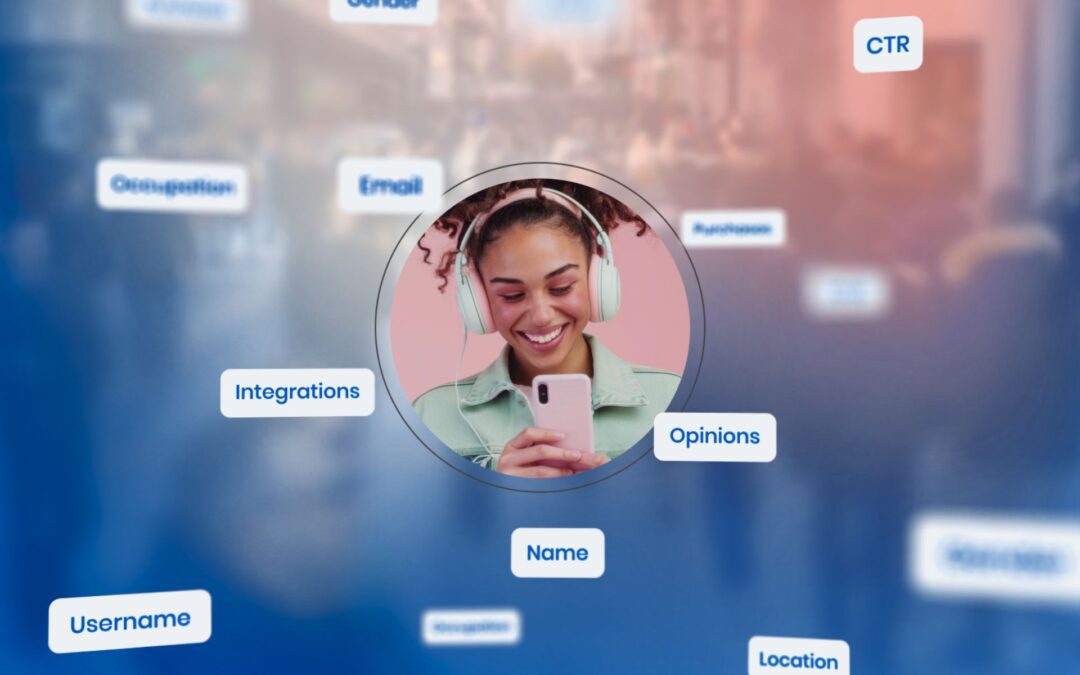
A CDP unifies customer data by ingesting information from every source, including your website, email platform, CRM, mobile app, POS system, and third-party tools, then stitching it together into a single, persistent customer profile. Each profile is updated in real time, so the data you act on is always current, not a snapshot from last week’s export.
The process typically works in three stages. First, the CDP collects raw data through APIs, native integrations, and event tracking. Second, it resolves identity by matching an anonymous website visitor to a known email subscriber, for example. Third, it enriches each profile with behavioural, transactional, and demographic attributes so your marketing tools have something genuinely useful to work with.
The result is a 360-degree single customer view: one record that follows a customer across every interaction, from a first browse to a repeat purchase three years later. That continuity is what makes personalisation feel natural rather than clunky.
What are the main benefits of a customer data platform?
The main benefits of a customer data platform are cleaner data, smarter segmentation, faster activation, and measurably better campaign performance. By removing data silos, a CDP lets marketing, CRM, and data teams work from the same source of truth, which reduces errors, speeds up execution, and improves the relevance of every message you send.
Here are the benefits most marketers notice first:
- Unified profiles: No more conflicting records across tools. One customer, one profile.
- Real-time activation: Trigger campaigns based on live behaviour, not batched overnight exports.
- Hyper-personalised messaging: Use full lifecycle data to serve the right content at every stage.
- Reduced data waste: Stop targeting customers with offers they already converted on.
- Intelligent modelling: Apply models like RFM, next-best-offer, and predictive LTV without needing a data science team on standby.
- Cross-channel consistency: Deliver a coherent experience whether a customer opens an email, receives an SMS, or visits your site.
For sectors like retail, travel, and finance, where customer journeys span weeks and dozens of touchpoints, these benefits translate directly into higher conversion rates and stronger retention.
How does a CDP improve customer segmentation?
A CDP improves customer segmentation by giving you access to richer, more accurate data than any single platform can provide on its own. Instead of segmenting on email opens or purchase history in isolation, you can build segments that combine behavioural signals, transactional data, real-time intent, and predictive scores simultaneously.
Traditional segmentation relies on what customers have done. CDP-powered segmentation adds what they are likely to do next. A travel brand, for example, can identify customers who browsed a destination three times in the past week, have a booking window of 30 days based on past behaviour, and have not yet received a specific offer. That segment is far more precise than “customers who visited the holidays page.”
The practical impact is that your email marketing campaigns reach smaller, more relevant audiences, which typically improves open rates, click rates, and conversion while reducing unsubscribes. You also spend less on suppression logic because the CDP handles it automatically.
What’s the difference between a CDP, a CRM, and a DMP?
A CDP, CRM, and DMP all handle customer data, but they serve fundamentally different purposes. A CRM manages relationships with known customers, primarily for sales and service teams. A DMP handles anonymous, cookie-based audience data for paid media targeting. A CDP unifies first-party data across all channels into persistent profiles, built specifically to power real-time marketing activation.
CRM vs CDP
A CRM is designed around the sales pipeline. It stores contact records, tracks deals, and logs service interactions. It is not built to ingest real-time behavioural data from your website or app, and it rarely connects directly to your campaign execution tools. A CDP fills that gap by sitting between your data sources and your marketing channels, keeping profiles continuously updated and ready to act on.
DMP vs CDP
A DMP aggregates third-party and anonymous data for programmatic advertising. Because it relies heavily on third-party cookies and does not store personally identifiable information, its usefulness has declined significantly as privacy regulations tighten and third-party cookies are phased out. A CDP, by contrast, is built on consented first-party data, which makes it both more durable and more compliant in a privacy-first world.
Which types of businesses benefit most from a CDP?
Businesses with large, active customer bases, multiple marketing channels, and complex customer journeys benefit most from a customer data platform. If your data lives in five different tools and your teams spend hours reconciling it manually, a CDP will have an immediate and measurable impact on your marketing efficiency.
The sectors that see the strongest returns tend to be:
- Retail and e-commerce: High transaction volumes, cart abandonment, and product recommendation logic all demand unified, real-time data.
- Travel and leisure: Long booking windows, loyalty programmes, and destination-specific triggers require a full view of each customer’s journey.
- Finance and insurance: Complex lifecycles, regulatory requirements, and the need for timely, trust-building communication make data accuracy critical.
- Entertainment: High-frequency engagement, content preferences, and subscription behaviour need continuous profiling to stay relevant.
Smaller businesses with a single channel and a simple customer journey may not need a full CDP yet. But if you are managing cross-channel campaigns and struggling with fragmented data, the investment pays for itself quickly through better targeting alone.
How do you get started with a customer data platform?
Getting started with a CDP begins with auditing your existing data sources and identifying where your customer data currently lives. Before you connect anything, you need a clear picture of what data you have, where it sits, and what gaps exist. That audit shapes your integration plan and your initial use cases.
A practical starting framework looks like this:
- Map your data sources: List every tool that holds customer data, including your email platform, website analytics, CRM, loyalty programme, and point-of-sale system.
- Define your priority use cases: Start with one or two high-value scenarios, such as real-time cart abandonment or churn prediction, rather than trying to activate everything at once.
- Connect and clean: Integrate your sources, resolve duplicate identities, and establish data governance rules before you start building segments.
- Build your first segments: Use your unified profiles to create two or three test segments and run campaigns against them to establish a performance baseline.
- Expand and optimise: Once your core use cases are working, layer in more sophisticated models like RFM scoring or next-best-offer logic.
The key is to resist the urge to do everything on day one. A phased approach delivers faster wins and builds internal confidence in the platform before you scale.
How Deployteq powers your CDP strategy
We built our Customer Data Platform to do exactly what this article describes: unify your customer data, enrich it with intelligent modelling, and activate it directly within your campaigns, without needing a separate data team to make it work.
Here is what you get with Deployteq’s CDP:
- 360-degree customer profiles built from all your first-party data sources, updated in real time
- Intelligent modelling including RFM analysis, next-best-offer recommendations, and full lifecycle insights baked in
- Direct campaign activation across email, SMS, WhatsApp, push, and web from a single platform
- Smart segmentation that lets you build hyper-personalised audiences without writing a single line of code
- Website personalisation powered by the same unified profiles, so every touchpoint feels consistent
Whether you are upgrading from a simpler platform or looking to consolidate fragmented tools into one connected stack, our marketing automation platform gives you the data control and campaign flexibility to deliver results at scale. Book a demo and see how it works in practice.