Email preference centres reduce unsubscribes by giving customers control over their email experience instead of forcing an all-or-nothing decision. When subscribers can adjust frequency, content types and communication preferences, they’re more likely to stay engaged rather than opting out completely. This approach transforms potential unsubscribes into opportunities for better personalisation and improved customer retention.
What is an email preference centre and why does it reduce unsubscribes?
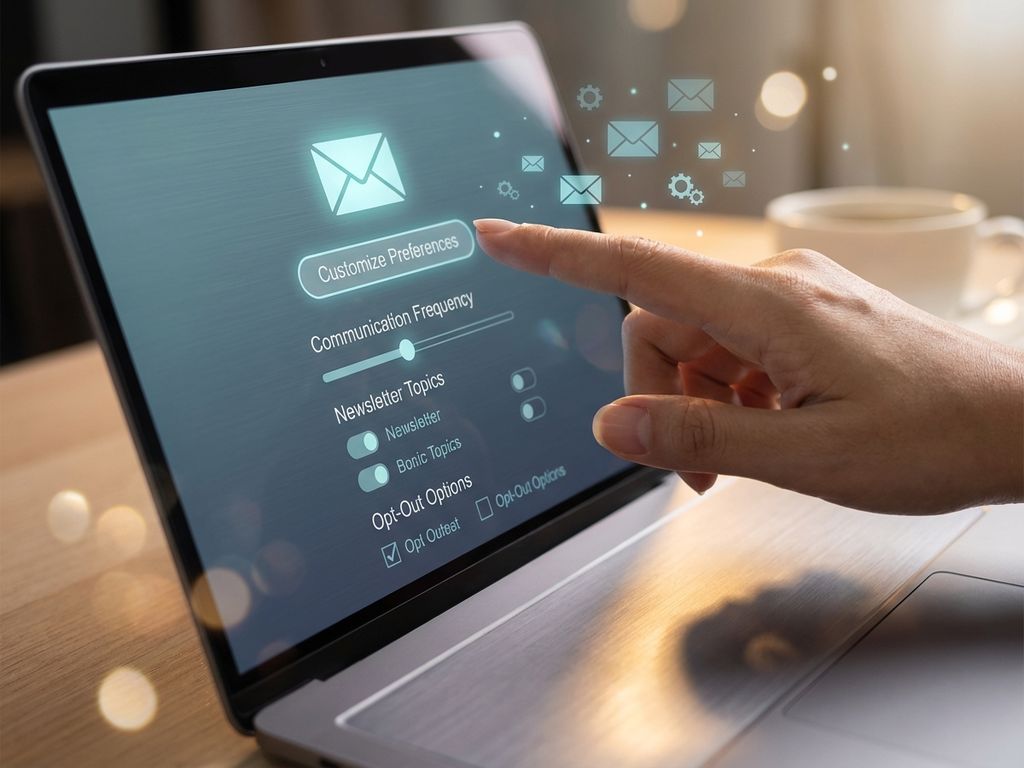
An email preference centre is a dedicated webpage where subscribers can customise their email experience by selecting content types, frequency and communication channels. Rather than simply clicking “unsubscribe”, customers can tailor their preferences to receive only the emails they want, when they want them.
This approach significantly reduces unsubscribes because it addresses the root cause of most opt-outs: irrelevant content or overwhelming email frequency. When customers feel bombarded or receive content that doesn’t match their interests, their natural response is to unsubscribe entirely.
Preference centres solve this by offering granular control. A customer might love your product updates but dislike promotional emails, or prefer weekly digests instead of daily messages. By accommodating these preferences, you maintain the relationship whilst delivering more targeted, relevant content.
The psychological benefit is equally important. When customers feel they have control over their email experience, they develop greater trust and engagement with your brand. This sense of agency transforms the email relationship from something that happens to them into something they actively participate in managing.
What options should you include in your email preference centre?
Essential preference options include frequency controls (daily, weekly, monthly), content type selections (newsletters, promotions, product updates), communication channel choices (email, SMS, push notifications) and basic data management settings such as updating personal information or pausing emails temporarily.
Frequency controls are fundamental because timing preferences vary dramatically between customers. Some subscribers want immediate updates, whilst others prefer consolidated weekly or monthly communications. Offering options like “instant”, “daily digest”, “weekly roundup” or “monthly summary” accommodates different consumption patterns.
Content categorisation allows subscribers to choose specific topics or email types. Common categories include:
- Product announcements and updates
- Educational content and tips
- Promotional offers and discounts
- Company news and events
- Industry insights and trends
Channel preferences become increasingly important as businesses expand beyond email. Customers might prefer SMS for urgent notifications but email for detailed content, or push notifications for time-sensitive offers but email for newsletters.
Include practical options such as “pause emails for 30 days” for customers going through busy periods, or “update my interests” for evolving preferences. These alternatives to permanent unsubscription maintain the relationship during temporary disengagement.
How do you design a preference centre that customers actually want to use?
Effective preference centre design prioritises simplicity, clear navigation and mobile optimisation. Use intuitive interface elements such as toggle switches and checkboxes, organise options logically and ensure the page loads quickly across all devices whilst maintaining visual consistency with your brand.
Start with a clean, uncluttered layout that doesn’t overwhelm users with too many choices at once. Group related options together and use clear headings to separate different types of preferences. Visual hierarchy guides users naturally through their options without confusion.
Mobile optimisation is critical since many customers access preference centres through mobile email clients. Ensure buttons and toggle switches are large enough for easy tapping, text remains readable without zooming and the page responds quickly to user interactions.
Apply psychological principles that encourage engagement rather than abandonment. Use positive language such as “Choose what you’d like to receive” instead of negative framing like “What don’t you want?” Make saving changes feel rewarding with confirmation messages that reinforce the value of staying subscribed.
Consider implementing smart defaults that reflect common preferences whilst still allowing customisation. For example, if most customers prefer weekly emails, make that the default frequency whilst clearly showing that other options are available.
Advanced email marketing platforms can provide sophisticated preference management tools that make creating user-friendly centres straightforward whilst maintaining the technical capabilities needed for complex segmentation.
Where should you place links to your email preference centre?
Strategic placement includes email footers, unsubscribe pages, account settings, website headers and post-purchase communications. The key is making preference centres easily discoverable without being intrusive, ensuring customers can find them when needed whilst maintaining compliance with email marketing regulations.
Email footers represent the most common and expected location. Include a clear “Email preferences” or “Manage preferences” link alongside your standard unsubscribe option. This placement catches customers before they resort to the nuclear option of complete unsubscription.
Transform your unsubscribe page into a preference opportunity. Instead of immediately processing unsubscription requests, redirect users to your preference centre with messaging such as “Before you go, would you like to adjust your email preferences instead?”
Website integration extends preference management beyond email interactions. Include links in account dashboards, user profile sections and website footers. This proactive approach allows customers to manage preferences during positive website experiences rather than only during email frustration.
Consider contextual placement during key customer journey moments. Post-purchase emails, welcome sequences and re-engagement campaigns are natural opportunities to remind customers about preference options when they’re actively thinking about their relationship with your brand.
For businesses ready to implement comprehensive preference management, booking a demo can reveal how advanced platforms integrate preference centres seamlessly across multiple customer touchpoints.
How do you use preference centre data to improve your email marketing?
Preference data analysis enables smarter segmentation, personalised content delivery, optimised send frequency and targeted campaign development. Use collected preferences to create dynamic segments, tailor content to stated interests, adjust sending schedules based on frequency choices and develop campaigns that align with subscriber preferences.
Transform preference selections into actionable segments that go beyond basic demographics. Customers who prefer weekly emails and product updates represent a different segment from those wanting daily promotional content. These behavioural preferences often predict engagement better than traditional demographic data.
Content personalisation becomes more sophisticated when guided by explicit preferences rather than assumed interests. If customers specifically request educational content over promotional material, prioritise tutorials, guides and industry insights in their email streams whilst reducing sales-focused messaging.
Frequency optimisation prevents both over-mailing and under-communication. Customers who select daily emails are expressing a higher appetite for engagement, whilst weekly-preference subscribers want consolidated, higher-value content. Matching your sending patterns to these stated preferences improves satisfaction and engagement metrics.
Use preference trends to inform broader marketing strategies. If most customers prefer educational content over promotional emails, this insight should influence your content creation priorities and overall email marketing approach.
Monitor preference changes over time to identify customer lifecycle patterns. Customers reducing email frequency might indicate changing needs or potential churn risks, whilst those expanding their preferences suggest growing engagement and upselling opportunities.
For comprehensive guidance on implementing these preference-driven strategies, contacting marketing automation specialists can provide tailored advice for your specific customer base and industry requirements.
How Deployteq helps with email preference management
Deployteq provides comprehensive solutions for implementing sophisticated email preference centres that reduce unsubscribes and boost engagement. Our platform enables you to:
- Create intuitive, mobile-optimised preference centres with drag-and-drop functionality
- Set up automated segmentation based on customer preferences and behaviour
- Implement dynamic content delivery that adapts to individual subscriber choices
- Track preference changes and analyse data to optimise your email marketing strategy
- Integrate preference management seamlessly across multiple customer touchpoints
With Deployteq’s advanced automation capabilities, you can transform preference data into personalised customer experiences that drive higher engagement and retention rates. Book a demo today to discover how our preference management solutions can reduce your unsubscribe rates whilst improving customer satisfaction.
Email preference centres represent a fundamental shift from broadcast marketing to customer-controlled communication. By implementing thoughtful preference management, you transform potential unsubscribes into opportunities for deeper personalisation and stronger customer relationships. The key lies in genuine respect for customer choice and in using preference data to deliver more relevant, valuable email experiences.