Choosing the right marketing automation platform for B2C requires evaluating your customer journey complexity, channel requirements, and personalization capabilities against platform features. The best platform should handle high-volume customer interactions while delivering real-time, behavior-driven experiences across all touchpoints. This guide addresses the most critical evaluation criteria for B2C marketers.
What is a marketing automation platform and why do B2C brands need one?
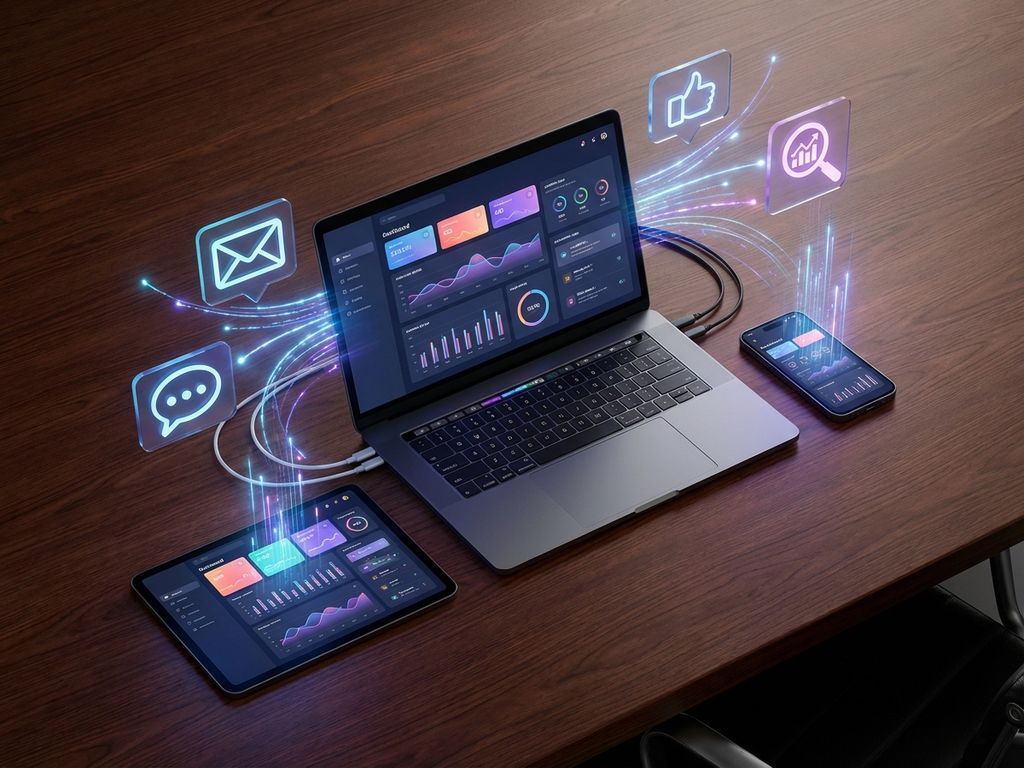
A marketing automation platform is software that orchestrates personalized customer experiences across email, SMS, push notifications, and other channels based on real-time behavioral triggers. It unifies customer data to deliver contextual messaging at every touchpoint in the customer lifecycle.
These platforms excel at managing complex, multi-channel customer journeys automatically. Instead of manually coordinating campaigns across channels, the system triggers personalized messages based on browse behavior, purchase history, cart abandonment, or lifecycle stage. This ensures consistent, relevant communication at scale.
You need marketing automation when customer interactions become too complex for manual management. E-commerce brands benefit from automated behavioral triggers that respond to browsing patterns, cart activity, and purchase behavior. The platform enables personalization at scale, delivering dynamic content to thousands of customer segments without manual intervention.
Marketing automation transforms customer experience by providing timely, contextual communications. It helps you recover abandoned carts, drive repeat purchases, and build customer loyalty through personalized journey orchestration. This leads to higher conversion rates, increased customer lifetime value, and more efficient marketing spend.
What features should B2C marketers prioritize in a marketing automation platform?
Critical B2C marketing automation features include behavioral trigger automation, omnichannel orchestration, real-time personalization, e-commerce platform integrations, customer data unification, high-volume sending capabilities, and drag-and-drop journey builders that marketers can use independently.
Behavioral triggers form the foundation of B2C automation, enabling responses to browse events, cart additions, purchases, app opens, and engagement patterns. Look for platforms that can trigger campaigns within minutes of customer actions. A robust email marketing platform should seamlessly integrate with SMS, push notifications, and other channels for cohesive customer experiences.
Omnichannel capabilities ensure consistent messaging across email, SMS, WhatsApp, push notifications, and in-app messages. Real-time personalization delivers dynamic content based on browsing history, purchase behavior, location, and preferences.
E-commerce integrations with Shopify, Magento, WooCommerce, and other platforms enable automatic data sync and product recommendations. Customer data unification creates single customer views from multiple touchpoints and data sources.
High-volume sending capabilities and strong deliverability are essential for retail, travel, and entertainment brands managing hundreds of thousands of customers. Pre-built templates for common B2C scenarios like welcome series, win-back campaigns, and loyalty programs accelerate implementation.
How do you evaluate marketing automation platforms for B2C performance?
Focus on real-time processing capabilities, channel coverage, personalization depth, integration ecosystem, and scalability for high-volume customer bases. Create evaluation criteria specific to your industry’s customer journey complexity and channel requirements.
Assess real-time processing speed. B2C customers expect immediate responses to their actions. Test how quickly platforms can trigger emails after cart abandonment, send SMS confirmations after purchases, or update app notifications based on browsing behavior.
Evaluate channel coverage and coordination. Modern B2C marketing requires seamless orchestration across email, SMS, push notifications, WhatsApp, and social channels. Test how well platforms coordinate messaging timing and frequency across channels.
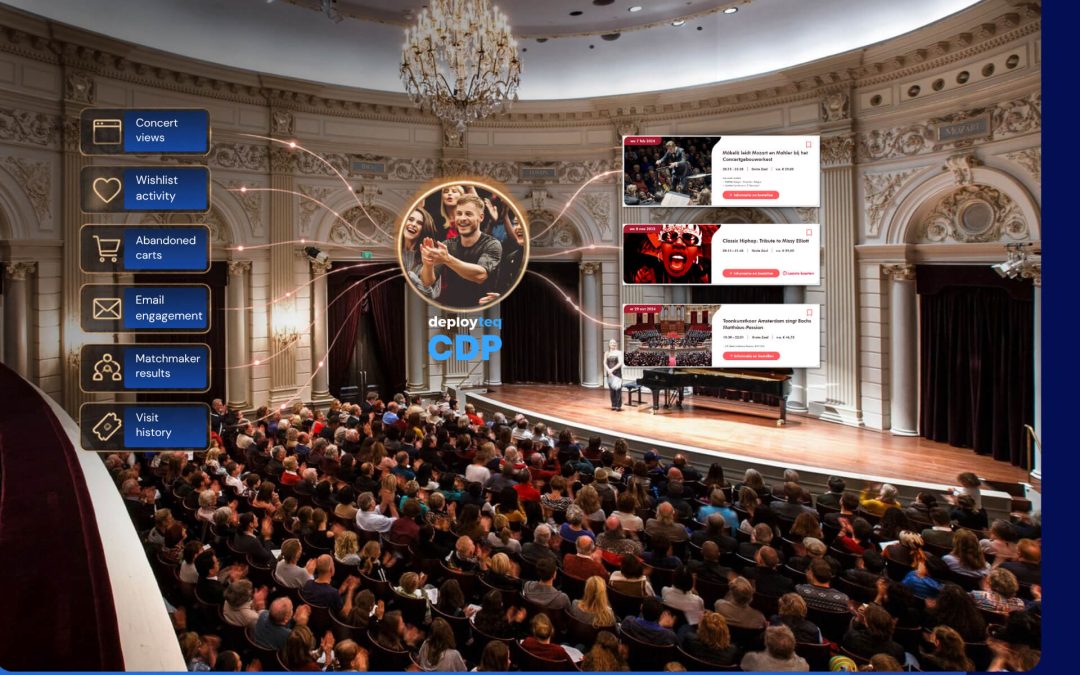
Test personalization capabilities with your actual customer data. Can the platform deliver dynamic product recommendations, personalized content blocks, and behavioral-based messaging at your scale? A comprehensive customer data platform should unify data from all touchpoints for advanced personalization.
Review integration depth with your e-commerce platform, mobile app, loyalty program, and analytics tools. Seamless data flow enables sophisticated segmentation based on purchase behavior, RFM analysis, and customer lifetime value calculations.
What’s the difference between basic and enterprise-level B2C marketing automation?
Basic platforms handle simple email automation and basic segmentation, while enterprise solutions provide real-time behavioral triggers, advanced personalization, omnichannel orchestration, predictive analytics, and sophisticated customer journey mapping across all touchpoints.
Entry-level platforms typically include email templates, basic automation workflows, contact management, and simple reporting. These work for small e-commerce businesses with straightforward customer journeys and single-channel communication needs.
Enterprise platforms provide real-time customer data processing, advanced behavioral triggers, dynamic content personalization, and multi-channel journey orchestration. They include features like predictive analytics, AI-powered product recommendations, and machine learning-based send time optimization.
Pricing reflects capability differences. Basic platforms might cost £100–500 monthly for small customer databases, while enterprise solutions range from thousands to tens of thousands monthly, depending on contact volume and feature complexity.
Choose basic platforms for simple e-commerce operations with limited channels and straightforward customer journeys. Enterprise platforms suit retailers, travel companies, and entertainment brands with complex, multi-touchpoint customer experiences requiring real-time personalization.
How do you successfully implement B2C marketing automation?
Successful B2C implementation requires comprehensive data integration, behavioral trigger mapping, channel coordination setup, and gradual journey complexity scaling. Start with customer data unification, implement core behavioral triggers, test omnichannel coordination, and build sophisticated journeys iteratively.
Begin by integrating all customer data sources: e-commerce platform, mobile app, customer service system, and loyalty program. Map your customer journey touchpoints to identify critical behavioral triggers like cart abandonment, browse abandonment, post-purchase follow-up, and re-engagement campaigns.
Implement core behavioral triggers first: welcome series, cart abandonment, purchase confirmations, and shipping notifications. These provide immediate value while you build more complex journey orchestration.
Set up channel coordination carefully, ensuring message timing and frequency caps work across email, SMS, and push notifications. Test thoroughly to avoid overwhelming customers with simultaneous messages across channels.
Plan for 4–8 weeks for comprehensive B2C implementation including data integration, behavioral trigger setup, and initial journey testing. Complex omnichannel implementations with advanced personalization may require 12–16 weeks. Start simple and add complexity as you validate performance.
How Deployteq addresses B2C marketing automation requirements
We provide a comprehensive marketing automation solution designed specifically for B2C brands requiring real-time personalization, omnichannel coordination, and high-volume customer engagement capabilities.
Deployteq offers:
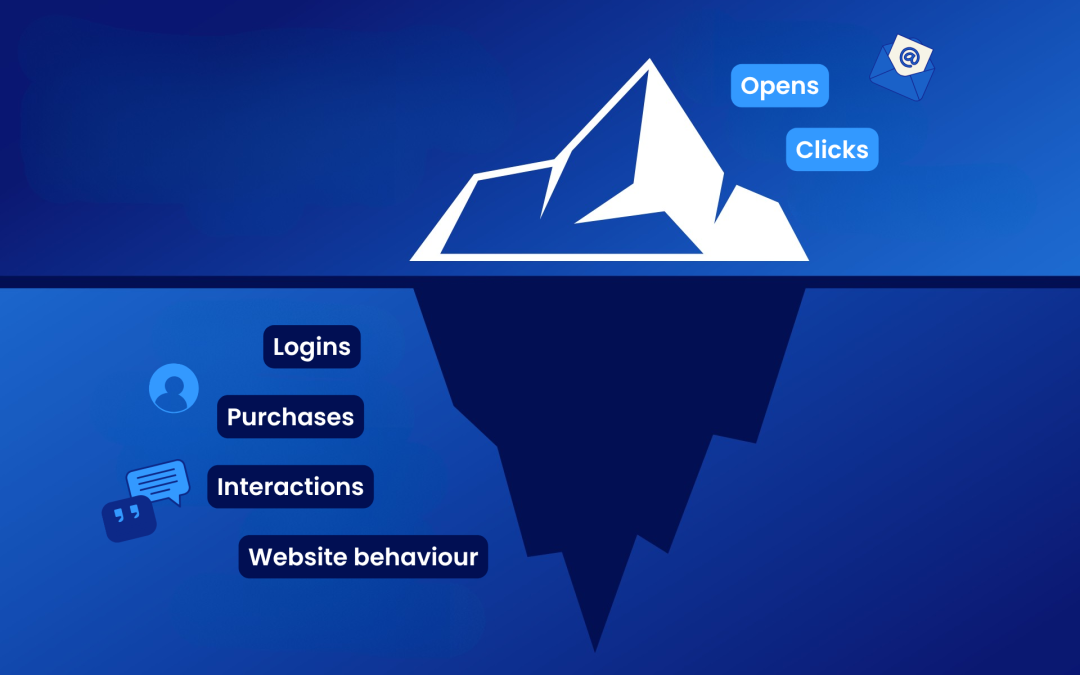
- Real-time customer data unification that automatically consolidates behavioral data from e-commerce, mobile apps, and all customer touchpoints into unified profiles
- Behavioral trigger automation that responds to browse events, cart activity, purchases, and engagement patterns within minutes
- Omnichannel journey orchestration across email, SMS, WhatsApp, push notifications, and in-app messaging with intelligent timing coordination
- Dynamic personalization engine delivering real-time product recommendations, content personalization, and behavioral-based messaging
- Drag-and-drop journey builder enabling marketers to create sophisticated customer experiences without technical dependencies
Our platform handles the complexity of modern B2C customer journeys while maintaining the simplicity marketers need for rapid campaign deployment. You can orchestrate sophisticated omnichannel experiences without technical bottlenecks, while accessing advanced behavioral triggers and personalization capabilities.
Ready to see how Deployteq can transform your B2C customer engagement? Contact us for a personalized demonstration focused on your specific industry requirements and customer journey complexity.