Marketing automation is technology that manages marketing processes and campaigns automatically across multiple channels. It sends personalised messages based on customer behaviour, manages lead nurturing sequences, and tracks customer journeys without manual intervention. This system helps businesses deliver relevant content at the right time while freeing up marketing teams to focus on strategy and creative work.
What is marketing automation and why does it matter for your business?
Marketing automation is software that handles repetitive marketing tasks automatically, triggering personalised communications based on customer actions, preferences, and timing. Instead of manually sending emails or social media posts, the platform does this work for you using predefined rules and customer data.
This technology matters because it solves fundamental business challenges that manual marketing cannot address effectively. When you’re managing hundreds or thousands of customers, personalising every interaction becomes impossible without automation. You can’t remember when each customer last engaged, what products they viewed, or where they are in their buying journey.
Marketing automation platforms create detailed customer profiles that track every interaction across channels. They segment customers automatically based on behaviour patterns and send targeted messages that feel personal even when reaching large audiences. This approach increases engagement rates because customers receive relevant content rather than generic broadcasts.
The technology also provides consistent follow-up that manual processes often miss. When a potential customer downloads a guide or abandons their shopping cart, automated workflows ensure they receive appropriate follow-up messages at optimal intervals.
How does marketing automation actually work behind the scenes?
Marketing automation platforms collect customer data from every touchpoint, including website visits, email opens, social media interactions, and purchase history. This information creates unified customer profiles that update in real time as new interactions occur.
The system uses this data to trigger automated responses based on predefined conditions. For example, when someone visits your pricing page three times, the platform might automatically send them a personalised discount offer or schedule a sales call. These triggers work across multiple channels simultaneously.
Customer journey mapping forms the foundation of how automation works. You design workflows that guide customers through specific paths based on their actions and characteristics. Someone who downloads a product catalogue receives different follow-up content from someone who purchases a product.
The platform continuously monitors customer behaviour and adjusts messaging accordingly. If someone engages heavily with email content, they might receive more frequent communications. If they prefer social media interactions, the system prioritises those channels for future outreach.
Advanced platforms use machine learning to optimise send times, subject lines, and content recommendations. Marketing automation platforms with an integrated customer data platform can analyse patterns across your entire customer base to predict what will work best for individual users.
What types of marketing can you automate with modern platforms?
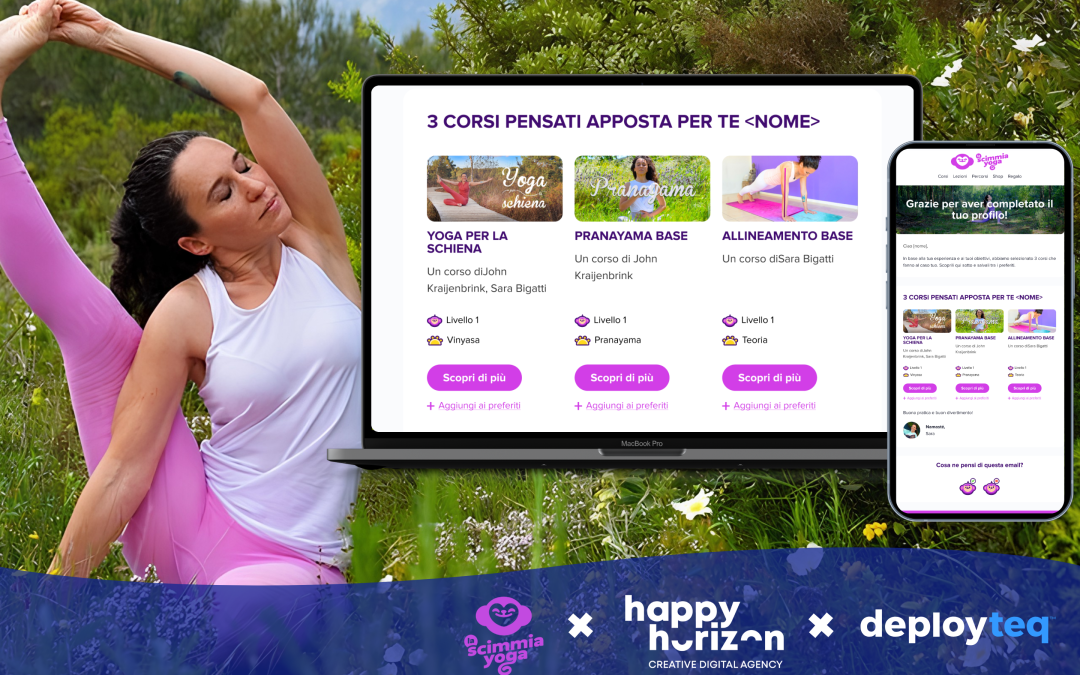
Email campaigns represent the most common automated marketing activity, including welcome sequences, abandoned cart reminders, birthday messages, and re-engagement campaigns. These workflows can include dozens of messages that send based on customer actions and timing.
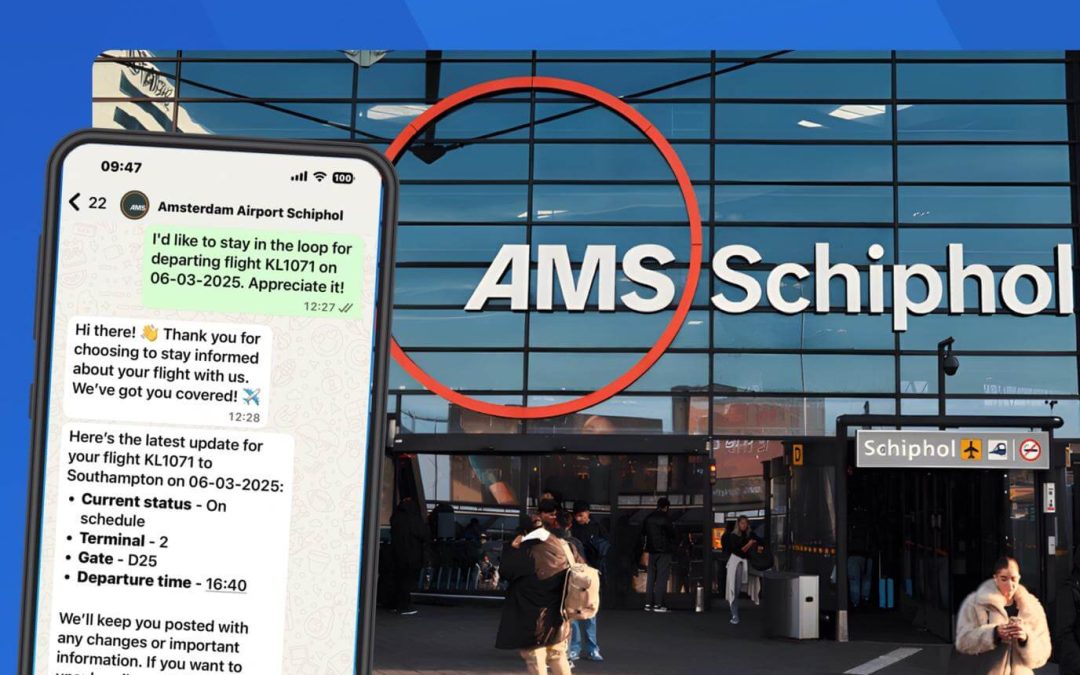
SMS messaging automation works similarly to email but with shorter, more immediate communications. You can automate appointment reminders, shipping notifications, limited-time offers, and event updates that reach customers on their mobile devices.
Social media automation handles post scheduling, response management, and follower engagement across multiple platforms. The system can publish content at optimal times and respond to common questions using predefined answers.
Lead nurturing workflows guide potential customers through educational content based on their interests and engagement level. Someone interested in basic information receives different content from someone ready to make a purchase decision.
Customer segmentation happens automatically based on behaviour, demographics, purchase history, and engagement patterns. This creates highly targeted groups that receive personalised messaging without manual list management.
Cross-channel journey orchestration ensures consistent messaging, whether customers interact via email, social media, SMS, or your website. The platform coordinates these touchpoints to create seamless experiences.
How do you know if your business is ready for marketing automation?
Your business is ready for marketing automation when manual processes become time-consuming and you’re struggling to maintain consistent customer communications. If you’re spending hours each week on repetitive tasks like sending follow-up emails or updating customer lists, automation will provide immediate value.
Growing customer databases signal automation readiness. Once you have more than 500 contacts, personalising communications manually becomes difficult. You’ll notice decreased engagement rates and missed follow-up opportunities as your list grows.
Multiple marketing channels indicate automation necessity. If you’re managing email, social media, SMS, and website communications separately, coordination becomes complex without automated workflows that connect these touchpoints.
Revenue growth goals often require automation support. When you want to scale marketing efforts without proportionally increasing staff, automated systems handle increased volume while maintaining personalisation quality.
Available resources matter for successful implementation. You need someone dedicated to setting up workflows, creating content, and monitoring performance. Automation requires initial investment in time and training before delivering efficiency gains.
Clear customer journey understanding indicates readiness. If you know how customers typically move from awareness to purchase, you can design automated workflows that support this progression effectively.
What should you expect when implementing marketing automation?
Marketing automation implementation typically takes 4–8 weeks for basic setup, including data migration, workflow creation, and initial testing. Complex implementations with multiple integrations may require 2–3 months before full functionality is achieved.
Initial results appear within the first month as automated workflows begin engaging customers. You’ll notice improved response times and more consistent follow-up, though significant performance improvements usually develop over 3–6 months as the system learns customer preferences.
The setup process involves several phases: data organisation and import, workflow design and testing, content creation for automated sequences, and team training on platform usage. Each phase requires attention to detail for optimal results.
Common challenges include data quality issues, overly complex workflows, and insufficient content preparation. Many businesses underestimate the content requirements for multiple automated sequences across different customer segments.
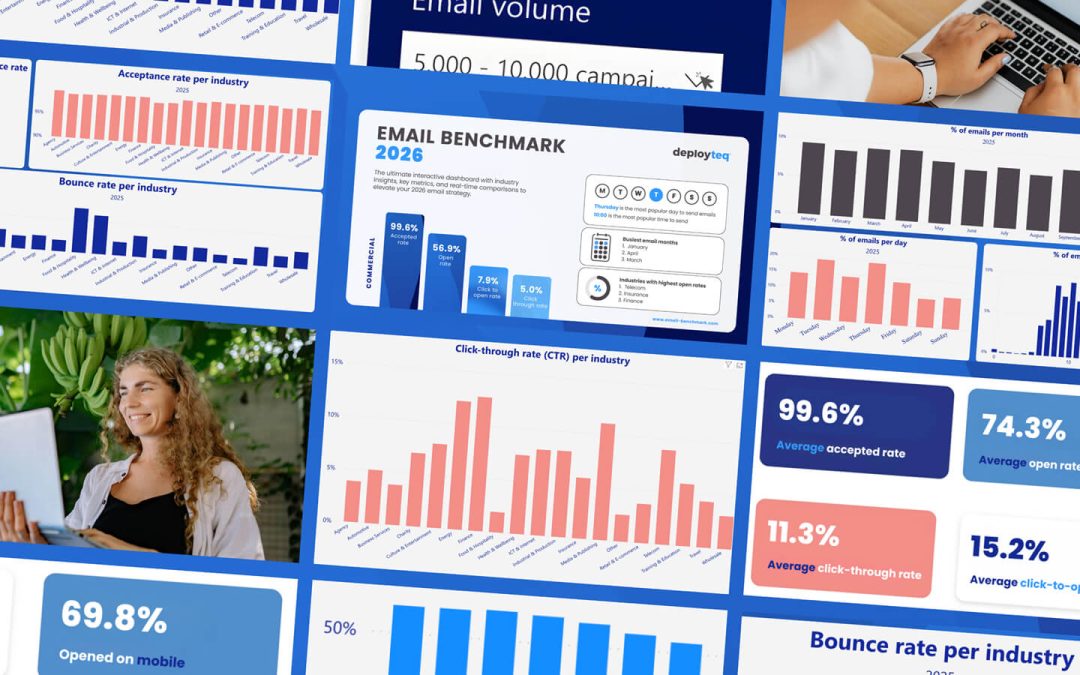
Early success indicators include increased email open rates, improved lead response times, and better customer segmentation accuracy. You should also notice reduced time spent on manual marketing tasks as automation handles routine communications.
Performance monitoring becomes important immediately. Track metrics like workflow completion rates, customer engagement levels, and conversion improvements to identify areas needing adjustment during the initial months.
How Deployteq helps with marketing automation
We provide an all-in-one marketing automation platform that addresses every challenge discussed in this guide. Our system unifies customer data from all channels into single, real-time profiles that power personalised experiences across email, SMS, social media, WhatsApp, and landing pages.
Our platform offers specific capabilities that solve common automation needs:
- Advanced segmentation: Build highly targeted customer groups using real-time behaviour and demographic data.
- Versatile journey builder: Design complex customer workflows with complete flexibility and no technical barriers.
- Omnichannel coordination: Manage consistent messaging across all communication channels from one platform.
- Powerful automation: Create sophisticated workflows that any marketer can build and modify without technical expertise.
Our approach eliminates the complexity typically associated with marketing automation while providing enterprise-level functionality. You maintain complete control over your data and customer journeys, enabling smarter segmentation, faster automation, and content that drives measurable results.
Ready to transform your marketing with automation that actually works? Contact us today to see how our platform can streamline your marketing processes and improve customer experiences across every channel.