Scattered customer data is one of the most common blockers to campaign performance. When customer information lives in separate tools, channels, and databases, you end up making decisions based on fragments rather than the full picture. The result? Poorly timed messages, irrelevant content, and missed revenue opportunities. Learning how to unify customer data into a single customer view changes all of that. Here are eight concrete ways it transforms what your campaigns can actually do.
What a single customer view actually unlocks
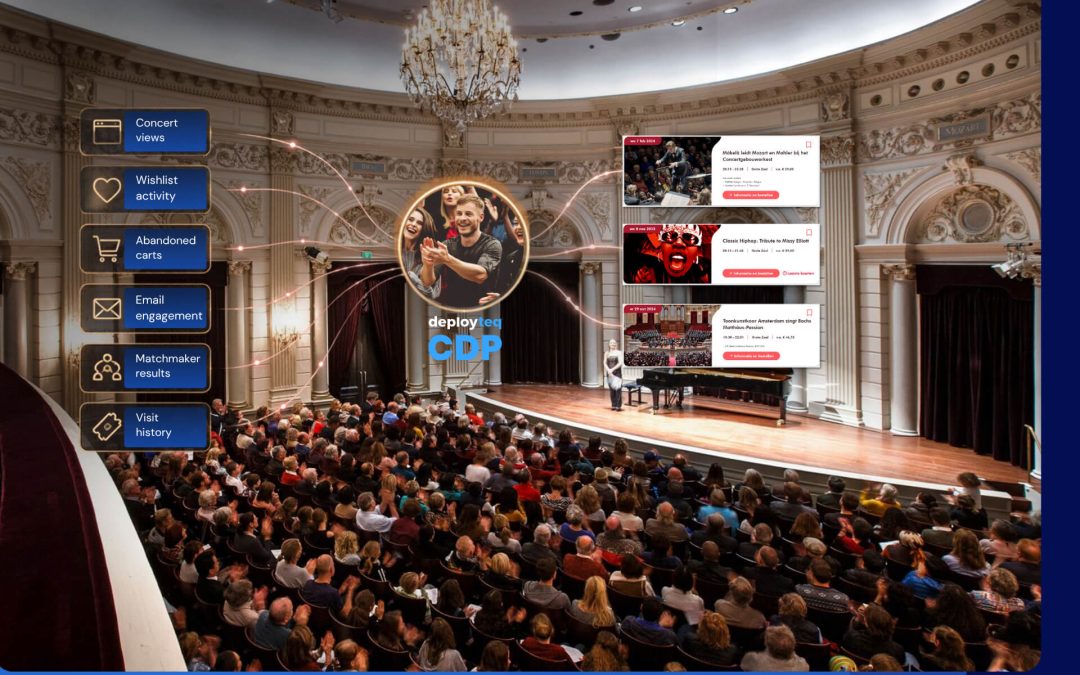
A single customer view (SCV) consolidates every interaction a customer has with your brand into one unified profile. Purchase history, email engagement, browsing behaviour, support contacts, and loyalty activity all sit in one place. That unified layer becomes the foundation for every campaign decision you make.
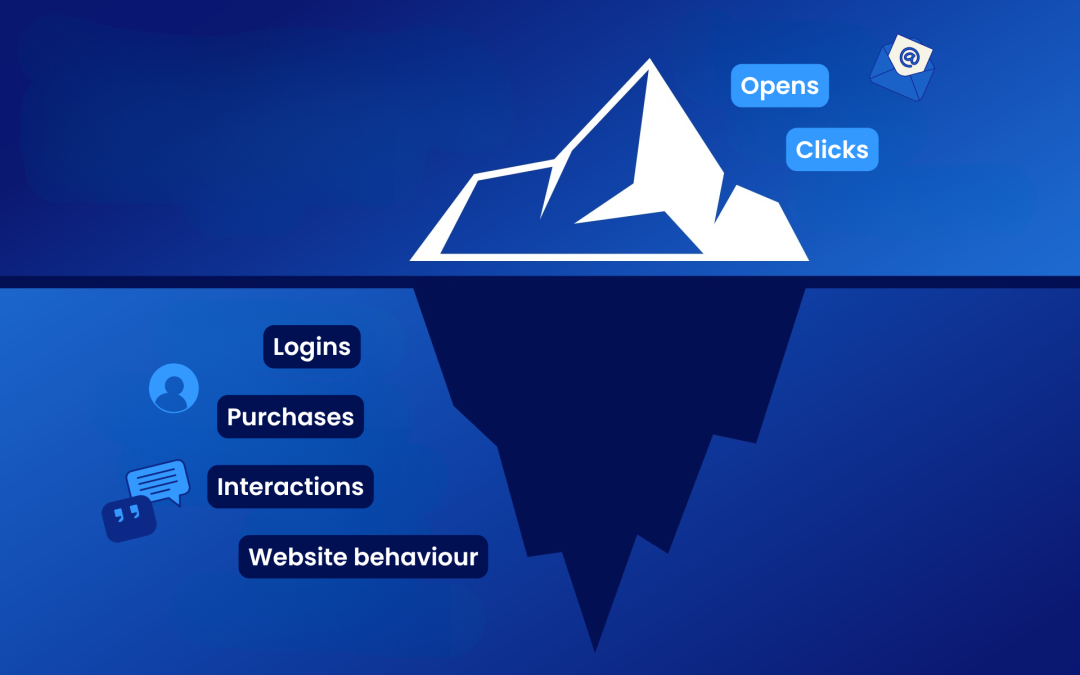
Without it, you are dealing with a scattered customer data problem. One system holds email opens, another holds transactions, and your CRM holds something else entirely. The gap between those systems is where personalisation breaks down and where revenue leaks out. A true SCV closes that gap and gives every team access to the same real-time customer context.
1: Eliminate blind spots across every channel
When data lives in silos, every channel team operates with partial visibility. Your email team does not know what a customer browsed yesterday. Your SMS team does not know they just converted. Those blind spots lead to duplicate messages, conflicting offers, and a disjointed customer experience.
Unifying customer data removes those blind spots entirely. Every channel draws from the same profile, so a customer who purchased this morning is automatically excluded from a promotional push this afternoon. That level of coordination is only possible when your data is consolidated in one place.
2: Build segments that reflect real behaviour
Static segments built on demographic data age quickly. A customer’s behaviour tells you far more about their intent than their postcode or age bracket ever will. A unified data layer lets you build dynamic segments based on actual signals: recency of purchase, frequency of engagement, product category affinity, and channel preference.
For a retail brand, this might mean separating high-LTV loyalists from lapsed buyers who last purchased six months ago, then treating each group with a completely different message and offer. That level of segmentation precision requires clean, consolidated data as its foundation.
3: Personalise content at scale without guesswork
Personalisation at scale is not about adding a first name to a subject line. It is about serving the right content, offer, and channel based on what you actually know about each individual. Without unified data, that kind of personalisation is either guesswork or manual work that does not scale.
With a complete customer profile, you can automate content decisions based on real attributes. A travel brand can serve destination recommendations based on a customer’s last booking window. A finance brand can trigger timely alerts based on a customer’s product usage pattern. The data does the heavy lifting so your team does not have to.
4: Time campaigns to individual customer signals
Timing is one of the most underrated levers in campaign performance. Sending the right message at the wrong moment is nearly as damaging as sending the wrong message entirely. A single customer view gives you the behavioural signals needed to trigger communications at the exact right moment for each individual.
Rather than sending a batch campaign at a fixed time on a Tuesday, you can trigger messages based on real activity: a cart abandoned two hours ago, a loyalty tier reached this morning, or a subscription that expires in seven days. That shift from scheduled to signal-based delivery consistently improves open rates, click rates, and conversion.
5: Reduce churn with predictive insights
Churn rarely happens without warning. Customers typically disengage gradually before they leave, showing up in your data as reduced purchase frequency, declining email engagement, or a drop in app activity. The challenge is spotting those signals early enough to act on them.
A unified customer profile, combined with predictive modelling, makes early churn detection far more reliable. RFM scoring, next-best-offer modelling, and lifecycle stage tracking all depend on having complete, accurate data in one place. When those models have full visibility, your retention campaigns can intervene before a customer is already gone.
6: Improve journey design with full customer context
Journey design decisions are only as good as the data behind them. If you are building a post-purchase journey without knowing what channel a customer came from, what they browsed before buying, or how they have responded to previous communications, you are designing in the dark.
Full customer context lets you build journeys that adapt to where a customer actually is in their lifecycle, not where you assume they are. An entertainment brand can branch a journey differently for a customer who has attended three events versus one who has only ever browsed. That contextual intelligence is what separates a functional journey from a genuinely effective one.
7: Align marketing and CRM around one data source
One of the most common causes of internal friction is teams working from different versions of customer data. Marketing sees one engagement picture, CRM sees another, and the two rarely agree. That misalignment slows decisions, creates inconsistent customer experiences, and makes attribution nearly impossible.
A single customer view solves the scattered customer data problem at an organisational level, not just a technical one. When every team pulls from the same source, conversations shift from “whose data is right?” to “what should we do next?” That alignment improves campaign coordination and makes cross-functional planning significantly more effective. Connecting this to a broader marketing automation strategy means every touchpoint stays consistent and intentional.
8: Measure true campaign impact across touchpoints
Last-click attribution is a blunt instrument. It credits one touchpoint for a conversion that was almost certainly influenced by several others. Without unified data, multi-touch attribution is either impossible or unreliable, which means your budget decisions are based on an incomplete picture.
When all customer interactions are consolidated in one profile, you can see the full journey from first touch to conversion. That visibility lets you accurately assess which channels, messages, and moments actually drove the outcome, and invest accordingly. It also helps you identify the combinations of touchpoints that consistently perform, so you can replicate them at scale.
How Deployteq helps you unify customer data
Deployteq’s Customer Data Platform is built specifically to solve the data unification challenge for B2C marketers managing complex, high-volume customer bases. Here is what it enables in practice:
- Unified customer profiles: Every data point from every channel consolidates into a single, real-time customer view, giving you complete visibility across the full lifecycle.
- Intelligent modelling built in: RFM scoring, next-best-offer recommendations, and predictive insights are available directly within your campaigns, with no separate data science team required.
- Seamless cross-channel activation: Unified data activates directly across email, SMS, WhatsApp, push, and web from one platform, so your segments and triggers stay consistent everywhere.
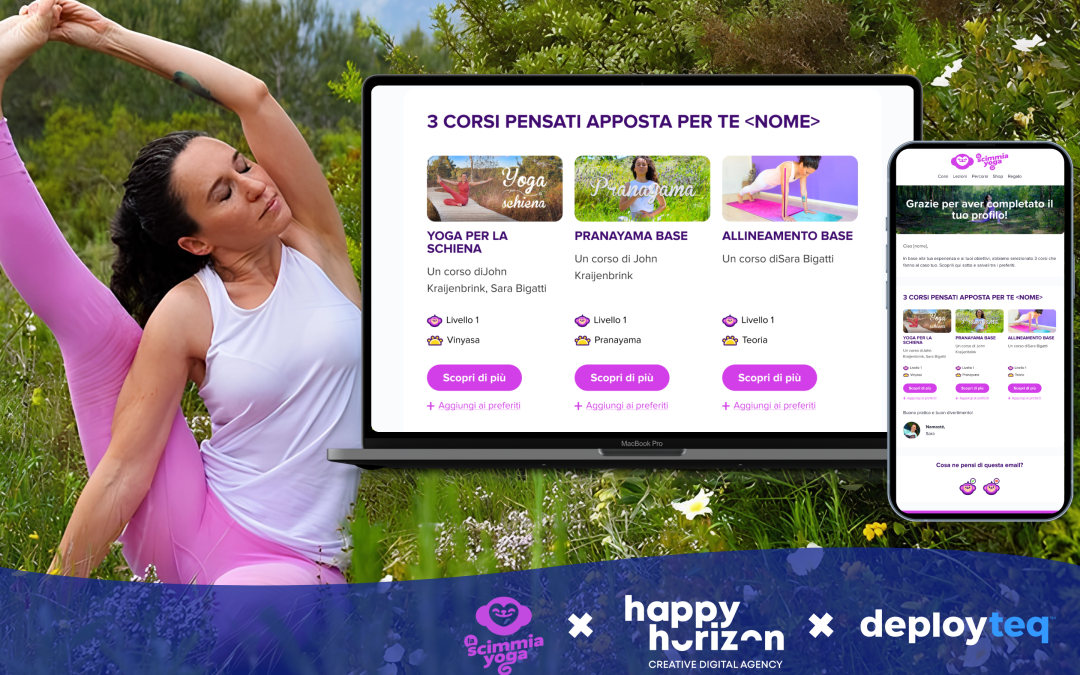
- Hyper-personalised campaign delivery: With a 360-degree customer view, you can build campaigns that respond to individual behaviour rather than broad assumptions.
- Smarter journey design: Full customer context flows directly into the journey builder, so every branch and trigger reflects where a customer actually is, not where a static rule assumes they are.
If your current setup is leaving gaps between your data sources and your campaign execution, it is worth seeing what a purpose-built CDP can do for your team. Book a personalised demo and we will show you exactly how it works in your context.