Scattered customer data is one of the most expensive problems a marketing team can have. When customer information lives across disconnected CRMs, email platforms, ecommerce systems, and ad tools, every campaign you send is built on an incomplete picture. Personalisation suffers, reporting becomes guesswork, and your team spends more time wrangling data than activating it. If you are serious about unifying customer data in 2026, the benefits go far beyond cleaner spreadsheets. Here are eight reasons to act now.
What fragmented customer data is costing your brand
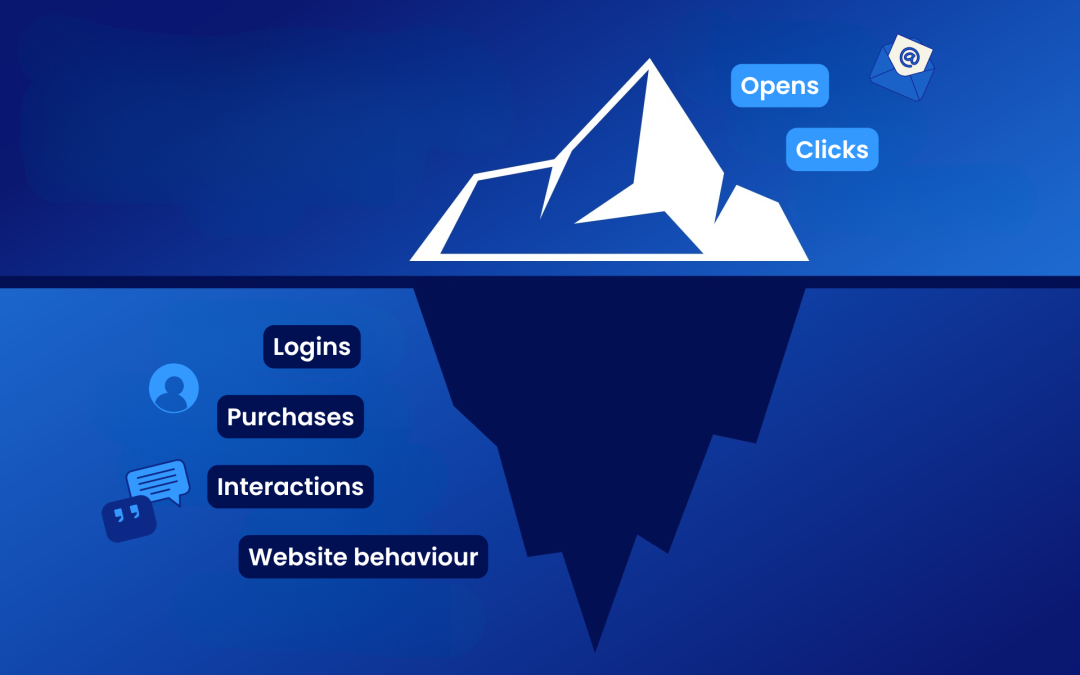
Before exploring the benefits, it is worth naming the problem clearly. Fragmented data does not just slow you down. It actively costs you revenue. When a customer contacts support, browses your site, opens an email, and makes a purchase, those signals rarely talk to each other in a siloed setup. The result is repeated messaging, missed triggers, and campaigns that feel generic rather than relevant.
For marketers in retail, travel, or financial services managing millions of customer interactions, a scattered customer data solution is not a nice-to-have. It is a commercial priority. Every touchpoint you miss is a moment your competitor captures instead.
1: Build a complete single customer view
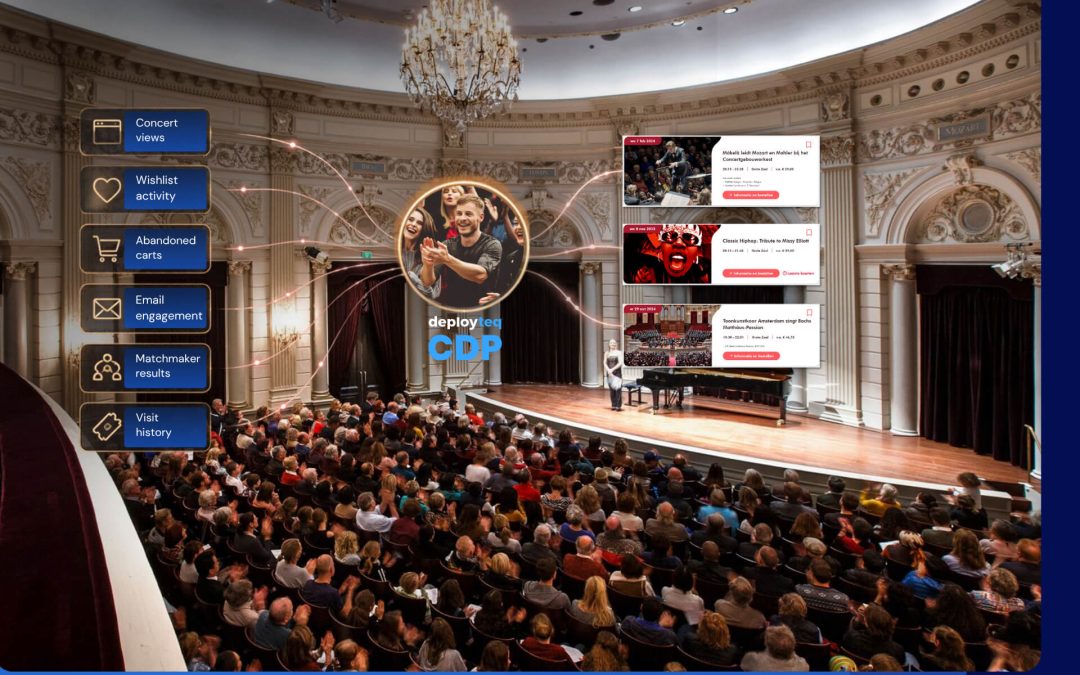
Data unification starts with consolidating everything you know about a customer into one intelligent profile. Purchase history, browsing behaviour, email engagement, loyalty status, support interactions. All of it, in one place.
This single customer view transforms how your team operates. Instead of cross-referencing multiple platforms to understand a customer’s lifecycle stage, you get an instant, accurate picture. That means faster decisions and more confident targeting.
For a retail brand managing millions of SKUs and customer profiles, this is the foundation that makes everything else possible. Without it, even the best campaign strategy falls flat at the execution stage.
2: Sharpen segmentation with richer data signals
When your data is unified, your segments stop being broad and start being precise. Instead of segmenting by purchase frequency alone, you can layer in recency, channel preference, product affinity, and predicted next action.
Richer signals mean you can move beyond simple demographic splits. Build segments based on real behaviour: customers who browsed a category three times but never converted, loyalty members who have not engaged in 60 days, or high-LTV customers approaching a renewal window.
Smart segmentation built on unified customer profiles consistently outperforms broad-list approaches. The more granular your segments, the more relevant your messaging, and the better your conversion rates.
3: Deliver truly personalised cross-channel experiences
Personalisation only works when your data works together. If your email platform does not know what a customer did on your app last night, your morning send is already out of date. Unified data closes that gap in real time.
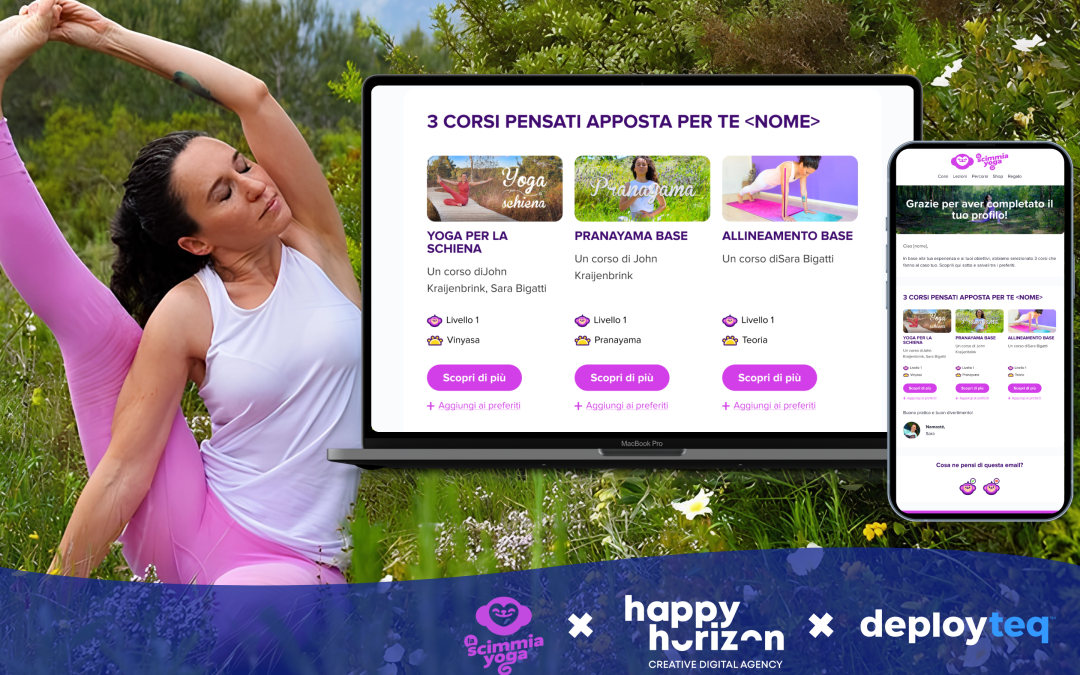
With a complete data picture, you can trigger the right message across email, SMS, WhatsApp, push, and web based on actual customer behaviour. A travel brand, for example, can send a flight upgrade offer via push notification the moment a customer checks in online, informed by their loyalty tier and past booking patterns.
This is what genuine cross-channel personalisation looks like. Not just consistent branding, but contextually relevant content delivered at exactly the right moment on the right channel.
4: Activate predictive insights and smart modelling
Unified data unlocks a layer of intelligence that fragmented systems simply cannot reach. With all your customer signals consolidated, you can apply models like RFM (recency, frequency, monetary value), next-best-offer logic, and churn prediction to every campaign you run.
These models turn historical behaviour into forward-looking action. Instead of reacting to what customers have done, you start anticipating what they will do next. That shift from reactive to predictive is one of the most significant competitive advantages available to modern marketers.
For finance and insurance brands managing complex customer lifecycles, predictive modelling can identify which customers are approaching a product renewal, likely to lapse, or ready to upgrade, long before those moments arrive.
5: Speed up campaign execution with automation
One of the most immediate practical benefits of data unification is speed. When your data is clean, connected, and accessible, you spend less time preparing and more time executing.
Automated journeys can trigger from real data events rather than scheduled batch sends. A customer abandons a cart, their profile updates, and an automated sequence fires within minutes. No manual intervention, no delay, no missed window.
Teams using marketing automation built on unified data consistently report faster campaign build times and higher confidence in the accuracy of their sends. The operational efficiency gains alone often justify the investment in data unification.
6: Improve customer retention and lifetime value
Acquisition is expensive. Retention is where the real margin lives. Unified data gives you the visibility to identify at-risk customers before they churn and act on it with precision.
Loyalty programmes, re-engagement journeys, and win-back campaigns all perform significantly better when they are built on complete customer histories. You can identify the exact moment a customer’s engagement starts to dip and intervene with a relevant, timely offer rather than a generic discount blast.
For entertainment and subscription brands where LTV is the primary growth metric, this capability is transformational. Retaining one high-value customer through smart, data-driven engagement is worth far more than acquiring three low-intent ones.
7: Make smarter decisions with unified reporting
Fragmented data creates fragmented reporting. When your email metrics live in one tool, your web analytics live in another, and your CRM lives in a third, building a true picture of campaign performance becomes a manual, error-prone process.
Unified data means unified reporting. You can see the full customer journey from first touch to conversion, understand which channels contributed at each stage, and make budget and strategy decisions based on complete attribution rather than partial signals.
This matters most at the CMO level, where decisions about channel investment, audience strategy, and campaign prioritisation need to be grounded in reliable, joined-up data. Reporting built on a scattered data foundation will always mislead, even when it looks polished.
8: Stay compliant while maximising data value
Data privacy regulations continue to evolve, and managing consent across fragmented systems is one of the highest-risk areas for marketing teams. When customer preferences and consent records are stored in multiple disconnected places, keeping them accurate and up to date is a genuine compliance challenge.
Unifying your data gives you a single source of truth for consent and preference management. When a customer updates their communication preferences, that change is reflected everywhere, immediately. No lag, no inconsistency, no risk of sending to a customer who has opted out.
Beyond compliance, unified consent data also opens up new personalisation opportunities. Knowing exactly what a customer has opted into lets you maximise the value of every permitted touchpoint rather than defaulting to the lowest common denominator.
How Deployteq helps you unify customer data
We built our Customer Data Platform specifically to solve the scattered customer data problem that holds so many marketing teams back. Here is what it delivers in practice:
- 360-degree customer profiles: Every interaction, transaction, and behavioural signal consolidated into a single, intelligent customer view.
- Smart modelling built in: RFM analysis, next-best-offer logic, and predictive lifecycle insights activated directly within your campaigns.
- Cross-channel activation: Deploy unified data across email, SMS, WhatsApp, push, and web without switching platforms or stitching together integrations.
- Real-time segmentation: Build hyper-personalised segments on the fly using live behavioural signals, not yesterday’s batch data.
- Consent and compliance management: Keep preference records accurate and consistent across every channel from one central place.
Whether you are upgrading from a simpler platform or scaling an existing setup, Deployteq gives your team the data foundation to segment smarter, automate faster, and deliver experiences that actually drive results. Book a self-guided demo and see how it works for your specific use case.