Generic messaging is no longer a strategy. In 2026, customers expect brands to know them, anticipate their needs, and communicate in ways that feel genuinely relevant. AI personalization makes that possible at scale, turning raw behavioural data into timely, tailored experiences across every channel. Whether you’re managing a high-volume retail database or a complex travel loyalty programme, these nine moves will sharpen your approach and deepen customer engagement where it counts.
How AI is reshaping personalization at scale
The shift from rule-based personalization to AI-driven personalization is significant. Traditional segmentation relies on marketers manually defining groups and conditions. AI flips that model by continuously analysing patterns, predicting intent, and adapting content without constant human intervention.
Predictive personalization sits at the heart of this shift. Instead of reacting to what customers have done, AI helps you act on what they are likely to do next. That means fewer generic blasts, more relevant touchpoints, and measurably stronger engagement metrics across your campaigns.
1: Use predictive scoring to prioritize high-value customers
Predictive scoring assigns a likelihood score to each customer based on their historical behaviour, purchase patterns, and engagement signals. It tells you who is most likely to convert, churn, or upgrade before they take action.
For a retail brand, this means identifying which customers are approaching their next purchase window and triggering a targeted offer before a competitor gets there first. For travel, it means recognising high-LTV travellers who are entering a booking cycle and prioritising them in your campaign logic.
Build predictive scoring into your segmentation layer and use it to weight your send frequency, offer depth, and channel selection. High scorers deserve more tailored attention. Low scorers may need re-engagement or suppression to protect deliverability.
2: Deliver dynamic content blocks in every email
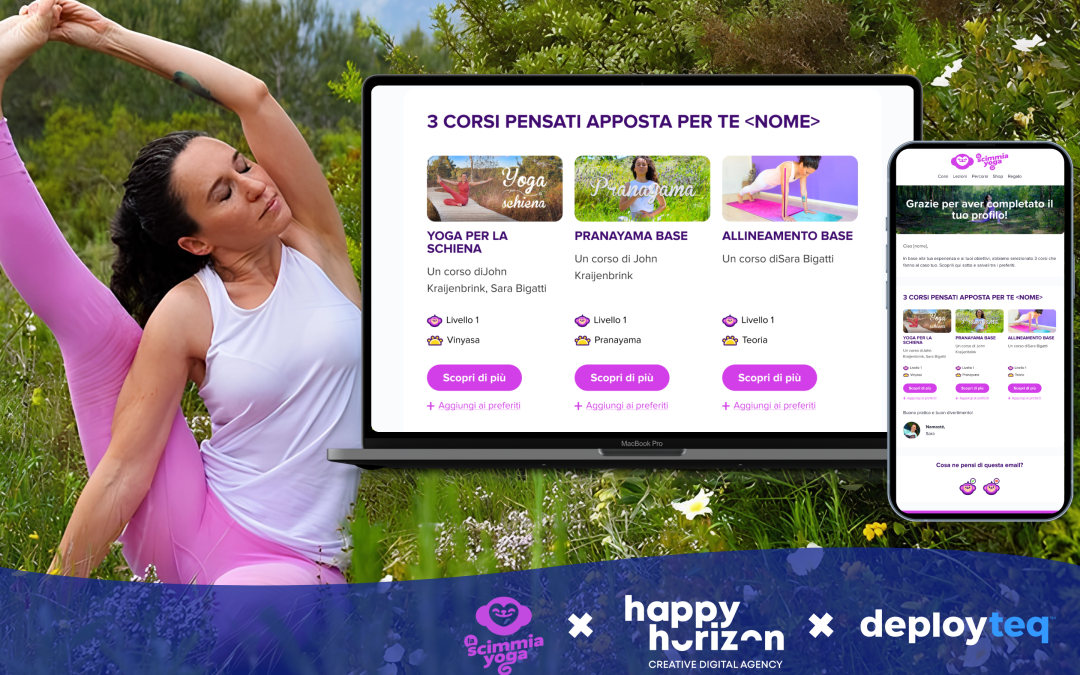
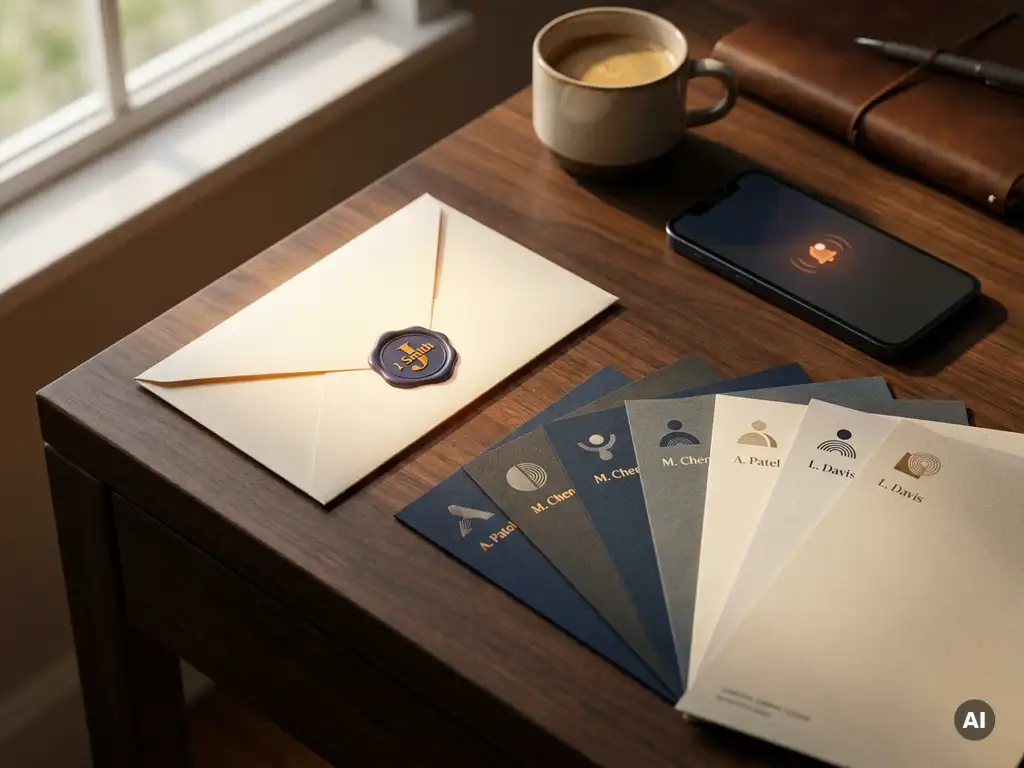
Dynamic content blocks allow a single email template to render differently for every recipient. Product recommendations, hero images, CTAs, and even subject lines can all flex based on individual customer data.
This is particularly powerful for e-commerce brands running large promotional sends. Rather than sending one version of a sale email, each recipient sees products relevant to their browsing history, category preferences, or purchase frequency. Engagement rates respond accordingly.
The key is connecting your email marketing platform directly to your customer data so that content blocks pull live attributes at the moment of send, not at the time of build. Stale data produces stale personalization.
3: Trigger messages from real-time behavioural signals
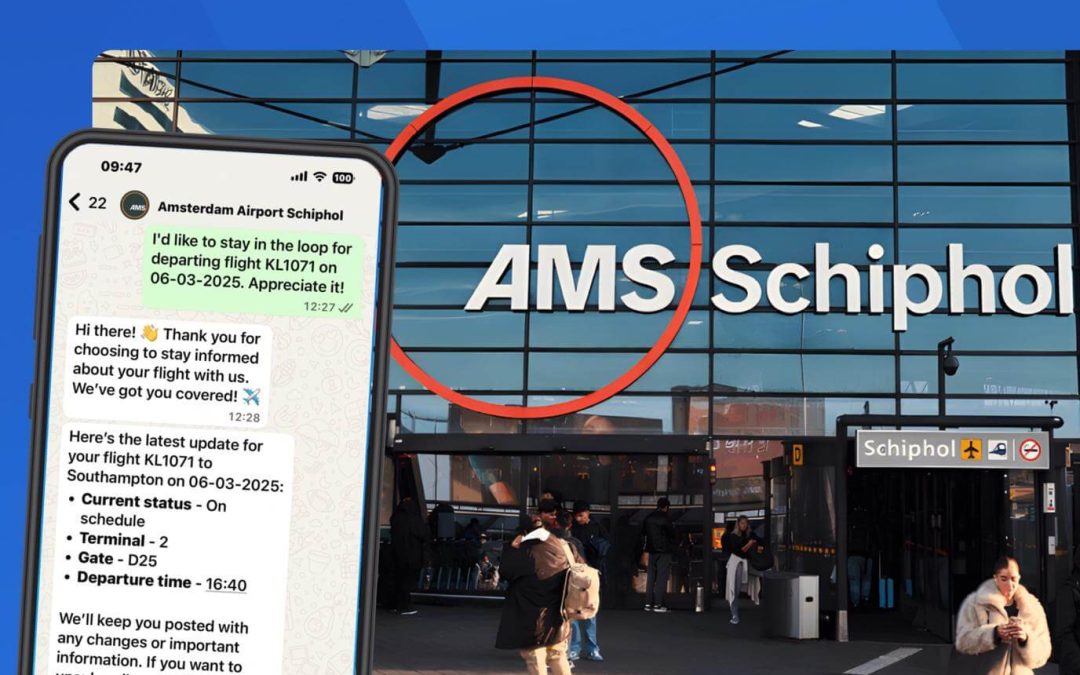
Real-time triggers are among the highest-performing tactics in any personalization playbook. When a customer browses a product page, abandons a basket, or opens an app, that signal has a short window of relevance. Acting on it within minutes dramatically outperforms acting on it hours later.
Set up event-based triggers that fire based on specific actions: a return visit to a pricing page, a loyalty point milestone, or a lapse in engagement after a defined period. Each trigger should map to a pre-built message that speaks directly to that moment.
For finance brands, real-time triggers are especially valuable for trust-building. A timely alert after an account activity or a proactive message during a product application journey reinforces confidence and reduces drop-off.
4: Segment smarter with AI-generated audience clusters
Manual segmentation has limits. You can only create the segments you think to look for. AI-generated clustering surfaces patterns you would never find manually, grouping customers by combinations of behaviour, recency, frequency, and value that reveal genuinely distinct audiences.
RFM modelling is a strong starting point. It segments customers by how recently they purchased, how often, and how much they spend. But AI takes this further by layering in channel preference, content affinity, and lifecycle stage to produce clusters that are both actionable and commercially meaningful.
Use these clusters to inform not just who receives a campaign, but what they receive, when, and through which channel. Smart segmentation is the foundation of every other personalization tactic on this list.
5: Personalize across channels from a single data source
Cross-channel personalization breaks down when customer data lives in silos. If your email platform does not share data with your SMS tool, your push notifications, or your web layer, each channel produces a fragmented experience that feels disconnected to the customer.
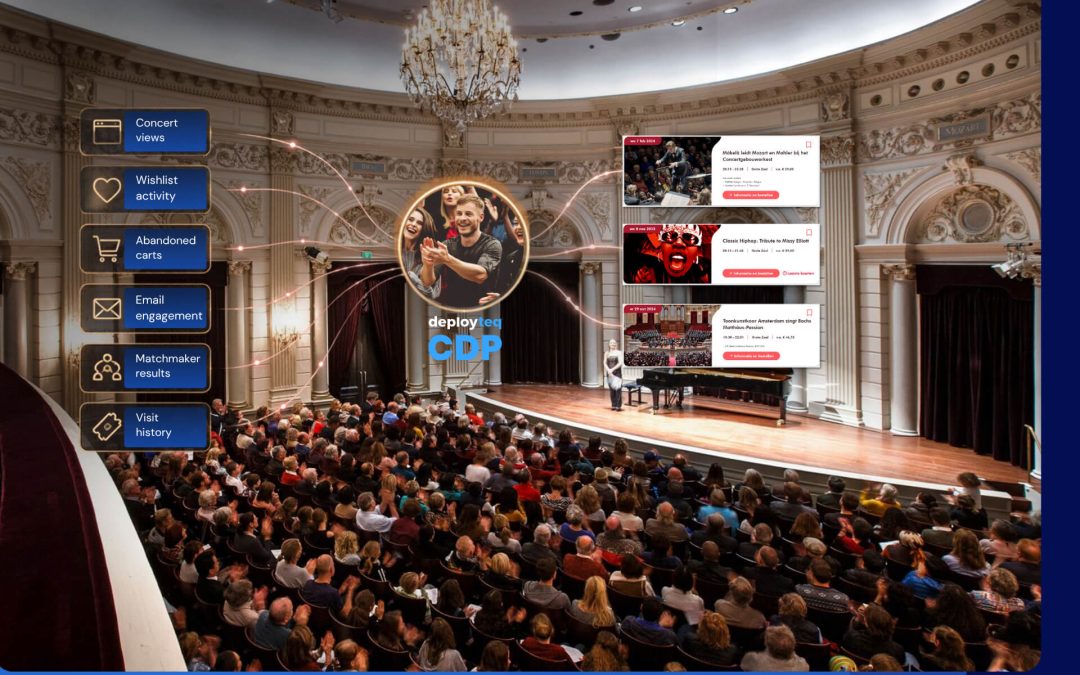
A unified customer data platform solves this by consolidating profiles from every source into a single, actionable record. From there, every channel draws from the same truth. A customer who clicks a promotion in an email and then visits your site should see continuity, not repetition.
For entertainment and media brands managing high-frequency engagement, this single-source approach prevents message fatigue and keeps experiences coherent across app, email, and web simultaneously.
6: Apply next-best-offer logic to cross-sell campaigns
Next-best-offer (NBO) logic uses purchase history, browsing behaviour, and predictive modelling to determine which product or service a customer is most likely to respond to next. It replaces guesswork with data-driven recommendations at the individual level.
In retail, NBO logic powers the “you might also like” experience that drives incremental revenue from existing customers. In travel, it surfaces relevant add-ons, upgrades, or destination suggestions based on a traveller’s previous bookings and stated preferences.
The commercial case is strong. Selling to an existing customer is significantly more efficient than acquiring a new one. NBO logic makes cross-sell campaigns feel like helpful suggestions rather than generic promotions, which improves both conversion and customer satisfaction.
7: Use AI to optimize send times per individual
Send time optimisation (STO) uses historical engagement data to predict the exact time each individual customer is most likely to open and interact with a message. Not the best time for your average subscriber. The best time for that specific person.
This matters more than many marketers realise. Two customers with identical profiles may have completely different engagement windows based on their daily routines, device habits, and content consumption patterns. Sending at the same time to both means one of them receives your message at exactly the wrong moment.
Apply STO across your high-priority campaigns first, particularly re-engagement flows and promotional sends where timing has a direct impact on revenue. Measure open rate and conversion rate separately for STO-enabled sends versus standard sends to quantify the uplift.
8: Build adaptive customer journeys that self-correct
Static journeys follow a fixed path regardless of how a customer responds. Adaptive journeys, powered by AI, monitor engagement at each step and adjust the next action based on what is actually happening, not what you assumed would happen when you built the flow.
If a customer does not open the first email in a sequence, an adaptive journey might switch channel, adjust the message angle, or extend the wait before the next touchpoint. If they engage early and deeply, the journey accelerates toward conversion rather than continuing a slow nurture sequence they no longer need.
This self-correcting logic is especially valuable for complex lifecycle programmes in finance and insurance, where customer needs shift over time and a one-size-fits-all journey quickly becomes irrelevant. Adaptive journeys stay relevant because they respond to real behaviour, not assumed behaviour.
9: What does good AI personalization actually look like?
Good AI personalization feels invisible to the customer. They do not notice the algorithm. They notice that the brand seems to understand them. The product recommendation is relevant. The timing feels natural. The channel matches their preference. The message reflects where they are in their journey.
For a loyalty-driven hospitality brand, this might look like a guest receiving a pre-stay email with personalized activity suggestions based on their previous visits, followed by an in-stay push notification with a relevant upgrade offer, and a post-stay SMS with a loyalty reward tied to their specific tier.
None of those touchpoints feel like automation. They feel like service. That is the standard to aim for. Personalization that earns trust and drives return visits, not personalization that simply inserts a first name into a subject line.
How Deployteq powers your AI personalization strategy
We built Deployteq to give marketing teams the data control and automation capability they need to execute every move on this list, without needing a data science team or a complex stack of disconnected tools.
- Unified customer data: Our CDP consolidates profiles from every source so your campaigns always draw from accurate, up-to-date data across email, SMS, WhatsApp, push, and web.
- Predictive intelligence built in: RFM modelling, next-best-offer logic, and predictive insights are available natively within the platform, ready to activate directly in your campaigns.
- Advanced segmentation: Build real-time, hyper-personalized audience segments without manual data wrangling, and connect them directly to your journey builder.
- Adaptive journey builder: Design customer journeys that respond to real behaviour, with the flexibility to self-correct based on live engagement signals.
- Cross-channel activation: Deliver consistent, personalized experiences from a single platform, across every channel your customers use.
If you are ready to move beyond basic personalization and build a strategy that actually scales, book a demo and see how Deployteq brings these capabilities together in one place.
Turn these moves into a personalization strategy that sticks
The nine moves above work best when they reinforce each other. Predictive scoring informs your segmentation. Smart segments power your dynamic content. Real-time triggers activate your adaptive journeys. A unified data source keeps everything consistent across channels.
Start with two or three of these tactics applied to your highest-value customer segment. Measure the impact on engagement and revenue. Then expand. Predictive personalization is not a one-time project. It is a capability you build over time, and the returns compound as your data and models mature.
The brands winning in 2026 are not the ones with the biggest budgets. They are the ones using their data intelligently to make every customer feel like the message was made just for them. That is the standard. These nine moves are how you get there.