Fragmented data is one of the most common blockers for modern marketers. You know your customers, but your data lives in five different tools, and by the time you pull it together, the moment has passed. A customer data platform solves this by bringing every signal into one place, so you can act on it in real time. These seven quick wins show exactly what becomes possible once your data is unified.
What unified data actually unlocks for marketers
The promise of a CDP is not just cleaner data. It means faster decisions, smarter segments, and campaigns that actually reflect where your customer is in their journey. When every touchpoint feeds into a single customer profile, you stop reacting and start anticipating. Here is what that looks like in practice across seven tangible wins.
1: Stop guessing — segment with real customer data
Segmentation built on assumptions produces average results. When your data is unified, every segment reflects real behaviour: what customers bought, when they browsed, how they responded, and what they ignored.
Instead of broad demographic splits, you can build dynamic segments that update automatically as behaviour changes. A travel brand, for example, can identify customers who browsed long-haul destinations twice in a week but never converted, and treat them very differently from loyal repeat bookers.
Real customer data also removes the manual effort of reconciling lists across tools. Your segments are always current, always accurate, and always ready to activate.
2: Personalise every channel from one data source
Cross-channel personalisation breaks down when each channel pulls from a different data source. Email says one thing, SMS says another, and the customer notices the inconsistency.
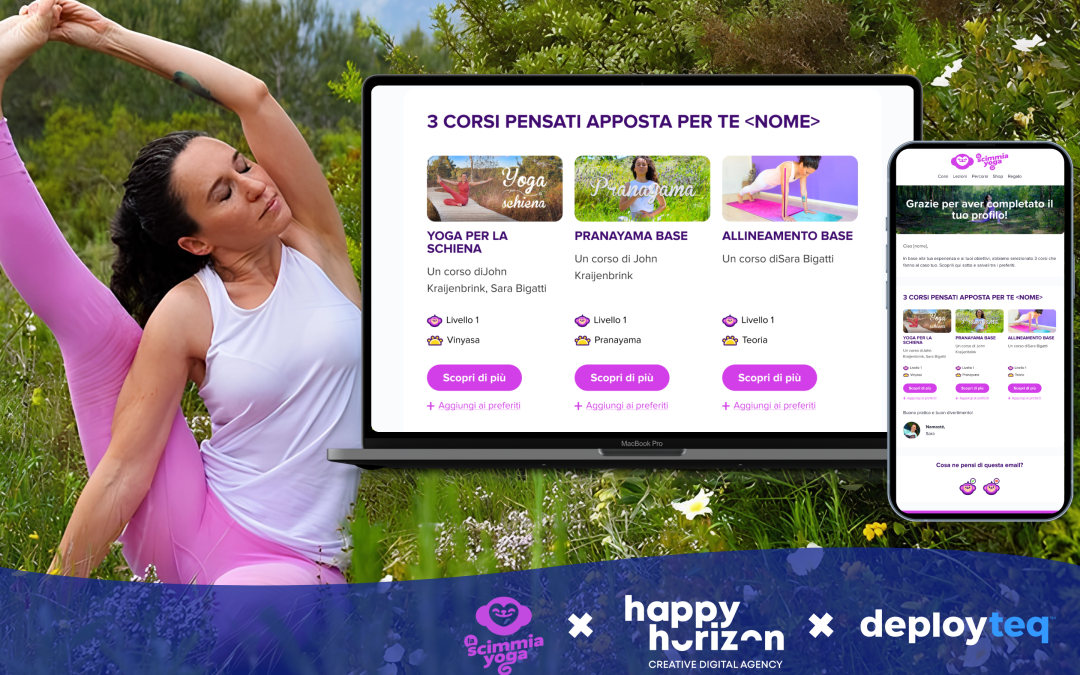
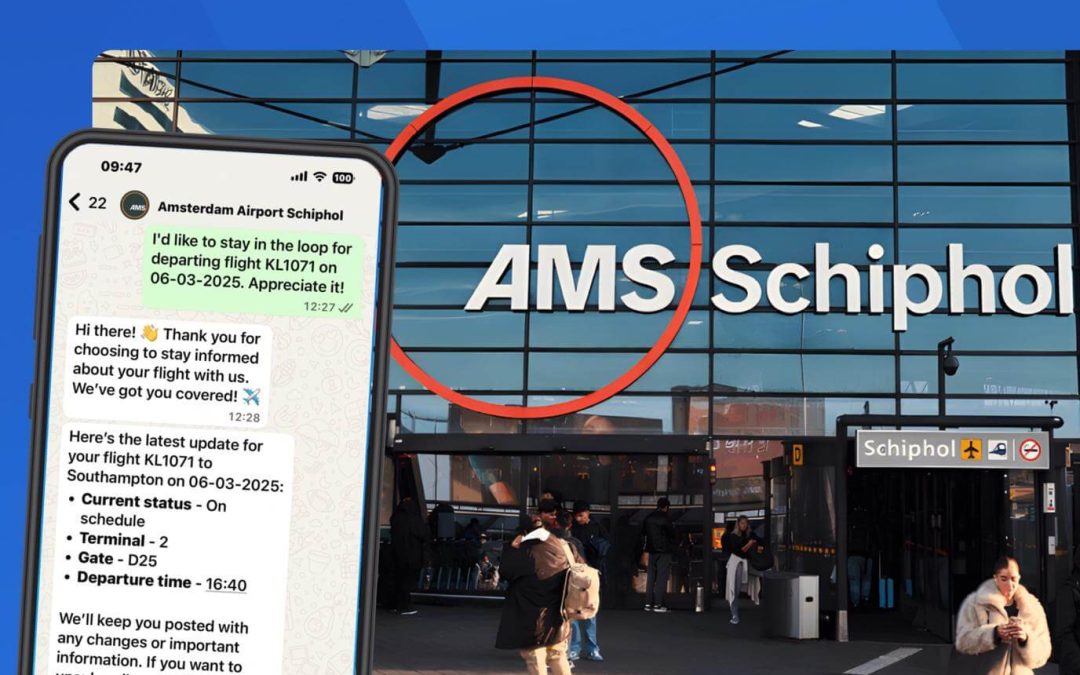
A unified customer data platform powers every channel from the same profile. Whether you are sending an email, a WhatsApp message, or a push notification, the content reflects the same understanding of that customer. A retail brand can serve a cart abandonment email, a follow-up SMS, and a personalised homepage banner, all triggered by the same behavioural event.
This consistency builds trust and drives conversion. Customers feel recognised, not retargeted.
3: Trigger automations the moment behaviour changes
Batch-and-blast campaigns are built around your schedule, not your customer’s. Real-time triggers flip that dynamic entirely.
When your data is unified, a change in behaviour, such as a lapsed customer returning to browse, a loyalty member reaching a new tier, or a subscriber opening three emails in a row, can fire an automation instantly. The message lands when intent is highest, not 48 hours later when the moment has cooled.
For finance and insurance brands, this is especially valuable. A customer researching mortgage options today needs relevant content today, not next Tuesday when the batch campaign runs.
4: Build customer journeys without the data wrangling
Journey builders are only as good as the data feeding them. When you are constantly exporting CSVs, reconciling IDs, and patching gaps between tools, building a sophisticated journey takes days instead of hours.
Unified data removes that friction. Your marketing automation platform has everything it needs to branch, personalise, and adapt journeys without manual data prep. You spend your time designing the experience, not cleaning the inputs.
This matters most for complex lifecycle programmes, such as onboarding sequences, re-engagement flows, or post-purchase nurture tracks, where the logic depends on layered conditions across multiple data points.
5: Spot high-value customers with predictive models
Not all customers are equal, and unified data makes it possible to identify your most valuable ones before they churn or before a competitor does.
Predictive models like RFM (recency, frequency, monetary value) and next-best-offer analysis become genuinely useful when they draw on complete, accurate data. You can identify customers who are showing early signs of disengagement and intervene proactively, or surface your highest-LTV prospects for priority treatment.
For entertainment and hospitality brands running high-frequency engagement programmes, this kind of modelling turns raw data into a competitive advantage. You are not just reacting to behaviour; you are predicting it.
6: Measure campaign impact across every touchpoint
Attribution is notoriously difficult when data is siloed. You know email drove opens, but did it drive conversion? Did the SMS reminder play a role? Without unified data, you are guessing.
A connected data environment lets you trace the full customer journey from first touch to final conversion. You can see which channels contributed, in what order, and at what point the customer made their decision. That clarity changes how you allocate budget and how you design future campaigns.
It also makes reporting faster. Instead of pulling data from four platforms and reconciling it in a spreadsheet, your campaign performance is visible in one place, ready to share with stakeholders.
7: Move faster by cutting tool-switching and data exports
Every time a marketer switches between tools or waits for a data export, momentum is lost. For teams managing high-volume programmes, this overhead adds up quickly.
When your data lives in one platform, operational speed increases significantly. Segments are ready to use. Audiences do not need to be rebuilt. Campaign assets can be activated without waiting for the data team to run a query. You move from insight to execution in a fraction of the time.
For CRM teams under pressure to deliver results in 2026, this speed is not a nice-to-have. It is the difference between capitalising on a moment and missing it entirely.
Where to start connecting your data today
The quickest starting point is identifying where your most valuable customer data currently lives and what it cannot do because it is isolated. Map your key data sources, your email marketing platform, your CRM, your ecommerce or booking system, and ask which customer questions you cannot currently answer because those sources do not talk to each other.
From there, prioritise the use cases with the highest commercial impact. Real-time triggers, predictive segmentation, and cross-channel consistency tend to deliver the fastest returns. Start with one and build from there.
How Deployteq helps you unify your customer data
We built our Customer Data Platform specifically for marketers who need to act on data, not just store it. Here is what you get from day one:
- A 360-degree single customer view that consolidates all touchpoints into one intelligent profile
- Built-in predictive modelling including RFM, next-best-offer, and full lifecycle insights
- Direct activation across every channel, including email, SMS, WhatsApp, push, and web, without leaving the platform
- Smart segmentation that updates in real time as customer behaviour changes
- No data wrangling, your journeys and campaigns draw from the same unified source automatically
Whether you are upgrading from a simpler tool or consolidating a fragmented stack, Deployteq gives your team the data infrastructure to move faster and personalise smarter. Book a demo and see how connected data changes what your campaigns can do.