Scattered customer data is one of the most common blockers for marketers who want to deliver genuinely personalised experiences. When your customer information lives in five different systems, none of them talk to each other, your segmentation suffers, your targeting gets blurry, and your campaigns feel generic. In 2026, that is simply not good enough.
Knowing how to unify customer data is no longer a nice-to-have skill. It is the foundation of every high-performing CRM and cross-channel strategy. Whether you are dealing with a scattered customer data solution challenge or starting a full data unification project from scratch, these five steps will get you there.
What a single customer view unlocks for marketers
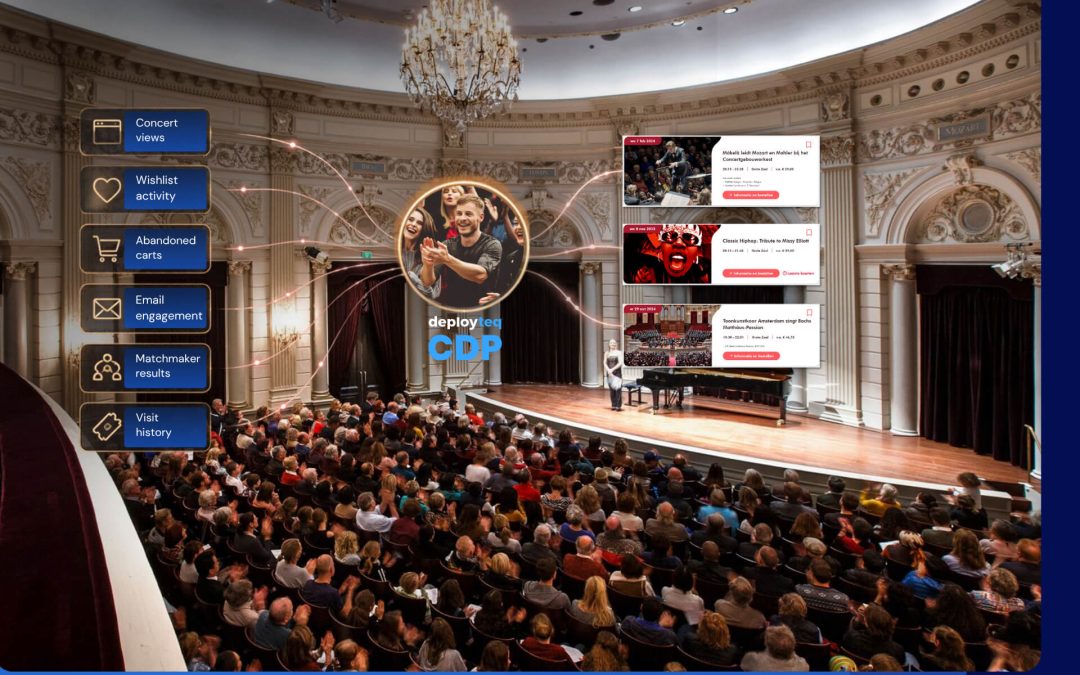
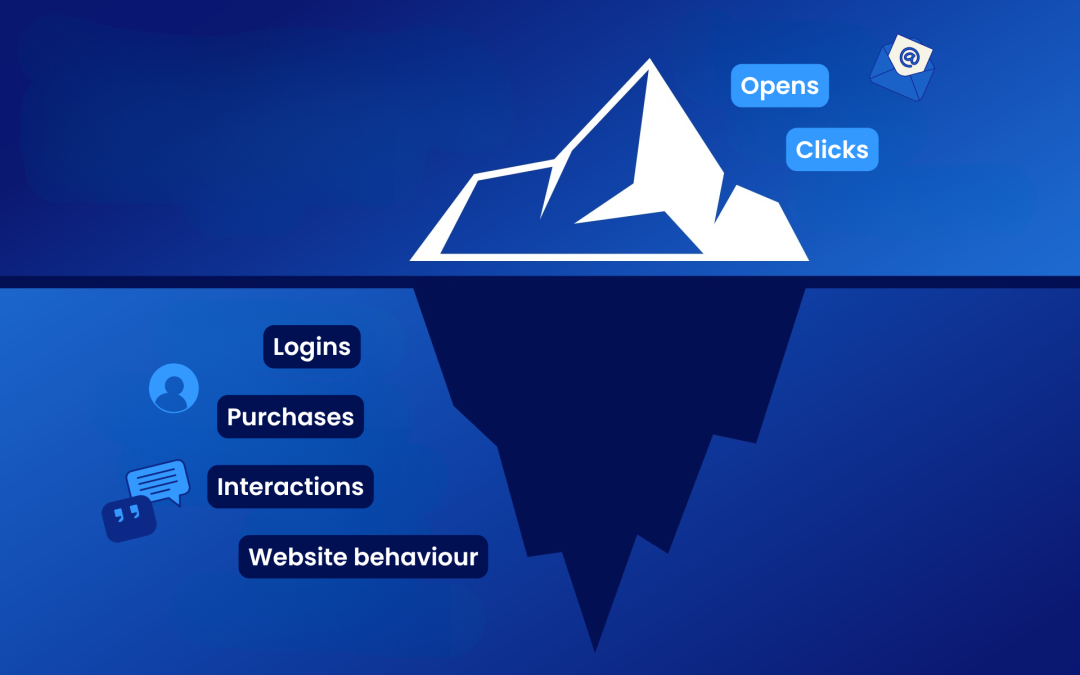
A single customer view (SCV) is exactly what it sounds like: one unified profile per customer, built from every touchpoint, transaction, and interaction across your business. When you have it, everything changes.
Segmentation becomes sharper. Triggers become more timely. Personalisation moves from “first name in subject line” to genuinely relevant content based on real behaviour. For a retail brand, that might mean sending a restock alert only to customers who browsed that product twice in the last week. For a travel brand, it means knowing a customer books city breaks in autumn and targeting them at exactly the right moment in the booking window.
Without a unified view, you are essentially guessing. With it, you are making decisions based on data you can actually use.
1: Audit and map every customer data source
Before you can unify anything, you need to know what you are working with. Start by listing every system that holds customer data: your CRM, e-commerce platform, email tool, loyalty programme, POS system, mobile app, and any third-party integrations.
For each source, document what data it holds, how often it updates, and who owns it internally. This audit will almost certainly surface duplicates, gaps, and inconsistencies you did not know existed. That is not a problem. It is progress.
Map the relationships between sources. Which system is the most up-to-date record for purchase history? Which one holds the most accurate contact preferences? Understanding these hierarchies now saves you from data conflicts later in the process.
2: Define a universal customer identifier
This is the step most teams skip, and it is the one that causes the most pain downstream. A universal customer identifier (UCI) is the single key that links a customer’s records across every system. Without it, your unified profile falls apart the moment the same person appears under two different email addresses or customer IDs.
Your UCI could be an email address, a loyalty number, a hashed phone number, or a custom internal ID. The format matters less than consistency. Every system feeding into your unified view needs to reference the same identifier.
Define your UCI early, communicate it across your data and tech teams, and build your unification logic around it. This single decision determines how clean and reliable your unified customer profiles will be at the end of the process.
3: Centralise data with a CDP or data layer
Once you know what data you have and how to identify customers across systems, you need somewhere to bring it all together. This is where a Customer Data Platform or a well-architected data layer becomes essential.
A CDP ingests data from multiple sources, resolves identities, and creates persistent customer profiles that update in real time. Unlike a data warehouse, which is built for analysis, a CDP is built for activation. It connects directly to your marketing automation tools so that your unified data can power campaigns immediately.
If a full CDP is not yet in scope, a centralised data layer or middleware solution can serve as an interim step. The goal is the same: one place where all customer data converges, with clean APIs feeding it out to the tools that need it.
4: Clean and deduplicate your customer records
Centralising data does not automatically make it good data. Most organisations discover a significant number of duplicate records, outdated contact details, and conflicting attribute values once everything is in one place. Cleaning this is not glamorous work, but it is non-negotiable.
Start with deduplication. Use your UCI to merge records that belong to the same customer. Then work through data quality rules: standardise date formats, validate email addresses, flag records with missing key attributes, and establish rules for which system wins when two sources conflict on the same field.
Build data quality into your ongoing process, not just the initial migration. Set up validation rules at ingestion so that new data entering your unified profile meets the same standards from day one. Clean data compounds over time. Dirty data does too.
5: Activate the single customer view across channels
A unified customer profile sitting in a database is not doing any work. The value of your SCV is entirely dependent on how well you activate it across your channels. This is where the investment pays off.
Use your unified profiles to power real-time segmentation. Build segments based on full-lifecycle behaviour, not just the last email click. Trigger campaigns based on cross-channel signals: a customer who browses a product on your app and then opens a promotional email is showing strong intent. Your SCV lets you see that connection and act on it.
Push your unified data into your email marketing platform, SMS tool, push notification service, and web personalisation layer. The more channels that draw from the same profile, the more coherent and relevant the experience feels to the customer. That coherence is what drives LTV.
How Deployteq helps you unify customer data
Deployteq’s newly launched Customer Data Platform is built specifically for marketers who are done working around their data limitations. Here is what it gives you out of the box:
- 360-degree customer profiles that pull together behavioural, transactional, and demographic data into a single, visual view
- Intelligent modelling including RFM scoring, next-best-offer predictions, and full lifecycle insights, all available directly within your campaigns
- Seamless cross-channel activation across email, SMS, WhatsApp, push, and web, without needing to export data between tools
- Real-time segmentation that updates dynamically as customer behaviour changes, so your targeting is always based on current data
- Direct integration with Deployteq’s journey builder, so unified data flows straight into your automation logic
We built this for CRM teams and marketing managers who need data they can actually use, not just data they can report on. If you are ready to move from scattered data to a genuine single customer view, explore our Customer Data Platform or book a demo to see it in action.
Turn unified data into smarter marketing outcomes
Building a single customer view is a project, not a switch you flip. But each of these five steps moves you meaningfully closer to the kind of data foundation that makes everything else in your marketing stack work better.
Start with the audit. Lock in your universal identifier. Centralise, clean, and then activate. The marketers who do this well are the ones who stop guessing and start delivering experiences that genuinely connect with customers at every stage of the lifecycle.
Unified data is not the end goal. It is the engine that powers every smart marketing outcome you are trying to achieve.