Marketing automation is a powerful tool. But as customer expectations rise and journeys grow more complex, many teams hit a ceiling. Automated email sequences and scheduled campaigns only go so far. A customer engagement platform picks up where traditional marketing automation leaves off, turning one-way broadcasts into genuine, data-driven conversations that span the entire customer lifecycle.
Here are 11 things a customer engagement platform does that standard marketing automation simply cannot match.
Where marketing automation ends and engagement begins
Most marketing automation tools are built around campaigns: define an audience, build a sequence, send, repeat. That model works well for predictable, linear journeys. But modern customers do not move in straight lines. They browse across devices, switch channels mid-journey, and expect brands to keep up without being prompted.
A customer engagement platform is built around the customer, not the campaign. It connects behavioral data, channel interactions, and transactional history into a single, continuously updated profile. That shift, from campaign-centric to customer-centric, is where the real capability gap opens up.
1: Unifies customer data across every touchpoint
Standard marketing automation typically pulls from a single source, usually an email list or CRM export. A customer engagement platform ingests data from every touchpoint: web, app, in-store, call center, and third-party integrations. That data is unified into one persistent customer profile, not siloed by channel or campaign.
For a retail brand managing millions of SKUs and customer interactions, this means a single customer record that reflects a browsed product, an abandoned cart, a loyalty redemption, and a support ticket, all in one place. Decisions get smarter because the data is complete.
2: Delivers true omnichannel orchestration
Sending emails, SMS, and push notifications from separate tools is multichannel. Omnichannel orchestration means those channels talk to each other, suppressing a push notification when an email has already converted, or escalating to WhatsApp when a time-sensitive booking window is closing.
A customer engagement platform coordinates these decisions in real time, based on customer behavior and channel preference, not a manually configured send schedule. The result is communication that feels joined up rather than repetitive.
3: Enables real-time, behavior-triggered responses
Batch-and-blast automation runs on schedules. Customer engagement platforms run on signals. When a travel customer views a destination page three times in 24 hours, that behavior triggers a personalized message instantly, not at the next scheduled send window.
Real-time triggers are the difference between a timely nudge and a message that arrives too late to matter. For high-intent moments, like an abandoned cart, a price drop on a watched item, or a loyalty point milestone, speed is the conversion lever. You can explore how marketing automation supports these trigger-based journeys at scale.
4: Builds dynamic segments that update automatically
Static segments go stale the moment they are exported. A customer engagement platform builds segments that refresh continuously based on live behavioral and transactional data. A customer who makes their third purchase this month moves automatically into a high-LTV segment. One who lapses drops into a re-engagement flow without anyone manually reassigning them.
This is smart segmentation in practice: the right message reaches the right person because the platform knows who they are right now, not who they were last Tuesday.
5: Applies predictive modelling to customer decisions
Beyond segmentation, customer engagement platforms use predictive modelling to anticipate what a customer is likely to do next. RFM scoring, next-best-offer recommendations, and churn probability scores all inform which message to send, when to send it, and what incentive to include.
For a finance brand managing complex product lifecycles, this means identifying which customers are approaching a renewal window and which are at risk of switching, before they signal it explicitly. Prediction turns reactive marketing into proactive engagement.
6: Personalises content at an individual level
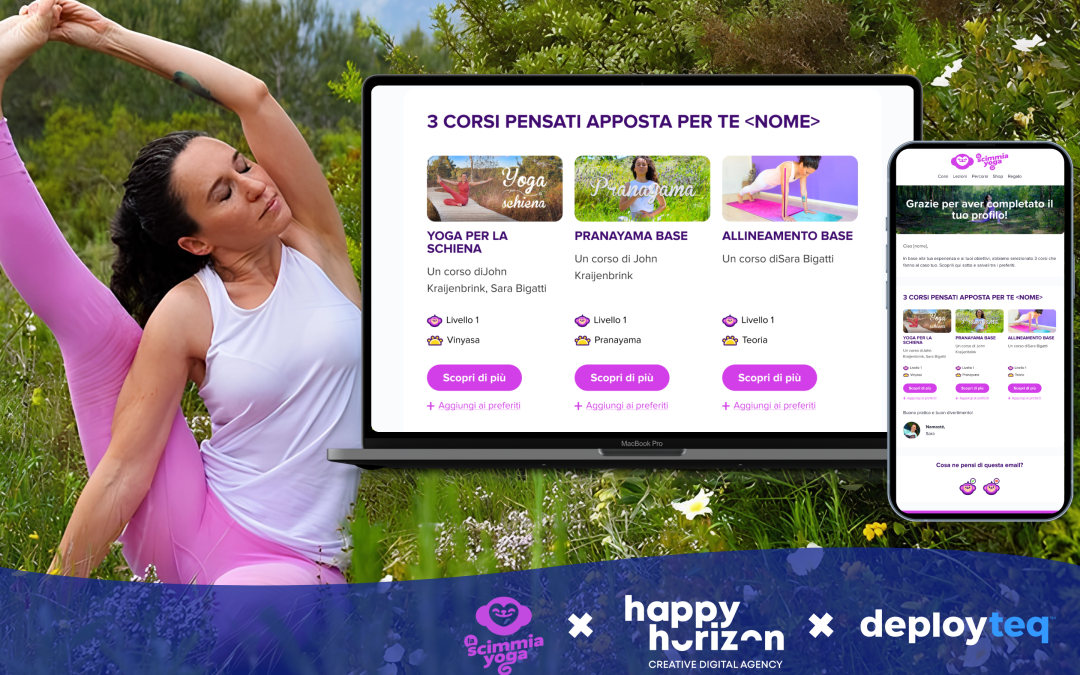
Merge tags and first-name personalisation are table stakes. A customer engagement platform personalises at the level of individual content blocks: product recommendations, images, offers, and copy that adapt based on each recipient’s profile, purchase history, and real-time context.
An entertainment brand sending a weekly newsletter can surface different content to a family subscriber, a solo traveler, and a loyalty member, all from a single campaign build. Hyper-personalised email at this level requires dynamic content logic that standard automation tools rarely support natively.
7: Manages the full customer lifecycle, not just campaigns
Marketing automation excels at campaign execution. Customer engagement platforms are designed to manage the entire lifecycle: acquisition, onboarding, activation, retention, loyalty, and win-back. Each stage has its own logic, triggers, and success metrics, all managed within a single platform.
For a hospitality brand, this means a customer who books their first stay enters an onboarding journey, progresses into a loyalty nurture track after their second visit, and receives a win-back sequence if they go quiet for 90 days. No manual handoffs. No campaign gaps.
8: Supports two-way conversational channels
Email and push notifications are inherently one-directional. Customer engagement platforms extend into conversational channels like WhatsApp and SMS, where customers can reply, confirm preferences, or complete actions within the message thread itself.
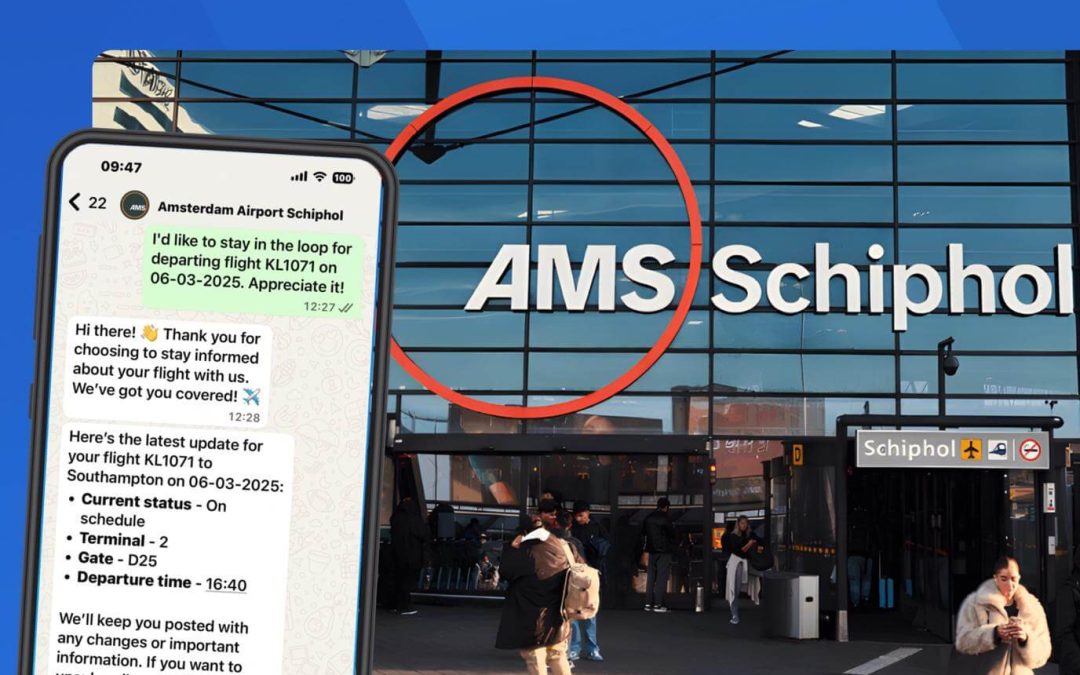
This matters enormously for time-sensitive use cases: a flight delay notification that allows a customer to rebook via reply, or a finance alert that requests confirmation before processing a transaction. Two-way channels turn communication into a service touchpoint.
9: Provides a unified view of campaign performance
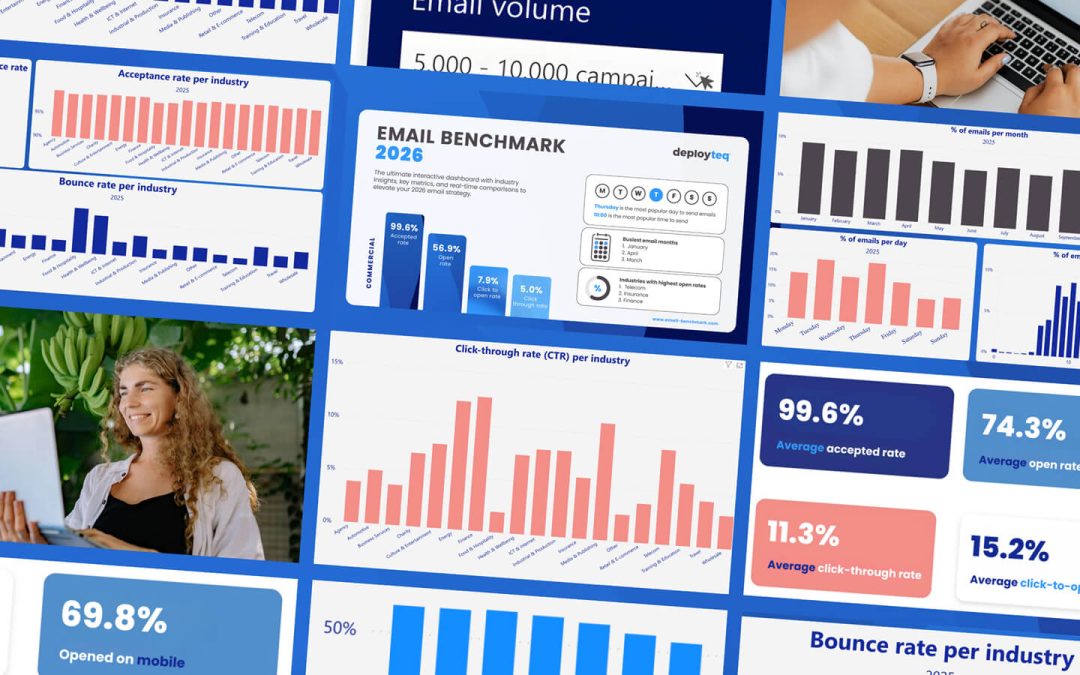
When campaigns run across separate tools, performance data lives in separate dashboards. A customer engagement platform consolidates reporting across every channel into a single view, so you can see how email, SMS, push, and web interactions contribute to the same customer outcome.
That unified view makes attribution cleaner and optimization faster. Instead of asking which channel performed best in isolation, you can ask which combination of touchpoints drove the highest LTV, and build your next journey accordingly.
10: Integrates directly with CRM and commerce systems
A customer engagement platform is not a standalone tool. It connects directly with CRM platforms, e-commerce engines, loyalty systems, and data warehouses via API, ensuring that customer data flows in both directions without manual exports or batch syncs.
For a retail brand, this means a purchase made in-store updates the customer profile instantly, triggering a post-purchase journey that reflects the actual product bought rather than a generic thank-you sequence. Integration depth determines how useful the platform actually is in practice. The customer data platform layer is what makes this kind of real-time connectivity possible.
11: Scales personalisation without scaling complexity
As your customer base grows, maintaining personalisation manually becomes impossible. A customer engagement platform scales personalisation through smart logic, dynamic content, and automated decision-making, so a team of three can deliver individually relevant experiences to three million customers without rebuilding every journey from scratch.
The key is a platform architecture that separates content templates from audience logic. Build the framework once, let the data do the personalisation work, and focus your team’s time on strategy rather than production.
Choosing the right platform for your growth stage
The gap between marketing automation and a customer engagement platform is not just a feature list. It is a fundamental difference in how you think about customer relationships. Automation is about efficiency. Engagement is about relevance, consistency, and long-term value.
If you are managing high-volume customer bases across multiple channels and finding that your current tool cannot keep up with the complexity of your journeys, that is a clear signal you have outgrown basic automation. The right platform should unify your data, support every channel your customers use, and give your team the tools to act on insight in real time, without requiring a team of developers to make it work.
Consider where your current bottlenecks sit. Is it data fragmentation? Segmentation limitations? A lack of real-time triggers? Identifying the specific capability gap makes it easier to evaluate platforms against your actual needs rather than a generic feature checklist.
How Deployteq helps with customer engagement and marketing automation
We built Deployteq to bridge exactly this gap. Whether you are scaling up from a simpler tool or consolidating multiple platforms into one, Deployteq gives you the infrastructure to deliver genuinely personalized, cross-channel experiences without the complexity that usually comes with it.
- Unified customer data: Our CDP consolidates customer profiles across every touchpoint, giving you data you can actually use for real-time decision-making.
- Omnichannel journeys: Build and automate across email, SMS, WhatsApp, push, and web from a single journey builder, no separate tools required.
- Predictive modelling: RFM scoring, next-best-offer logic, and churn prediction built directly into the platform, so your segments get smarter over time.
- Advanced email personalisation: Dynamic content blocks, smart segmentation, and on-brand templates that scale hyper-personalised messaging without multiplying your workload.
- Direct integrations: Connect with your CRM, e-commerce platform, and data warehouse via API, keeping customer profiles fresh and your journeys accurate.
Trusted by brands like Wickes, Virgin Media, and Center Parcs, we help marketing teams move faster, segment smarter, and deliver content that drives real results. Ready to see it in action? Book a demo and explore what Deployteq can do for your customer engagement strategy.