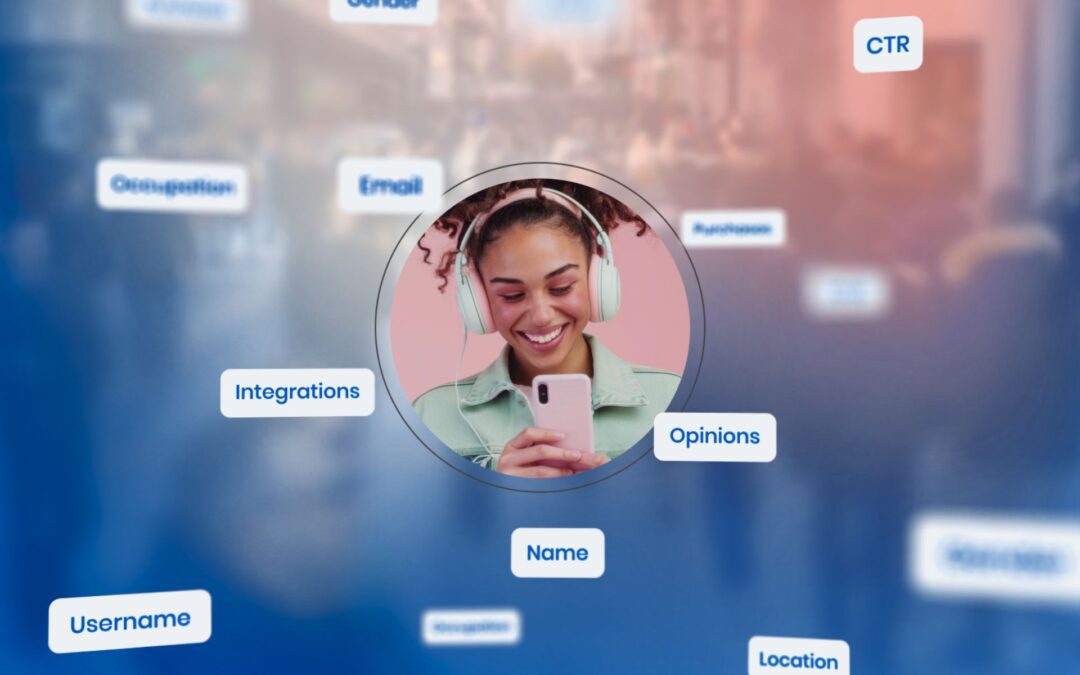
A CDP improves marketing personalisation by unifying all your customer data into a single, actionable profile and using that complete picture to deliver the right message to the right person at the right moment. Instead of relying on fragmented data spread across disconnected tools, a marketing CDP gives you a real-time, 360-degree view of every customer. Below, we unpack the key questions marketers ask when evaluating a CDP for personalisation.
What data does a CDP use to personalise marketing?
A CDP pulls together behavioural, transactional, demographic, and engagement data from every touchpoint a customer has with your brand. This includes website visits, purchase history, email interactions, app activity, loyalty status, and even offline data. The result is a unified customer profile that reflects who the customer actually is, not just what one channel recorded about them.
This matters because disconnected marketing data is one of the most common blockers to effective personalisation. When your email platform only sees email opens, and your ecommerce platform only sees purchases, neither tool has the full story. A CDP connects those dots, so your personalisation decisions are based on complete context rather than partial signals.
- Behavioural data: pages visited, products browsed, time on site
- Transactional data: purchase history, order value, frequency
- Engagement data: email opens, clicks, SMS responses, push interactions
- Demographic and preference data: location, loyalty tier, declared preferences
- Predictive signals: churn likelihood, next-best-offer modelling, LTV scores
When all of this feeds into one profile, your marketing data becomes genuinely actionable rather than a reporting exercise.
How does a CDP create personalised customer segments?
A CDP creates personalised segments by applying rules, models, and real-time triggers to unified customer profiles. Rather than static lists built on a single attribute like age or location, CDP-driven segments are dynamic and multi-dimensional. They update automatically as customer behaviour changes, so your campaigns always reflect current intent.
For a retail brand, this might mean a segment that captures customers who have browsed a specific category three or more times in the past seven days but have not yet purchased. For a travel brand, it could be loyalty members whose booking window is approaching based on historical travel patterns.
Intelligent modelling takes segmentation further. RFM (Recency, Frequency, Monetary) analysis groups customers by how recently they bought, how often they buy, and how much they spend. Next-best-offer models predict which product or promotion each individual is most likely to respond to. These are not manual processes; the CDP runs them continuously across your entire customer base.
The practical output is smarter segmentation that scales. You stop sending the same message to your entire list and start activating hyper-personalised campaigns that reflect where each customer actually is in their lifecycle.
Which marketing channels benefit most from CDP personalisation?
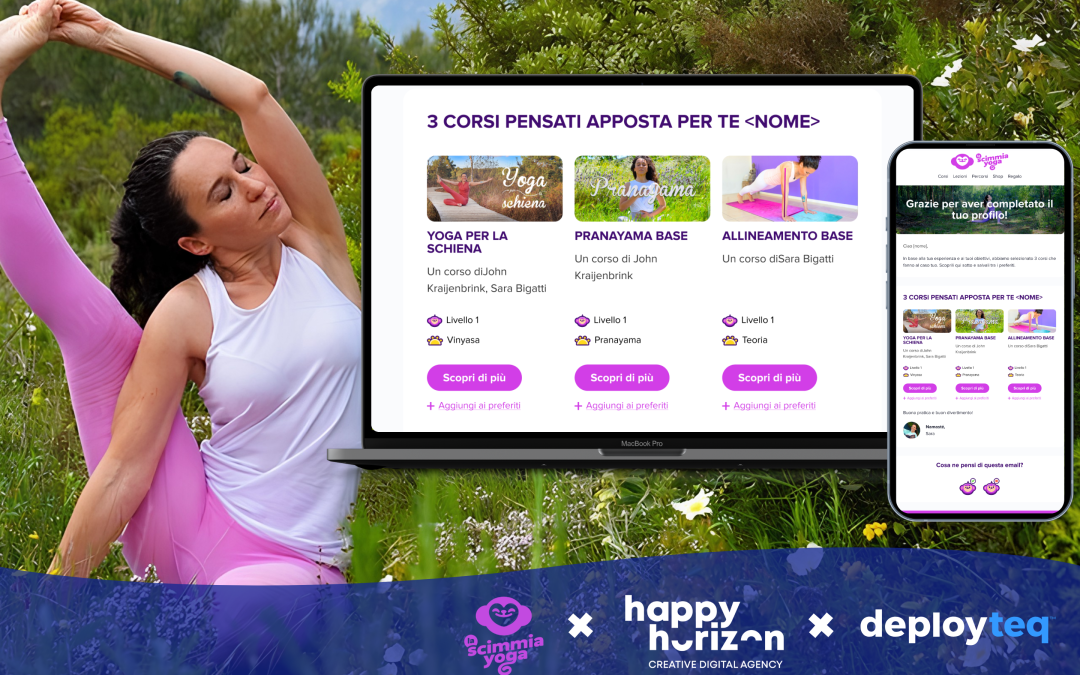
Every channel benefits, but email, SMS, push notifications, and web personalisation see the most immediate lift when powered by a CDP. These are high-frequency, one-to-one channels where relevance directly drives performance. When your email marketing platform is connected to unified customer data, you can trigger messages based on real behaviour rather than scheduled sends.
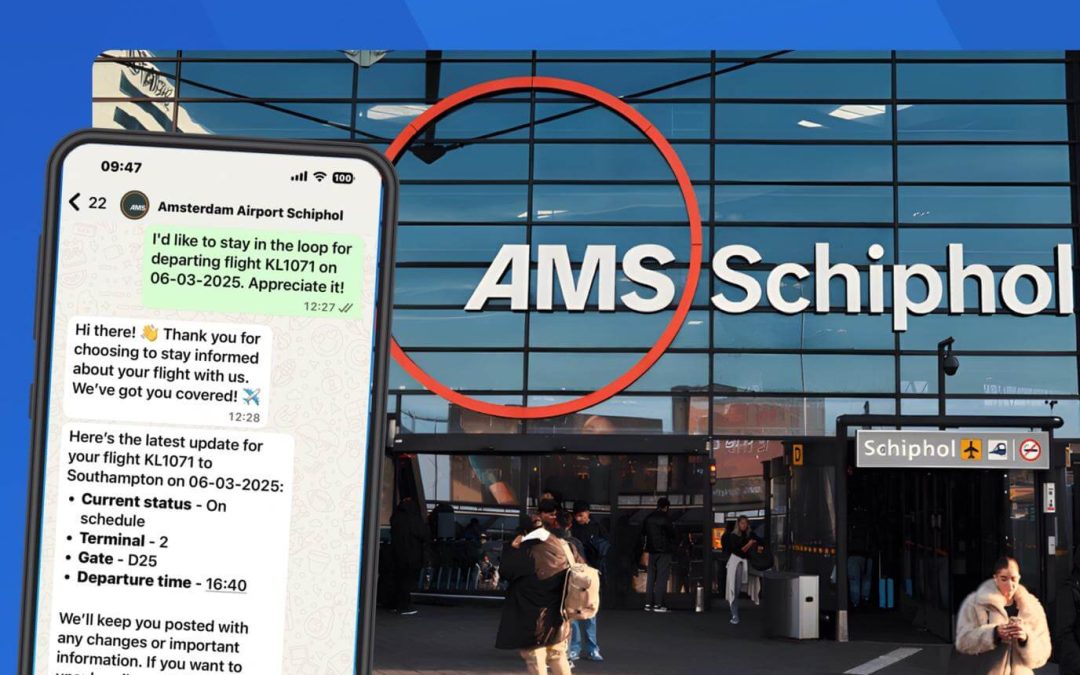
Email benefits because it allows rich, personalised content blocks that adapt to individual preferences, purchase history, and lifecycle stage. SMS and WhatsApp benefit because their high open rates are best leveraged when the message is genuinely relevant, not generic. Push notifications benefit because timing and context are everything, and a CDP provides both.
Web personalisation is a channel that many brands underutilise. With CDP data feeding your website, you can serve different homepage banners, product recommendations, or offers based on who is actually browsing. A returning loyalty customer sees something different from a first-time visitor, automatically.
Social and paid channels also gain from CDP integration. Syncing CDP segments to paid media platforms means your retargeting audiences are based on real customer data rather than pixel-only tracking, which improves both relevance and spend efficiency.
What’s the difference between a CDP and a CRM for personalisation?
A CRM manages relationships and records, while a CDP activates data in real time for personalised marketing execution. A CRM is primarily a tool for sales teams and customer service, storing contact records, deal stages, and communication history. A CDP is built for marketers who need to act on data at scale and speed.
The key distinction is in how each system handles data and what it does with it. A CRM holds structured, manually entered data about known contacts. A CDP ingests data from dozens of sources automatically, including anonymous behavioural data, and resolves it into unified profiles that update in real time.
For personalisation specifically, a CRM can tell you that a customer bought something six months ago. A CDP can tell you that the same customer browsed a related product yesterday, opened an email this morning, and has an LTV score that puts them in your top 20% of customers. That is the difference between a contact record and a living, actionable profile.
Many brands use both tools together. The CRM handles the relationship management side; the marketing CDP handles real-time personalisation and campaign activation. They are complementary, not interchangeable.
How does a CDP improve personalisation over time?
A CDP improves personalisation over time by continuously enriching customer profiles with new data, refining predictive models as more signals accumulate, and enabling marketers to test and iterate based on what actually drives results. The longer a CDP runs, the more accurate its models become and the sharper your segments get.
Early on, a CDP gives you a cleaner, more complete view of your customers than you had before. Over time, it builds behavioural history that powers more sophisticated modelling. Predictive insights become more reliable. Churn scores become more accurate. Next-best-offer recommendations become more precise because the model has more data to learn from.
This compounding effect is one of the strongest arguments for investing in a CDP sooner rather than later. Every month of data collection and campaign activity adds to the intelligence of the platform. Brands that start early build a personalisation advantage that is genuinely difficult for competitors to replicate quickly.
Marketers also improve over time by using CDP analytics to understand which segments respond to which messages. That feedback loop, from campaign performance back into segmentation strategy, is how personalisation matures from basic name insertion to genuinely relevant, lifecycle-aware communication.
When should a brand invest in a CDP for personalisation?
A brand should invest in a CDP when disconnected marketing data is limiting campaign performance, when personalisation efforts feel manual and hard to scale, or when the team is making decisions based on incomplete customer views. If your marketing data is not actionable in real time, a CDP is the right next step.
Specific signals that indicate CDP readiness include:
- Customer data sitting in three or more separate platforms that do not talk to each other
- Segmentation that takes days to build and goes stale quickly
- Personalisation limited to first name and last purchase, with no behavioural layer
- Paid media retargeting based on broad pixel audiences rather than real customer segments
- No ability to identify a customer across channels as the same person
Brands in retail, travel, finance, and entertainment with large, high-frequency customer bases tend to see the fastest return on CDP investment. The higher the volume of interactions and the more complex the customer lifecycle, the greater the gap a CDP closes between what you know and what you can act on.
If you are currently running marketing automation campaigns but finding that your personalisation is limited by what your data can tell you, that is the clearest sign that a CDP belongs in your stack.
How Deployteq helps you personalise at scale with a CDP
We built our Customer Data Platform to solve exactly the challenges described above. Deployteq’s CDP unifies all your customer data into intelligent profiles, powering real-time personalisation across every channel you already use. Here is what that looks like in practice:
- Unified 360-degree customer profiles that combine behavioural, transactional, and engagement data into a single, always-current view
- Intelligent modelling built in including RFM analysis, next-best-offer predictions, and full lifecycle insights, without needing a data science team
- Direct campaign activation across email, SMS, WhatsApp, push, and web, all from one platform
- Hyper-personalised segments that update in real time as customer behaviour changes
- Website personalisation powered by the same unified data, so every touchpoint reflects what you know about the customer
Whether you are moving away from a simpler platform or looking to get more from your existing marketing stack, Deployteq gives you the data control and activation power to deliver personalisation that actually moves the needle. Book a demo and see how the CDP works with your data.