Marketing automation and a customer engagement platform are not the same thing, though they are closely related. Marketing automation focuses on streamlining and scheduling marketing tasks, such as email sequences and lead nurturing, while a customer engagement platform takes a broader view, managing ongoing, two-way relationships with customers across every touchpoint. The distinction matters because choosing the wrong tool can leave gaps in your customer experience strategy. Below, we unpack the key differences and help you decide what your business actually needs.
What does a customer engagement platform actually do?
A customer engagement platform is a system designed to manage, personalise, and optimise every interaction a customer has with your brand, across all channels and throughout the entire customer lifecycle. Rather than focusing solely on outbound marketing messages, it tracks behaviour, captures preferences, and uses that data to deliver relevant experiences in real time, whether that is a push notification, a loyalty reward, or a personalised web experience.
Where marketing automation tends to be campaign-centric, a customer engagement platform is relationship-centric. It is built to answer the question: how do we keep this customer engaged long after the first purchase?
- Behavioural tracking: Monitors what customers do across web, app, email, and in-store touchpoints
- Real-time triggers: Activates responses based on live customer actions, not just scheduled sends
- Lifecycle management: Supports retention, loyalty, and re-engagement, not just acquisition
- Two-way communication: Enables customers to interact, respond, and be heard, rather than simply receiving messages
How does marketing automation differ from customer engagement?
Marketing automation is primarily focused on efficiency: automating repetitive marketing tasks such as email sends, lead scoring, and campaign scheduling to reduce manual effort and improve consistency. Customer engagement, by contrast, is focused on depth: building meaningful, ongoing relationships that increase loyalty and lifetime value. Automation is a tool; engagement is the outcome you are working toward.
Think of it this way: Marketing automation helps you send the right message at the right time without doing it manually. A customer engagement platform helps you understand why a customer behaves a certain way and what they need next, then uses that understanding to shape every future interaction.
In practice, marketing automation is often strongest during the acquisition and early nurture phase. Customer engagement platforms come into their own during retention, where the complexity of individual customer histories demands more sophisticated, data-driven responses. The two are complementary, but they operate with different priorities at their core.
Which channels do each type of platform typically support?
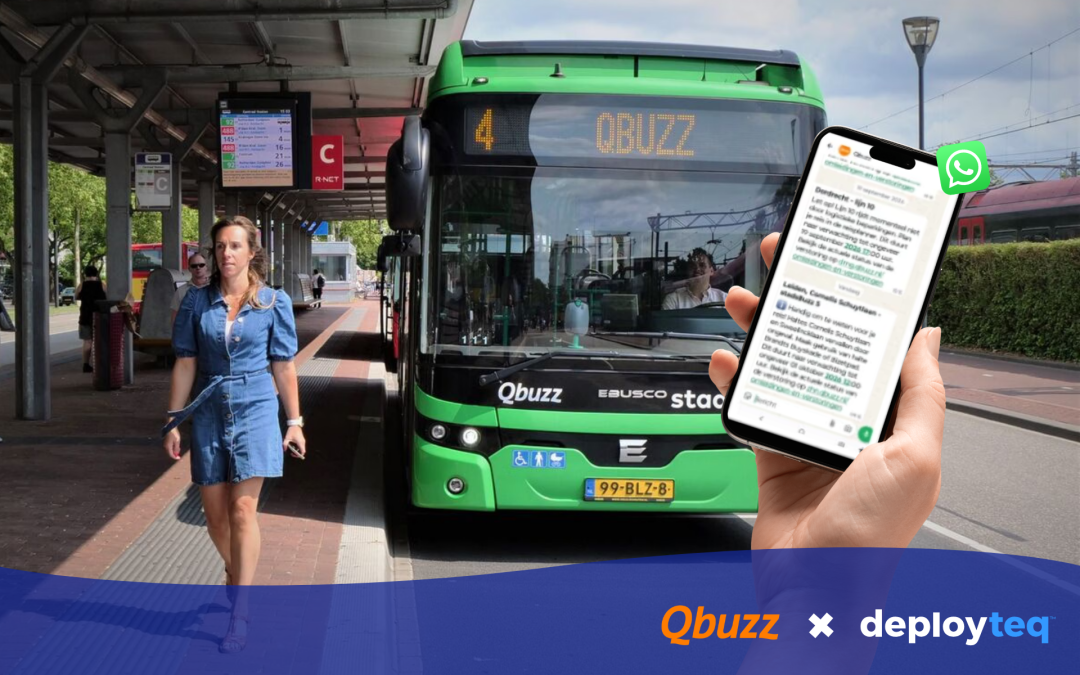
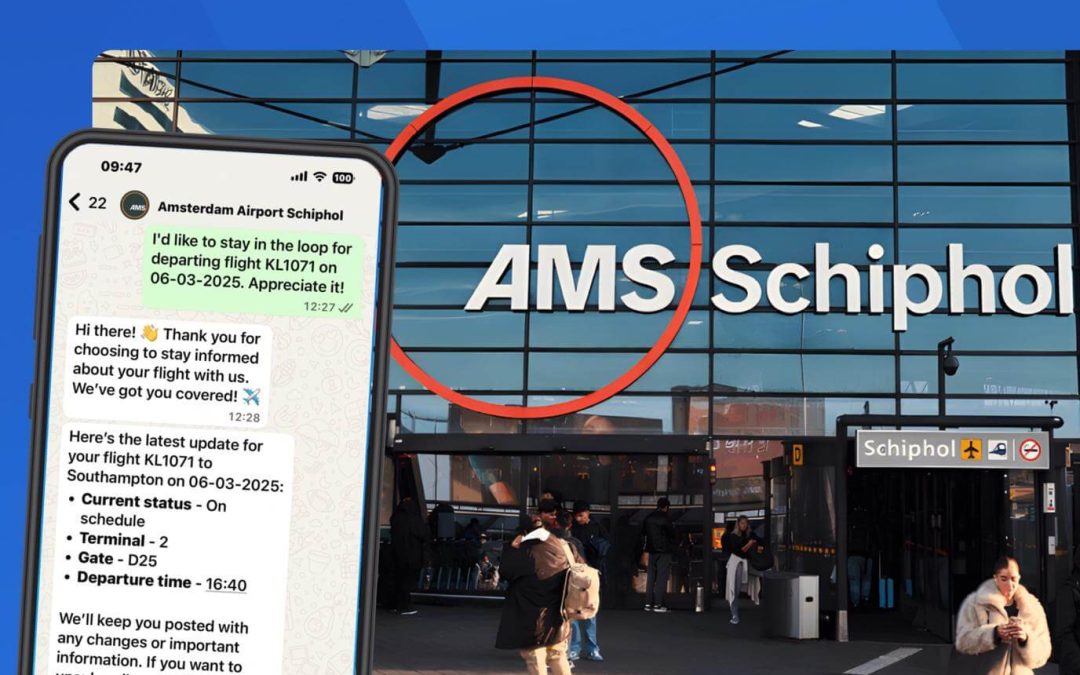
Marketing automation platforms typically support email, SMS, and basic social media scheduling, with email remaining the dominant channel. Customer engagement platforms are built for a broader, more connected channel mix, often including email, SMS, push notifications, in-app messaging, web personalisation, WhatsApp, and even direct mail integrations.
The channel difference reflects a deeper architectural difference. Marketing automation platforms are often built around a single primary channel, with others added on. Customer engagement platforms are designed from the ground up to be channel-agnostic, routing the right message through whichever channel the customer is most likely to respond to at that moment.
For sectors like travel or retail, where a customer might browse on mobile, book on desktop, and receive a loyalty update via WhatsApp, this distinction is significant. A platform that cannot coordinate across those touchpoints seamlessly will create a disjointed experience, regardless of how well-crafted the individual messages are. If you are thinking about expanding your channel reach, exploring an email marketing platform with strong multi-channel foundations is a practical starting point.
What role does customer data play in each platform?
Customer data is central to both platforms, but the way each uses it is fundamentally different. Marketing automation platforms typically use data to trigger campaigns, such as sending a welcome email when someone signs up or a follow-up when a lead reaches a certain score. Customer engagement platforms use data more dynamically, building a continuously updated profile of each customer that informs every interaction in real time.
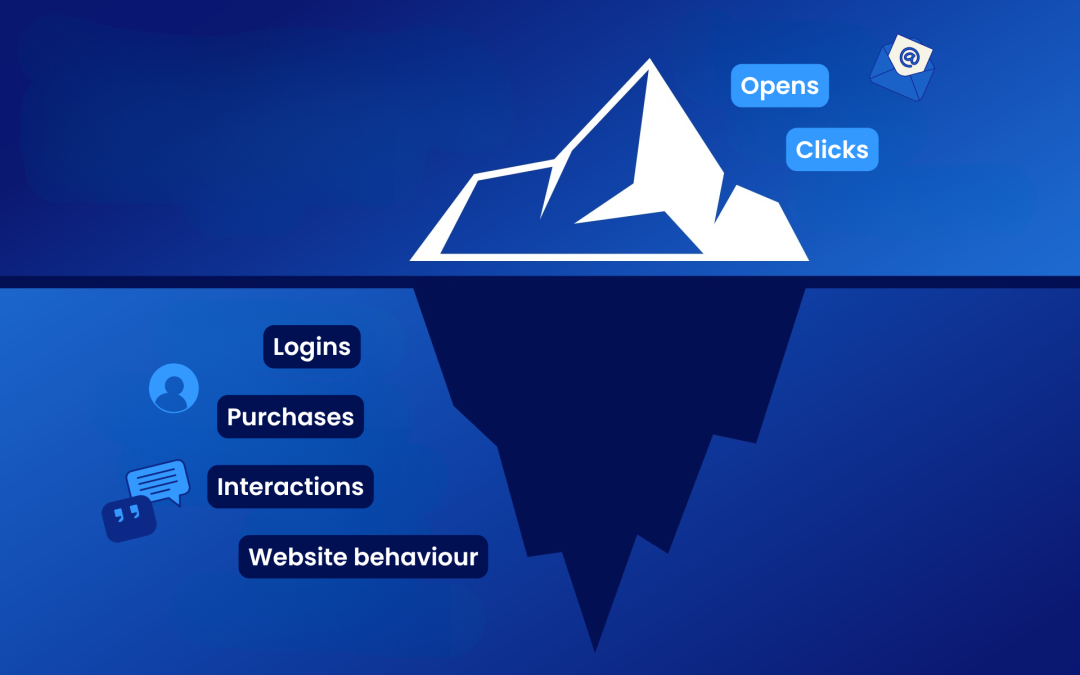
Marketing automation data tends to be campaign-level: open rates, click-throughs, conversion events. Customer engagement platforms work with richer, more unified data sets, including purchase history, browsing behaviour, support interactions, and predictive signals like likelihood to churn or next-best-offer modelling.
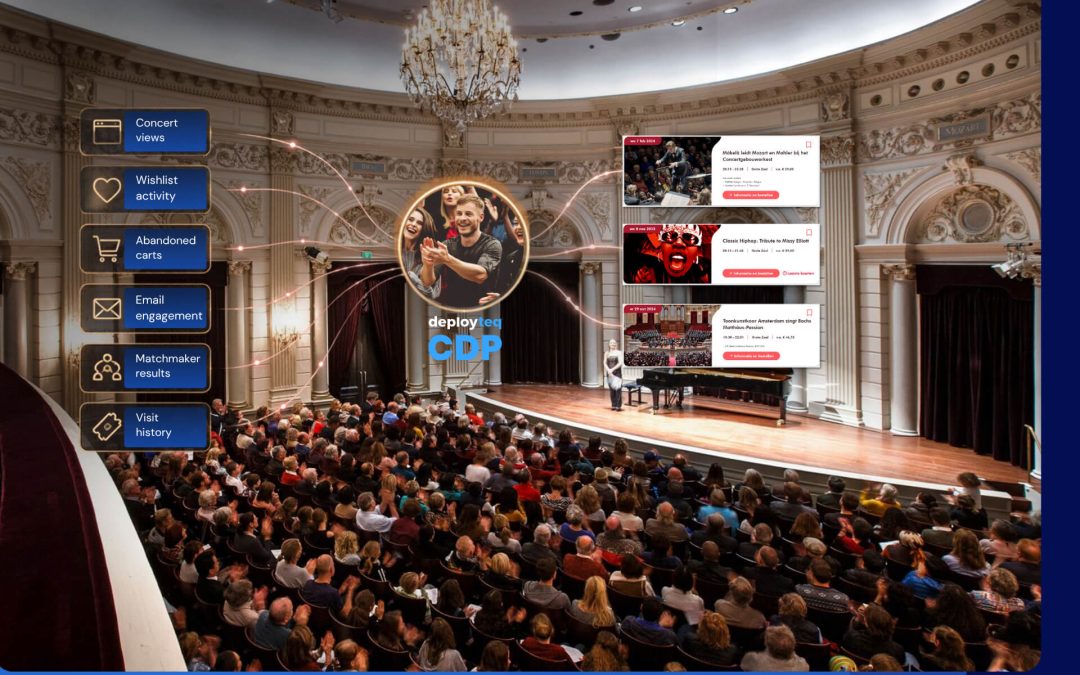
This is where a customer data platform becomes relevant. A CDP sits underneath a customer engagement platform, consolidating data from multiple sources into a single, actionable customer profile. Without that unified data layer, even the most sophisticated engagement strategy will be working with an incomplete picture.
When should a business choose one over the other?
Choose marketing automation when your primary goal is operational efficiency: reducing manual effort, scaling campaign output, and nurturing leads through a defined funnel. Choose a customer engagement platform when your goal is long-term retention, loyalty, and delivering personalised experiences at scale across multiple channels and customer segments.
The decision often comes down to business maturity and customer complexity. A business with a straightforward acquisition funnel and a relatively small customer base will get strong results from marketing automation alone. A business managing thousands of active customers across multiple segments, with high expectations for personalisation, will quickly outgrow what automation alone can deliver.
- Opt for marketing automation if: You need to scale outbound campaigns, automate lead nurturing, or replace manual email workflows
- Opt for a customer engagement platform if: You are managing complex customer lifecycles, high-volume retention programmes, or cross-channel personalisation at scale
- Consider both if: You are in a high-frequency sector like retail, travel, or entertainment, where acquisition and retention run simultaneously
Can marketing automation and customer engagement work together?
Yes, and in most mature marketing operations, they do. Marketing automation handles the systematic, rule-based execution of campaigns, while a customer engagement platform provides the intelligence and contextual awareness that makes those campaigns feel personal and relevant. Together, they cover the full customer journey from first contact to long-term loyalty.
The most effective approach is to treat marketing automation as the engine and customer engagement as the strategy layer. Automation ensures messages go out on time, at scale, without manual intervention. Engagement logic determines which message, which channel, and which moment is right for each individual customer.
For example, a retail brand might use automation to trigger a post-purchase email sequence, while the engagement layer determines whether a customer in a high-LTV segment receives a loyalty incentive, a product recommendation based on browsing history, or an early access offer, all within the same automated flow. That combination is where the real results come from. If you want to see how this works in practice, marketing automation done well is always built on a strong data and engagement foundation.
How Deployteq bridges marketing automation and customer engagement
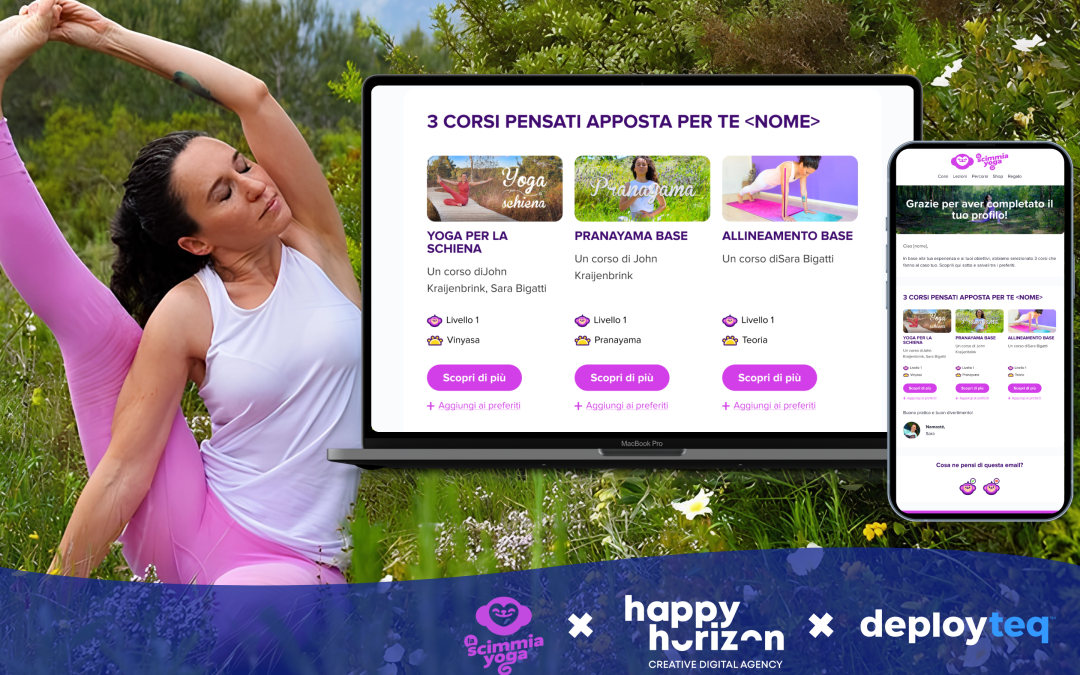
Deployteq is built precisely for the overlap between automation efficiency and engagement depth. Our platform combines advanced marketing automation with a fully integrated customer data platform, giving you the tools to execute at scale without sacrificing personalisation.
- Unified customer profiles: Our CDP consolidates data from every channel into a single, actionable view, so every campaign is informed by real behaviour, not assumptions
- Cross-channel execution: Run coordinated campaigns across email, SMS, WhatsApp, push, and web from a single platform, with no channel silos
- Smart segmentation: Build real-time, hyper-personalised segments using RFM modelling, predictive insights, and next-best-offer logic
- Advanced email marketing: Our flagship email service delivers tailored messages to every segment from a single campaign, using dynamic content blocks to scale personalisation without duplication
- Flexible journey builder: Design customer journeys with the freedom to respond to live behaviour, not just pre-set rules
Whether you are upgrading from a simpler platform or looking to unify a fragmented tech stack, Deployteq gives you control over your data and your customer journeys. Book a demo and see how it works for your business.