The optimal send time for B2C marketing emails is Tuesday through Thursday between 10 AM and 2 PM, but this varies significantly based on your specific audience demographics, industry, and customer behavior patterns. Consumer email habits differ from business patterns, with many checking personal emails during lunch breaks, evenings, and weekends. Testing different send times with your actual audience data provides the most accurate timing strategy for maximum engagement.
What factors actually determine the best send time for B2C emails?
Multiple interconnected variables influence optimal B2C email timing, with audience demographics and behavior patterns being the primary determinants. Age groups show distinct email-checking habits, with younger consumers often engaging during evening hours while older demographics prefer morning sends.
Industry type significantly affects timing preferences. Retail brands often see success with weekend sends when consumers browse for purchases, while financial services perform better during weekday business hours when customers handle personal finances.
Geographic considerations play a crucial role for businesses serving multiple time zones. A single send time may reach morning commuters in one region while coinciding with evening leisure time in another, requiring segmented scheduling approaches.
Seasonal patterns create timing opportunities that shift throughout the year. Holiday shopping periods, back-to-school seasons, and summer leisure months all influence when consumers engage most actively with marketing messages.
Customer lifecycle stage affects engagement timing as well. New subscribers might respond differently than loyal customers, requiring tailored timing strategies based on relationship maturity and purchase history.
When do most consumers actually open their marketing emails?
Consumer email opening patterns show peak engagement during lunch hours (11 AM to 2 PM) and evening leisure time (6 PM to 9 PM) on weekdays. Mobile usage has shifted traditional patterns, with many consumers checking emails throughout the day rather than at set times.
Tuesday through Thursday consistently outperform other weekdays for B2C email engagement. Monday mornings often see lower performance as consumers catch up with weekend activities, while Friday afternoons compete with weekend preparation mindsets.
Weekend sending has become increasingly viable for consumer brands. Saturday morning sends can capture leisure browsing time, particularly effective for retail, entertainment, and lifestyle brands when customers have time to engage with promotional content.
Mobile consumption now dominates consumer email behavior, with over 60% of emails opened on smartphones. This shift means consumers engage with emails during commutes, waiting periods, and casual browsing moments throughout the day.
Evening engagement patterns vary by demographic. Parents often check emails after children’s bedtime, while young professionals might engage during commute hours or lunch breaks when personal email checking feels appropriate.
How do you find the perfect send time for your specific audience?
Start with systematic A/B testing by splitting your audience into segments and sending identical emails at different times. Test two to three time slots initially, measuring open rates, click-through rates, and conversion metrics to identify performance patterns.
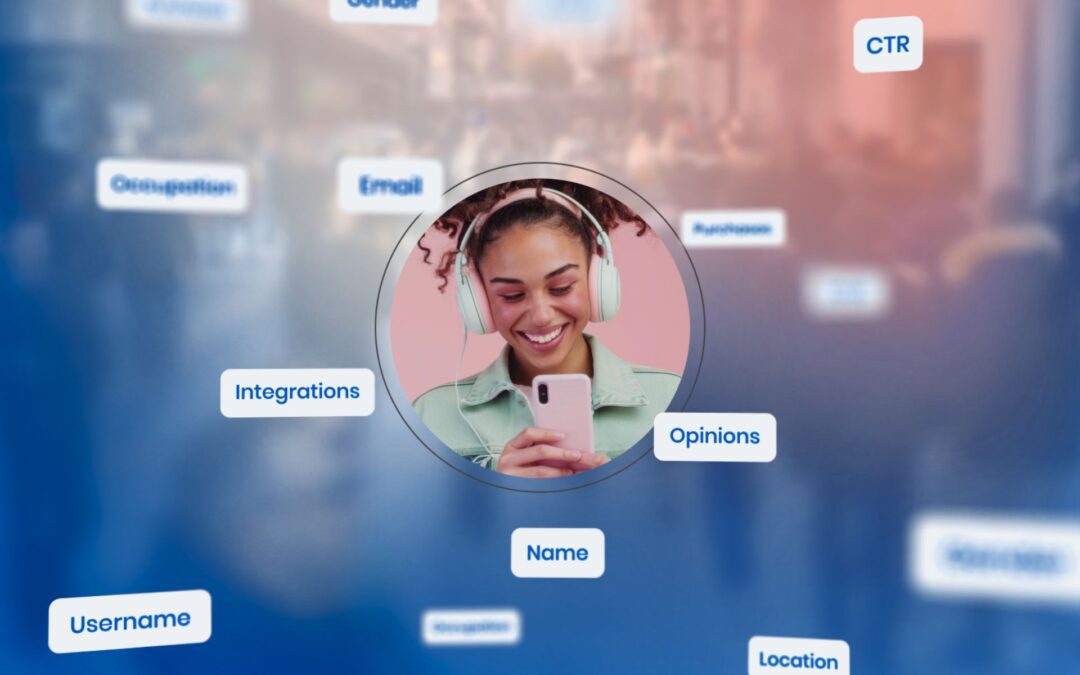
Segment your audience based on demographics, purchase history, and engagement patterns. Different customer groups within your database likely show varying timing preferences that require individual optimization approaches.
Track engagement metrics over several weeks to account for anomalies and establish reliable patterns. Single-send results can be misleading, so gather data across multiple campaigns before drawing conclusions about optimal timing.
Analyze your email analytics to identify when current subscribers engage most actively. Look for patterns in open times, click timestamps, and website visit data following email sends to understand natural engagement windows.
Consider implementing send time optimization features available in modern email marketing platforms that automatically deliver messages when individual subscribers are most likely to engage based on their historical behavior.
Document your findings and create timing guidelines for different audience segments. Regular testing ensures your strategy adapts to changing customer habits and seasonal variations in engagement patterns.
What’s the difference between B2C and B2B email timing strategies?
B2C email timing focuses on personal convenience and leisure moments when consumers check personal emails, while B2B timing targets professional hours when recipients handle work-related communications. This fundamental difference shapes entire timing strategies.
Consumer emails perform well during evenings, weekends, and lunch breaks when people browse personal messages. Business emails typically succeed during weekday business hours when professionals actively manage work communications and decision-making.
Weekend sending often benefits B2C campaigns, particularly for retail, entertainment, and lifestyle brands. B2B emails sent on weekends frequently get buried under weekday priorities and may seem unprofessional to business audiences.
Holiday timing strategies differ significantly between audiences. Consumer brands can leverage holiday shopping periods and seasonal celebrations, while B2B communications should avoid major holidays when decision-makers are unavailable.
Response time expectations vary between consumer and business audiences. B2C emails can generate immediate engagement during leisure browsing, while B2B messages often require consideration time and may see delayed responses as recipients evaluate business implications.
How does Deployteq help optimize email send times for maximum engagement?
Deployteq provides intelligent send time optimization that automatically delivers emails when individual subscribers are most likely to engage based on their historical behavior patterns and engagement data.
Our platform offers comprehensive timing optimization features including:
- Automated send time optimization algorithms that analyze individual subscriber engagement patterns
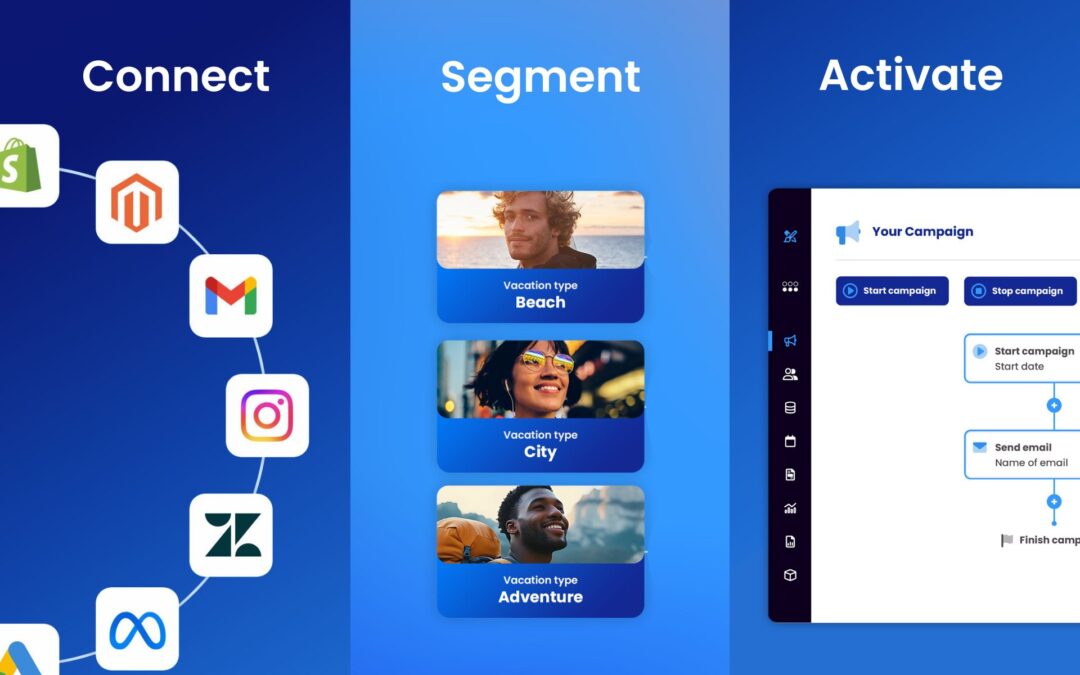
- Advanced audience segmentation capabilities for targeted timing strategies across different customer groups
- Built-in A/B testing tools for systematic timing experiments with statistical significance tracking
- Real-time analytics dashboards showing timing performance across campaigns and audience segments
- Time zone optimization for global audiences, ensuring appropriate local delivery times
The platform’s journey builder allows you to create sophisticated timing sequences that adapt to customer behavior, while our analytics provide detailed insights into optimal sending windows for your specific audience segments.
Ready to optimize your email timing strategy? Book a demo to see how our send time optimization features can improve your B2C email engagement, or contact us to discuss your specific timing challenges with our email marketing specialists.