Your customers don’t browse in a straight line. They jump between channels, shift intent mid-session, and expect brands to keep up. Real-time personalization is what closes that gap, delivering the right message to the right person at the exact moment it matters.
This article builds your understanding from the ground up. We’ll cover what real-time personalization actually means, how it works technically, which data signals drive it, where it applies across channels, what mistakes to avoid, and how to build a strategy that scales. By the end, you’ll have a clear framework to put it into practice.
What Is Real-Time Personalization?
Real-time personalization is the process of dynamically adapting content, messaging, or offers to an individual based on their behaviour, context, or data at the moment of interaction, not hours later.
It’s the difference between sending a weekly email to your full database and triggering a tailored message the second someone abandons a booking, browses a product category, or opens an app at 11 pm. The experience feels relevant because it is relevant, shaped by what that person just did, not by a segment built last Tuesday.
This is distinct from standard personalization, which typically relies on pre-built segments and scheduled sends. Real-time personalization responds to live signals. For example, a travel brand might surface a flight deal for Barcelona the moment a customer searches that destination, not three days later in a batch campaign.
How Real-Time Personalization Works Under the Hood
At its core, real-time personalization relies on three connected layers: data collection, decision logic, and content delivery, all operating within milliseconds.
Data Collection
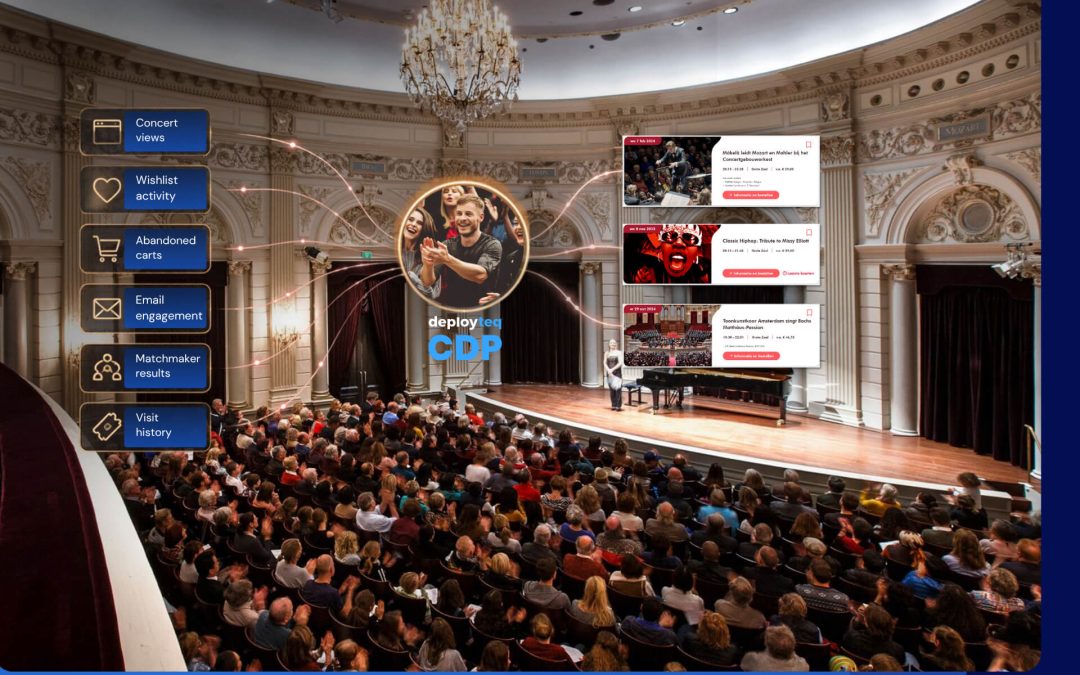
Every interaction a customer has, a page view, a click, a purchase, a support query, generates a data event. These events are captured in real time and fed into a central data layer, typically a customer data platform or a unified profile store. The speed of this ingestion is critical. Stale data produces stale experiences.
Decision Logic
Once data is collected, a rules engine or predictive model evaluates it. This is where personalization decisions are made: Which segment does this customer belong to right now? What is their next most likely action? What offer or content should they see? Models like RFM (Recency, Frequency, Monetary) or next-best-offer logic sit in this layer.
Content Delivery
The decision is then passed to the delivery layer, your email platform, web CMS, or push notification system, which renders the appropriate dynamic content for that individual. The whole cycle can complete before a page finishes loading.
Key Data Signals That Power Personalization Decisions
Building on the mechanics above, the quality of your personalization is only as strong as the signals feeding it. Not all data is equal, and knowing which signals to prioritise makes your decisions sharper.
- Behavioural signals: Pages visited, products viewed, time spent, search queries, and click patterns reveal current intent. These are your highest-velocity signals.
- Transactional signals: Purchase history, order value, and frequency data inform LTV modelling and product recommendations.
- Contextual signals: Device type, location, time of day, and channel all shape what kind of content is appropriate right now.
- Lifecycle signals: Where someone sits in their customer journey, new visitor, lapsed buyer, loyalty member, changes what message will resonate.
- Preference signals: Explicit data from surveys, preference centres, or past engagement tells you what the customer has actively told you about themselves.
For a retail brand, combining behavioural and transactional signals might mean surfacing a restocked item alert to a customer who viewed that product twice but didn’t convert. That’s a personalized customer experience built on data you can actually use.
Real-Time Personalization Across Marketing Channels
The decision logic and data signals covered above apply across every channel, but how personalization surfaces looks different depending on where the customer is.
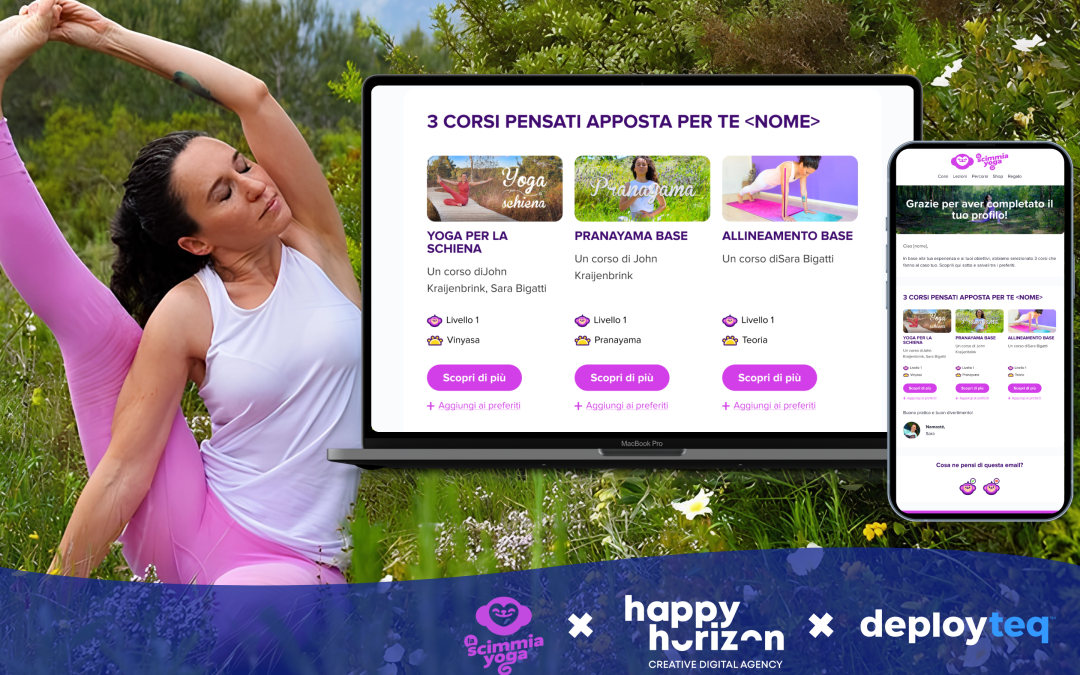
Email: Dynamic content blocks swap in product recommendations, offers, or subject lines based on live profile data at the moment of open, not at the moment of send. This is particularly powerful for e-commerce and travel, where prices and availability change frequently.
Web and app: On-site personalization adapts banners, product listings, and CTAs based on session behaviour. A first-time visitor sees different content than a returning loyalty member.
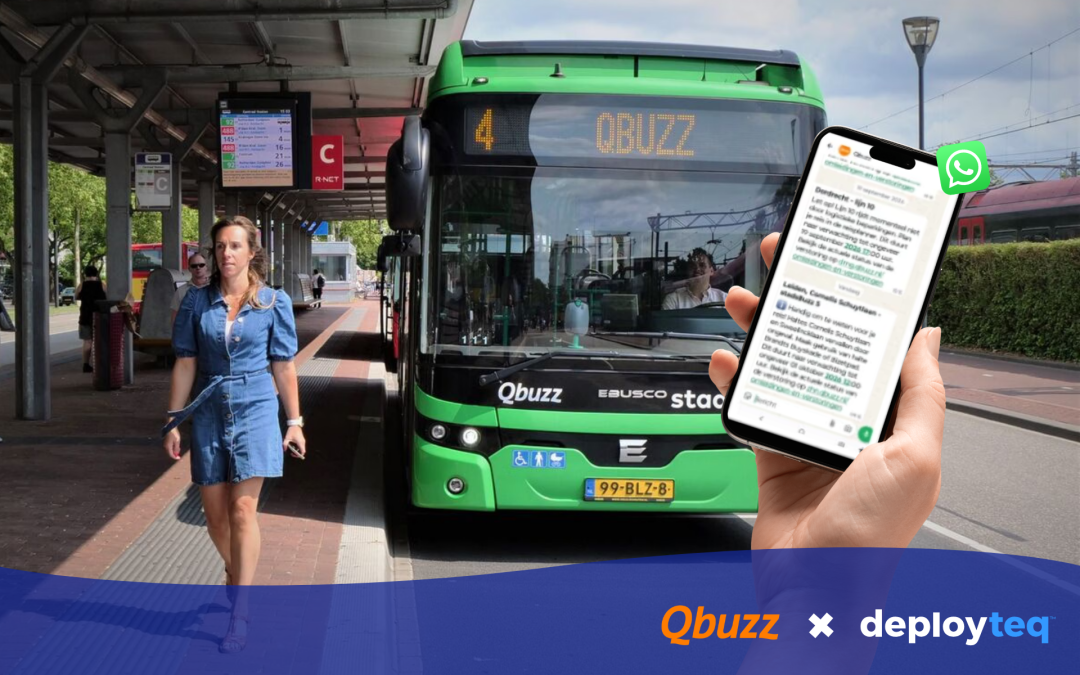
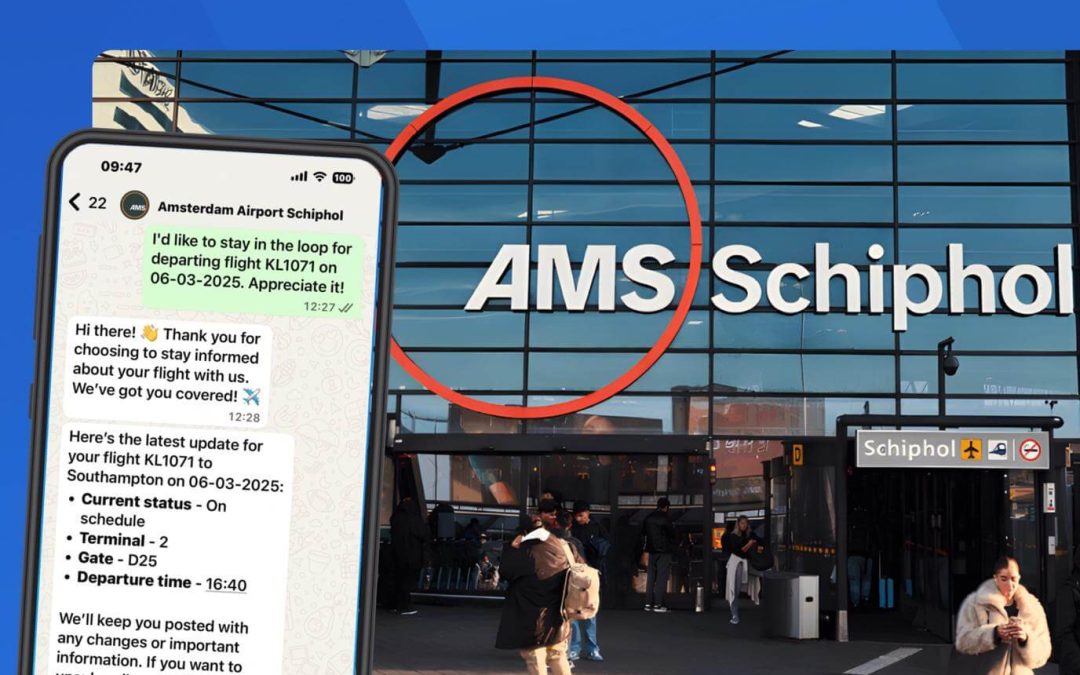
SMS and WhatsApp: These channels suit high-urgency, highly contextual triggers, a booking confirmation, a flash sale alert, or a cart recovery nudge. The marketing automation layer ensures these fire at the right moment without manual intervention.
Push notifications: Effective when timed to behavioural triggers rather than broadcast schedules. An entertainment app, for example, might push a content recommendation based on what a user watched last night.
Common Real-Time Personalization Mistakes to Avoid
Understanding how personalization works makes it easier to spot where it breaks down. These are the patterns that consistently undermine results.
- Personalizing on a single signal: Basing decisions on one data point, like the last page visited, ignores the full picture. Use layered signals for more accurate decisions.
- Confusing personalization with segmentation: Segmentation groups people. Personalization speaks to individuals. Many teams stop at the segment level and call it done.
- Ignoring recency: A customer who bought last week is in a very different mindset than one who bought six months ago. Recency should weight your decision logic heavily.
- Over-personalizing to the point of discomfort: Referencing too much specific behaviour can feel intrusive. Relevance should feel helpful, not surveillance-like.
- Siloed channel data: If your email platform doesn’t know what happened on your website, your personalization is already behind. Unified customer data is the foundation everything else depends on.
Building a Scalable Personalization Strategy
With the concepts and channels now clear, the final step is building a strategy that grows with your customer base rather than buckling under it.
Start by unifying your data. You cannot personalize in real time with fragmented profiles. Consolidate behavioural, transactional, and contextual data into a single customer view before building any logic on top of it.
Next, define your personalization triggers. Map the moments in your customer journey where real-time decisions have the highest commercial impact, cart abandonment, post-purchase, re-engagement windows. Prioritise these before expanding to lower-stakes interactions.
Build your content to be modular. Dynamic content only works if your creative assets are structured to swap in and out. Design email templates, landing pages, and push messages with interchangeable blocks from the start.
- Start with two or three high-impact triggers rather than trying to personalize everything at once
- Test and iterate, real-time personalization improves as your models learn from more data
- Set clear rules for fallback content when a customer’s data is incomplete
- Review decision logic regularly, customer behaviour shifts, and your rules should too
Scalability comes from automation. Manual personalization doesn’t scale past a few hundred customers. A robust email marketing platform with automation built in lets you set the logic once and let it run across thousands of interactions simultaneously.
How Deployteq Helps With Real-Time Personalization
We built Deployteq to make personalized customer experiences genuinely achievable, without needing a data science team or weeks of implementation. Here’s what that looks like in practice:
- Unified customer data: Our Customer Data Platform consolidates behavioural, transactional, and contextual data into a single customer profile, ready to act on instantly.
- Intelligent modelling: Built-in models including RFM, next-best-offer, and predictive insights help your decision logic go beyond basic rules.
- Cross-channel activation: Trigger personalized messages across email, SMS, WhatsApp, push, and web from one platform, no stitching together separate tools.
- Dynamic content at scale: Design modular templates that adapt to each individual at the moment of delivery, not at the moment of send.
- Advanced segmentation: Build real-time, highly targeted segments that update automatically as customer behaviour changes.
If you’re ready to move from batch campaigns to genuine real-time personalization, do a self-guided demo and see how Deployteq works for your marketing stack.