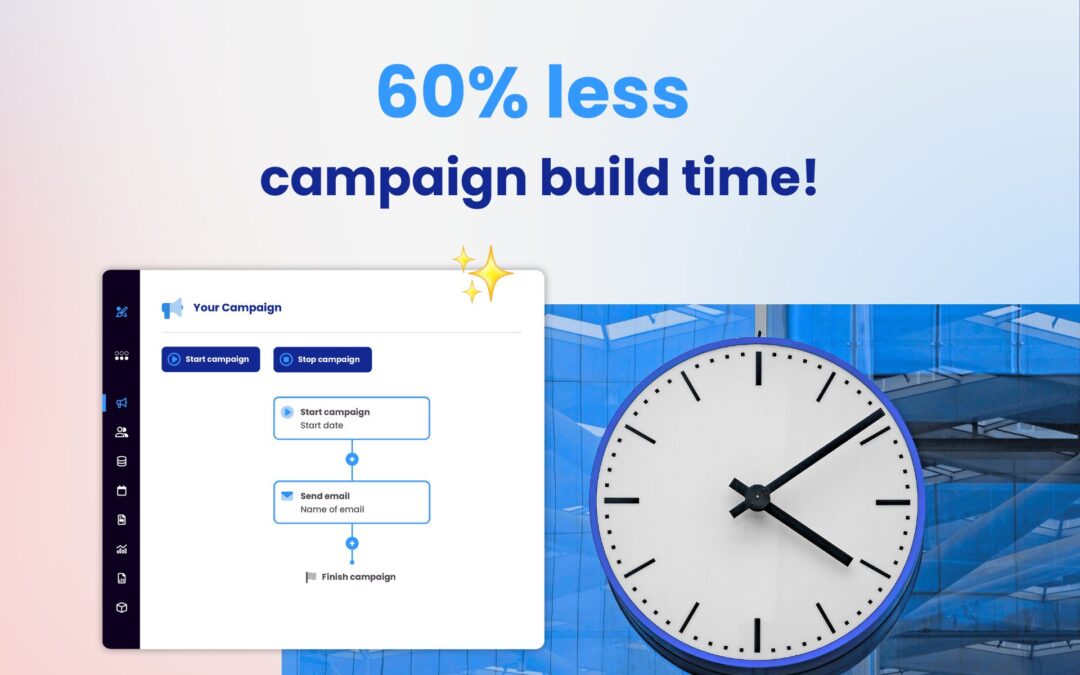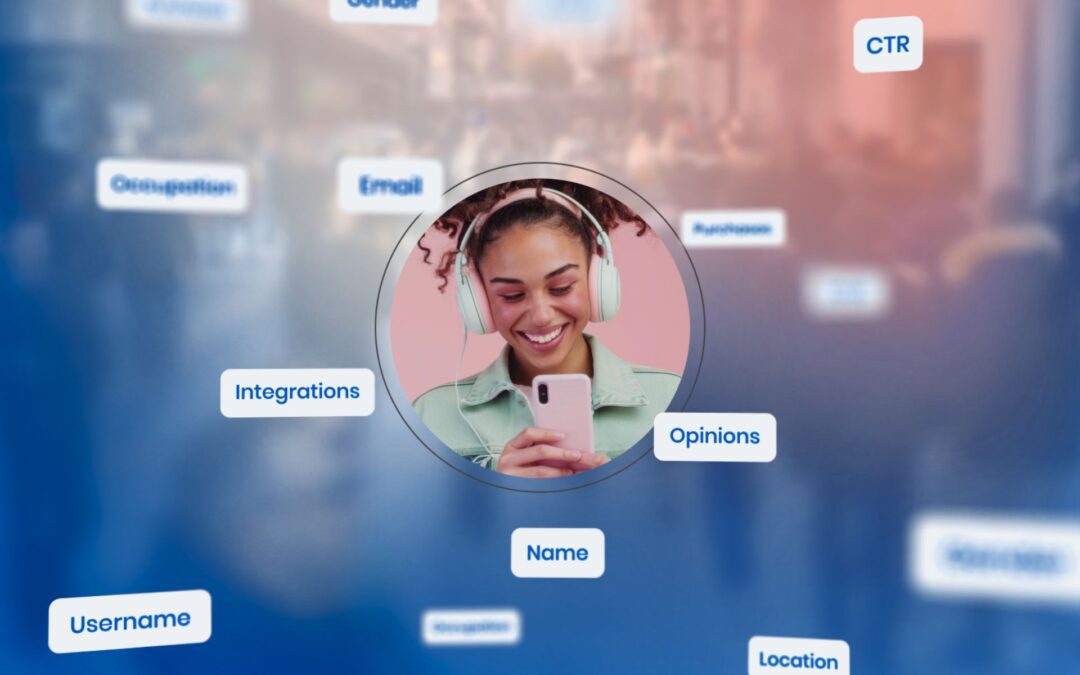
You should upgrade from marketing automation to a CDP when your marketing data is disconnected, your segmentation is limited to single-channel behavior, and you can no longer build a complete picture of each customer across their full lifecycle. For most growing B2C brands, that moment arrives when personalisation at scale stops being possible with the tools they already have.
Marketing automation handles journeys and sends. A CDP handles the data layer underneath, unifying every touchpoint into a single customer profile that your campaigns can actually act on. The questions below break down exactly how to tell the difference, and when it is time to move.
What are the signs your marketing automation platform is holding you back?
Your marketing automation platform is holding you back when your disconnected marketing data prevents you from triggering the right message at the right moment. If you are stitching data together manually, relying on batch exports, or building segments that are already stale by the time they run, those are clear signals that your current setup has hit its ceiling.
Look for these specific warning signs:
- Segments built on a single channel. If your email segments only reflect email behavior, you are missing purchase history, web activity, app usage, and loyalty data that would sharpen every send.
- No real-time triggers. If your automations fire based on scheduled batch jobs rather than live customer actions, you are always one step behind.
- Manual data prep before every campaign. If your team spends hours cleaning and joining data before a campaign can go out, the platform is not doing its job.
- Personalisation that stops at first name. True personalisation requires behavioral, transactional, and predictive data working together. If you cannot get there, the data layer is the bottleneck, not the creative.
These friction points compound over time. A travel brand sending a generic re-engagement email when a customer just browsed three holiday packages is a missed opportunity, and that kind of miss adds up across millions of sends.
What does a CDP do that marketing automation can’t?
A marketing CDP unifies customer data from every source, including CRM, web, app, in-store, and transactional systems, into a single persistent customer profile. Marketing automation platforms execute journeys. A CDP builds the real-time, data-rich foundation that makes those journeys genuinely personalised rather than approximated.
The practical difference comes down to three capabilities:
- Identity resolution. A CDP matches the same person across channels and devices, so a customer who browses on mobile and buys on desktop is treated as one individual, not two anonymous visitors.
- Intelligent modelling. With unified data, you can run models like RFM (recency, frequency, monetary value), next-best-offer, and predictive churn scoring directly against your customer base. These models are not possible when your data is not actionable because it lives in separate silos.
- Activation without data exports. A CDP feeds segments and insights directly into your campaign tools in real time. There is no waiting for a data team to pull a file and upload it before the window closes.
Marketing automation is the engine. A CDP is the fuel system that makes sure the engine always has what it needs to run at full power.
Which types of businesses benefit most from a CDP?
Businesses with high customer volumes, multi-channel touchpoints, and complex purchase lifecycles benefit most from a marketing CDP. If your customers interact with your brand across email, web, app, and in-store, and your current tools cannot connect those interactions, a CDP delivers an immediate and measurable return.
The sectors where this impact is clearest include:
- Retail and e-commerce: Cart recovery, replenishment triggers, and hyper-personalised product recommendations all require transactional and behavioral data working together in real time.
- Travel and leisure: Booking windows are short and competitive. Brands that can trigger a personalised offer based on destination browsing, past travel history, and loyalty tier convert significantly better than those relying on generic campaigns.
- Finance and insurance: Complex customer lifecycles with long gaps between transactions demand a persistent profile that tracks every signal over time, not just recent email opens.
- Entertainment and media: High-frequency engagement means content-based triggers need to fire fast and accurately, based on what a subscriber has already consumed.
If your business sends more than a few hundred thousand messages per month and you are not yet using a CDP, you are almost certainly leaving revenue on the table through under-personalised campaigns.
Can a CDP and marketing automation work together in the same stack?
Yes, a CDP and marketing automation are designed to work together, not replace each other. The CDP handles data unification, enrichment, and intelligent modelling. The marketing automation platform handles campaign execution, journey design, and channel delivery. Together, they close the gap between knowing what a customer needs and acting on it.
The most effective stacks connect the two layers so that:
- Segments built in the CDP flow directly into automation workflows without manual intervention
- Predictive scores, like next-best-offer or churn likelihood, are available as dynamic variables inside campaign templates
- Customer profile updates trigger automations in real time, so a purchase in-store can suppress a promotional email within minutes
- Campaign response data feeds back into the CDP to keep profiles current and models accurate
When the two systems are tightly integrated, marketers gain both the data depth of a CDP and the execution speed of an automation platform. The result is campaigns that are both smarter and faster to deploy.
How do you know if you’re ready to make the switch?
You are ready to move from marketing automation to a CDP when the gap between the personalisation your customers expect and what your current data allows you to deliver is actively costing you revenue. The clearest indicator is when your marketing data is not actionable, not because you lack the data, but because it is fragmented across systems you cannot unify inside your current platform.
Ask yourself these questions:
- Can you build a segment right now using purchase history, web behavior, and email engagement combined? If that requires a data team and a two-day turnaround, you are ready.
- Do you know which customers are at risk of churning before they go quiet? Predictive modelling requires a unified profile. If you cannot answer this, the data layer is missing.
- How long does it take to activate a new audience for a time-sensitive campaign? If the answer is hours or days, real-time activation is not in your current stack.
- Are your personalisation efforts limited to name, last purchase, or email segment? If so, you are working with a fraction of the data available to you.
The CDP vs marketing automation decision is not about replacing what works. It is about building the data foundation that makes everything you already do work significantly better.
How Deployteq bridges CDP and marketing automation in one platform
We built our Customer Data Platform specifically to close the gap between fragmented data and campaign execution. Rather than managing a separate CDP and automation tool, Deployteq unifies both in a single platform, so your data and your journeys are always in sync.
Here is what that looks like in practice:
- 360-degree customer profiles built from every channel, including email, SMS, WhatsApp, web, push, and transactional data
- Intelligent modelling built in, including RFM scoring, next-best-offer, and predictive lifecycle insights, available directly inside your campaign builder
- Real-time segment activation across email, SMS, WhatsApp, push, and web without waiting for data exports or manual uploads
- Visual customer journey mapping that connects every data point to a hyper-personalised experience at each lifecycle stage
- Advanced segmentation that lets you build precise, dynamic audiences from unified data without relying on your data team for every campaign
If your current platform is generating disconnected marketing data that your team cannot act on fast enough, we can show you exactly what a unified setup looks like for your business. Book a demo and see how Deployteq turns your data into campaigns that actually convert.