Marketing automation is the use of software to execute, manage, and optimise marketing tasks automatically, without manual intervention for every action. Instead of sending emails one by one or manually following up with leads, automation platforms trigger the right message to the right person at the right time, based on behaviour, data, or predefined rules. Below, we unpack how it works, what it replaces, and when it makes sense to invest in it.
How does marketing automation actually work?
Marketing automation works by connecting your customer data to a set of rules or triggers that fire off communications automatically. When a contact takes a specific action, such as opening an email, abandoning a cart, or reaching a loyalty milestone, the platform detects that event and responds with a pre-built message or sequence. The result is a conversation that feels personal but runs entirely on its own.
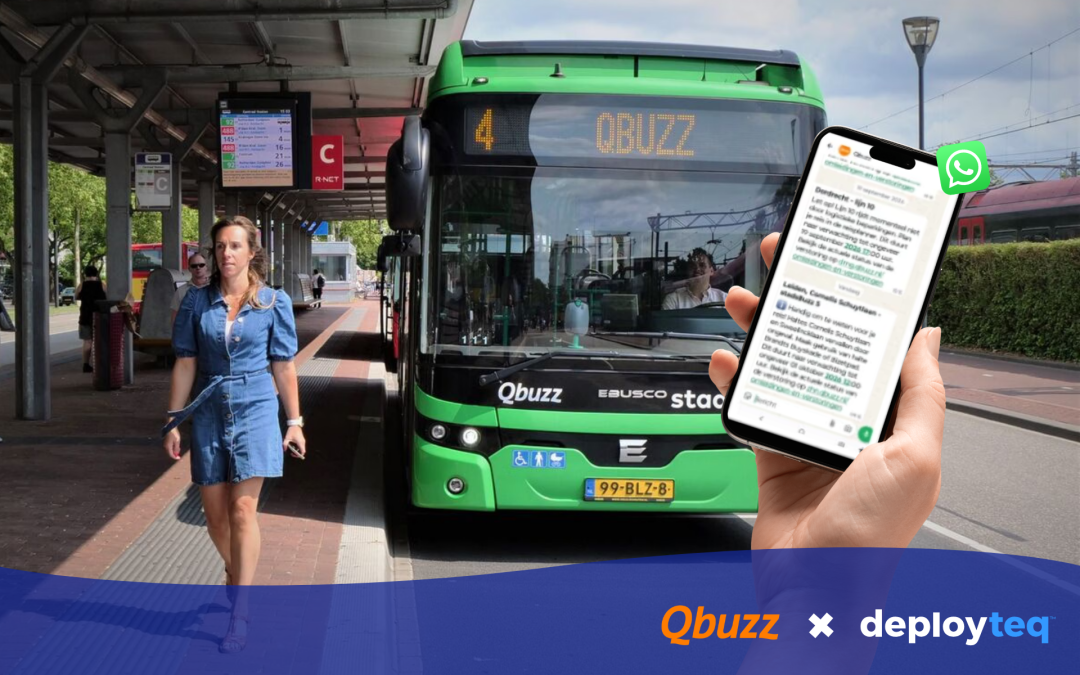
At the core of any automation platform are three components: data inputs, logic rules, and output channels. Data inputs pull in behavioural signals, purchase history, and profile attributes. Logic rules define what should happen when those signals appear. Output channels, whether email, SMS, push notifications, or WhatsApp, deliver the message.
A journey builder sits on top of this structure, letting marketers map out the full sequence visually. You can branch paths based on conditions, set time delays, and build in decision points that respond dynamically to what a contact does next. The more granular your data, the more precisely the automation can respond.
What are the main types of marketing automation?
The main types of marketing automation are email automation, cross-channel campaign automation, lead nurturing workflows, CRM-integrated lifecycle automation, and behavioural trigger automation. Each type serves a different purpose, but they share the same underlying logic: respond to customer data with a relevant, timely action rather than a one-size-fits-all broadcast.
- Email automation: Triggered sequences based on subscriber behaviour, such as welcome series, re-engagement flows, and post-purchase follow-ups.
- Behavioural trigger automation: Real-time responses to on-site actions, like cart abandonment emails or browse-abandonment nudges.
- Lead nurturing workflows: Multi-step sequences that move prospects through the funnel based on engagement signals.
- Lifecycle automation: Long-term programmes tied to customer lifecycle stages, from acquisition through retention and win-back.
- Cross-channel automation: Coordinated messaging across email, SMS, push, and social, ensuring a consistent experience regardless of where the customer engages.
For most B2C marketers, email automation is the natural starting point. It is the highest-ROI channel and the easiest to connect to your existing data. Cross-channel automation becomes the priority once you have a solid email foundation and want to extend personalisation across every touchpoint.
What tasks can marketing automation replace?
Marketing automation can replace any repetitive, rule-based marketing task that does not require human judgement in the moment. This includes sending welcome emails, scheduling follow-ups, segmenting contacts, updating customer records based on behaviour, and routing leads to the right campaign. If you can write a rule for it, automation can run it.
In practice, the tasks most commonly handed off to automation include:
- Welcome and onboarding sequences for new subscribers or customers
- Cart and browse abandonment reminders in retail and e-commerce
- Booking confirmation and pre-stay communications in travel and hospitality
- Loyalty programme updates and reward notifications
- Re-engagement campaigns for lapsed contacts
- Segment updates triggered by purchase behaviour or engagement scores
- Reporting and performance data aggregation across campaigns
What automation does not replace is strategy, creative direction, or the human insight needed to interpret results and adjust course. Think of it as a highly efficient executor, not a strategist. The marketer sets the direction; automation handles the delivery at scale.
What’s the difference between marketing automation and email marketing?
Email marketing is a channel. Marketing automation is a system. Email marketing involves creating and sending email campaigns to a list of contacts. Marketing automation orchestrates those emails, and every other channel, based on real-time data and customer behaviour. All email automation is a form of marketing automation, but marketing automation extends far beyond email alone.
A standard email marketing tool lets you build a template, select a segment, and send a campaign. A marketing automation platform lets you build a journey where a contact receives an email on day one, an SMS on day three if they did not open the email, a push notification when they visit your app, and a personalised offer based on their purchase history, all without manual intervention.
The practical difference becomes clear when you look at segmentation. Basic email platforms segment by list membership or simple profile fields. Automation platforms segment by behaviour, predictive scores, lifecycle stage, and real-time triggers, making it possible to deliver genuinely relevant content to thousands of contacts simultaneously. If you are still manually managing segments and sending batch campaigns, you are using email marketing. When those segments update themselves and campaigns fire automatically, you are using marketing automation.
When should a business start using marketing automation?
A business should start using marketing automation when manual processes are creating delays, inconsistencies, or missed opportunities in customer communication. In practical terms, this usually means you have a growing contact base, more than one active channel, and campaigns that repeat on a regular cadence. If your team is spending significant time on tasks that follow a predictable pattern, automation will deliver immediate returns.
For B2C brands specifically, the tipping point tends to come when:
- Your contact list exceeds a volume where personalised manual outreach is no longer realistic
- You are running the same campaign types, welcome series, abandoned cart, and re-engagement, repeatedly from scratch
- Customer data sits in multiple systems and does not connect to your messaging
- You are missing real-time moments, like a customer browsing a product but never receiving a follow-up
The good news is that you do not need a perfect data setup to start. Most teams begin with one or two high-impact automations, a welcome flow or a cart recovery sequence, and build from there. Starting simple and iterating is far more effective than waiting until everything is in order.
What features should you look for in a marketing automation platform?
The features that matter most in a marketing automation platform are advanced segmentation, a flexible journey builder, native cross-channel support, unified customer data management, and clear reporting. These five capabilities determine whether the platform can actually deliver personalised, timely communication at scale, or whether it will hit a ceiling as your programme grows.
When evaluating platforms, prioritise:
- Segmentation depth: Can you build segments based on real-time behaviour, predictive scores, and lifecycle stage, not just profile fields?
- Journey builder flexibility: Does the visual builder support branching logic, time delays, and multi-channel steps without requiring developer support?
- Cross-channel capability: Does it natively support email, SMS, push, WhatsApp, and web, or does it rely on third-party integrations for every channel?
- Data consolidation: Can it unify data from your CRM, e-commerce platform, and web analytics into a single customer view?
- Ease of use: Can your marketing team build and launch campaigns without constant IT involvement?
- Reporting and optimisation: Does it surface actionable insights, not just open and click rates, so you can continuously improve?
Scalability matters too. A platform that works well for 50,000 contacts should handle 500,000 without a rebuild. Check how the platform handles customer data management at volume, as this is often where simpler tools begin to show their limits.
How Deployteq powers your marketing automation
We built Deployteq to solve exactly the challenges described above: fragmented data, manual campaign production, and the gap between what marketers want to deliver and what their tools actually allow.
Here is what that looks like in practice:
- Advanced segmentation: Build real-time, highly personalised segments using behavioural data, RFM modelling, and predictive insights, all from a single platform.
- Flexible journey builder: Design and deploy complex, multi-step customer journeys across email, SMS, WhatsApp, push, and web without needing developer resources.
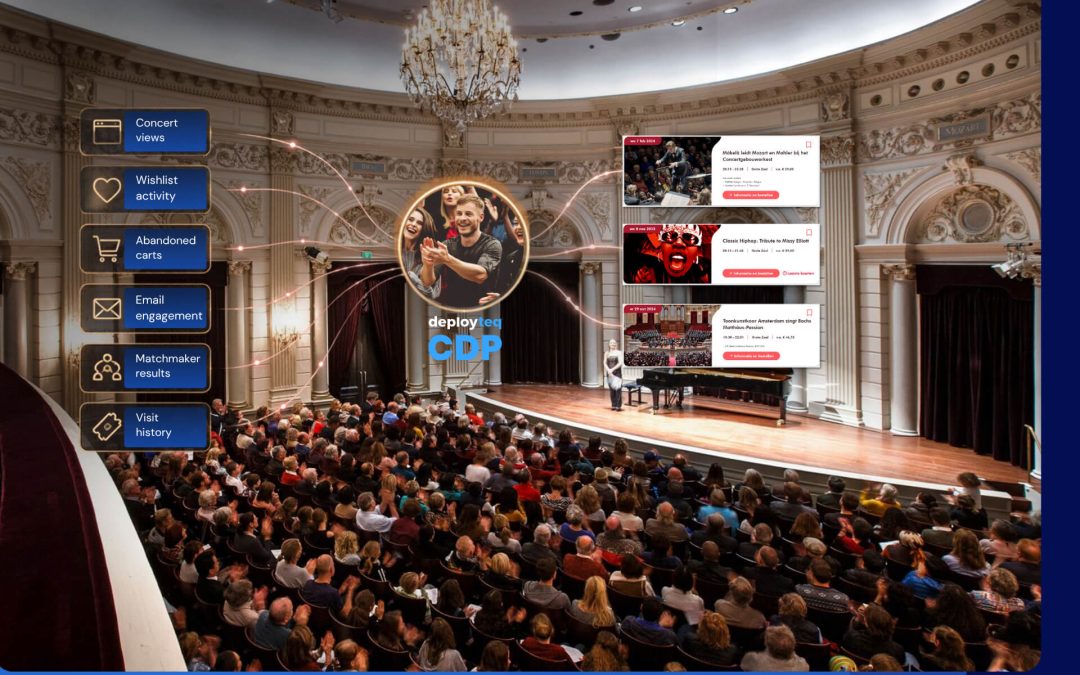
- Unified customer data: Our CDP consolidates data from every source into a single customer view, so every automation fires on accurate, up-to-date information.
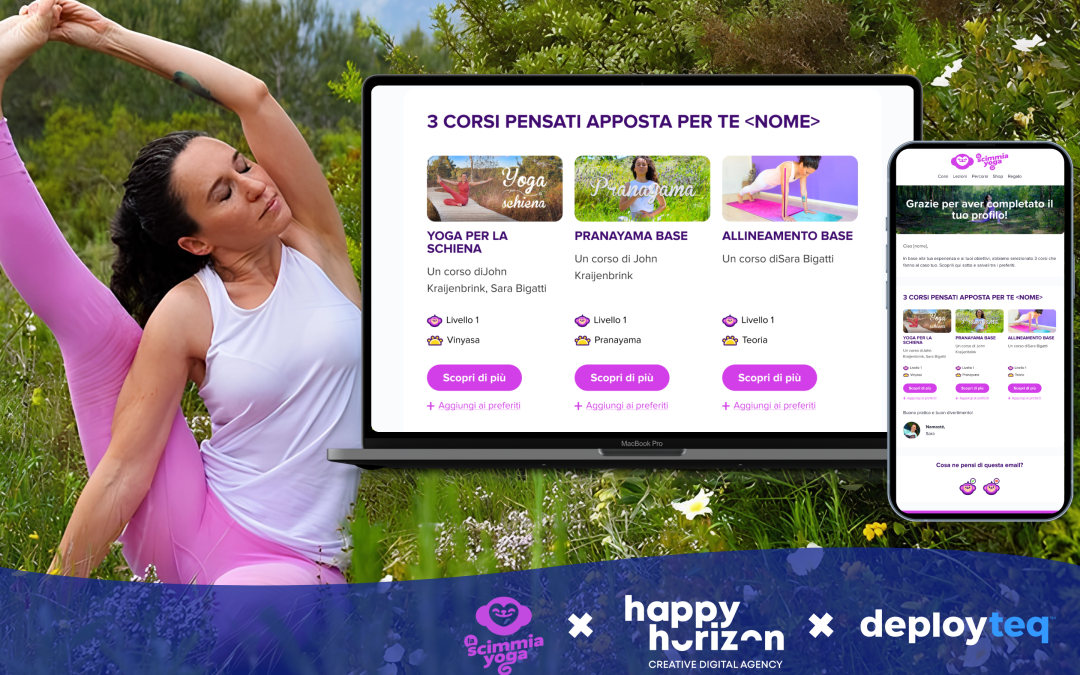
- Email at the core: Our email marketing platform features advanced templates, dynamic content blocks, and superior segmentation, making it easy to scale personalisation without duplicating effort.
- Cross-channel by default: Every channel works together inside one platform, so your customer experience stays consistent whether they engage via inbox, app, or browser.
Trusted by brands like Wickes, Virgin Media, and Center Parcs, we help marketing teams automate faster, segment smarter, and deliver content that actually drives results. Ready to see it in action? Book a demo and we will walk you through exactly what Deployteq can do for your programme.