Every customer interaction is a moment of opportunity. But when those moments happen across dozens of touchpoints, at different times, and in different channels, keeping up manually is simply not realistic. That is where customer journey automation changes the game. It lets you respond to real customer behaviour in real time, without your team having to be behind every send.
This article walks you through everything you need to know, from the core concept to the channels involved, the mistakes to sidestep, and how to take your first practical steps. Whether you are building your first automated journey or looking to sharpen what you already have, this is your foundation.
What Is Customer Journey Automation?
Customer journey automation is the process of using software to trigger personalised communications and actions based on how individual customers behave across their lifecycle. Instead of sending the same message to everyone at the same time, you respond to what each person actually does.
Think of it as a smart, always-on version of your marketing team. When a customer browses a product but does not buy, the system notices. When a loyalty member has not engaged in 60 days, the system acts. You define the logic once, and the platform does the heavy lifting from there.
This is distinct from basic marketing automation, which often focuses on single-channel campaigns. Customer journey automation connects the full picture, from first touch to long-term retention, across every relevant channel.
How Customer Journey Automation Works
At its core, automated customer journeys rely on three building blocks: data, triggers, and actions. Understanding how these connect is key to building journeys that actually perform.
- Data: The system collects and unifies behavioural and profile data, such as purchase history, browsing activity, email engagement, and real-time events.
- Triggers: A specific action or condition triggers the journey. For example, cart abandonment, a first purchase, or a lapse in activity.
- Actions: The platform responds automatically, sending an email, an SMS, a push notification, or updating a customer segment.
For example, a travel brand might trigger a journey when someone searches for flights but does not complete a booking. The system could send a personalised email within the hour, follow up with a WhatsApp message two days later, and adjust the customer’s segment based on whether they clicked. All of this happens without manual intervention.
Key Stages of an Automated Customer Journey
Automated customer journeys typically mirror the natural lifecycle of a customer relationship. Each stage has distinct goals and requires different messaging strategies.
Acquisition and Onboarding
The first stage focuses on welcoming new customers and setting expectations. A well-timed onboarding sequence, triggered the moment someone signs up or makes a first purchase, builds early trust and drives that crucial second interaction.
Engagement and Nurturing
Once a customer is active, the goal shifts to deepening the relationship. This is where personalised content, product recommendations, and loyalty incentives come into play. Triggers here are often behavioural, such as browsing a category, opening a specific email, or reaching a spending threshold.
Conversion and Retention
This stage targets customers who are close to a decision or at risk of churning. Cart recovery journeys, win-back campaigns, and timely offers based on purchase frequency all live here. Smart segmentation, built on data you can actually use, makes the difference between a generic reminder and a message that converts.
Loyalty and Advocacy
The final stage rewards long-term customers and encourages them to refer others. Automated loyalty loops, milestone rewards, and exclusive early access campaigns keep high-LTV customers engaged and feeling valued.
Channels Used in Customer Journey Automation
Building on the stages above, effective journey automation is rarely limited to a single channel. Customers move between touchpoints constantly, and your automation needs to follow them.
The most commonly used channels in customer experience automation include:
- Email: The highest-ROI channel for most brands, ideal for nurturing, onboarding, and detailed personalisation.
- SMS: High open rates make it effective for time-sensitive messages like flash sales or booking confirmations.
- Push notifications: Perfect for mobile-first audiences and real-time triggers, such as a price drop on a saved item.
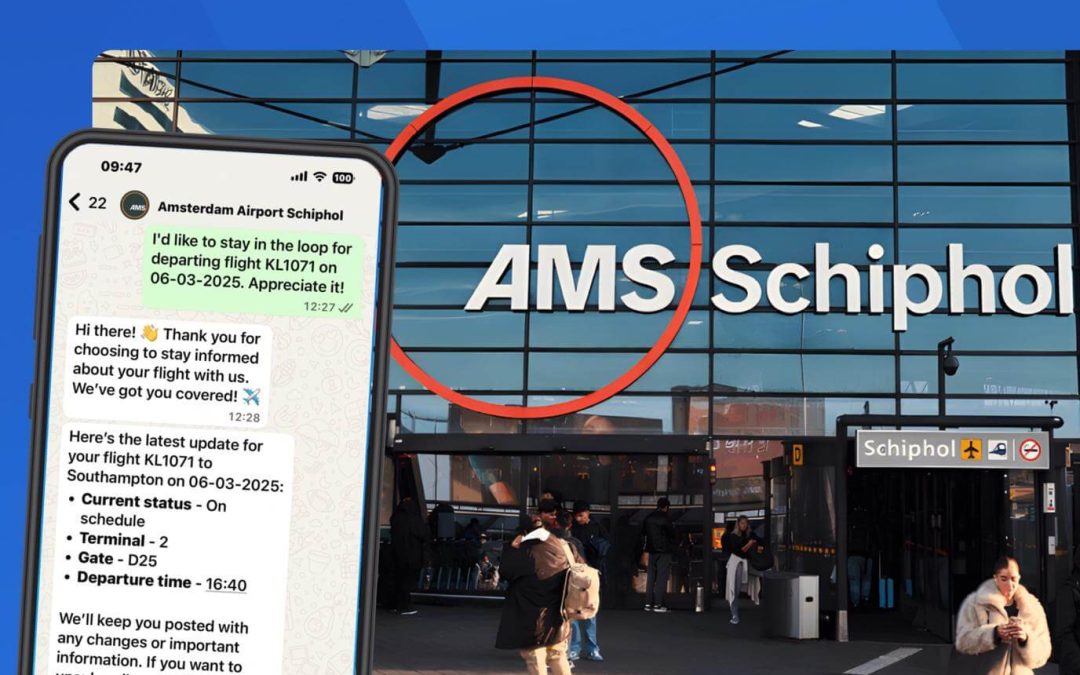
- WhatsApp: Growing fast in retail and travel for conversational, high-engagement touchpoints.
- Web personalisation: Dynamically adjusting on-site content based on a visitor’s segment or behaviour.
The key is not to use every channel at once, but to choose the right channel for the right moment. A finance brand building trust might lean heavily on email and SMS. A retail brand with a strong app might prioritise push and web. Your customer data platform should inform that decision with real behavioural insight.
Common Customer Journey Automation Mistakes to Avoid
Even well-intentioned automation can go wrong. These are the mistakes that consistently undermine otherwise solid journeys.
- Triggering on too little data: Sending a personalised message based on a single page view often feels presumptuous. Wait for meaningful signals before acting.
- Forgetting to set exit conditions: A customer who has already purchased should not continue receiving cart abandonment emails. Always define when a journey should end or branch.
- Over-communicating across channels: Hitting the same customer via email, SMS, and push within hours of each other creates fatigue, not engagement. Build frequency caps into your logic.
- Ignoring journey performance data: Automated does not mean set and forget. Review open rates, conversion points, and drop-off stages regularly to iterate.
- Building journeys in silos: When email, SMS, and push teams work independently, customers receive fragmented experiences. Cross-channel coordination is essential.
How to Get Started with Journey Automation
Starting with journey automation does not require rebuilding your entire marketing stack. The most effective approach is to start focused, prove value quickly, and scale from there.
- Audit your current touchpoints: Map out where customers interact with your brand today. Identify the highest-value moments, such as sign-up, first purchase, or lapse, where automation would have the most impact.
- Unify your data: Automation is only as good as the data feeding it. Before building journeys, ensure your customer data is consolidated and accessible in one place.
- Start with one high-impact journey: A welcome series or cart recovery flow is a practical starting point. These have clear triggers, measurable outcomes, and immediate commercial value.
- Define your triggers and logic: Be specific. What action starts the journey? What conditions move a customer to the next step? What causes them to exit?
- Test, measure, and iterate: Run A/B tests on subject lines, timing, and channel combinations. Use the data to refine your logic over time.
The goal is not perfection on day one. It is building a foundation of automated email journeys and cross-channel flows that you can grow and optimise as your understanding of your customers deepens.
How Deployteq Helps You Automate Customer Journeys
We built Deployteq specifically for marketers who need to move fast without sacrificing personalisation. Our platform connects all the pieces, data, channels, and logic, so you can build and deploy automated customer journeys that actually convert.
Here is what that looks like in practice:
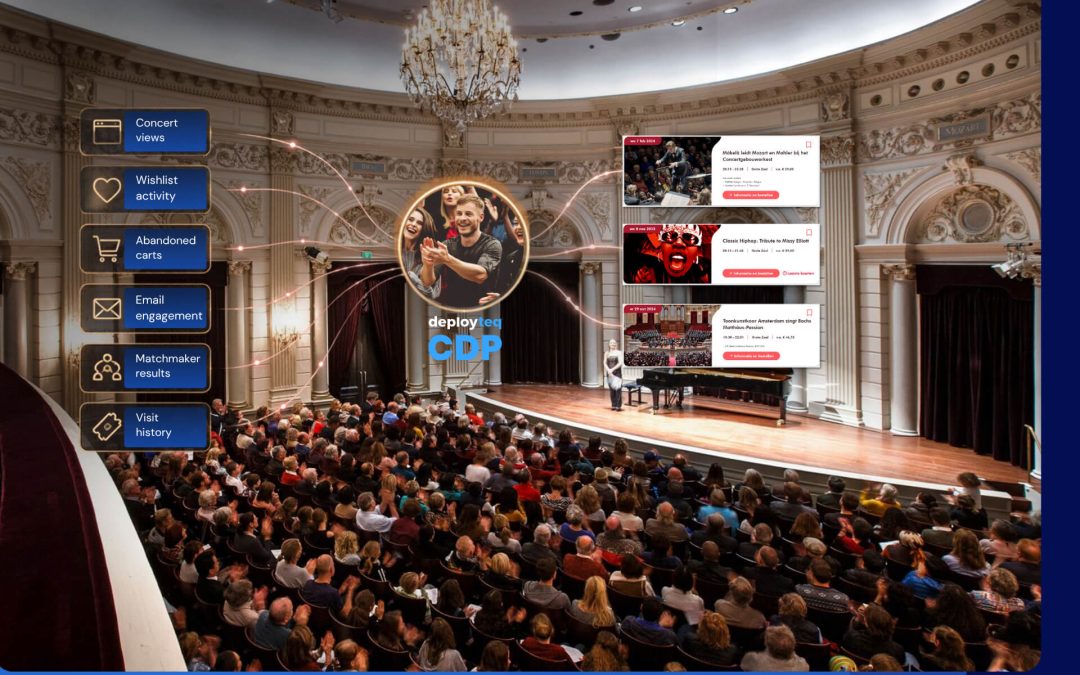
- Unified customer data: Our CDP consolidates behavioural and profile data in real time, giving you the accurate, actionable segments your journeys depend on.
- Cross-channel journey builder: Design journeys across email, SMS, WhatsApp, push, and web from a single, intuitive interface with full flexibility over logic and timing.
- Intelligent modelling: Built-in tools like RFM analysis, next-best-offer, and predictive insights help you trigger the right action at the right moment, without needing a data science team.
- Advanced segmentation: Go beyond basic lists. Build real-time segments based on live behaviour and use them to personalise every step of the journey.
- Scalable automation: Whether you are managing thousands or millions of customers, our platform scales with you, across sectors from retail and travel to finance and entertainment.
If you are ready to move beyond manual campaigns and build journeys that respond to your customers in real time, book a demo and see how we can help you get there.