Static lists are a relic of early email marketing. They decay fast, require constant manual upkeep, and treat your entire audience as if they all want the same thing at the same time. The result? Campaigns that feel generic, conversion rates that plateau, and a growing gap between what your customers expect and what you actually send.
The good news is that replacing static lists with dynamic segments is a process you can execute systematically. Follow these six steps and you will move from rigid, one-size-fits-all audiences to smart customer segmentation that updates in real time and drives measurable results.
Audit Your Existing Static Lists First
Before you build anything new, take stock of what you have. Pull every static list currently in use across your campaigns and document its purpose, size, last update date, and the logic used to create it. This audit reveals duplication, data gaps, and lists that have simply been forgotten but are still receiving sends.
- Export a full inventory of active and inactive lists from your platform.
- Flag lists that have not been updated in more than 90 days.
- Identify which lists overlap in membership and which are based on outdated criteria (e.g., a “2024 buyers” list that was never retired).
- Note the data fields each list relies on and check whether those fields are still being populated consistently.
After the audit, you should have a clear picture of which lists are doing real work and which are creating noise. This baseline also tells you which data signals are missing, which feeds directly into the next step.
Define the Behavioral and Data Signals That Drive Your Segments
Dynamic segments are only as good as the signals you feed them. Before writing a single rule, define which behaviors and data points genuinely correlate with conversion in your specific context. This is where most teams underinvest and later wonder why their segments are not performing.
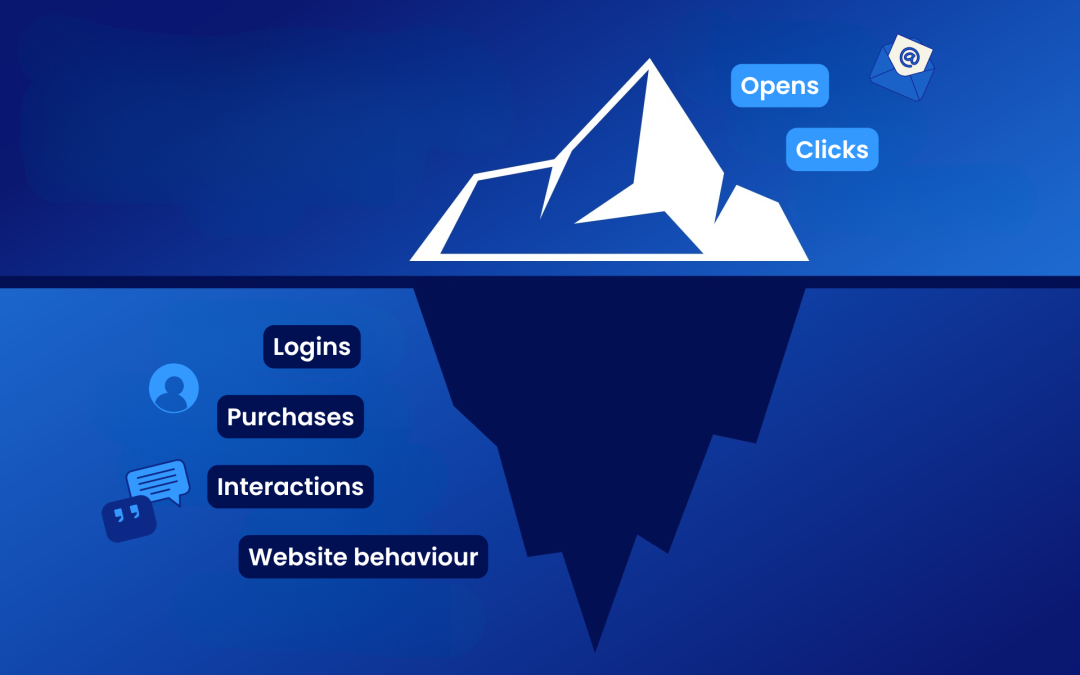
Focus on signals that are consistently captured, frequently updated, and directly linked to purchase or engagement intent. Strong candidates include:
- Recency, frequency, and monetary value (RFM) for retail and e-commerce audiences
- Browse and abandonment behavior for high-intent signals without a transaction
- Lifecycle stage (new subscriber, active buyer, lapsed customer) for tailored messaging
- Product category affinity based on past purchases or content interactions
- Booking windows or renewal dates for travel, finance, and subscription businesses
Map each signal to a segment hypothesis. For example: “Customers who browsed a product category three or more times in the last 14 days but have not purchased are high-intent and should receive a targeted offer.” Document these hypotheses before you build, so you have a rationale to test against later.
Build Your First Dynamic Segment with Real-Time Rules
Start with one well-defined segment rather than rebuilding everything at once. Pick the hypothesis with the clearest data foundation and the highest potential conversion impact. A cart abandonment segment or a lapsed customer reactivation segment are both strong starting points because the intent signal is unambiguous.
- Navigate to your segmentation tool and create a new dynamic segment.
- Set the entry condition using your primary signal (e.g., “added to cart in the last 7 days AND no purchase completed”).
- Add qualification filters to sharpen the audience (e.g., exclude customers who have already received a recovery email in the same window).
- Set the segment to refresh automatically at the cadence that matches your send frequency: daily for high-volume campaigns, hourly for triggered flows.
- Preview the segment membership and cross-check a sample of profiles manually to confirm the logic is working as intended.
Your verification checkpoint here is simple: the segment should update its membership count without any manual intervention. If the count is static after 24 hours, the refresh rule is not firing correctly. Check your data pipeline and trigger configuration before moving on.
Map Dynamic Segments to Campaign Journeys
A dynamic segment sitting in isolation does nothing. The next step is connecting it to a campaign journey that responds to segment membership in real time. This is where the conversion lift actually happens, because messaging becomes contextually relevant rather than scheduled by a calendar.
For each segment, define the journey entry point, the channel sequence, and the exit condition:
- Entry point: When does a contact qualify and trigger the journey? Immediately on segment entry, or after a defined delay?
- Channel sequence: Which channels does the journey span? Email first, followed by SMS or push if there is no open or click within 48 hours, is a proven pattern for retail and travel audiences.
- Exit condition: When does a contact leave the journey? On purchase, on conversion action, or after a fixed number of touchpoints without response?
Keep your first journey simple. A three-step sequence (trigger, follow-up, final nudge) is easier to validate and iterate than a complex branching flow. Once you have proven the segment-to-journey logic works, you can add conditional splits and personalization layers.
Validate Segment Accuracy Before Sending
Sending to a misconfigured dynamic segment at scale is one of the fastest ways to damage deliverability and customer trust. Build in a validation step before any live send, especially for segments that include suppression logic or exclusion rules.
- Pull a sample of 20 to 50 profiles from the segment and manually verify each one meets the entry criteria.
- Check that suppression rules are working by confirming that contacts who should be excluded are not appearing in the segment.
- Run a test send to an internal seed list that mirrors the segment criteria and confirm personalization tokens are rendering correctly.
- Review segment size relative to your expectation. A segment that is significantly larger or smaller than anticipated usually signals a logic error in the rules.
After validation, you should be confident that every contact in the segment belongs there and that the content they receive is relevant to their specific signal. This step takes 30 minutes but prevents the kind of errors that take weeks to recover from.
Measure Conversion Performance and Refine Segment Logic
Dynamic segments are not set-and-forget. The real advantage over static lists is that you can continuously refine the logic based on what the data tells you. Set a review cadence of every two to four weeks for active segments and measure against the metrics that matter most for your objective.
Track the following for each segment-driven campaign:
- Conversion rate by segment versus your overall list average
- Segment churn rate: how quickly contacts enter and exit, which tells you whether the signal is stable
- Revenue per contact for transactional segments to quantify the commercial impact
- Unsubscribe and complaint rates as a signal that the segment logic may be too broad or the messaging is off-target
When a segment is underperforming, start with the entry criteria before changing the content. A segment that is too broad will always dilute results. Tighten the qualifying conditions, re-validate, and re-measure before drawing conclusions about the creative or offer.
How Deployteq Helps You Build Smarter Segments
We built Deployteq specifically for marketers who are ready to move beyond static lists and manual audience management. Our platform gives you the tools to put everything in this guide into practice without needing a data engineering team to support you.
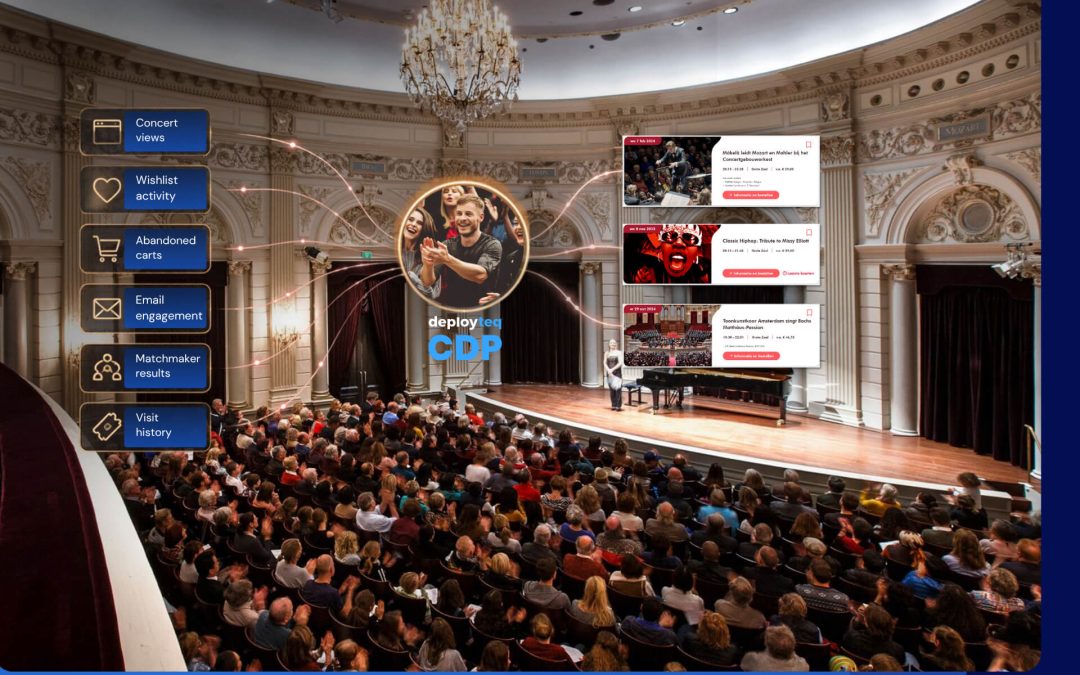
- Real-time dynamic segmentation that updates automatically based on behavioral and transactional signals
- Built-in RFM and predictive models through our Customer Data Platform so you can build high-intent segments from day one
- A flexible journey builder that connects segment entry directly to cross-channel campaign flows across email, SMS, WhatsApp, push, and web
- Suppression and exclusion logic built into the segmentation layer, so validation is faster and errors are caught before they reach your audience
If you are managing a high-volume customer base and want to see how dynamic segmentation performs in your specific context, do a self-guided demo and explore what smarter segments can do for your conversion rates.