A customer data platform supports cross-channel marketing by unifying all customer data into a single profile, then activating that profile across every channel simultaneously. Instead of running siloed campaigns per channel, marketers can trigger consistent, personalised messages based on real behaviour, wherever the customer is. Below, we break down exactly how a CDP platform makes this possible.
What channels can a CDP platform activate at once?
A CDP platform can activate email, SMS, WhatsApp, push notifications, web personalisation, and paid media channels simultaneously from a single customer profile. Because all activation flows from one unified data layer, the message a customer receives on WhatsApp reflects the same context as the email they opened an hour earlier.
This simultaneous activation is what separates a real-time customer data platform from a basic broadcast tool. Rather than manually syncing lists between channels, the CDP pushes the right data to each channel the moment a trigger fires. For a retail brand, that might mean a cart abandonment email fires within minutes, followed by a push notification the next morning if the email goes unopened.
Channels commonly activated through a CDP include:
- Email — triggered by behavioural events, lifecycle stage, or predictive scoring
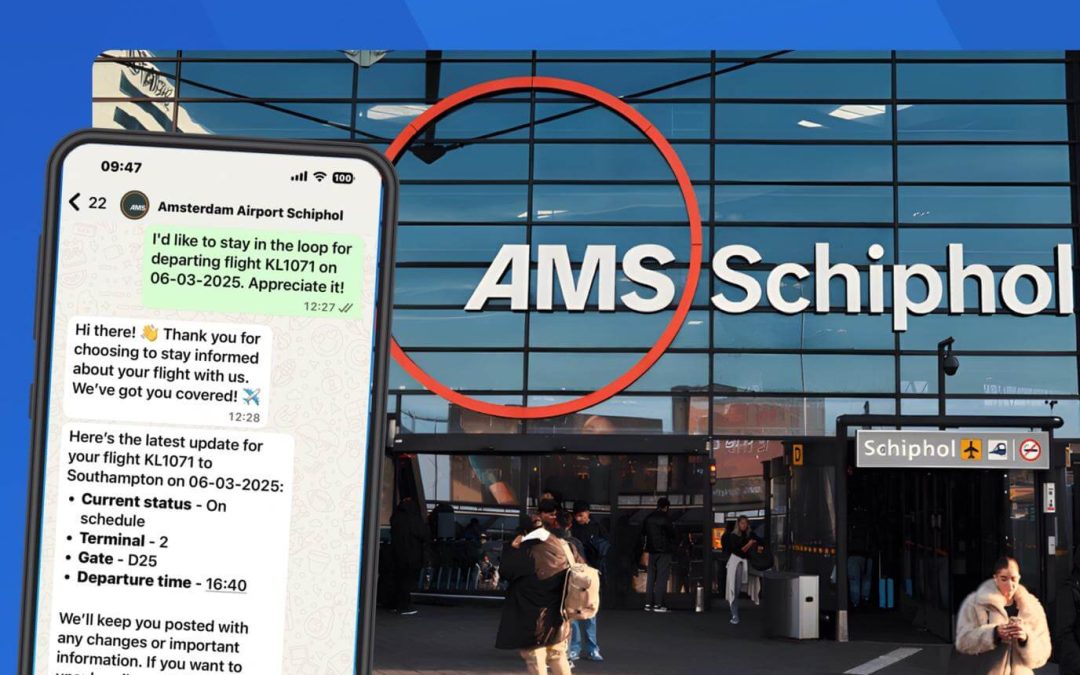
- SMS and WhatsApp — for high-urgency messages like booking confirmations or flash sales
- Push notifications — for mobile app users based on in-app behaviour
- Web personalisation — dynamically changing on-site content based on the visitor’s profile
- Paid media — syncing audience segments to social and display platforms for consistent retargeting
The practical benefit is consistency. A travel brand running a loyalty campaign can ensure a customer sees the same offer whether they land on the website, open an email, or receive a push notification, with no manual reconciliation required between teams.
How does a CDP unify customer data from multiple sources?
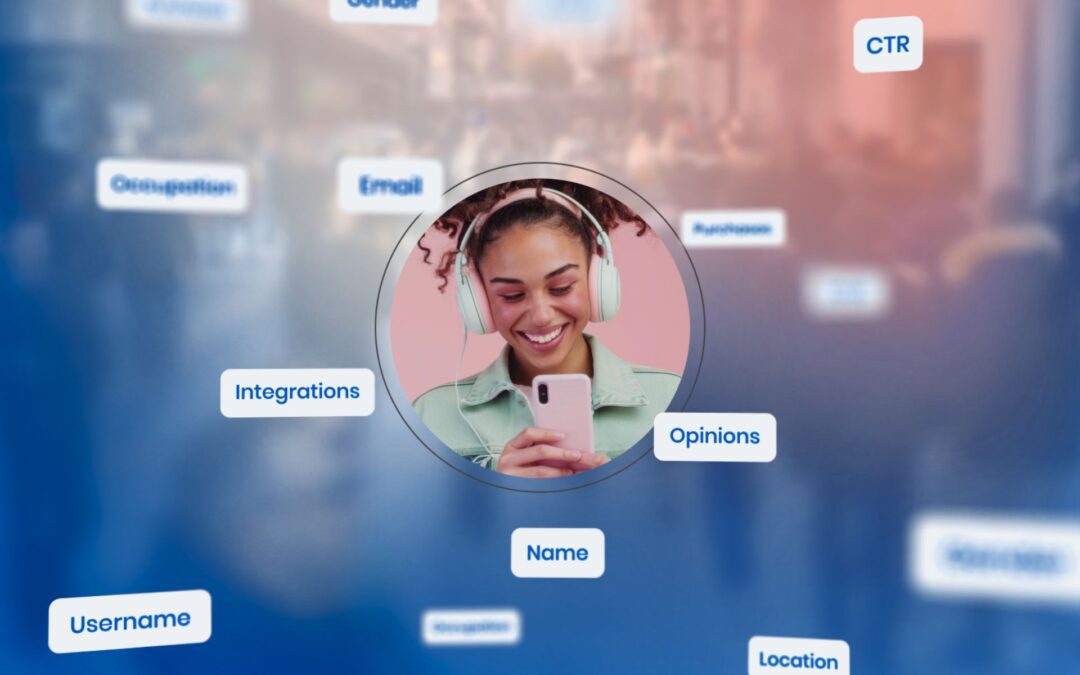
A CDP unifies customer data by ingesting information from multiple sources, resolving it to a single identity, and building one continuous customer profile. Sources typically include your CRM, website behaviour, transactional systems, mobile apps, and third-party data feeds, all merged using a persistent customer identifier.
The identity resolution process is what makes this powerful. When a customer browses your site anonymously, then logs in, then makes a purchase via the app, a CDP links those touchpoints into one profile rather than treating them as three separate users. This gives marketers a 360-degree view of each individual, including their full purchase history, engagement patterns, and predicted next action.
Data flows into a CDP in real time, which means the profile updates continuously rather than on a nightly batch schedule. For a finance brand, this matters enormously. If a customer submits a loan inquiry at 9am, the CDP can suppress promotional emails and trigger a relevant follow-up sequence within minutes, not the following day.
The result is unified customer profiles that are always current, always complete, and always ready to activate.
How does a CDP improve segmentation for cross-channel campaigns?
A CDP improves segmentation by combining behavioural, transactional, and predictive data into dynamic audience segments that update in real time. Unlike static lists, CDP-powered segments reflect what a customer is doing right now, not just what they did last month.
This matters most when running cross-channel campaigns. If a segment is built on purchase recency, frequency, and monetary value (RFM), every channel activation draws from the same up-to-date segment logic. A customer who makes a purchase today is automatically removed from win-back flows and added to post-purchase sequences, across all channels, without manual list management.
Predictive modelling takes this further. A real-time customer data platform can surface next-best-offer recommendations based on what similar customers have done, or flag customers showing churn signals before they actually leave. For an entertainment brand with high-frequency engagement, this means you can shift a customer from a re-engagement track to a loyalty track the moment their behaviour changes.
Smart segmentation also reduces message fatigue. By knowing exactly where a customer sits in their lifecycle, you avoid sending irrelevant messages that erode trust and inflate unsubscribe rates. Learn more about advanced email segmentation and how it feeds into broader cross-channel strategies.
What is the difference between a CDP and a CRM for cross-channel marketing?
A CRM manages relationships and records interactions, primarily for sales and service teams. A CDP collects, unifies, and activates customer data in real time, specifically to power marketing across every channel. The key distinction is activation: a CRM stores data, a CDP puts it to work.
CRMs are built around known contacts and structured data, such as contact records, deal stages, and support tickets. They are excellent for account management and one-to-one sales follow-up. But they were not designed to ingest anonymous web behaviour, resolve identities across devices, or trigger personalised messages at scale across six channels simultaneously.
A CDP fills that gap. It ingests structured and unstructured data from any source, builds a live customer profile, and feeds that profile directly into your marketing execution layer. For a cross-channel campaign, the CDP is the engine that decides who gets what message, on which channel, at which moment.
Many brands use both. The CRM handles the commercial relationship; the CDP handles marketing activation. When integrated, the two systems complement each other without overlap.
When should a brand upgrade to a CDP platform?
A brand should upgrade to a CDP platform when fragmented data is causing inconsistent customer experiences, when manual segmentation cannot keep pace with campaign volume, or when cross-channel activation requires more than your current tools can deliver. These are the signals that basic platforms have hit their ceiling.
Specific indicators that it is time to move include:
- Customer data lives in three or more disconnected systems with no single source of truth
- Segments take days to build and are out of date by the time campaigns launch
- Personalisation is limited to first name and last purchase, rather than full lifecycle context
- Teams spend more time exporting and importing lists than building campaigns
- Cross-channel campaigns feel disjointed because each channel operates from a different data set
For brands migrating from simpler tools like MailChimp or ActiveCampaign, the upgrade to a CDP-powered platform is often triggered by growth. As customer bases scale and journeys become more complex, the limitations of entry-level platforms become a direct constraint on revenue. A marketing automation platform with built-in CDP capabilities removes that ceiling.
How Deployteq helps with cross-channel marketing through its CDP
We built our Customer Data Platform specifically to solve the challenges outlined above, giving marketers a single place to unify data, build smart segments, and activate campaigns across every channel without switching tools.
Here is what our CDP delivers in practice:
- 360-degree customer profiles — all data sources resolved into one live profile per customer
- Intelligent modelling — RFM scoring, next-best-offer recommendations, and predictive lifecycle insights built in
- Direct campaign activation — segments activate immediately across email, SMS, WhatsApp, push, and web from the same platform
- Real-time updates — profiles and segments refresh continuously, so every campaign reflects current behaviour
- No data silos — all channels draw from the same customer data layer, ensuring consistency at every touchpoint
Whether you are running a loyalty campaign for a travel brand or a post-purchase sequence for an e-commerce retailer, Deployteq gives you the data and the tools to make it land. Explore our Customer Data Platform or book a demo to see it in action.