A Customer Data Platform (CDP) connects data across email, SMS, and web channels by creating a unified customer profile that pulls together behavioural, transactional, and demographic data from every touchpoint into a single, actionable record. Rather than leaving your data siloed across separate tools, a CDP continuously syncs information across channels so every interaction informs the next. Below, we unpack the key questions marketers ask when evaluating whether a CDP is right for their stack.
What data does a CDP actually unify across channels?
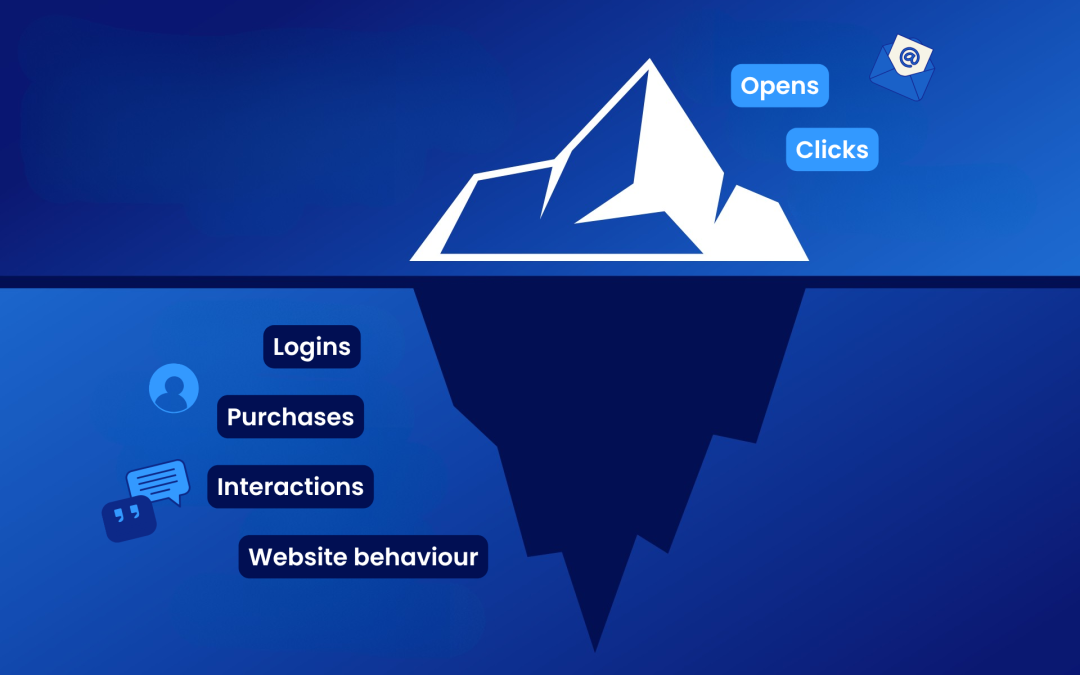
A CDP unifies three core types of customer data: behavioural data (what a customer does, such as pages visited, emails opened, or links clicked), transactional data (what they buy, how often, and at what value), and identity data (who they are, including contact details, preferences, and device identifiers). Together, these form a single customer view that spans every channel.
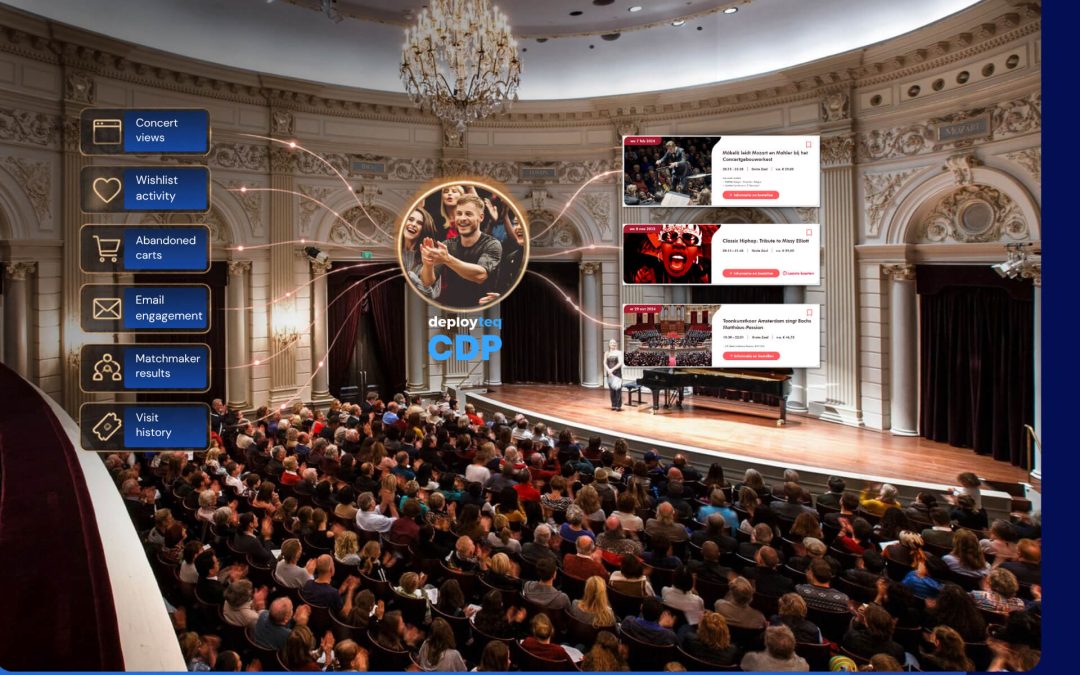
In practice, this means a retail brand can connect a customer’s browsing history on their website with their email engagement, their SMS opt-in status, and their purchase history, all within one profile. That profile updates in real time as new data flows in, so the picture stays accurate rather than going stale between batch imports.
The real power comes from the depth of that profile. A well-built CDP does not just store contact data. It captures lifecycle stage, RFM scores (recency, frequency, monetary value), predictive propensity signals, and next-best-offer recommendations. This is the kind of data that turns a generic broadcast into a genuinely relevant message.
How does a CDP sync email, SMS, and web data in real time?
A CDP syncs cross-channel data in real time by acting as a central hub that receives event streams from every connected source. When a customer opens an email, visits a product page, or responds to an SMS, that event is written back to their unified profile immediately. Every channel then reads from the same profile, so no channel operates with outdated information.
This matters most at the moment of decision. If a customer abandons a cart on your website, a real-time sync means your email trigger fires within minutes rather than the next morning. If they then click through and purchase via SMS, the CDP updates the profile so no follow-up reminder is sent unnecessarily.
Web personalisation is a strong example of real-time sync in action. When a returning visitor lands on your homepage, the CDP can surface their segment, their last purchase category, and their predicted next need, all within milliseconds, so the page they see feels tailored rather than generic. That level of responsiveness requires data that is live, not batched.
What is the difference between a CDP and a CRM or DMP?
The key distinction in the customer data platform vs CRM debate is scope and activation. A CRM manages known customer relationships, typically sales interactions and support history. A DMP (Data Management Platform) handles anonymous, third-party audience data for ad targeting. A CDP does something different: it unifies first-party data from known and anonymous sources into persistent, real-time profiles built for marketing activation.
CRM: relationship management, not real-time activation
A CRM is designed for managing contacts, pipeline stages, and service interactions. It is excellent at recording what your sales and support teams know about a customer, but it is not built to ingest real-time behavioural signals from your website or app, and it typically cannot trigger cross-channel campaigns based on live events.
DMP: anonymous audiences, not persistent profiles
A DMP aggregates cookie-based and third-party audience data for programmatic advertising. Profiles in a DMP are often anonymous and short-lived. With third-party cookies declining, the DMP model has become significantly less reliable for targeting. A CDP, by contrast, is built on first-party data and creates persistent profiles that remain useful regardless of cookie deprecation.
The practical takeaway: a CRM tells you who your customers are. A CDP tells you what they are doing right now, across every channel, and what to do next.
How does connected data improve personalisation across channels?
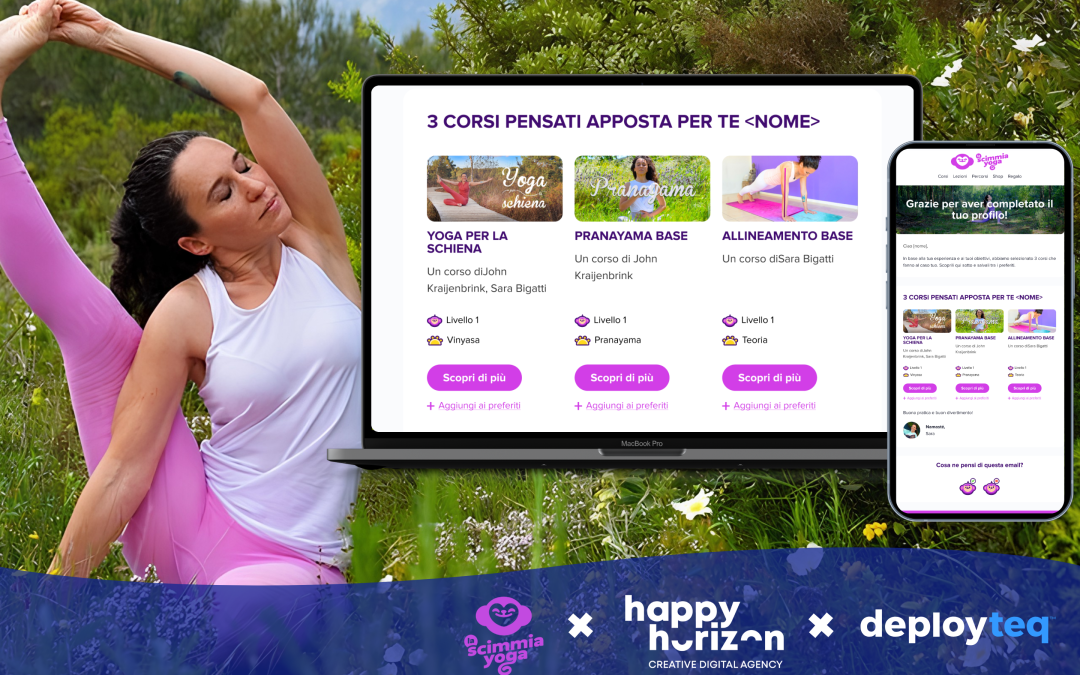
Connected data improves personalisation by ensuring every channel draws from the same 360 customer view rather than a fragmented snapshot. When email, SMS, and web all read from a unified profile, you can build segments based on the full picture of a customer’s behaviour, not just what one channel can see in isolation.
Consider a travel brand. A customer who browsed city break destinations last week, opened a promotional email but did not convert, and has a high RFM score is a very specific segment. With connected data, you can target that person with a timely SMS offer for exactly the destination they viewed, at a moment when they are most likely to book. Without a unified profile, those three signals sit in three separate systems and the opportunity disappears.
Personalisation at this level also reduces message fatigue. When your marketing automation knows a customer has already converted, it suppresses further promotional messages automatically. That is good for the customer experience and good for your unsubscribe rate.
Which channels can a CDP activate data for?
A CDP can activate unified customer data across any channel that your marketing platform supports. The most common activation channels include email, SMS, web push notifications, WhatsApp, in-app messaging, and on-site personalisation. The CDP does not send the messages itself. It enriches the profiles that your campaign tools use to decide who gets what, when, and through which channel.
The strength of a CDP lies in its ability to make those activation decisions smarter. Rather than running separate campaigns per channel with separate logic, you run a single customer journey where the CDP determines the best next action based on the full profile. If a customer is highly engaged on email, send email. If they have opted into SMS and their email engagement has dropped, switch channels. That kind of intelligent routing is only possible when all channel data feeds into one place.
For brands operating in retail, entertainment, or finance, where customers interact across multiple touchpoints in a single week, this cross-channel intelligence is not a nice-to-have. It is what separates relevant communication from noise.
When should a brand invest in a CDP over simpler tools?
A brand should invest in a CDP when their data volume, channel complexity, or personalisation requirements have outgrown what simpler tools can handle. If you are managing multiple data sources, running campaigns across more than two channels, or finding that your segments go stale between syncs, a CDP is the right next step. Simpler platforms like basic email marketing tools are excellent for single-channel execution, but they cannot unify cross-channel data or power real-time triggers from live behavioural signals.
Specific signals that a brand is ready for a CDP include:
- Customer data is spread across multiple platforms with no single source of truth
- Personalisation is limited to basic merge tags rather than behavioural or predictive logic
- Campaign suppression and frequency capping are managed manually across channels
- Segment builds take hours or days rather than minutes
- Web and email data are not connected, so on-site behaviour does not inform campaign triggers
For brands in travel, hospitality, or e-commerce managing high-volume customer bases, the ROI case for a CDP is typically straightforward. The ability to trigger the right message at the right moment, based on a complete customer profile, directly improves conversion rates, reduces churn, and increases LTV.
How Deployteq’s CDP connects your data across every channel
We built our Customer Data Platform to give marketers a genuinely unified view of every customer, without requiring a data science team to make it work. Here is what that looks like in practice:
- Unified customer profiles: All first-party data, behavioural, transactional, and demographic, consolidated into a single, persistent profile per customer
- Intelligent modelling built in: RFM scoring, next-best-offer recommendations, and predictive lifecycle insights are available directly within campaign workflows
- 360-degree single customer view: A visual, connected picture of each customer’s full journey, accessible to your marketing team without SQL queries
- Direct activation across channels: Activate unified data immediately across email, SMS, WhatsApp, push, and web, all within the same platform
- Real-time sync: Profiles update as events happen, so your triggers fire at the moment of highest intent, not the following morning
If your current stack is leaving data disconnected and your personalisation has hit a ceiling, it is worth seeing what a connected CDP looks like in action. Book a demo and we will show you exactly how it works for your channels and your data.