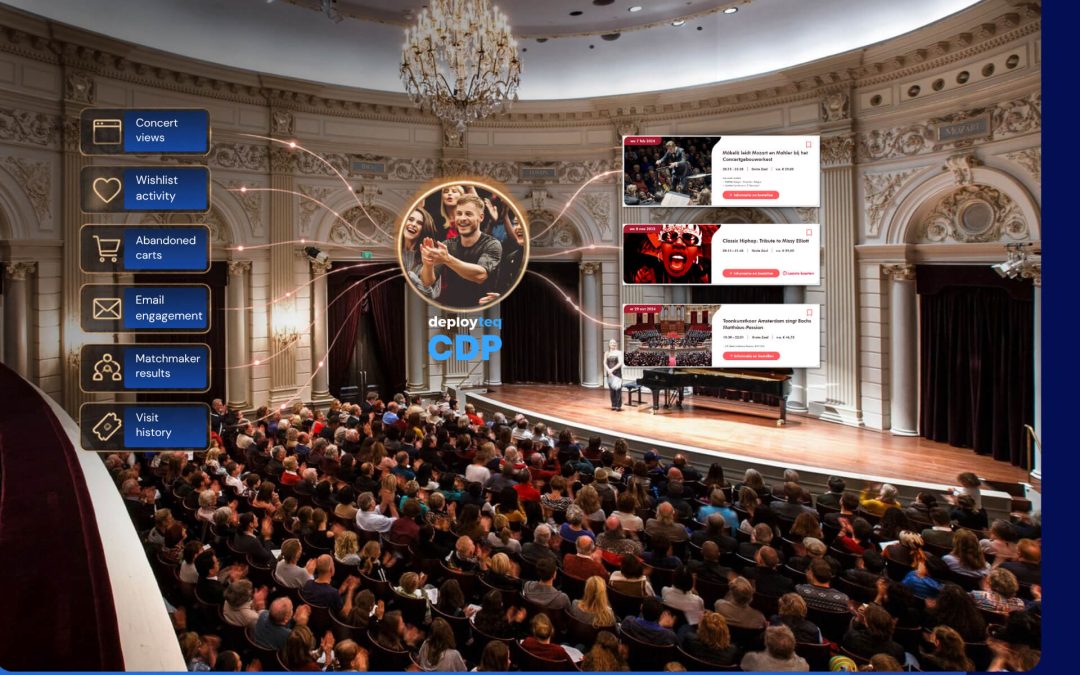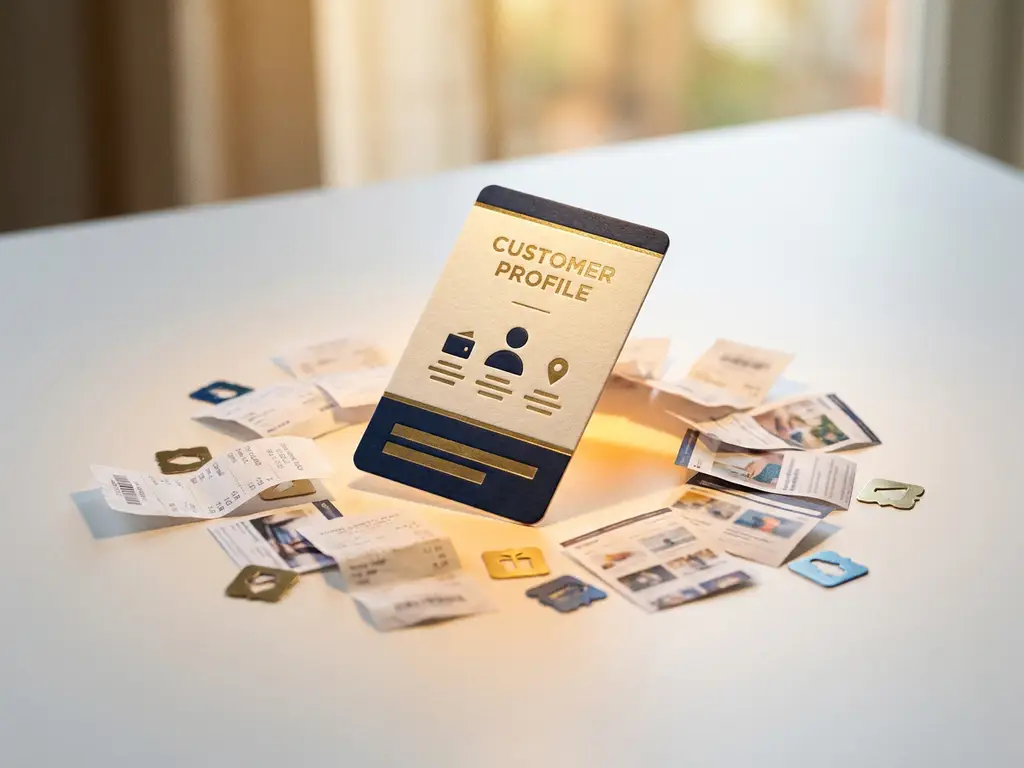
You use a customer data platform for personalisation by unifying all your customer data into a single profile, then using that profile to trigger relevant, timely messages across every channel. A CDP pulls together behavioural, transactional, and demographic data so your campaigns reflect what each customer actually does, not just who they are on paper. Below, we unpack the key questions marketers ask when putting a CDP to work for personalisation.
What data does a CDP bring together for personalisation?
A customer data platform consolidates data from every touchpoint a customer has with your brand into a single, unified profile. This includes transactional data (purchases, returns, order history), behavioural data (web browsing, email clicks, app activity), demographic data, and real-time event data such as cart abandonment or a loyalty tier change.
The real power is in the connections a CDP makes between these data sources. Rather than having your email engagement data sitting in one tool and your purchase history in another, a CDP resolves these into one coherent view of each individual. For a retailer, that means knowing a customer browsed winter coats last Tuesday, opened a promotional email on Thursday, and has a lifetime value that puts them in your top 20% of buyers. That is the data you need to personalise at scale.
Key data types a CDP brings together include:
- First-party behavioural data from your website, app, and email campaigns
- Transactional records including purchase frequency, average order value, and product categories
- CRM and loyalty data such as membership tier, preferences, and service history
- Real-time event data that triggers personalised responses the moment something happens
How does a CDP create segments for personalised campaigns?
A CDP creates segments by applying rules, models, or predictive logic to unified customer profiles, grouping customers who share meaningful behavioural or value characteristics. Unlike static lists, CDP segments update in real time as customer behaviour changes, so your campaigns always reflect current intent rather than data from last month’s export.
The most effective CDP segmentation goes beyond simple demographics. Intelligent models such as RFM (Recency, Frequency, Monetary value) automatically surface your highest-value customers, your lapsed buyers, and those on the cusp of churning. Next-best-offer modelling takes this further by predicting which product or message is most likely to convert for each individual.
For a travel brand, this might mean building a segment of customers who booked a city break in the last 12 months, have not yet booked for the coming summer, and historically respond to early-bird offers. That segment is far more actionable than a broad “past customer” list, and a CDP builds it automatically as the underlying data updates.
Explore how smart segmentation with a CDP works in practice to see how these models translate into campaign-ready audiences.
Which channels can a CDP personalise at the same time?
A CDP can drive personalisation simultaneously across every channel where you have customer touchpoints, including email, SMS, push notifications, WhatsApp, web personalisation, and paid media audiences. The key is that all of these channels draw from the same unified customer profile, so the message a customer receives via SMS is consistent with what they see in their inbox or on your homepage.
This cross-channel consistency is where CDP-driven personalisation outperforms single-channel approaches. If a customer ignores an email about a flight deal but then opens a push notification with the same offer, the CDP registers both interactions and updates the profile accordingly. The next touchpoint can adapt based on the full picture, not just one channel’s data.
Channels you can personalise simultaneously with a CDP typically include:
- Email (dynamic content blocks, personalised subject lines, send-time optimisation)
- SMS and WhatsApp (real-time transactional and promotional messages)
- Mobile push notifications (triggered by in-app behaviour or location)
- Website personalisation (dynamic banners, product recommendations, tailored landing pages)
- Paid social and display (syncing CDP segments to ad platforms for audience matching)
What’s the difference between a CDP and a CRM for personalisation?
The key distinction is that a CRM manages relationships and records, while a CDP activates data for real-time personalisation. A CRM stores contact information, sales history, and service interactions, and is primarily used by sales and customer service teams. A CDP ingests behavioural and event data at scale, resolves it into unified profiles, and feeds live segments directly into marketing campaigns.
In practical terms, a CRM tells you who your customer is. A CDP tells you what your customer is doing right now and predicts what they are likely to do next. For personalisation at scale, you need both working together, but the CDP is the engine that makes real-time, behaviour-driven campaigns possible.
Consider a finance brand sending insurance renewal reminders. The CRM holds the policy renewal date. The CDP knows the customer recently searched for competitor quotes on your comparison page, opened two emails about switching, and has a high LTV. The CDP uses all of that to trigger a personalised retention offer at exactly the right moment. The CRM alone could not do that.
How do you activate CDP data inside marketing campaigns?
You activate CDP data in marketing campaigns by connecting your CDP directly to your campaign execution tools, so that segments and profile attributes flow automatically into your email, SMS, and other channel workflows. Activation means the data is not just stored but is doing something, triggering a journey, populating a dynamic content block, or updating a send condition in real time.
The most effective activation patterns include:
- Trigger-based journeys that fire when a customer crosses a behavioural threshold (e.g. three visits to a product page with no purchase)
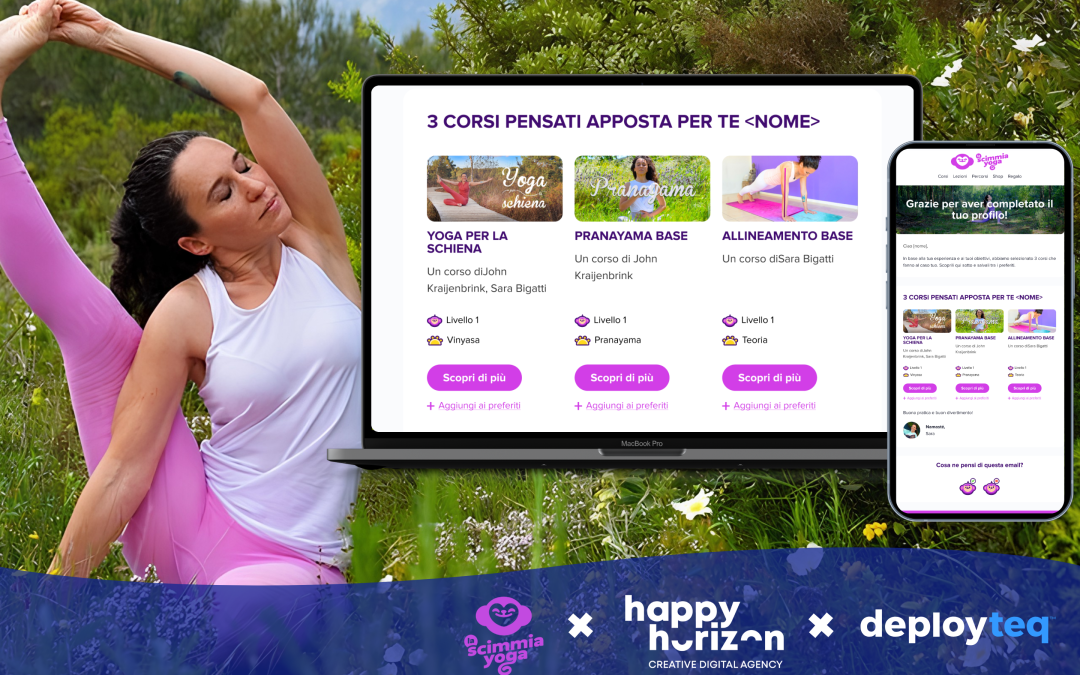
- Dynamic content personalisation where email or web content changes based on segment membership or profile attributes
- Predictive sends using next-best-offer or churn propensity scores to prioritise which customers receive which campaign
- Suppression logic that removes customers from campaigns they are no longer relevant for, based on real-time profile updates
The closer the integration between your CDP and your marketing automation platform, the less manual work sits between insight and execution. When activation is seamless, your team can focus on strategy rather than data wrangling.
How do you measure whether CDP-driven personalisation is working?
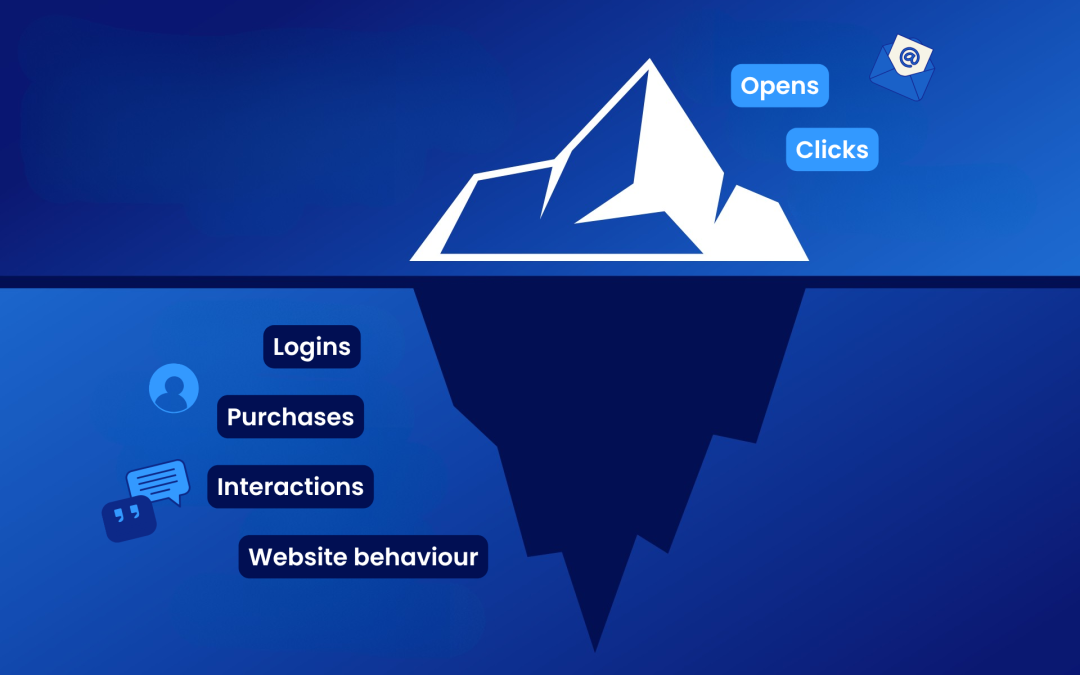
You measure CDP-driven personalisation effectiveness by tracking metrics that reflect relevance and revenue impact, not just volume. Open rates and click rates show engagement, but conversion rate by segment, revenue per email, and customer lifetime value growth tell you whether your personalisation is actually changing behaviour.
A practical measurement framework should include:
- Segment-level performance: Compare conversion rates and revenue across different CDP segments to see which audiences respond best to which messages
- Uplift testing: Run A/B tests between personalised and non-personalised versions of campaigns to isolate the impact of CDP data
- Lifecycle progression: Track whether customers are moving through lifecycle stages (e.g. from first-time buyer to repeat purchaser) at a higher rate after CDP activation
- Churn and retention metrics: Monitor whether predictive churn models are successfully identifying and retaining at-risk customers before they lapse
The goal is to connect CDP activity directly to commercial outcomes. If your RFM-based VIP segment is generating significantly higher revenue per send than your general list, that is the CDP working. If your next-best-offer model is improving conversion on product recommendations, you can see that in your average order value data. Measurement should be built into your CDP strategy from day one, not bolted on after launch.
How Deployteq helps you personalise with a CDP
We built our Customer Data Platform to make personalisation genuinely easy to activate, not just theoretically possible. Here is what that looks like in practice:
- Unified customer profiles that pull together every data source into a single 360-degree view, updated in real time
- Intelligent models built in, including RFM, next-best-offer, and predictive lifecycle insights, ready to use without a data science team
- Direct activation into campaigns across email, SMS, WhatsApp, push, and web, all from one platform
- Smart segmentation that updates automatically as customer behaviour changes, so your audiences are always current
- Website personalisation powered by the same CDP profiles, so every touchpoint tells a consistent story
If you are ready to stop working around fragmented data and start delivering hyper-personalised campaigns that actually convert, book a demo and we will show you exactly how our CDP works with your existing stack.