Not every marketing team needs a CDP for marketing automation, but many do and don’t realise it yet. If your customer data lives in multiple disconnected systems and your personalisation is limited by what a single platform can see, a CDP fills that gap. Below, we unpack the key questions marketers are asking about CDPs and marketing automation in 2026, so you can make a confident decision about your stack.
What does a CDP actually add to marketing automation?
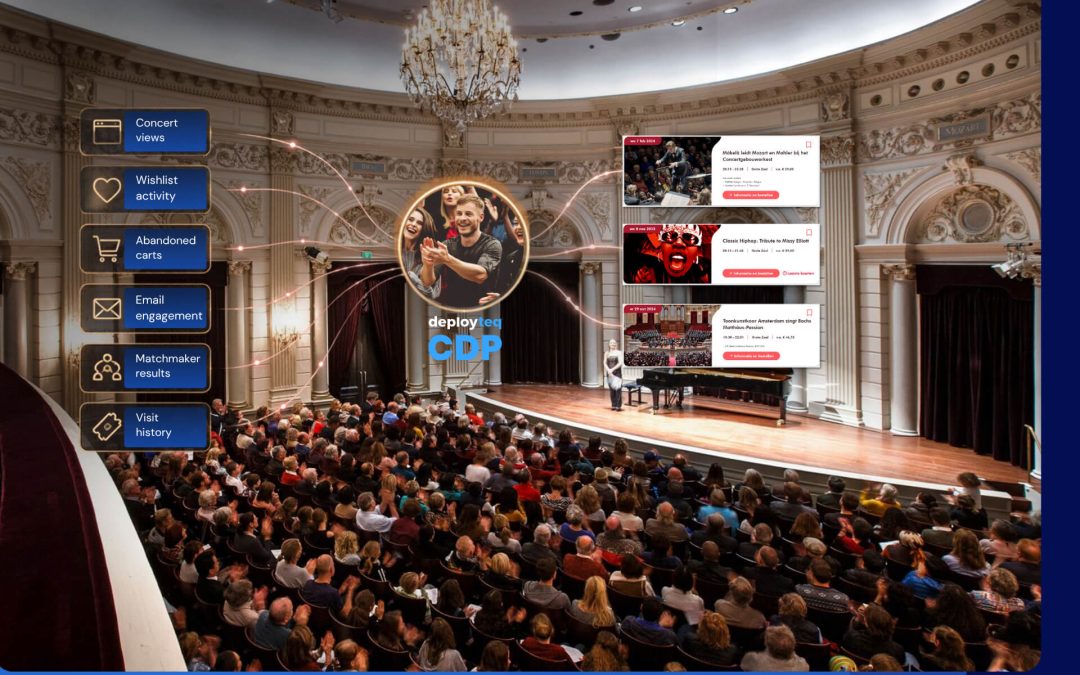
A customer data platform adds a unified, persistent customer profile layer that sits beneath your marketing automation tools. It pulls data from every source, CRM, web behaviour, purchase history, loyalty data, and offline interactions, and resolves it into a single view of each customer. That unified profile is what makes truly real-time, hyper-personalised automation possible.
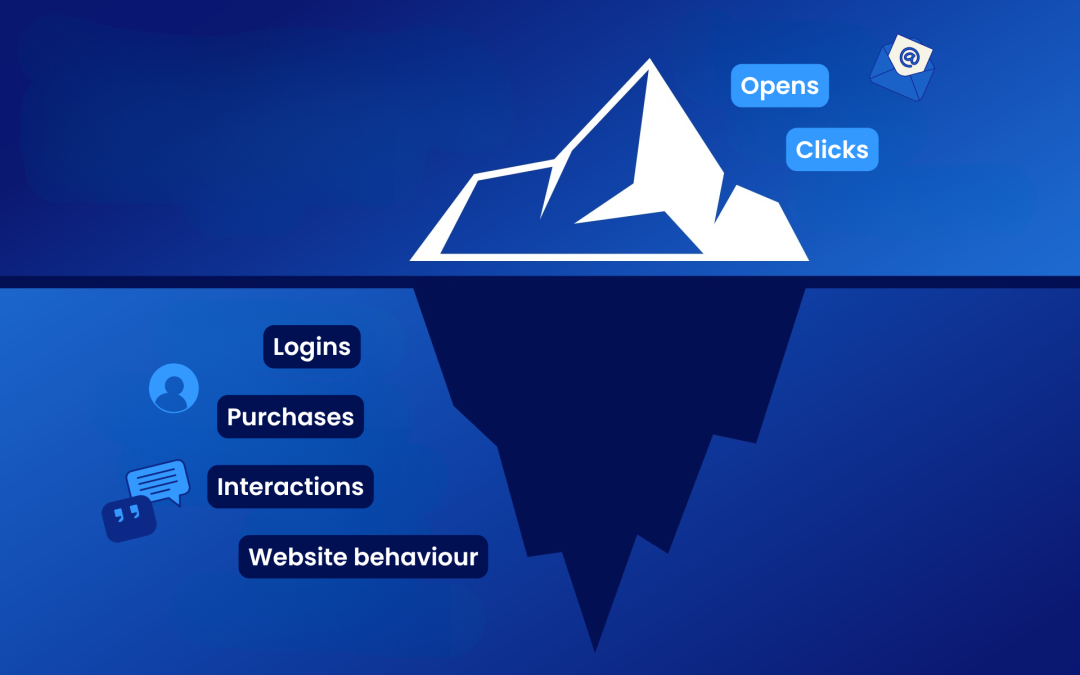
Without that layer, marketing automation platforms work with fragmented data. They can trigger emails and segment lists, but they are limited to the data that lives inside them. A CDP removes that ceiling.
In practice, the CDP benefits for marketing teams include:
- Real-time segmentation based on live behavioural signals, not yesterday’s batch export
- Cross-channel consistency so a customer who browses on mobile and converts on desktop is treated as one person, not two
- Predictive modelling such as RFM scoring, next-best-offer logic, and churn propensity built on complete data
- Data governance with a clear, auditable record of where customer data comes from and how it is used
For high-volume B2C brands in retail, travel, or finance, these are not nice-to-haves. They are the difference between automation that feels personal and automation that feels generic.
What’s the difference between a CDP and a marketing automation platform?
The key distinction is purpose. A customer data platform collects, unifies, and stores customer data from all sources. A marketing automation platform uses that data to execute campaigns, journeys, and communications. They solve different problems, and the best results come when both work together.
Think of it this way: the CDP is the brain, and the marketing automation platform is the hands. The CDP builds the complete picture of each customer. The automation platform decides what to send, when to send it, and through which channel.
Here is where they differ in practice:
- Data scope: CDPs ingest data from anywhere, including offline, third-party, and real-time event streams. Marketing automation platforms typically work with the data fed into them directly.
- Profile persistence: CDPs maintain a permanent, evolving customer profile. Automation platforms often hold contact records that reflect the last known state.
- Activation: Marketing automation platforms are built for activation: sending emails, triggering SMS, managing journeys. CDPs are built for data enrichment and segmentation, not delivery.
The CDP vs marketing automation debate is often a false one. They are complementary, not competing.
When does a business actually need a CDP?
A business needs a CDP when its customer data is too fragmented for its marketing automation platform to deliver meaningful personalisation. If your team regularly exports lists manually, reconciles duplicate customer records, or cannot trigger campaigns based on real-time behaviour, those are clear signals that a CDP would unlock significant value.
More specifically, consider a CDP when:
- You operate across multiple channels and customer data does not flow between them automatically
- Your segmentation relies on static lists rather than dynamic, behaviour-based rules
- You have loyalty, CRM, and ecommerce data sitting in separate systems with no unified view
- You want to run predictive models, such as next-best-offer or churn scoring, but lack the data foundation to do so
- Your personalisation is limited to first name and last purchase, rather than full lifecycle context
For a travel brand running booking window campaigns, a CDP means every trigger is informed by a customer’s full journey history, not just their last email click. That level of context changes conversion rates meaningfully.
What are the risks of running marketing automation without a CDP?
Running marketing automation without a CDP means your campaigns are only as good as the data inside your automation platform. That data is almost always incomplete. The practical risks include poor personalisation, duplicate messaging, missed triggers, and an inability to act on real-time signals, all of which erode customer experience and campaign performance over time.
The specific risks to watch for:
- Siloed customer views: A customer who contacts support, browses your website, and opens an email is treated as three separate signals rather than one coherent journey.
- Stale segmentation: Without real-time data feeds, your segments reflect who your customers were, not who they are right now.
- Over-communication and fatigue: Without a unified profile, the same customer can receive overlapping messages from different campaign streams.
- Missed revenue opportunities: Predictive triggers, like a customer showing high purchase intent, require complete behavioural data. Without a CDP, those moments go undetected.
For high-frequency sectors like entertainment or e-commerce, these gaps compound quickly. The cost of not acting on the right signal at the right moment is real.
Can a marketing automation platform replace a standalone CDP?
A marketing automation platform can replace a standalone CDP when it includes native CDP functionality, such as unified profile management, real-time data ingestion, and cross-channel identity resolution. If those capabilities are built in, you get the benefits of both tools without managing a separate system. If they are not, a standalone CDP remains necessary.
The practical question is what your automation platform can actually do with data. Ask:
- Can it ingest data from external sources in real time, not just batch imports?
- Does it resolve customer identity across devices and channels automatically?
- Can it run predictive models, such as RFM or churn scoring, natively?
- Does it maintain a persistent customer profile that updates with every interaction?
If the answer to those questions is yes, a standalone CDP may be redundant. If the answer is no, you are likely leaving personalisation capability on the table.
How should you evaluate whether a CDP is right for your stack?
Evaluate CDP fit by auditing your current data landscape and measuring the gap between the personalisation you want and what your existing tools can deliver. Start with your data sources, your segmentation depth, and the complexity of the customer journeys you are trying to run. The bigger the gap, the stronger the case for a CDP.
A practical evaluation framework:
- Map your data sources: List every system that holds customer data. Count how many are connected to your automation platform today.
- Assess your segmentation: Are your segments dynamic and behaviour-driven, or static and manually maintained?
- Review your personalisation ceiling: What is the most granular personalisation you can currently deliver? Where does it break down?
- Identify trigger gaps: Which customer moments, such as high-intent browsing or loyalty milestones, are you failing to act on because the data is not available in your automation tool?
- Consider integration complexity: A CDP adds value proportional to how many data sources it can connect. If you have few sources, the ROI case is weaker.
For most mid-to-large B2C brands managing complex customer lifecycles across email, SMS, and web, the evaluation tends to confirm that a CDP is worth it. The question is usually whether to adopt a standalone CDP or a platform that bundles CDP functionality natively.
How Deployteq brings CDP and marketing automation together
We built our CDP directly into the Deployteq platform so you do not have to manage two separate systems or wrestle with data pipelines. Everything lives in one place, and activation happens instantly across every channel you use.
Here is what that looks like in practice:
- Unified customer profiles built from all your data sources, updated in real time
- Smart segmentation powered by RFM scoring, predictive insights, and next-best-offer modelling
- Seamless activation across email, SMS, WhatsApp, push, and web, all from a single journey builder
- No data silos, so every campaign is informed by the full picture of each customer
Whether you are upgrading from a simpler platform or looking to consolidate a fragmented stack, our integrated CDP gives your team the data foundation to automate smarter and personalise at scale. Ready to see it in action? Book a demo and we will walk you through exactly how it fits your setup.