The most important features to look for in marketing automation software are smart segmentation, cross-channel support, a flexible journey builder, and a unified view of your customer data. The right platform does more than send emails on a schedule; it activates your data in real time to deliver personalised experiences that drive measurable results. Below, we break down the key questions every marketing manager and CRM specialist should ask before choosing a platform.
What features separate good marketing automation software from great?
Good marketing automation software sends the right message at the right time. Great marketing automation software does that at scale, across every channel, using data you can actually use. The difference comes down to a handful of capabilities that separate platforms built for volume from those built for genuine personalisation.
The features that elevate a platform from functional to exceptional include:
- Advanced segmentation: Real-time, behaviour-based segments that update dynamically, not static lists you refresh manually.
- Journey builder flexibility: Freedom to design complex, branching customer journeys without needing a developer for every tweak.
- Predictive modelling: Capabilities like RFM scoring and next-best-offer logic that help you act on what a customer is likely to do next.
- Native integrations: Clean API connections to your CRM, e-commerce platform, and data sources, so your stack talks to itself.
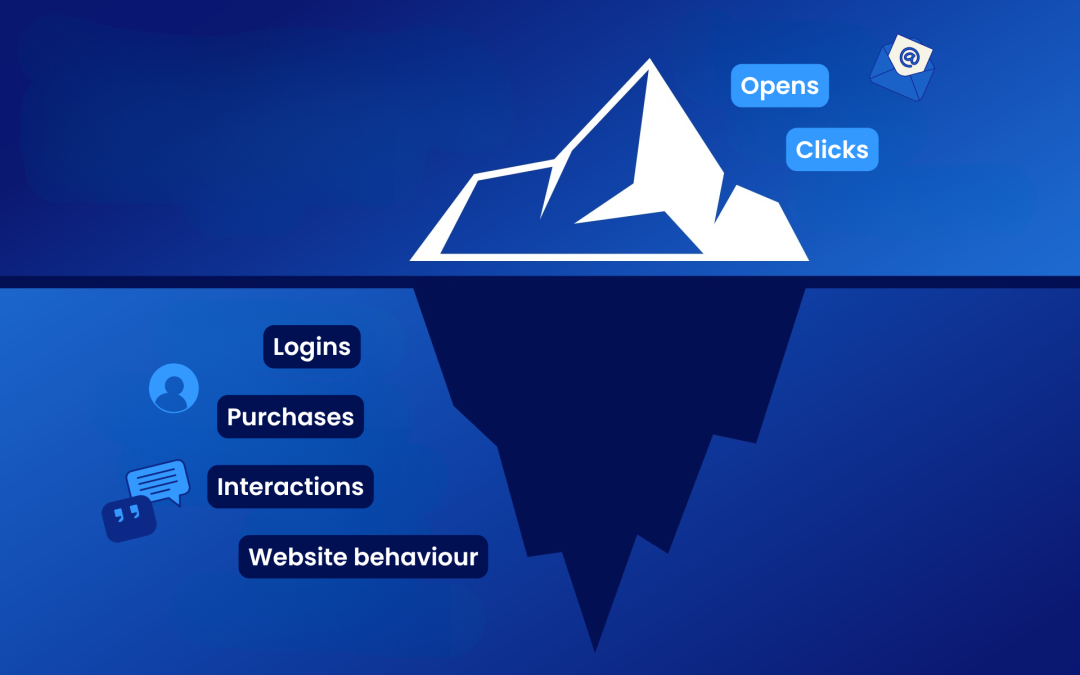
- Reporting that drives decisions: Not just open rates, but attribution, revenue impact, and journey performance.
If a platform ticks the first two boxes but not the rest, you will outgrow it faster than you expect.
How does marketing automation software handle customer data?
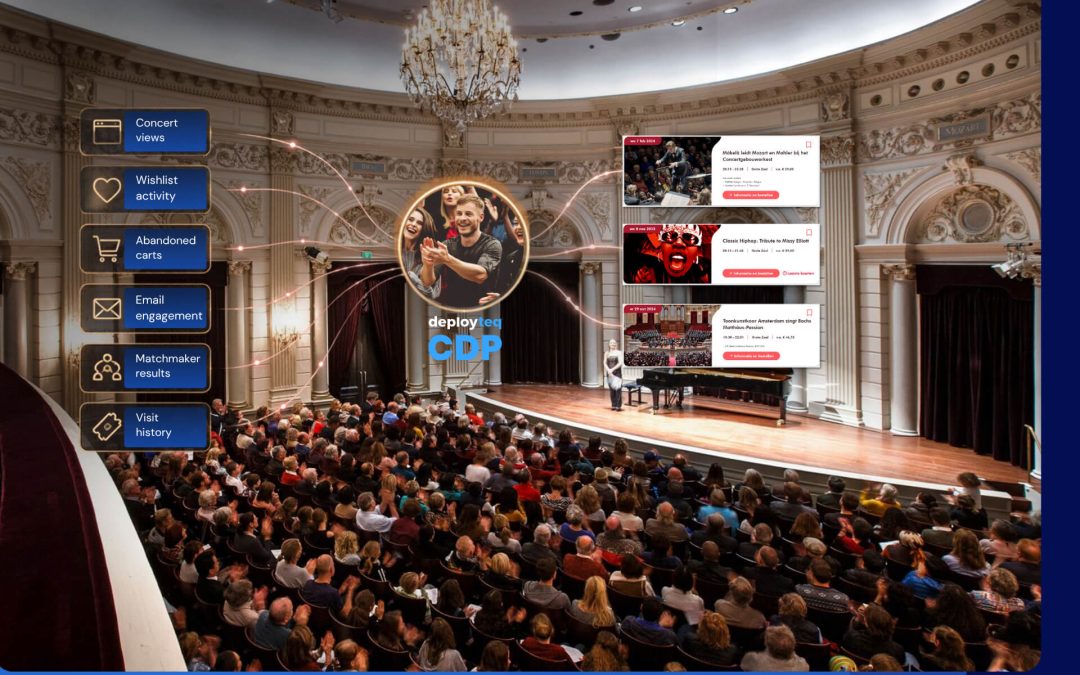
Marketing automation software handles customer data by ingesting it from multiple sources, CRM, website behaviour, purchase history, app activity, and consolidating it into unified customer profiles. These profiles power segmentation, personalisation, and trigger-based automation. The quality of that data handling is what determines how accurate and timely your campaigns can actually be.
Weaker platforms store data in silos, meaning your email tool does not know what your SMS tool knows. Stronger platforms, particularly those with a built-in customer data platform, unify those signals in one place. That unified view is what allows you to trigger a cart recovery email the moment a customer abandons, or suppress a promotional message to someone who just raised a complaint.
Look for platforms that offer:
- Real-time data ingestion, not batch updates
- Profile merging across anonymous and known customer records
- Consent and preference management built in, not bolted on
- Clear data governance controls, especially if you operate across multiple markets
Which marketing channels should automation software support?
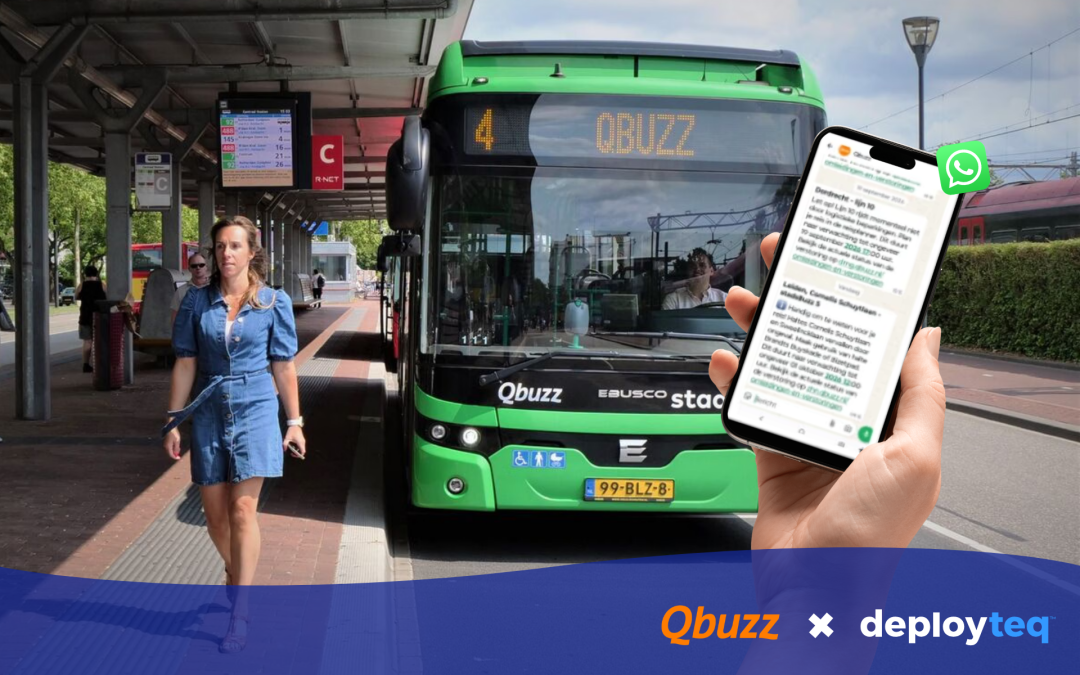
Marketing automation software should support, at minimum, email, SMS, push notifications, and web personalisation. Increasingly, platforms that also handle WhatsApp and social audiences give marketers the flexibility to meet customers wherever they are, without switching between tools.
Email remains the highest-ROI channel for most B2C brands, so depth of email capability matters enormously, not just delivery, but template quality, dynamic content blocks, and A/B testing at scale. But email alone is no longer enough.
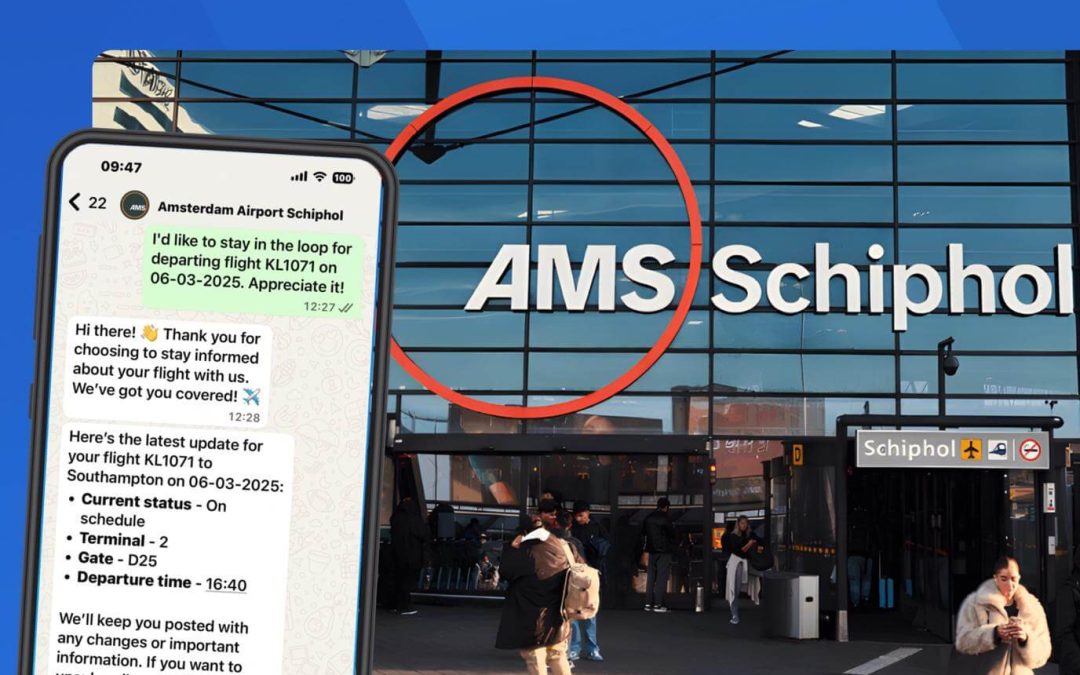
A retail brand running a flash sale needs email for the announcement, SMS for the urgency nudge, and push for the last-chance reminder. A travel brand managing a booking journey might layer in WhatsApp for real-time itinerary updates. The platform you choose should make orchestrating those touchpoints feel seamless, not like a technical project.
When evaluating marketing automation tools, ask whether cross-channel journeys are built in one unified builder or require separate campaign setups per channel. The answer tells you a lot about how the platform was designed.
What’s the difference between basic and advanced marketing automation?
Basic marketing automation handles rule-based triggers, send a welcome email when someone signs up, or a birthday message once a year. Advanced marketing automation uses live behavioural data, predictive modelling, and multi-step journeys to respond to what a customer is doing right now, not just what they did at sign-up.
Basic marketing automation
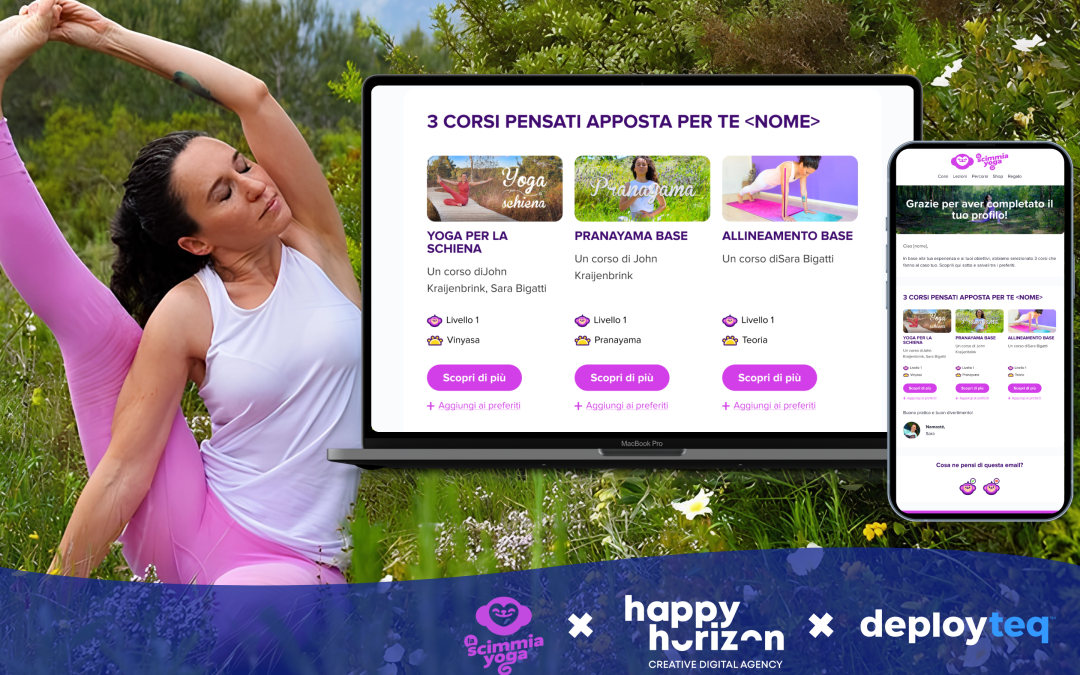
At the basic level, you are working with linear flows: if this happens, send that. These tools are useful for getting started, but they hit a ceiling quickly. Segmentation is typically list-based, personalisation is limited to first name and purchase date, and there is little ability to respond to real-time signals.
Advanced marketing automation
Advanced platforms introduce dynamic segmentation that updates in real time, predictive scores like RFM and churn likelihood, and journey logic that branches based on live behaviour. For a finance brand, this might mean suppressing a credit card offer the moment a customer opens a complaint ticket. For an entertainment platform, it might mean triggering a re-engagement series the second engagement drops below a threshold.
The gap between basic and advanced is not just about features; it is about what you can actually do with your data. If you are managing a high-volume customer base across multiple segments, basic automation will cost you revenue.
How easy should marketing automation software be to use?
Marketing automation software should be easy enough that your marketing team can build, test, and launch campaigns without relying on developers or data engineers for every step. Usability is not about dumbing things down; it is about giving experienced marketers direct control over complex workflows.
The practical test is this: can your CRM manager build a multi-step, conditional journey in an afternoon? Can your email marketer update a dynamic content block without raising a ticket? If the answer is no, the platform is adding friction, not removing it.
Features that signal genuine usability include:
- A drag-and-drop journey builder that handles branching logic visually
- Template libraries that are actually flexible, not just cosmetically editable
- Segmentation tools that let marketers build complex audiences without SQL
- Clear reporting dashboards that surface the metrics that matter, not just vanity stats
Ease of use and sophistication are not opposites. The best platforms deliver both.
When should a business switch to a new automation platform?
A business should switch marketing automation platforms when the current tool is limiting campaign performance, requiring excessive manual workarounds, or failing to unify customer data effectively. If your team is spending more time managing the platform than using it, that is a clear signal it is time to upgrade.
Specific triggers that indicate it is time to move include:
- You cannot segment beyond basic list logic without exporting data to a separate tool
- Cross-channel campaigns require manual coordination across multiple disconnected platforms
- Your current tool does not support the volume or complexity of your customer base
- Reporting is limited to channel-level metrics with no journey or revenue attribution
- Your team regularly hits feature walls that require developer support to work around
Many brands reach this point when they outgrow platforms like Mailchimp or ActiveCampaign and need something built for the scale and complexity of a professional B2C operation. The migration process is easier than most teams expect, especially when the new platform offers structured onboarding and data migration support. The real cost is staying too long on a tool that is holding your results back.
How Deployteq helps you find the right marketing automation features
We built Deployteq specifically for B2C marketing teams who need power and simplicity in equal measure. If you are evaluating what to look for in a best marketing automation platform, here is what we bring to the table:
- Unified customer data: Our built-in CDP consolidates data from every channel into real-time customer profiles, so your segmentation always reflects what is happening now.
- Cross-channel campaign management: Email, SMS, WhatsApp, push, and web, all orchestrated from a single journey builder, not separate tools.
- Advanced segmentation without SQL: Build hyper-personalised segments using live behavioural data, RFM scoring, and predictive insights, directly in the platform.
- Email marketing depth: Superior template flexibility, dynamic content, and deliverability performance that makes email your highest-performing channel.
- Genuinely easy to use: Designed so your marketing team stays in control, no developer dependency for day-to-day campaign management.
Trusted by brands like Wickes, Virgin Media, and Center Parcs, we work with marketing teams across retail, travel, finance, and entertainment to replace limiting platforms and unlock what their data can actually do. Book a guided demo and see how Deployteq fits your stack.