Managing customer relationships at scale is one of the most demanding challenges in modern marketing. You are juggling multiple channels, growing contact lists, and the constant pressure to deliver the right message at the right moment. That is exactly where a marketing automation platform becomes essential.
This article builds your understanding from the ground up. We will cover what marketing automation actually is, how these platforms work under the hood, which features matter most, who benefits from them, and how to choose the right solution for your business. By the end, you will have a clear framework for evaluating your options with confidence.
What is a marketing automation platform?
A marketing automation platform is software that automates repetitive marketing tasks and enables personalised communication with customers at scale. Instead of manually sending emails, segmenting lists, or tracking customer behaviour one contact at a time, the platform does the heavy lifting for you.
Think of it as a highly organised colleague who never sleeps. It monitors customer actions, applies your predefined rules, and sends the right message to the right person without you having to trigger it manually each time.
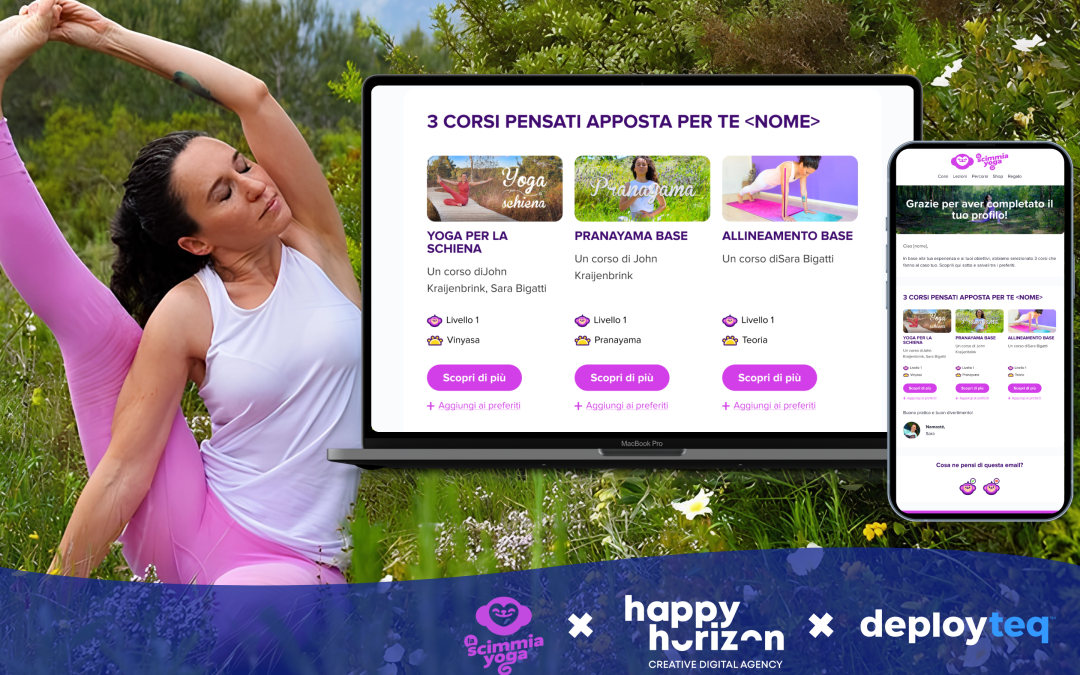
Importantly, marketing automation is not just about saving time. It is about delivering relevance. A retail customer who browses a product category but does not purchase receives a tailored follow-up. A travel customer who books a flight gets a timely hotel recommendation. These moments of precision would be impossible to deliver manually at volume.
How marketing automation platforms work
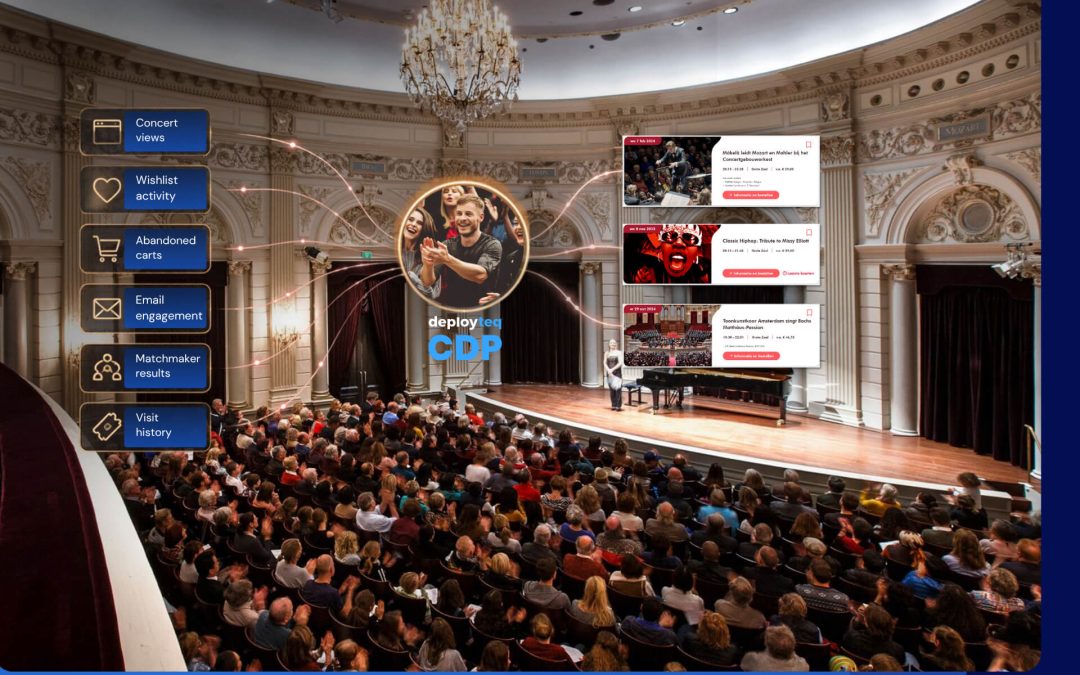
At the core of any marketing automation platform is a data layer that collects and unifies customer information. This includes behavioural data (what someone clicked, browsed, or purchased), demographic data, and transactional history. The platform uses this data to power everything else.
From there, a rules engine or journey builder takes over. Marketers define triggers and conditions: if a customer abandons a cart, trigger an email after two hours; if they open that email but do not convert, follow up with an SMS the next day. These logical flows run automatically in the background.
For example, an entertainment brand might set up a trigger that fires when a subscriber has not engaged with content for 30 days. The platform detects the inactivity, selects a re-engagement message based on that subscriber’s content preferences, and sends it without any manual intervention. The result is personalised communication at a scale no team could achieve by hand.
Core features that define a marketing automation platform
Not all marketing automation software is built the same way. However, the most capable platforms share a consistent set of features that separate them from basic email tools.
- Unified customer data: A single profile per contact that consolidates data from all touchpoints, giving you a complete view of each customer.
- Advanced segmentation: The ability to build dynamic, real-time segments based on behaviour, preferences, lifecycle stage, or predictive attributes.
- Journey builder: A visual tool for designing multi-step, multi-channel customer journeys with branching logic and conditional paths.
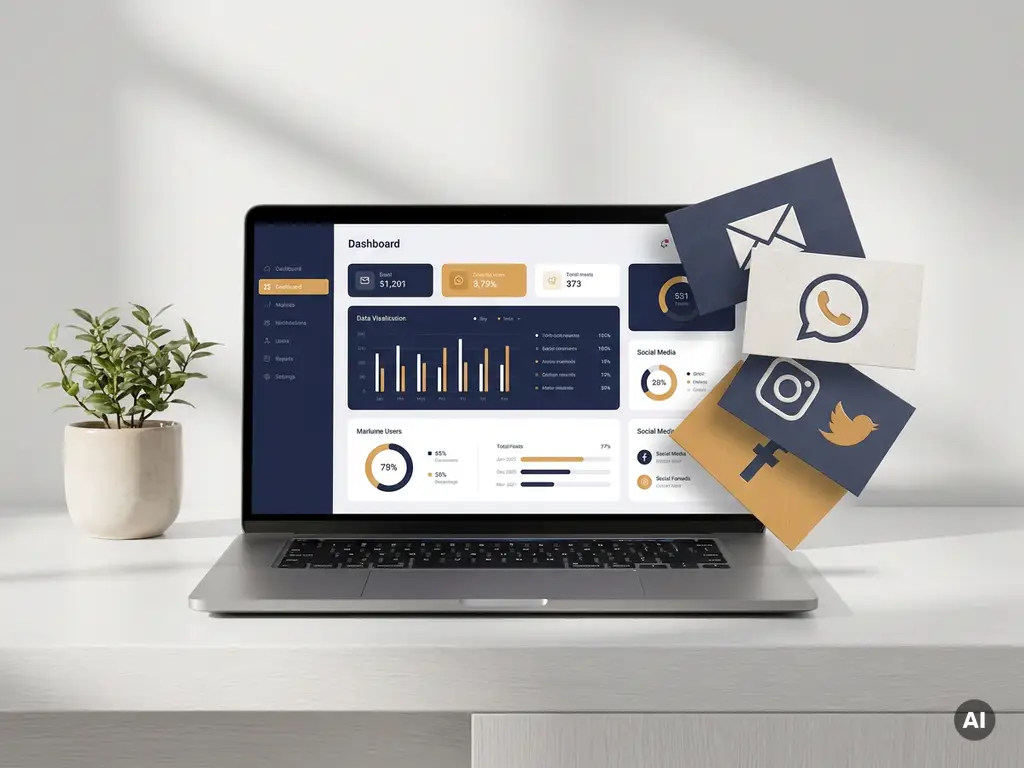
- Cross-channel delivery: Sending messages across email, SMS, WhatsApp, push notifications, and web personalisation from a single platform.
- Triggered and transactional messaging: Automated messages fired by specific customer actions, such as a purchase confirmation or a price drop alert.
- Reporting and analytics: Real-time performance data so you can measure what is working and optimise continuously.
Building on the data layer described above, these features work together. Segmentation is only as good as the data feeding it. Journeys are only as relevant as the segments they target. Every component depends on the quality and accessibility of your customer data.
Which businesses benefit most from marketing automation?
Any business managing a significant volume of customer relationships and multiple communication channels will find genuine value in automated marketing tools. However, some sectors see particularly strong returns.
Retail and e-commerce
High purchase frequency and rich behavioural data make retail a natural fit. Cart recovery flows, post-purchase sequences, stock alerts, and hyper-personalised product recommendations all depend on automation to run at scale.
Travel and leisure
Booking windows, loyalty programme communications, and destination-specific content require precise timing and personalisation. A customer who books a summer holiday in January needs a very different journey from one booking last minute in July.
Finance and insurance
Complex customer lifecycles, regulatory communication requirements, and trust-building sequences make automation critical. Timely alerts, renewal reminders, and onboarding flows are difficult to manage manually across a large customer base.
Entertainment
High-frequency engagement, content-based triggers, and subscriber retention all benefit from automation. Platforms in this space use behavioural signals to serve the right content recommendations before a subscriber disengages.
A common misconception is that marketing automation is only for large enterprises. In reality, growing mid-market businesses often see the fastest gains because automation allows a lean team to punch well above its weight.
How to choose the right marketing automation platform
Choosing marketing automation software is a significant decision. The wrong platform creates technical debt and limits your ability to grow. The right one becomes a genuine competitive advantage.
Start by auditing your current situation. Where are the manual bottlenecks? Which channels do your customers actually use? How fragmented is your customer data today? Your answers will define the non-negotiable requirements before you evaluate any vendor.
When comparing platforms, focus on these practical criteria:
- Data flexibility: Can the platform ingest and unify data from your existing sources, including your CRM, e-commerce platform, and web analytics?
- Ease of use: Will your team actually be able to build and manage journeys without constant developer support?
- Channel coverage: Does it support the channels your customers prefer, not just email?
- Segmentation depth: Can you build real-time, behaviour-based segments, or are you limited to static lists?
- Scalability: Will the platform handle your volume today and in three years’ time?
- Support and onboarding: What does implementation look like, and is ongoing support responsive and knowledgeable?
It is also worth considering whether the platform offers a customer data platform capability natively. Keeping your data and activation layer in one place removes a significant source of complexity and delay.
How Deployteq helps with marketing automation
We built Deployteq specifically for marketers who need to move fast without sacrificing precision. Our platform brings together everything covered in this article: unified customer data, smart segmentation, a flexible journey builder, and cross-channel delivery across email, SMS, WhatsApp, push, and web.
Here is what that looks like in practice:
- Unified data, ready to activate: Our CDP consolidates customer data from all your sources into a single profile, so your segments are always accurate and up to date.
- Intelligent segmentation: Build real-time segments using RFM modelling, predictive insights, and next-best-offer logic, without needing a data science team.
- Powerful journey builder: Design complex, multi-channel customer journeys with the freedom to branch, test, and optimise at every step.
- Email at its best: Our email marketing platform features advanced templates and superior segmentation, trusted by brands like Wickes, Virgin Media, and Center Parcs.
- Built for scale: Whether you are managing 100,000 or 10 million contacts, Deployteq handles the volume without compromising on speed or personalisation.
If you are ready to see how it all fits together for your specific use case, book a personalised demo and we will show you exactly what Deployteq can do for your team.