Most marketing teams are sitting on a goldmine of customer data. The problem is not a lack of information. It is fragmented data, disconnected systems, and no clear process for turning raw signals into relevant experiences. The result? Generic messages that get ignored, and customers who feel like just another name on a list.
This guide walks you through a practical, five-step process for using customer data to deliver data-driven personalization that actually moves the needle. Follow these steps and you will move from scattered data to a personalized marketing engine that works across every channel.
Collect and consolidate your customer data sources
Before you can personalize anything, you need a single, reliable view of each customer. The biggest obstacle here is not collecting data. It is connecting it. Most brands have customer data spread across a CRM, an e-commerce platform, a loyalty system, an email tool, and a web analytics stack. None of them talk to each other cleanly.
Start by auditing every source of customer data in your business. Common sources include:
- Transactional data (purchase history, order value, frequency)
- Behavioral data (site visits, product views, app activity)
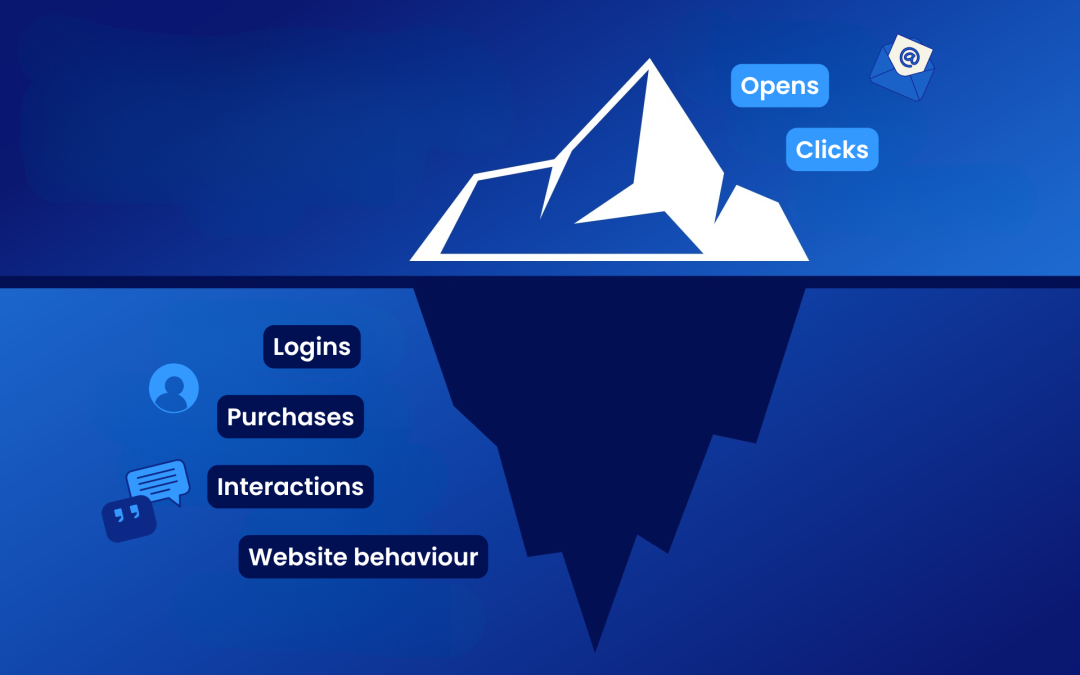
- Email engagement data (opens, clicks, conversions)
- Declared preferences (survey responses, preference centers)
- Loyalty and membership data
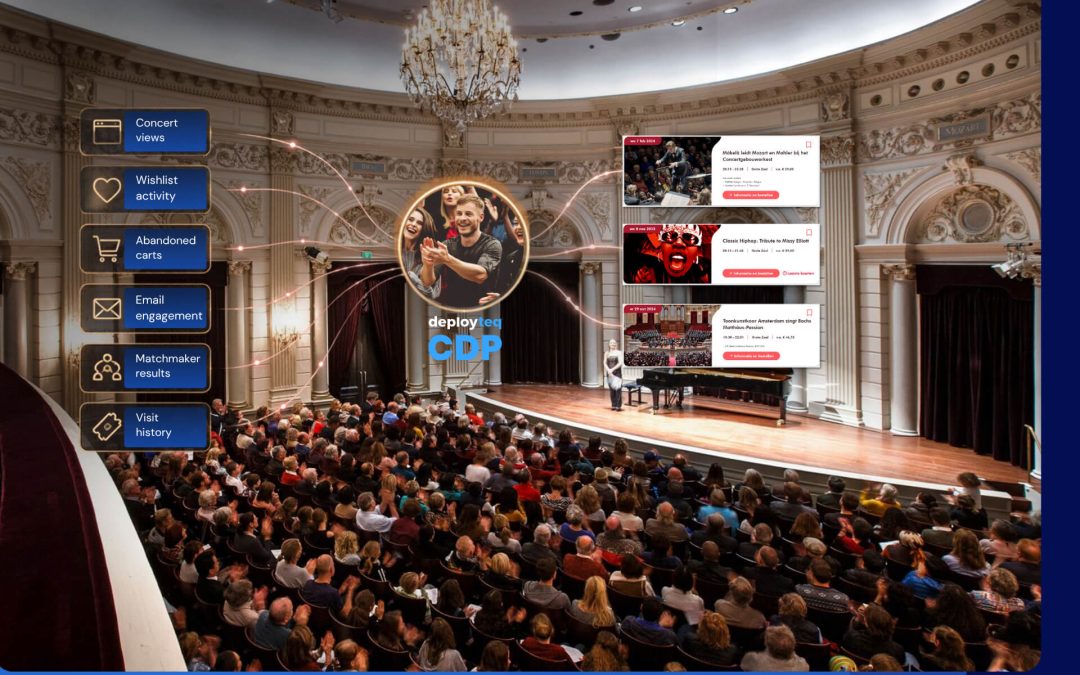
Once you have mapped your sources, the goal is to consolidate them into a unified customer profile. A customer data platform is designed precisely for this. It stitches together identity data from multiple touchpoints, resolves duplicate records, and creates a persistent profile you can actually activate from. Without this foundation, every personalization effort downstream will be inconsistent.
Verify this step is working by checking whether a single customer record now reflects behavior from at least two or three different source systems. If it does, you have a usable data foundation.
Segment your audience with precision
With consolidated data in place, the next step is building segments that go beyond basic demographics. Age and location are a starting point, not a strategy. Smart customer segmentation uses behavioral signals and predictive logic to group customers by what they are likely to do next, not just what they have done before.
Build your segments around intent and lifecycle stage:
- Identify high-value customers using RFM scoring (Recency, Frequency, Monetary value) to prioritize your most engaged buyers.
- Flag customers showing churn signals, such as a drop in purchase frequency or declining email engagement, so you can intervene early.
- Create acquisition segments for new customers who have not yet completed a second purchase.
- Build category affinity segments based on the product types or content themes each customer consistently engages with.
For a retail or e-commerce brand, this might mean separating customers who browse but rarely buy from those who purchase regularly but only during promotions. Each group needs a different message. For travel brands, segmenting by booking window or destination preference opens up highly relevant, timely communications that feel personal rather than broadcast.
Once your segments are live, check that each one is dynamic. Static lists go stale fast. Your segments should update automatically as customer behavior changes.
Map customer data to personalized content
Segmentation tells you who to talk to. Content mapping tells you what to say to each group. This is where marketing personalization strategy moves from theory into execution.
For each segment, define the content variables that will shift based on customer data:
- Product recommendations based on purchase history or browsing behavior
- Subject lines and headlines that reference a customer’s category interest or loyalty status
- Offer type tailored to purchase propensity (discount-driven vs. value-driven messaging)
- Timing based on individual engagement patterns rather than a fixed send time
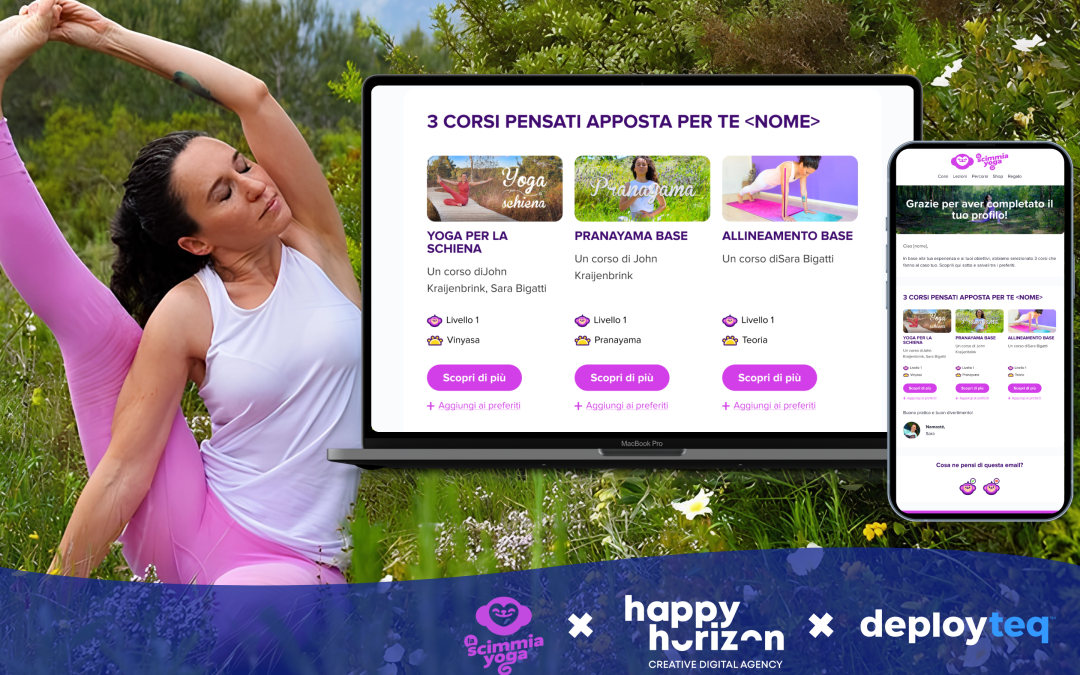
Build a simple content matrix: list your segments on one axis and your content variables on the other. Fill in what changes for each combination. This gives your creative and copy teams a clear brief, and it ensures personalization is systematic rather than ad hoc.
For a finance brand, this could mean showing a customer who recently opened a savings account content about maximizing returns, while a customer with a mortgage inquiry sees content about rate comparisons. Same brand, same send. Completely different experience.
Activate personalization across every channel
With your segments defined and content mapped, the next step is activation. This means deploying personalized customer experiences consistently across every channel your customers use, not just email.
A joined-up marketing automation setup lets you trigger personalized communications based on real-time customer behavior. Here is how to structure your activation:
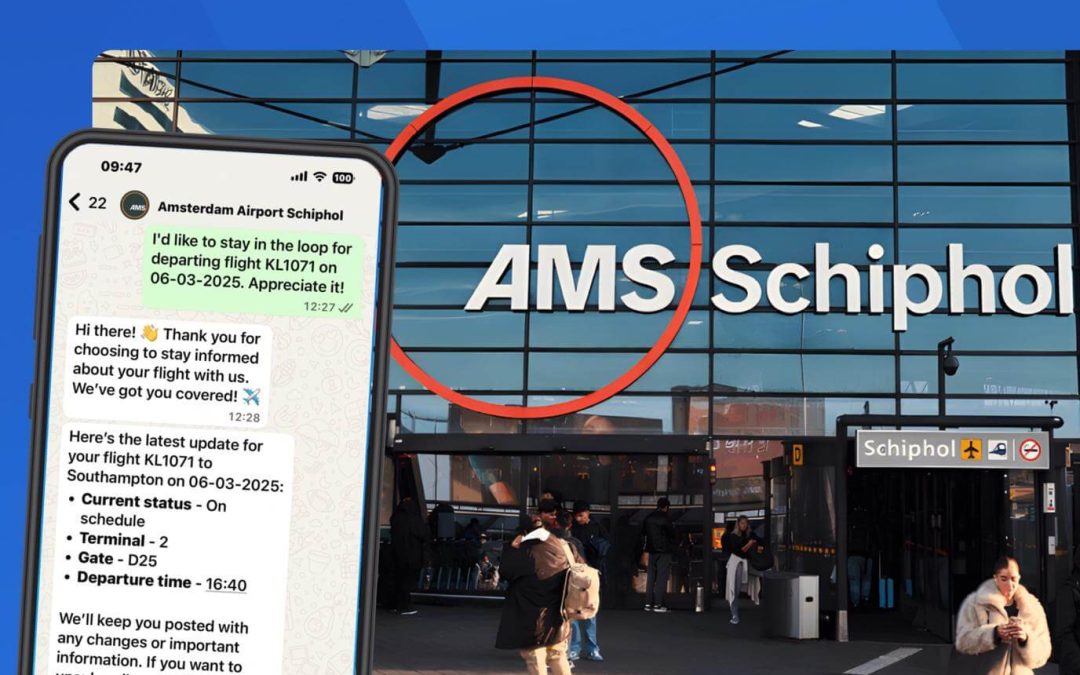
- Set up trigger-based journeys that fire when a customer takes a specific action, such as abandoning a cart, completing a booking, or reaching a loyalty milestone.
- Extend personalization beyond email to SMS, push notifications, and web content, using the same segment logic and data signals.
- Use suppression logic to prevent over-messaging. If a customer converts via one channel, remove them from active campaigns on others.
- Test channel preference by monitoring which touchpoints each segment responds to most, and weight your activation accordingly.
The goal is for the customer to feel like every interaction is relevant, regardless of where it happens. A loyalty member who books a holiday should receive a personalized pre-departure email, an SMS reminder on the day, and a post-trip survey tailored to their destination. That continuity is what separates personalization from broadcasting.
Measure and refine your personalization strategy
Personalization is not a one-time setup. It is an ongoing process of testing, learning, and improving. Measurement is what separates a strategy that compounds over time from one that plateaus after the first campaign.
Track performance at the segment level, not just the campaign level. Aggregate metrics hide the story. You need to know which segments are responding, which content variables are driving conversion, and where customers are dropping out of journeys.
Focus your measurement on these signals:
- Conversion rate by segment to identify which groups respond best to personalized content
- Revenue per message to assess the commercial impact of personalization versus generic sends
- Churn rate changes in at-risk segments after targeted retention campaigns
- Journey completion rates to spot where customers are disengaging mid-flow
Run structured A/B tests on your personalization variables. Test one element at a time, whether that is subject line personalization, product recommendation logic, or send time optimization. Build a learning backlog and iterate monthly. Over time, your segments become sharper, your content more relevant, and your results more predictable.
How Deployteq helps you activate customer data personalization
We built Deployteq to make this entire process faster and more connected. Rather than stitching together separate tools for data, segmentation, and activation, our platform brings it all into one place so your team can move from insight to execution without the friction.
Here is what Deployteq gives you out of the box:
- A built-in Customer Data Platform that unifies data from all your sources into persistent, real-time customer profiles
- Intelligent segmentation using RFM scoring, next-best-offer modeling, and predictive insights to build segments that actually reflect intent
- Cross-channel activation across email, SMS, WhatsApp, push, and web, all triggered from the same journey builder
- Advanced email personalization with dynamic content blocks, behavioral triggers, and superior template flexibility
- Real-time reporting at the segment and journey level so you can measure what is working and refine fast
Brands like Wickes, Virgin Media, and Center Parcs use Deployteq to deliver personalized experiences at scale, across every channel their customers use. If you are ready to see how it works for your business, book a demo and we will walk you through it.