Behavioral segmentation is one of the most powerful tools in a marketer’s toolkit, and yet it’s also one of the most commonly mishandled. Most teams collect the data, build a few broad segments, and then wonder why open rates plateau and conversions stall. The problem is rarely the data itself. It’s the process.
This guide walks you through how to build a behavioral segmentation strategy that actually moves the needle, from mapping your data sources to refining your customer segmentation over time. Follow these steps in order and you will have a system that delivers hyper-personalized campaigns at scale.
Map Your Behavioral Data Sources First
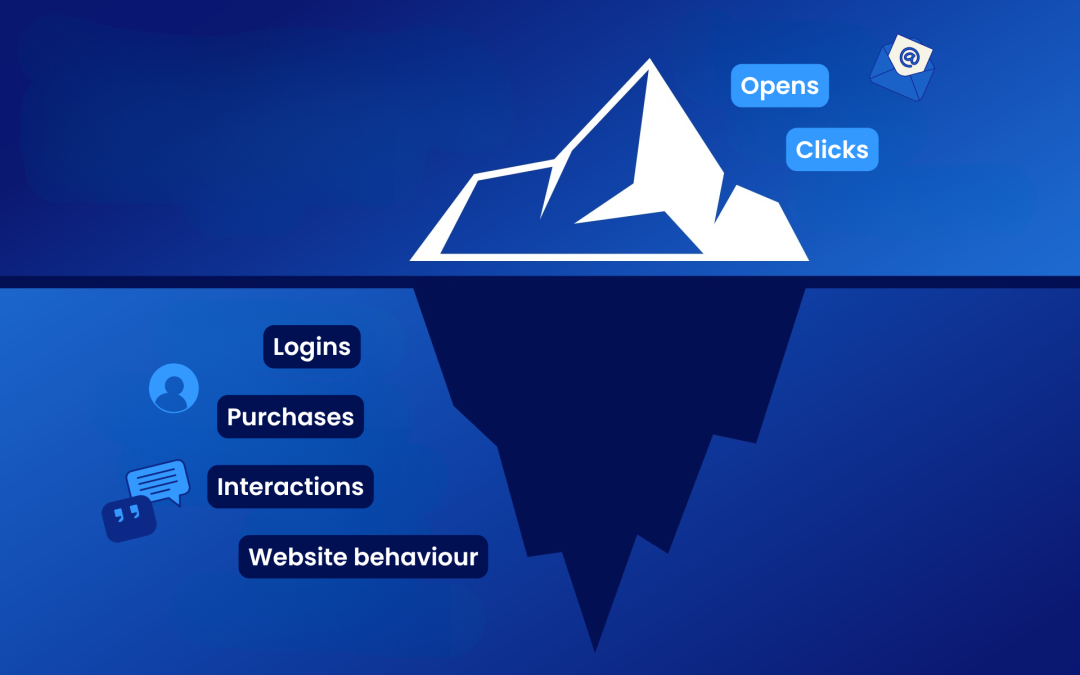
Before you build a single segment, you need a clear picture of what behavioral data you actually have and where it lives. Fragmented data leads to fragmented segments, and fragmented segments lead to campaigns that feel generic even when they are not.
- List every platform that captures user behavior: your website analytics, email platform, CRM, app, and any ecommerce or booking system.
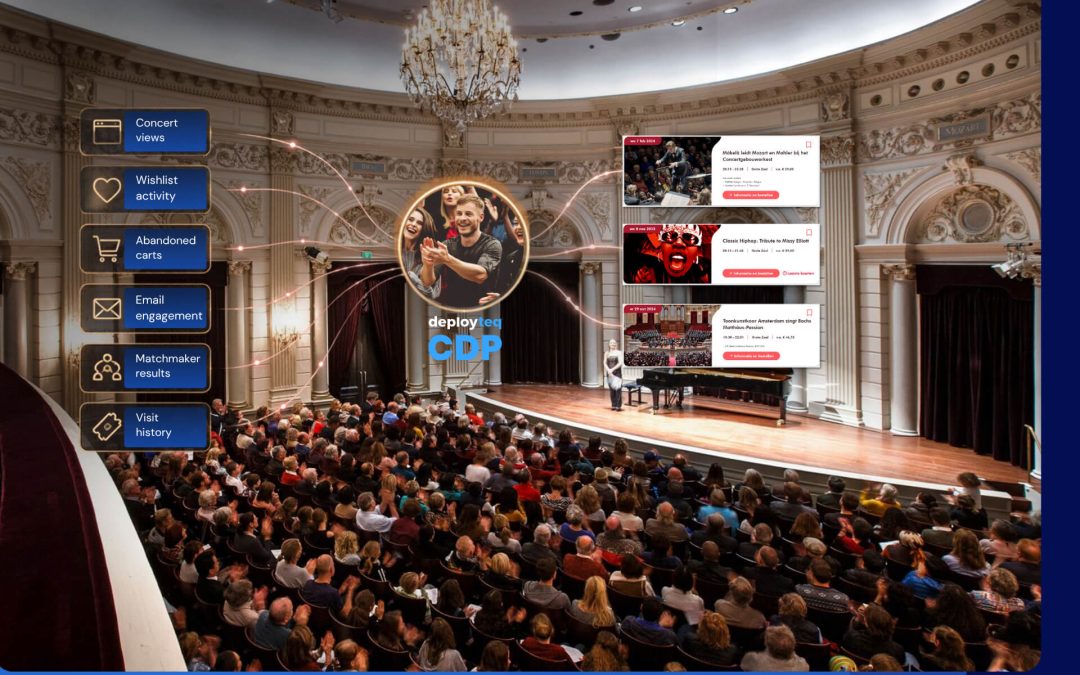
- Identify which events each platform tracks: page views, purchase history, email opens, clicks, abandoned carts, loyalty points redeemed, and so on.
- Confirm whether these sources feed into a central data store or whether they sit in separate silos.
- Flag any gaps, such as offline purchase data or in-store interactions, that are missing from your digital view.
Once this audit is complete, you should have a master list of behavioral signals available to you. This becomes the foundation for every segment you build. If key signals are missing, prioritize closing those gaps before moving forward; otherwise, your segments will be built on an incomplete picture of your customer.
Define Behavioral Segments That Match Campaign Goals
Effective customer segmentation starts with a goal, not a data point. Resist the temptation to create segments just because the data exists. Every segment you define should map directly to a campaign objective.
For example, a travel brand running a re-engagement campaign needs segments based on booking recency and destination interest, not general web traffic. A retail brand focused on LTV growth needs segments built around purchase frequency and average order value. Ask yourself: what behavior signals that a customer is ready for this specific message?
- Start with your campaign goal and work backwards to identify the behavioral signals that indicate readiness or intent.
- Define clear entry criteria for each segment, for instance, “purchased twice in the last 90 days but has not opened an email in 30 days.”
- Keep segments mutually exclusive where possible to avoid customers receiving contradictory messages across journeys.
- Limit your initial rollout to three to five well-defined segments rather than trying to cover every edge case at once.
You will know this step is done correctly when each segment has a clear name, a defined entry condition, and an obvious campaign use case attached to it.
Build Personalized Content for Each Behavioral Segment
This is where segmentation pays off, but only if your content is genuinely tailored. A segment built on high purchase frequency deserves a loyalty reward message, not a generic promotional email. Match the content to the behavior that defined the segment.
Map out the key content variables for each segment: subject line angle, hero message, product or offer type, and call to action. For a finance brand, a segment of customers who recently checked mortgage rates warrants a timely, trust-building message rather than a broad product push. For an entertainment brand, a segment of lapsed subscribers might respond best to a “here is what you missed” content trigger.
- Draft distinct content blocks for each segment rather than using one template with minor tweaks.
- Prioritize the first line of your email or SMS, since this is where behavioral relevance needs to land immediately.
- Use dynamic content where your platform supports it to scale personalization without multiplying production effort.
After content is mapped, do a quick sense check: if a customer in this segment received this message, would it feel relevant to their recent behavior? If the answer is uncertain, revisit the content angle before moving to the next step.
Set Up Behavioral Triggers to Automate Delivery
Static batch sends waste the power of behavioral data. Real-time triggers ensure your message reaches the customer at the moment their behavior signals intent, which is when relevance is highest and conversion likelihood is strongest.
Configure your marketing automation journeys so that entry into a segment fires a trigger rather than waiting for a scheduled send. A customer who abandons a cart should receive a follow-up within hours, not days. A loyalty member who hits a new tier should be congratulated in near real-time.
- Identify the exact behavioral event that should fire each trigger: a purchase, a page visit, a form completion, or an inactivity threshold crossed.
- Set appropriate timing windows for each trigger, balancing urgency with customer experience.
- Build suppression logic to prevent customers from receiving conflicting messages if they qualify for multiple segments simultaneously.
- Test each trigger in a staging environment before going live to confirm it fires correctly and routes to the right journey.
After setup, run a test customer through each trigger manually and verify that the correct journey is activated, the timing is accurate, and suppression rules are working as expected.
Validate Segments Before Launching Campaigns
Launching without validation is one of the most common and costly mistakes in behavioral segmentation. Even well-defined segments can contain errors if the underlying data has quality issues or if entry logic was misconfigured.
- Pull a sample of profiles from each segment and manually review whether they meet the entry criteria you defined.
- Check segment sizes against your expectations. A segment that is unexpectedly large or small usually signals a logic error.
- Run a seed test, sending the campaign to a small internal list, to confirm content renders correctly and triggers fire in the right sequence.
- Review suppression lists to ensure customers who should be excluded are not slipping through.
Validation is not a formality. It is the step that protects your sender reputation, your customer relationships, and your campaign results. Only move to launch once your sample review and seed test both return clean results.
Measure and Refine Behavioral Segmentation Over Time
Behavioral segmentation is not a set-and-forget process. Customer behavior shifts, and your segments need to evolve with it. Build a regular review cadence into your workflow from the start.
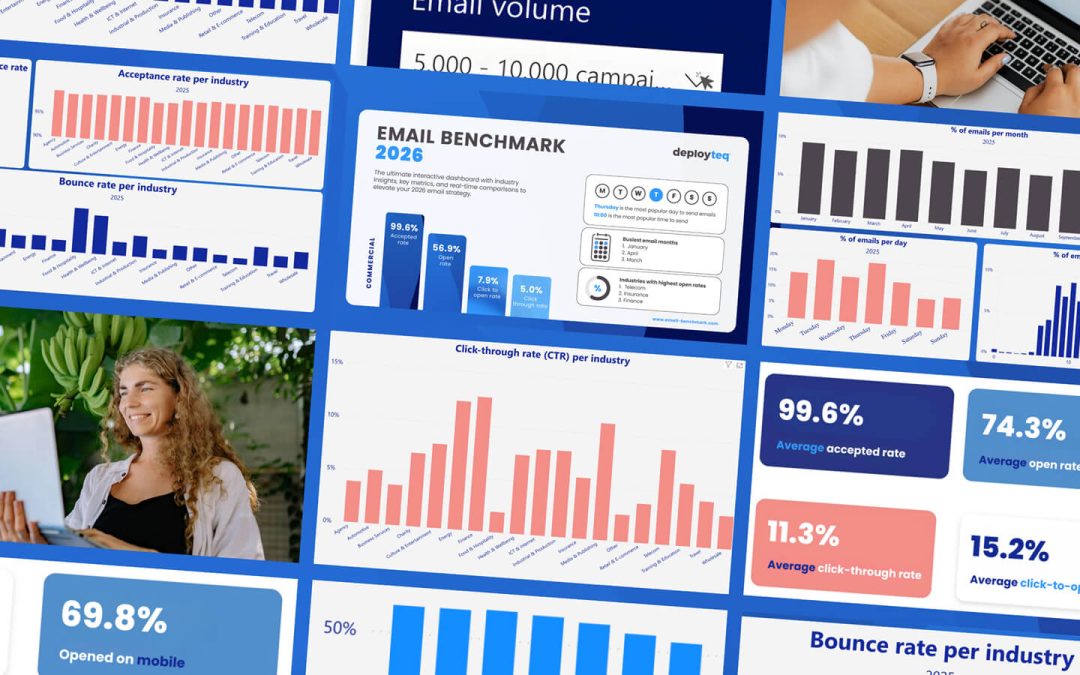
Track performance at the segment level, not just the campaign level. Open rate, click-through rate, conversion rate, and unsubscribe rate should all be broken down by segment so you can see which behavioral groups are responding and which are not. Use the email marketing data available to you to identify patterns rather than reacting to individual campaign results.
- Review segment performance monthly and flag any segment where engagement has dropped significantly over two consecutive periods.
- Test segment entry criteria by running A/B variants with slightly different behavioral thresholds to see which definition drives better outcomes.
- Retire or merge segments that consistently underperform and replace them with new behavioral hypotheses based on your latest data.
- Revisit your data source audit quarterly to incorporate new behavioral signals as your tech stack evolves.
The goal is a living segmentation model that gets sharper with every campaign cycle. Teams that commit to this review process consistently outperform those that treat segmentation as a one-time setup task.
How Deployteq Helps You Build Smarter Behavioral Segments
We built Deployteq specifically for marketers who need to move fast without sacrificing precision. Our platform brings together everything you need to execute behavioral segmentation at scale, without the manual overhead that slows most teams down.
- Unified customer data: Our CDP consolidates behavioral signals from every channel into a single customer view, so your segments are always built on complete, accurate data.
- Advanced segmentation: Build real-time, highly specific segments using RFM modeling, predictive insights, and next-best-offer logic, no data science degree required.
- Journey builder: Design behavioral trigger journeys with full flexibility, from simple one-step automations to complex multi-channel sequences across email, SMS, WhatsApp, push, and web.
- Smart validation tools: Preview segment membership and test journeys before launch so you go live with confidence every time.
Whether you are migrating from a simpler platform or scaling an existing strategy, we give you the data, the tools, and the control to make behavioral segmentation work the way it should. Ready to see it in action? Do a self-guided demo and explore what smarter segmentation looks like for your brand.