Yes, dynamic segmentation can meaningfully improve your email marketing open rates. When you send emails to audiences built on real-time behavioural and transactional data rather than static lists, the content lands at the right moment and feels genuinely relevant. That relevance is what drives opens. Below, we unpack exactly how it works, what data powers it, and how to put it into practice.
How does dynamic segmentation actually work in email marketing?
Dynamic segmentation automatically updates your audience groups in real time based on changing customer data, so the people in each segment always reflect current behaviour, not a snapshot from last month. Unlike a static list you build once and export, a dynamic segment continuously evaluates every contact against a set of rules and adds or removes them as their data changes.
In practical terms, a rule might be: “include any customer who browsed a product category in the last seven days but has not purchased.” The moment someone buys, they leave that segment and enter the next one automatically. No manual exports, no stale audiences.
This matters for email marketing because timing and context drive engagement. A travel brand sending a holiday deal email to customers who searched for that destination in the last 48 hours will always outperform one sending the same deal to everyone on a quarterly newsletter list.
What types of data power dynamic email segments?
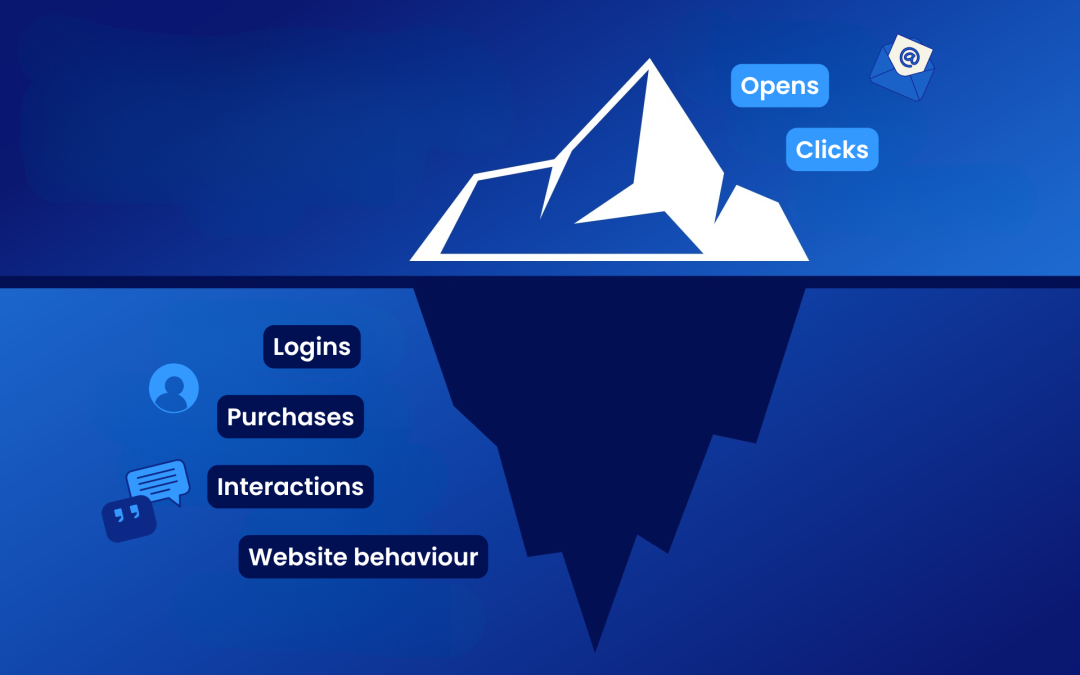
Dynamic email segments are powered by three core data types: behavioural data (what customers do), transactional data (what they buy), and profile data (who they are). The most effective segments combine all three to build a complete, current picture of each contact.
Behavioural data
This includes website visits, product page views, email engagement history, app activity, and content interactions. Behavioural signals are the most time-sensitive inputs because they reflect intent right now. A customer who opens three consecutive emails about a specific product line is signalling strong interest that a dynamic segment can immediately act on.
Transactional and profile data
Purchase history, order frequency, average order value, loyalty tier, and lifetime value (LTV) all feed into transactional segments. Profile data covers demographics, location, subscription preferences, and lifecycle stage. Together, these layers let you build segments like “high-LTV customers in London who have not repurchased in 90 days” with confidence that the audience is accurate today, not at the point when you last ran a data export.
Why do dynamically segmented emails get higher open rates?
Dynamically segmented emails get higher open rates because they reach the right person at the right moment with content that matches their current context. Relevance is the single biggest driver of open rate, and dynamic segmentation is the mechanism that makes relevance scalable across a large customer base.
When a contact receives an email that reflects something they actually did recently, whether that is abandoning a cart, renewing a subscription, or reaching a loyalty milestone, the subject line and preview text can speak directly to that moment. That specificity makes the email feel personal rather than broadcast, and personal emails get opened.
There is also a deliverability dimension. Sending to highly targeted, engaged segments reduces complaint rates and improves sender reputation over time, which means more of your emails reach the inbox rather than the spam folder. Higher inbox placement directly supports higher open rates.
For retail and e-commerce marketers, the compounding effect is significant. A re-engagement campaign sent to customers who lapsed in the last 60 days will perform very differently from one sent to customers who lapsed two years ago. Dynamic customer segmentation keeps those audiences precise automatically.
What’s the difference between dynamic segmentation and marketing personalisation?
Dynamic segmentation and marketing personalisation are related but distinct. Dynamic segmentation determines who receives a communication by continuously grouping contacts based on real-time data. Personalisation determines what those contacts see once the email is sent, such as their name, a recommended product, or a tailored offer.
Think of it this way: segmentation is the targeting decision, personalisation is the content execution. You can personalise an email without dynamic segmentation (for example, inserting a first name into a broadcast campaign), but the result is superficial. You can also build highly precise dynamic segments without deeply personalising the content inside the email.
The most effective email programmes combine both. Dynamic segmentation ensures the audience is correct and timely. Personalisation ensures the content inside the email reflects each individual’s preferences, history, and stage in the customer lifecycle. Together, they move a campaign from “relevant to most” to “right for each.”
How do you set up dynamic segments for an email campaign?
Setting up dynamic segments for an email campaign involves defining your segmentation rules, connecting your data sources, and configuring your platform to evaluate contacts continuously against those rules. Here is a practical framework to follow.
- Define the segment logic: Start with a clear business question, such as “who is at risk of churning?” or “who is ready to upgrade?” Translate that into data conditions: recency of last purchase, frequency of engagement, product category browsed, and so on.
- Connect your data sources: Dynamic segments are only as good as the data feeding them. Ensure your CRM, e-commerce platform, website analytics, and any offline data are unified into a single customer view. Fragmented data produces inaccurate segments.
- Set evaluation frequency: Decide how often the segment updates. For behavioural triggers like browse abandonment, you want near real-time evaluation. For lifecycle stages based on purchase history, daily or weekly refreshes may be sufficient.
- Build entry and exit rules: Define what moves a contact into the segment and, critically, what moves them out. A customer who purchases should exit the cart-abandonment segment immediately to avoid irrelevant follow-up.
- Test with a smaller audience first: Before scaling, validate that the segment logic is pulling the right contacts. Cross-check a sample manually against your expectations before sending.
When should you use dynamic segmentation versus a simple email list?
Use dynamic segmentation when your campaign goal depends on sending to contacts in a specific current state, such as recent buyers, active browsers, or lapsed customers. Use a simple static list when the audience is fixed by definition, such as everyone who registered for a specific event or signed up for a one-time offer.
Static lists are appropriate for time-bound, one-off communications where the audience does not change after the point of capture. They are easy to manage and perfectly adequate for that use case.
Dynamic segmentation becomes essential when you are running ongoing lifecycle programmes, automated journeys, or any campaign where audience relevance shifts over time. For a finance brand running a product upgrade sequence, for example, a static list from six months ago will include customers who have already upgraded, lapsed, or changed their product holdings. A dynamic segment based on current account status will not.
As your customer base grows and your marketing matures, the operational overhead of maintaining accurate static lists also grows. Dynamic segmentation removes that overhead by keeping audiences current automatically, which frees your team to focus on strategy rather than data hygiene.
How Deployteq helps with dynamic customer segmentation
We built Deployteq to make smart segmentation fast and practical for marketers running complex, high-volume programmes. Our platform gives you the tools to build and activate dynamic segments without relying on your data team for every update.
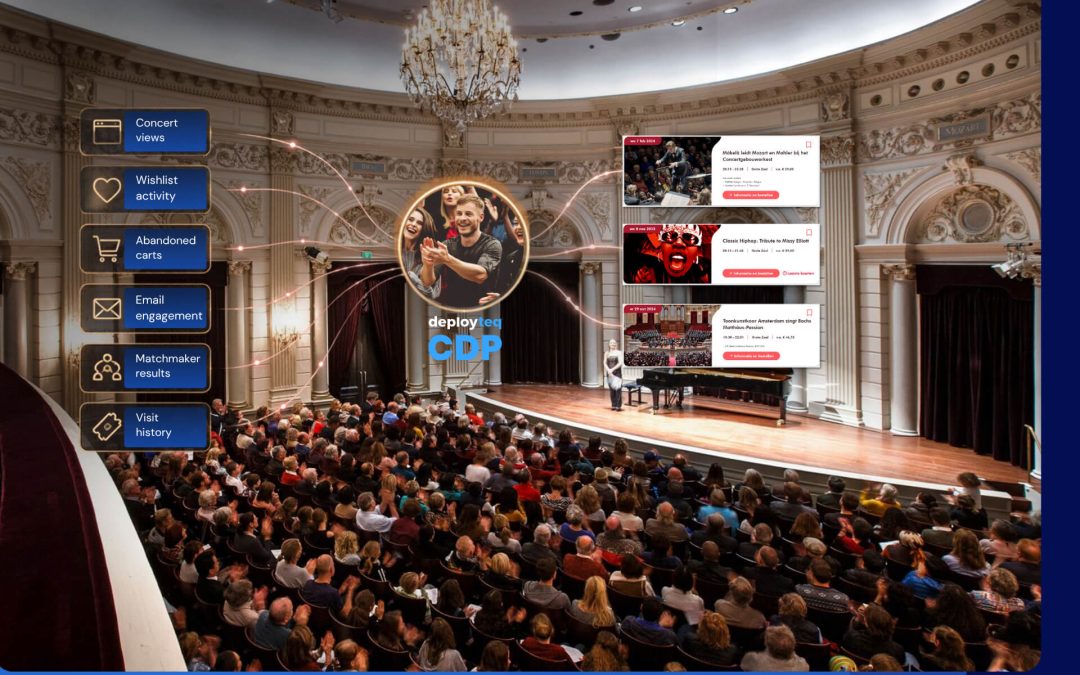
- Unified customer data: Our Customer Data Platform consolidates data from every touchpoint into a single customer view, so your segments always reflect current behaviour across all channels.
- Real-time segment evaluation: Contacts enter and exit segments automatically as their data changes, keeping your audiences accurate without manual intervention.
- Intelligent modelling built in: RFM scoring, next-best-offer modelling, and predictive insights are available directly within the platform, so you can build sophisticated segments without external data science tools.
- Cross-channel activation: Segments built in Deployteq activate across email, SMS, WhatsApp, push, and web from a single place, so your targeting stays consistent across every touchpoint.
- Advanced segmentation for email: Our email marketing capabilities are built around superior segmentation, giving you the flexibility to create highly specific audiences and deliver content that drives results.
If you are ready to see how dynamic segmentation works in practice for your specific use case, do a self-guided demo and explore the platform at your own pace.