Most brands are running multichannel campaigns. Fewer are running a genuinely connected omnichannel customer experience strategy. The gap between those two things is where customer loyalty is won or lost. In 2026, customers expect brands to recognise them across every touchpoint, respond in real time, and serve content that feels relevant to where they are in their journey. Here is how to build that engine, step by step.
What separates real-time omnichannel from multichannel marketing
Multichannel means being present on multiple channels. Omnichannel marketing means those channels are coordinated, informed by the same data, and responsive to the same customer signals. The distinction is not semantic. It is operational.
In a multichannel setup, your email team sends a campaign, your SMS team sends a separate one, and your push notifications fire on their own schedule. In a real-time omnichannel model, a single customer action, say, abandoning a cart or opening a loyalty email, triggers a coordinated response across whichever channels that customer prefers. The experience feels joined up because it is.
The shift requires unified data, smart segmentation, and marketing automation that can respond to live signals without manual intervention. The seven steps below show you exactly how to build it.
1: Unify your customer data into a single profile
Real-time omnichannel engagement starts with a single source of truth. If your CRM, email platform, loyalty system, and web analytics are all holding separate records for the same customer, you cannot personalise at scale. You are guessing.
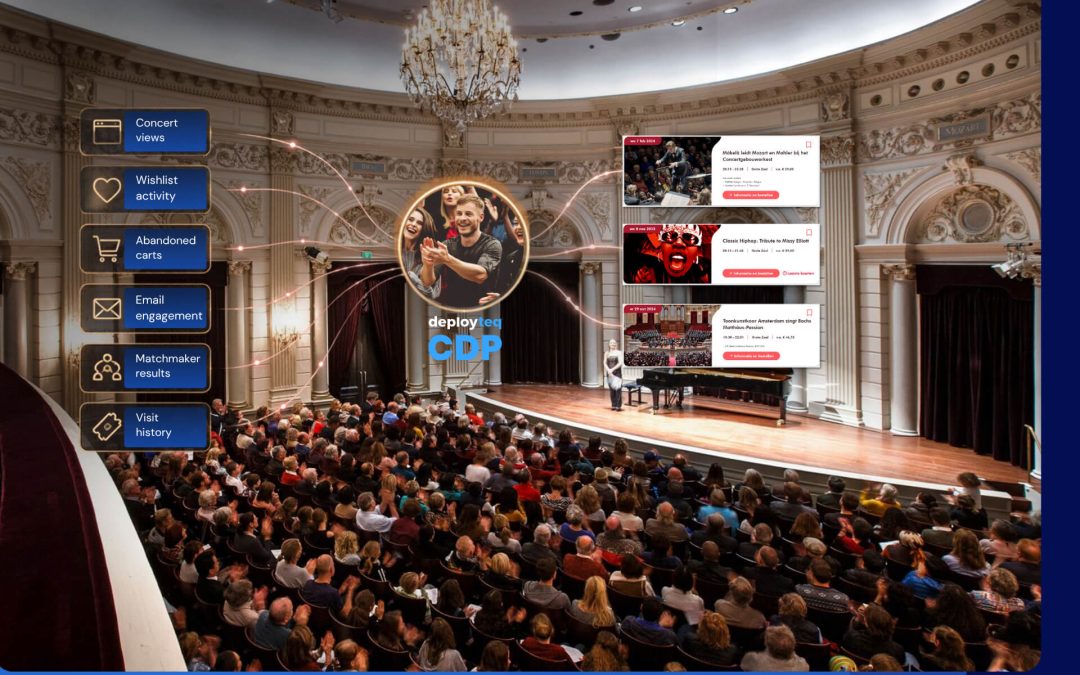
A unified customer profile consolidates behavioural, transactional, and demographic data into one view. That means knowing that the customer who clicked your travel deal email last Tuesday is the same person who browsed three destination pages on your site yesterday and has a booking anniversary coming up next month.
Invest in a customer data platform that ingests data from every source and resolves identities in real time. Without this foundation, every other step in this list is compromised.
2: Map journeys across every channel touchpoint
Before you automate anything, map what your customers actually experience. Journey mapping is not a one-time workshop exercise. It is an ongoing operational practice that reveals where your omnichannel experience breaks down.
Start with your highest-value journeys: onboarding, re-engagement, post-purchase, and loyalty. For each one, identify every channel touchpoint, every data signal that could trigger a next step, and every moment where a customer might drop off or disengage.
The most effective journey maps are built around customer intent, not internal team structures. A retail customer browsing winter coats does not care that your email team and your paid social team sit in different departments. Map from their perspective, then build your automation to match.
3: Segment smarter with real-time behavioural signals
Static segments based on demographic data or last-purchase date are a starting point, not a strategy. Real-time omnichannel engagement requires segments that update dynamically as customer behaviour changes.
Behavioural signals, such as pages visited, emails opened, products viewed, time since last interaction, and purchase frequency, tell you far more about intent than a postcode or an age bracket. A customer who viewed your premium tier three times this week is in a different mindset from one who has not engaged in 60 days. Your segmentation should reflect that.
Use RFM modelling (recency, frequency, monetary value) to layer purchase behaviour onto engagement data. For entertainment and travel brands especially, combining content interaction signals with booking or transaction history produces segments that are genuinely actionable.
4: Automate triggers that respond to live customer actions
Trigger-based automation is the engine of a real-time omnichannel strategy. Instead of sending campaigns on a fixed schedule, you send the right message the moment a customer takes a meaningful action.
Common high-performing triggers include browse abandonment, cart abandonment, post-purchase follow-up, loyalty milestone reached, price drop on a viewed item, and re-engagement after a period of inactivity. Each trigger should fire a coordinated sequence across the channels most likely to reach that specific customer.
The key is speed and relevance. A cart abandonment message sent four hours after the event performs significantly worse than one sent within 30 minutes. Build your trigger logic with urgency in mind, and test your timing regularly against conversion data.
5: Personalise content at the channel and moment level
Personalisation in a true omnichannel context goes beyond inserting a first name into an email subject line. It means adapting the content, format, offer, and tone to match both the channel and the moment in the customer journey.
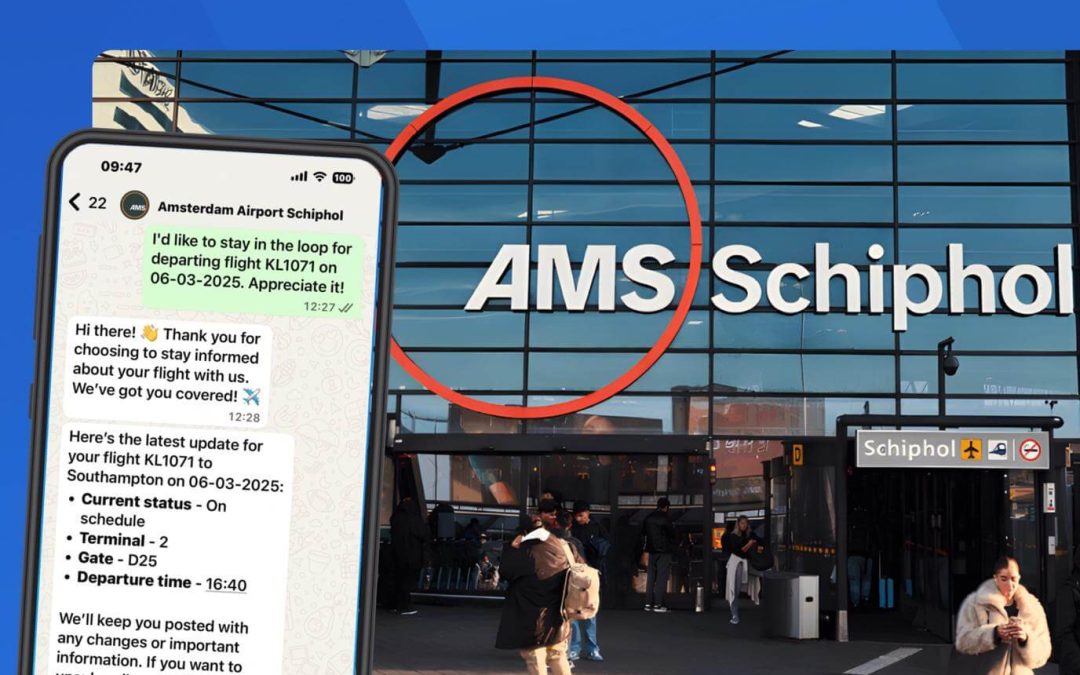
A push notification needs to be concise and action-oriented. An email can carry richer content, product recommendations, and storytelling. An SMS should be direct and time-sensitive. WhatsApp messaging can feel more conversational. Each channel has its own grammar, and your content strategy should respect that.
Use dynamic content blocks driven by customer data to serve different product recommendations, imagery, or offers based on segment, purchase history, or browsing behaviour. For finance and insurance brands, this is particularly powerful: a customer researching home insurance sees different content from one who already holds a policy and is approaching renewal.
6: Coordinate messaging cadence to avoid channel fatigue
One of the fastest ways to undermine an omnichannel strategy is to overwhelm customers with too many messages across too many channels in too short a window. Channel fatigue drives unsubscribes, opt-outs, and brand disengagement.
Set global suppression rules that apply across channels. If a customer has received an email today, hold the SMS for tomorrow unless the trigger is genuinely time-critical. If a customer has not engaged with your last five emails, do not layer on push notifications. Let the data guide your cadence decisions.
Build frequency caps into your automation logic at the customer level, not the campaign level. This requires your channels to share data in real time, which is another reason unified customer profiles are non-negotiable. Coordinated cadence is what makes omnichannel feel respectful rather than relentless.
7: What metrics reveal true omnichannel performance?
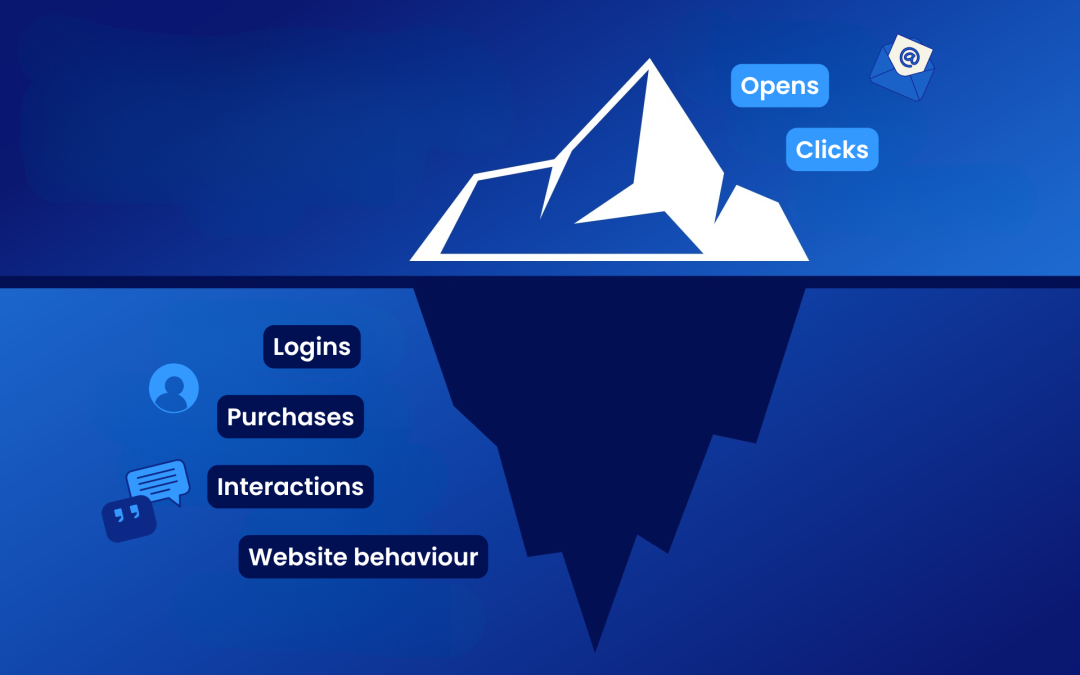
Single-channel metrics like email open rate or SMS click-through tell you how one channel is performing in isolation. They do not tell you how your omnichannel customer experience strategy is performing as a whole. You need cross-channel metrics to see the full picture.
Key metrics to track include:
- Customer lifetime value (LTV) by segment – are your highest-value segments growing?
- Cross-channel conversion rate – how many customers convert after engaging with two or more channels in a journey?
- Journey completion rate – what percentage of customers who enter a key journey reach the intended outcome?
- Opt-out rate by channel – a rising opt-out rate signals cadence or relevance problems
- Engagement recency – how recently did each customer interact across any channel?
Review these metrics at the journey level, not just the campaign level. A campaign might perform well in isolation while the overall journey leaks customers at a specific touchpoint. Omnichannel performance measurement requires a joined-up view of the data to match your joined-up approach to the customer experience.
How Deployteq helps you build a connected omnichannel strategy
Everything described in this article requires a platform that connects your data, your channels, and your automation logic in one place. That is exactly what we built Deployteq to do.
Here is what you get when you run your omnichannel campaigns through Deployteq:
- Unified customer profiles via our CDP, consolidating data from every source into a single, actionable view
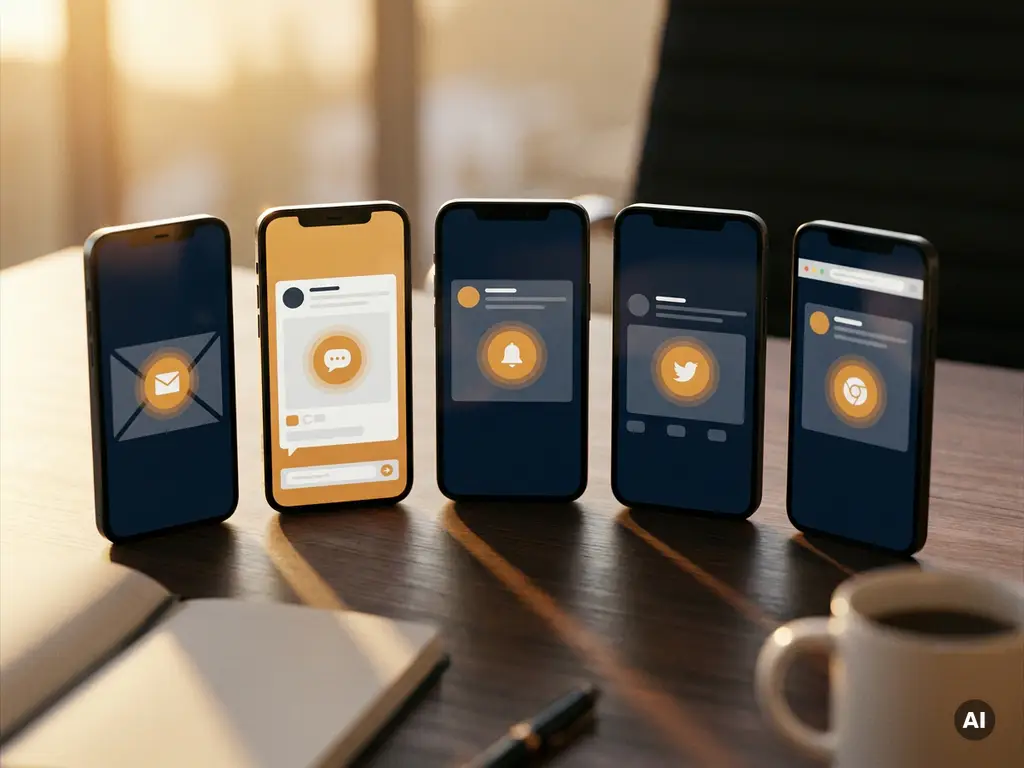
- Real-time trigger automation across email, SMS, WhatsApp, push notifications, and web
- Smart segmentation using RFM modelling, next-best-offer logic, and predictive insights
- A flexible journey builder that gives you full control over cross-channel workflows without needing developer support
- Coordinated cadence controls with global suppression rules to protect your customers from message overload
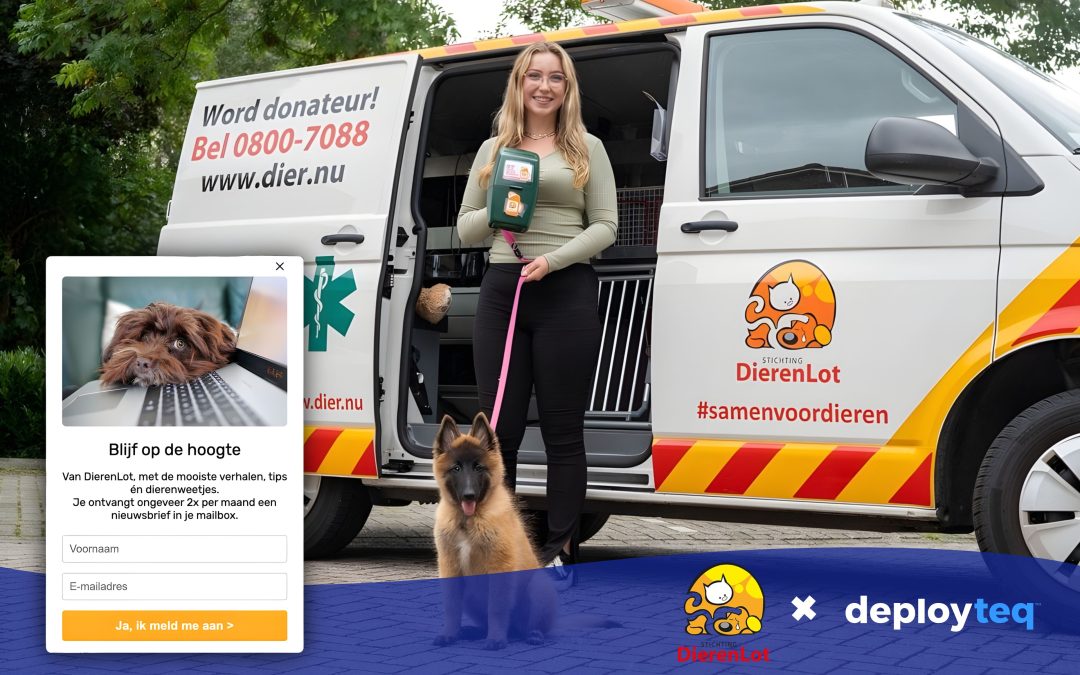
Brands in travel, retail, finance, and entertainment use Deployteq to move from fragmented multichannel campaigns to genuinely connected customer experiences. If you are ready to see how it works in practice, book a personalised demo and we will walk you through it.