Marketing automation was built to save time. And for a while, it does exactly that. But as your customer base grows, your channels multiply, and your data gets more complex, the question shifts from “Can we automate this?” to “Can we actually do more with this?” That is when many marketing teams start to feel the ceiling. The platform that once felt like a leap forward now feels like a constraint.
In 2026, the gap between basic marketing automation and a full engagement platform is wider than ever. Here are five expert reasons why the move makes sense.
When marketing automation stops being enough
Most automation platforms were designed around a single channel, usually email, with rules-based triggers and static audience lists. That model works well at low volume. But when you are managing millions of customer touchpoints across retail, travel, or finance, static logic breaks down fast.
The real limitation is not the automation itself. It is the data model underneath it. When your customer data lives in silos, your personalisation is only as good as your last export. And in fast-moving sectors, that lag costs conversions.
1: Unified data drives smarter personalisation
Personalisation at scale starts with a single, clean view of your customer. Without it, you are stitching together segments from disconnected sources and hoping the picture is accurate enough to act on.
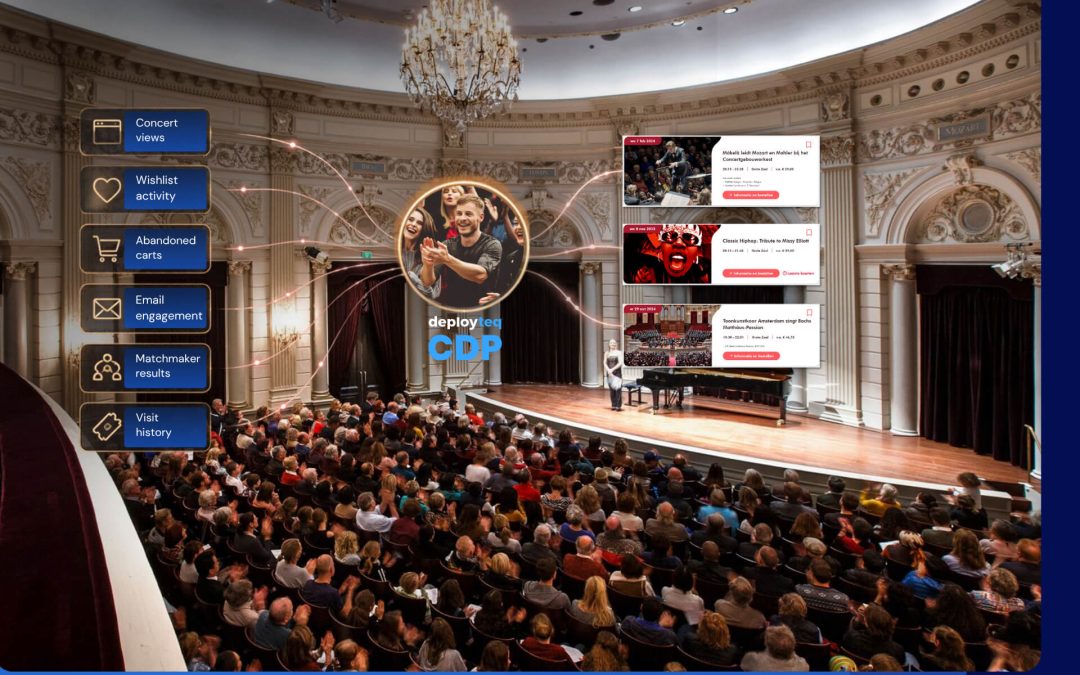
An engagement platform consolidates behavioural, transactional, and demographic data into one unified profile. That means every trigger, every segment, and every message is built on data you can actually use, not a snapshot from three days ago.
For a retail brand managing millions of SKUs and customer interactions daily, this is the difference between sending a cart recovery email twelve hours late and catching the customer while they are still in buying mode. Unified data is not a nice-to-have. It is the foundation everything else is built on.
2: Cross-channel reach beyond email
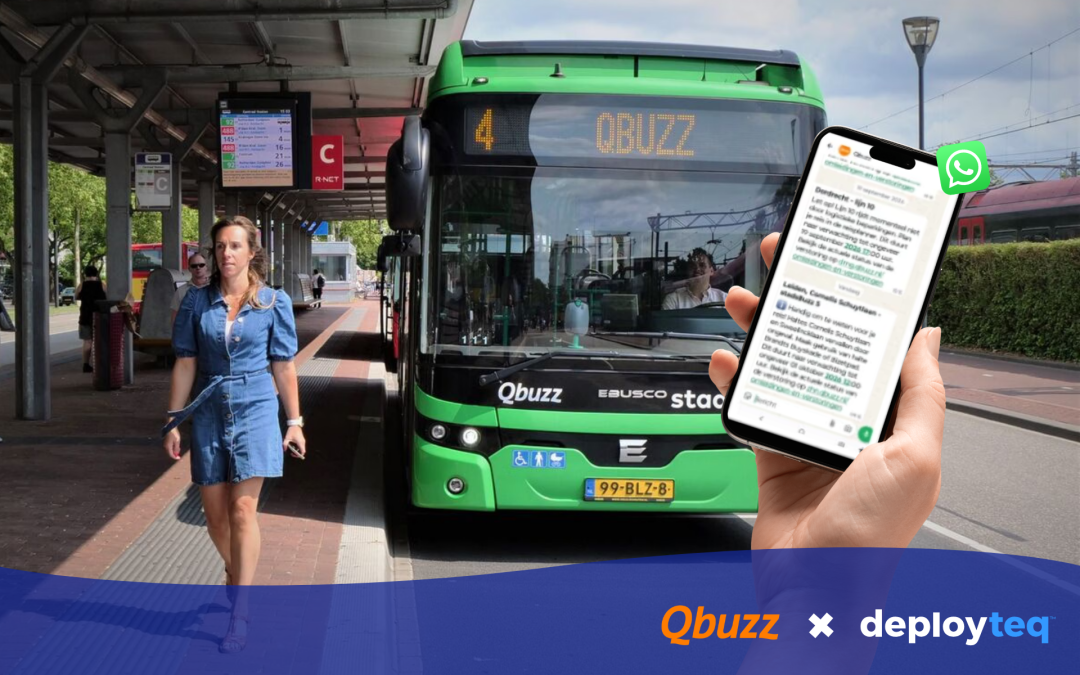
Email remains one of the highest-performing channels in digital marketing. But customers do not live in their inboxes. They browse on mobile, respond to SMS, engage with push notifications, and interact via WhatsApp. A platform that only automates email is leaving significant engagement on the table.
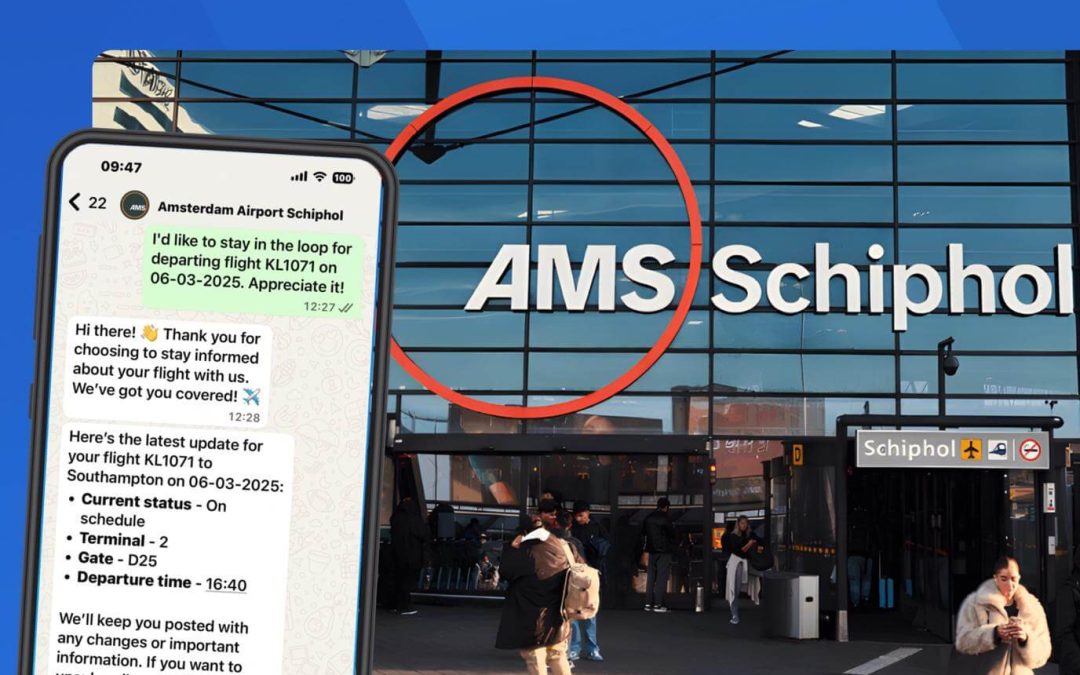
Engagement platforms coordinate messaging across all of these channels from a single workflow. That means a travel brand can trigger a flight reminder via push, follow up with an SMS on the day of departure, and send a post-trip loyalty offer by email, all from one connected journey.
The value is not just reach. It is consistency. When your brand voice and timing are aligned across channels, the customer experience feels intentional rather than scattered.
3: Advanced segmentation for real-time relevance
Rules-based segmentation, where you define a list and update it manually, works until your audience behaviour outpaces your update cycle. Real-time segmentation changes that entirely.
With dynamic, behaviour-driven segments, customers move in and out of audiences automatically based on what they do right now. A finance customer who just checked their account balance three times in an hour signals something different from one who has not logged in for ninety days. Both need a different message, and both need it fast.
Advanced email marketing segmentation also enables you to run hyper-personalised campaigns at scale without duplicating effort. Smart logic and dynamic content blocks mean one campaign can serve dozens of distinct audience segments with tailored messaging, not a one-size-fits-all blast.
4: Journey builders that match brand complexity
Most automation platforms offer a journey builder. The real question is whether it can handle the complexity your brand actually operates at.
A basic if-then workflow is fine for a welcome series. But an entertainment brand running high-frequency engagement across loyalty tiers, content preferences, and seasonal campaigns needs a journey builder that can branch, loop, and adapt without becoming impossible to manage.
Engagement platforms offer journey builders designed for that complexity. You can build multi-stage, multi-channel flows that respond to live customer behaviour, incorporate predictive signals, and still remain editable by a marketing team without needing developer support. Freedom and flexibility in journey design are not a luxury. For complex brands, they are a requirement.
5: What does platform scalability actually mean?
Scalability is one of the most overused words in martech. But it has a practical definition: can the platform handle more data, more channels, more campaigns, and more users without slowing down or breaking your processes?
True scalability means your segmentation runs in real time even when your database grows to tens of millions of records. It means your campaign logic does not need to be rebuilt every time you add a new channel. And it means your team can move faster as the business grows, not slower.
It also means the platform can grow with your strategy. Intelligent modelling capabilities like RFM scoring, next-best-offer logic, and predictive insights become more valuable as your data matures. A scalable customer data platform makes those capabilities accessible without requiring a data science team to operate them.
How Deployteq helps you move to an engagement platform
We built Deployteq specifically for marketing teams who have outgrown simpler tools and need a platform that matches the complexity of their customer base. Whether you are upgrading from a basic automation tool or consolidating a fragmented martech stack, we give you the infrastructure to move faster and personalise smarter.
Here is what that looks like in practice:
- Unified customer data consolidated into a single profile, ready for real-time activation across every campaign
- Cross-channel delivery across email, SMS, WhatsApp, push, and web from one connected platform
- Advanced segmentation that updates dynamically based on live customer behaviour, not static lists
- A flexible journey builder that handles multi-stage, multi-channel flows without needing developer resources
- Intelligent modelling including RFM, next-best-offer, and predictive insights built directly into your campaigns
- Scalable architecture trusted by brands like Wickes, Virgin Media, and Center Parcs
If your current platform is holding your team back, it is worth seeing what a purpose-built engagement platform can do. Do a self-guided demo and see exactly how Deployteq fits your use case.