Marketing automation scales personalisation across channels by using unified customer data to trigger relevant, timely messages automatically, without manual effort for every interaction. The platform connects data from every touchpoint, segments audiences in real time, and delivers tailored content across email, SMS, push notifications, and more. Below, we unpack the key questions marketers ask when building a cross-channel personalisation strategy.
What channels can marketing automation personalise at scale?
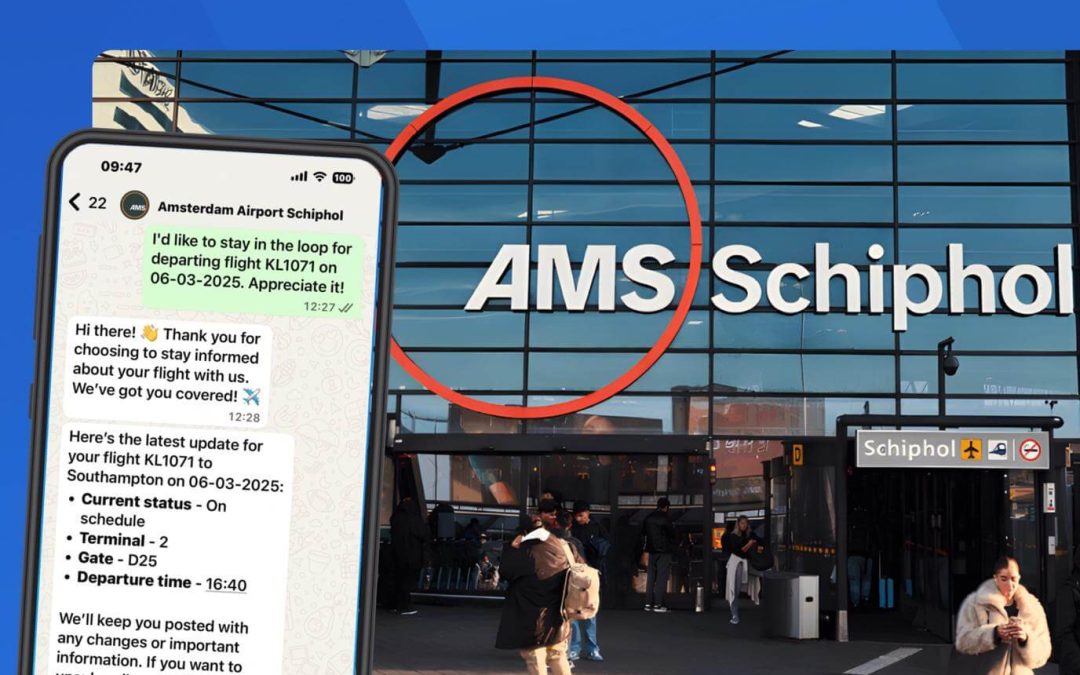
Marketing automation can personalise at scale across email, SMS, WhatsApp, push notifications, web content, and social media, all from a single platform. The key is that each channel draws from the same customer data, so the message a customer receives on WhatsApp reflects what they did on your website, not a disconnected broadcast.
In practice, this means a travel brand can send a booking reminder via email, follow it with an SMS if the customer hasn’t converted, and serve a personalised web banner when they return to the site. Every touchpoint feels connected because it is connected.
- Email: Dynamic content blocks, personalised subject lines, and behaviour-triggered sends
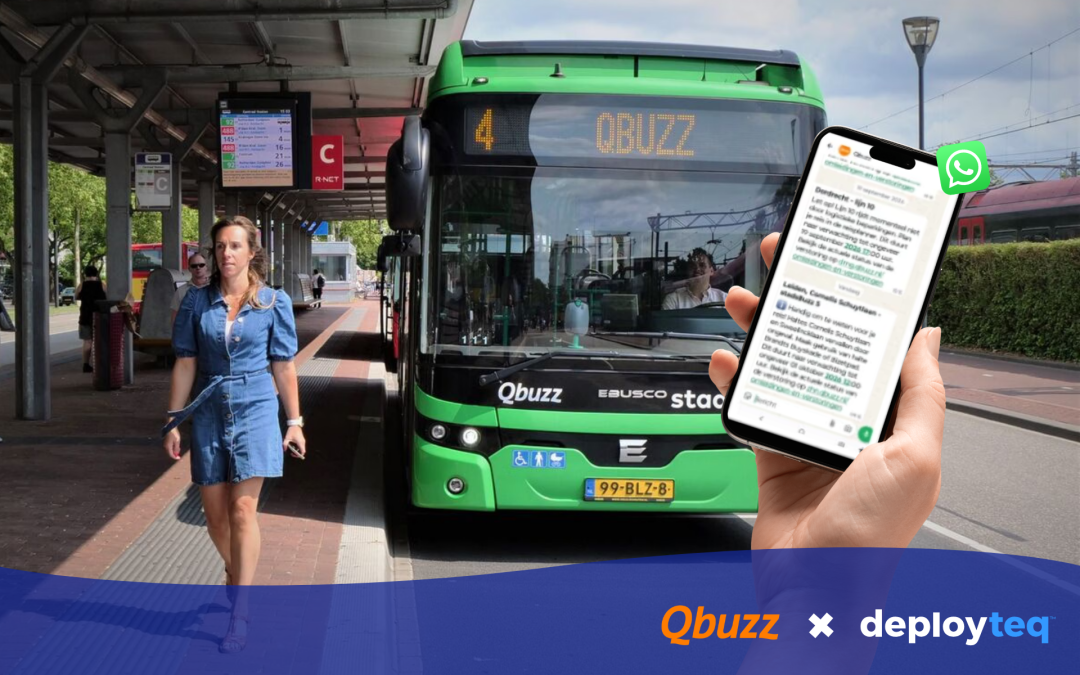
- SMS and WhatsApp: Time-sensitive alerts, transactional messages, and loyalty nudges
- Push notifications: App-based triggers based on location, behaviour, or lifecycle stage
- Web personalisation: On-site content that adapts to a visitor’s segment or previous actions
- Social media: Audience syncing for retargeting and lookalike campaigns
The more channels you activate from a single data source, the more consistent and relevant the customer experience becomes. Cross-channel personalisation is not about being everywhere, it is about being relevant wherever your customer shows up.
How does customer data power personalisation across channels?
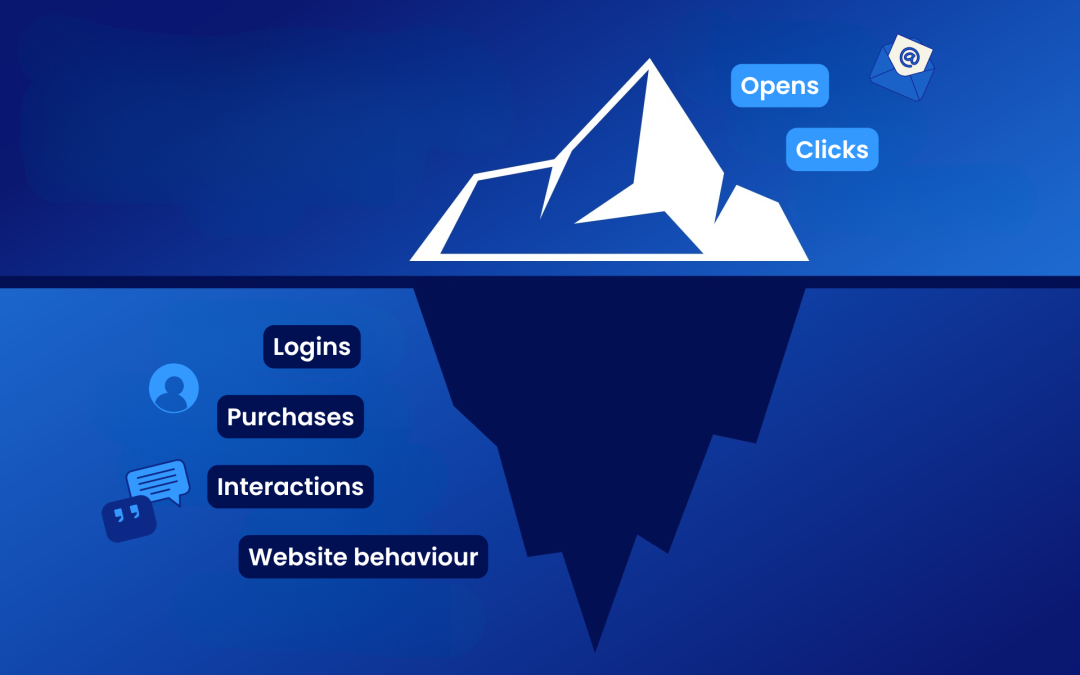
Customer data powers cross-channel personalisation by giving your automation platform the context it needs to make smart decisions in real time. Without unified data, each channel operates in isolation. With it, every message can reflect the customer’s full history, purchases, browsing behaviour, preferences, and lifecycle stage.
The foundation is a single customer view. When data from your CRM, e-commerce platform, loyalty programme, and web analytics flows into one place, your automation can trigger the right message at the right moment. A retail customer who browses a product three times but doesn’t buy is a very different audience from one who just completed their fifth purchase.
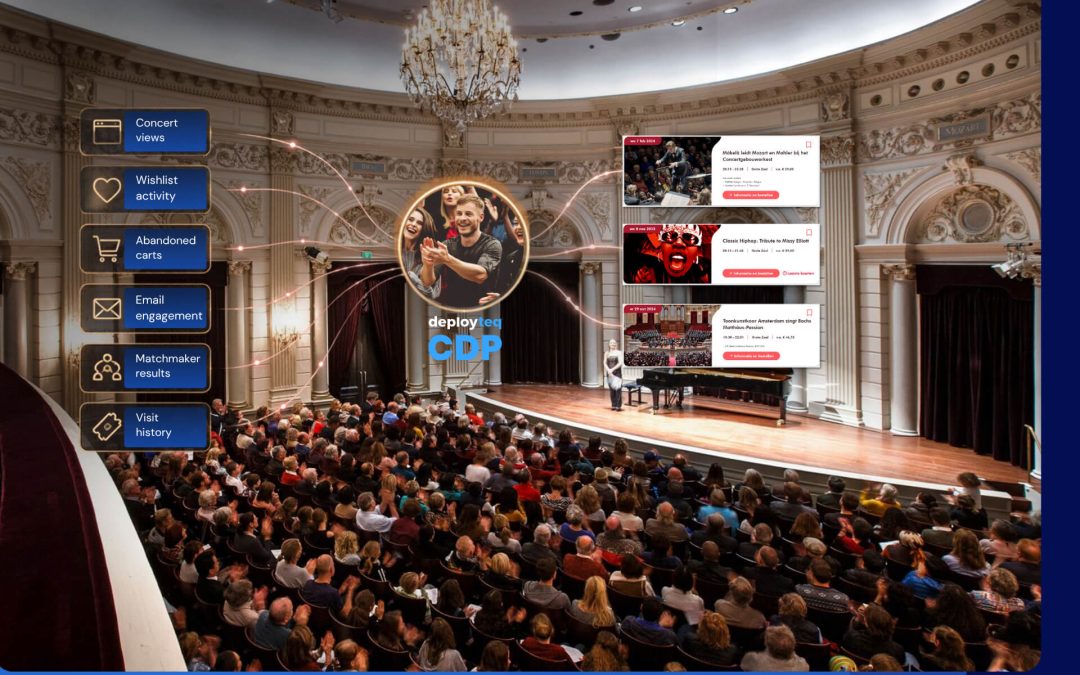
A customer data platform plays a central role here. It consolidates data from multiple sources, resolves customer identities across devices, and makes that data immediately actionable for campaign triggers and segmentation. The result is personalisation that feels intuitive rather than intrusive.
Intelligent modelling takes this further. RFM scoring (Recency, Frequency, Monetary value), next-best-offer logic, and predictive insights allow you to anticipate what a customer needs before they explicitly signal it, a significant advantage in high-volume sectors like retail and entertainment.
What role does segmentation play in automated personalisation?
Segmentation is the engine that makes automated personalisation precise. It divides your audience into groups based on shared attributes or behaviours, so your automation knows which message to send to which person. Without segmentation, automation is just scheduled broadcasting.
Advanced segmentation goes well beyond demographic splits. Real-time behavioural segmentation groups customers based on what they are doing right now, a customer who just abandoned a cart is in a very different segment from one who opened three emails without clicking. Acting on those differences in real time is where automation delivers its biggest gains.
Smart segmentation also prevents over-communication. Rather than sending every message to your entire list, you send the right message to the customers for whom it is relevant. This protects deliverability, reduces unsubscribes, and improves the overall customer experience.
- Demographic segments: Age, location, language preferences
- Behavioural segments: Purchase history, browsing patterns, engagement frequency
- Lifecycle segments: New subscribers, active buyers, lapsed customers, VIP loyalists
- Predictive segments: Customers likely to churn, likely to upgrade, or likely to respond to a specific offer
The most effective segmentation strategies combine these layers. A finance brand, for example, might target customers who are in the “active” lifecycle stage, have recently viewed a savings product, and are predicted to respond to a limited-time rate offer, all within a single automated flow.
How do automated customer journeys deliver personalised experiences?
Automated customer journeys deliver personalised experiences by responding to individual customer actions rather than following a fixed broadcast schedule. Instead of sending everyone the same message on the same day, a journey triggers the next step based on what each customer actually does, or doesn’t do.
A well-built journey maps the customer’s path from first contact to conversion and beyond. At each decision point, the automation evaluates the customer’s behaviour and routes them accordingly. A customer who clicks a product recommendation moves into a purchase-intent flow. One who ignores three emails moves into a re-engagement sequence.
Journey builders that offer genuine flexibility are critical here. Rigid, linear flows can’t accommodate the complexity of real customer behaviour. The best journey tools let you build branching logic, set time delays, apply conditional filters, and layer in multiple channels, all without duplicating effort for every scenario.
For a hospitality brand, this might look like a welcome journey that starts with an email, branches based on whether the customer has previously stayed, sends a WhatsApp message with a personalised offer if they haven’t booked within seven days, and follows up with a push notification when availability changes. Every step is automated, but every message feels personal.
What’s the difference between personalisation and segmentation in marketing automation?
Segmentation divides your audience into groups; personalisation tailors the message for the individual within that group. They work together, but they are not the same thing. Segmentation is the “who”, personalisation is the “what and how.”
A segment might be “customers who bought running shoes in the last 90 days.” Personalisation within that segment means the email each customer receives references the specific shoes they bought, uses their name, and recommends accessories that match their purchase, not a generic running gear promotion.
In marketing automation, personalisation is typically delivered through dynamic content. Smart logic within a template swaps out blocks of content based on the customer’s data, so a single campaign can produce thousands of unique variations without any manual production work.
The practical implication is that segmentation sets the strategic intent, and personalisation executes it at the individual level. Strong segmentation with no personalisation produces relevant-ish messages. Strong personalisation with poor segmentation produces beautifully tailored messages sent to the wrong people. Both matter.
How do you measure whether cross-channel personalisation is working?
Cross-channel personalisation is working when engagement rates improve, conversion rates rise, and customer lifetime value increases over time. The specific metrics depend on your channels and goals, but the underlying principle is consistent: personalised, relevant experiences outperform generic broadcasts across every measurable dimension.
Start with channel-level metrics to establish baselines. Open rates, click-through rates, and conversion rates tell you whether individual messages are resonating. Compare personalised sends against non-personalised sends within the same campaign to isolate the impact of personalisation specifically.
- Engagement metrics: Open rates, click rates, reply rates, and time on site after clicking
- Conversion metrics: Purchase rate, form completions, and revenue per message
- Retention metrics: Repeat purchase rate, churn rate, and loyalty programme engagement
- Cross-channel metrics: Customer journey completion rates and channel attribution data
Beyond individual metrics, look at the full customer journey. A customer who receives a personalised email, clicks through, and then converts via a push notification three days later represents a cross-channel success, but only if your attribution model captures that path. Single-channel attribution will undervalue the role of personalisation in the broader journey.
Review segment performance regularly. If a segment that was highly engaged six months ago is now showing declining open rates, that is a signal to revisit your segmentation criteria, your content strategy, or both. Personalisation is not a one-time setup, it improves through iteration.
How Deployteq helps you scale personalisation across channels
Deployteq is built specifically for marketers who need to deliver personalised experiences at scale, without the complexity that usually comes with it. Our platform brings together the data, segmentation, and journey-building tools you need to make every customer interaction feel relevant, across every channel.
- Unified customer data: Our CDP consolidates data from every source into a single customer view, ready to activate across email, SMS, WhatsApp, push, and web
- Advanced segmentation: Build real-time segments using behavioural, demographic, lifecycle, and predictive data, without needing a data science team
- Dynamic content at scale: Our email marketing platform uses smart logic and dynamic content blocks to deliver hyper-personalised messages from a single campaign, eliminating duplication
- Flexible journey builder: Design branching, multi-channel journeys with full freedom, trigger on behaviour, set conditional logic, and automate faster across every touchpoint
- Intelligent modelling: RFM scoring, next-best-offer logic, and predictive insights help you anticipate what customers need before they signal it explicitly
Whether you are in retail, travel, finance, or entertainment, Deployteq gives you the tools to move from broad campaigns to genuinely personal experiences, at the speed and scale your business demands. Book a demo and see how it works for your specific use case.