You should upgrade from an email tool to a marketing automation platform when your current setup can no longer keep up with the complexity of your customer journeys. If you are sending the same message to your entire list, manually managing segments, or losing visibility across channels, your tool is limiting your growth. This article walks through the key signals, the differences, and exactly what to look for when making the move.
What are the signs your email tool is holding you back?
Your email tool is holding you back when personalisation requires manual workarounds, segmentation is static, and you have no way to trigger messages based on real-time customer behaviour. If your team spends more time building lists than building journeys, that is a clear signal your platform has reached its ceiling.
Here are the most common warning signs to watch for:
- One-size-fits-all sends: Every contact gets the same email because dynamic content or conditional logic is not available.
- Manual segment updates: Your team refreshes lists by hand rather than letting behaviour and data do the work automatically.
- No cross-channel visibility: You cannot see how email performance connects to SMS, push, or web behaviour in one place.
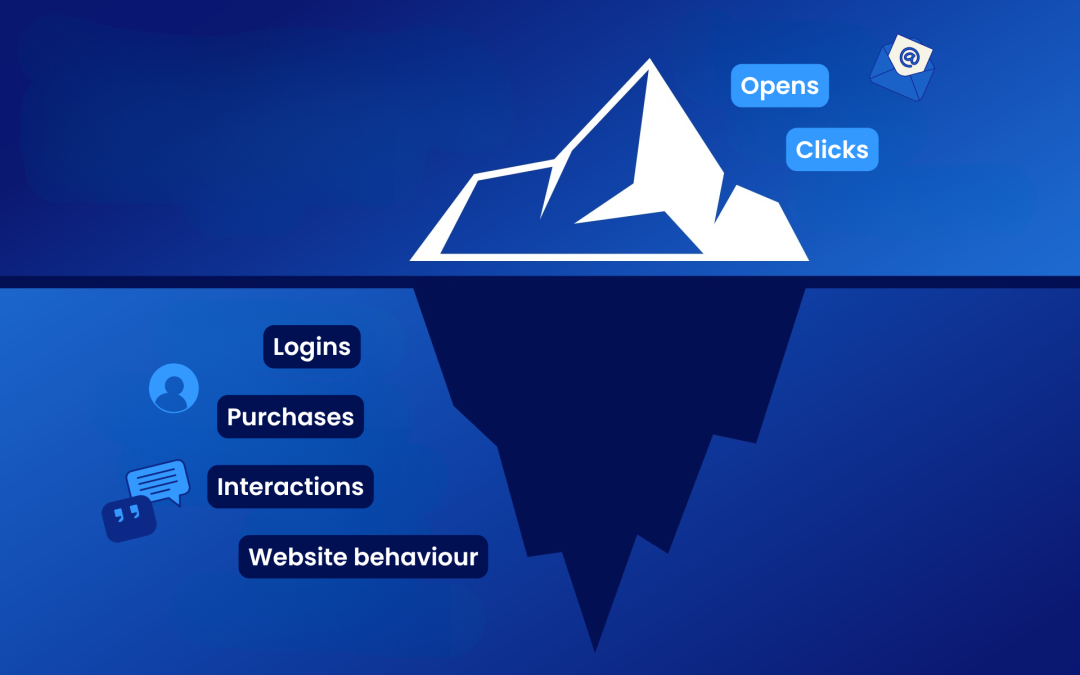
- Limited reporting: You can see open rates and clicks, but not LTV, conversion paths, or revenue attribution.
- Slow campaign production: Every send requires significant manual effort, making it impossible to scale output without scaling headcount.
If two or more of these feel familiar, your tool is not just inconvenient. It is actively costing you revenue and customer relationships.
What’s the difference between an email tool and a marketing automation platform?
An email tool sends messages. A marketing automation platform orchestrates entire customer journeys across multiple channels, using real-time data to trigger the right message at the right moment. The core difference is intelligence and scope, not just volume.
Email tools like Mailchimp or ActiveCampaign are built for straightforward broadcast sending. They work well when your list is small and your campaigns are simple. But they are not designed to handle complex lifecycle logic, unified customer data, or cross-channel triggers.
A marketing automation platform gives you:
- Behavioural triggers: Messages fire based on what a customer does, not just when you schedule a send.
- Unified data: All customer touchpoints feed into a single profile, so every message reflects the full picture.
- Multi-channel orchestration: Email, SMS, WhatsApp, push, and web work together rather than in silos.
- Advanced segmentation: Segments update in real time based on purchase history, engagement, and predictive signals.
- Journey builders: Visual, flexible tools that let you design, test, and optimise complex customer flows without developer support.
In short, an email tool is a sending mechanism. A marketing automation platform is a growth engine.
How do you know if your business is ready for marketing automation?
Your business is ready for marketing automation when you have a growing contact database, multiple customer touchpoints to manage, and a clear need to deliver personalised experiences at scale without adding manual effort. Readiness is less about company size and more about complexity and ambition.
Ask yourself these questions:
- Are you sending more than a handful of campaigns per month across different segments?
- Do you have customer data sitting in multiple systems that never talk to each other?
- Are you losing revenue to cart abandonment, lapsed customers, or missed re-engagement windows?
- Is your team stretched thin because campaign production is largely manual?
- Do you want to personalise beyond first name, but lack the tools to do it?
If the answer to most of these is yes, you are not just ready. You are overdue. The longer you stay on a basic tool, the more customer data goes underused and the more revenue opportunities slip through the gaps.
What does the upgrade process from a simpler platform actually look like?
Upgrading from a simpler email platform to a marketing automation solution typically involves four stages: data migration, platform configuration, journey rebuilding, and team onboarding. Done properly, it is a structured process, not a disruptive overhaul, and most teams are running live campaigns within weeks.
Stage one: Data migration and consolidation
The first step is getting your customer data into a clean, unified structure. This means exporting your existing contacts, mapping fields correctly, and connecting any external data sources such as your CRM, e-commerce platform, or loyalty system. This is also the moment to audit your list health and remove invalid or inactive contacts.
Stage two: Configuration and journey rebuilding
Once your data is in place, you configure your segments, templates, and automation logic. Existing campaigns, such as welcome flows, cart recovery sequences, and re-engagement programmes, get rebuilt inside the new platform’s journey builder. This is where you can immediately improve on what you had before, adding branching logic, dynamic content, and multi-channel triggers that were not possible in your old tool.
Most teams find that rebuilding journeys in a proper automation platform takes less time than expected, especially when the platform offers intuitive visual tools. The switch also tends to surface gaps in your previous strategy that you can fix immediately.
Which teams and industries benefit most from marketing automation?
Marketing automation delivers the strongest results for teams managing high-volume customer bases, complex lifecycle stages, or time-sensitive communications. Sectors including retail, travel, finance, and entertainment see particularly strong returns because their customer journeys involve frequent touchpoints and significant revenue tied to timing.
- Retail and e-commerce: Cart recovery, post-purchase flows, stock alerts, and hyper-personalised product recommendations all depend on real-time triggers that basic email tools cannot deliver.
- Travel and leisure: Booking window automation, loyalty programme communications, and destination-specific content require dynamic segmentation and multi-channel reach.
- Finance and insurance: Complex lifecycle communications, timely alerts, and trust-building sequences benefit from precise automation logic and compliance-friendly personalisation.
- Entertainment: High-frequency engagement, content-based triggers, and event-driven campaigns demand speed and flexibility that only automation platforms provide.
In terms of roles, CRM specialists, email marketers, and marketing managers gain the most day-to-day efficiency. CMOs gain visibility and revenue attribution that basic tools simply cannot provide. The email marketing capabilities of a proper platform transform what these teams can achieve without increasing headcount.
What should you look for in a marketing automation platform?
When evaluating a marketing automation platform, prioritise unified data management, flexible journey building, strong cross-channel support, and ease of use. The best platform is one your team will actually use confidently, not the one with the longest feature list.
Here is what to assess during your evaluation:
- Data consolidation: Can the platform unify customer data from multiple sources into a single profile? Look for native customer data platform capabilities or strong integrations.
- Segmentation depth: Does it support real-time, behaviour-based segments, not just static lists? Smart segmentation is what makes personalisation scalable.
- Journey builder flexibility: Can you design complex, multi-step flows with branching logic without needing developer support?
- Channel coverage: Does it support email, SMS, push, WhatsApp, and web from a single platform? Siloed channels mean siloed experiences.
- Ease of use: Will your team adopt it quickly? A platform that requires months of training will slow your momentum.
- Reporting and attribution: Can you connect campaign activity to revenue? Vanity metrics are not enough when you are making business cases for investment.
- Migration support: Does the vendor offer structured onboarding to move you off your current platform without losing data or momentum?
How Deployteq helps you make the move to marketing automation
We built Deployteq specifically for marketing teams who have outgrown their current tools and need a platform that combines power with genuine ease of use. Whether you are upgrading from Mailchimp, ActiveCampaign, or another basic platform, we make the transition structured and fast.
Here is what you get with Deployteq:
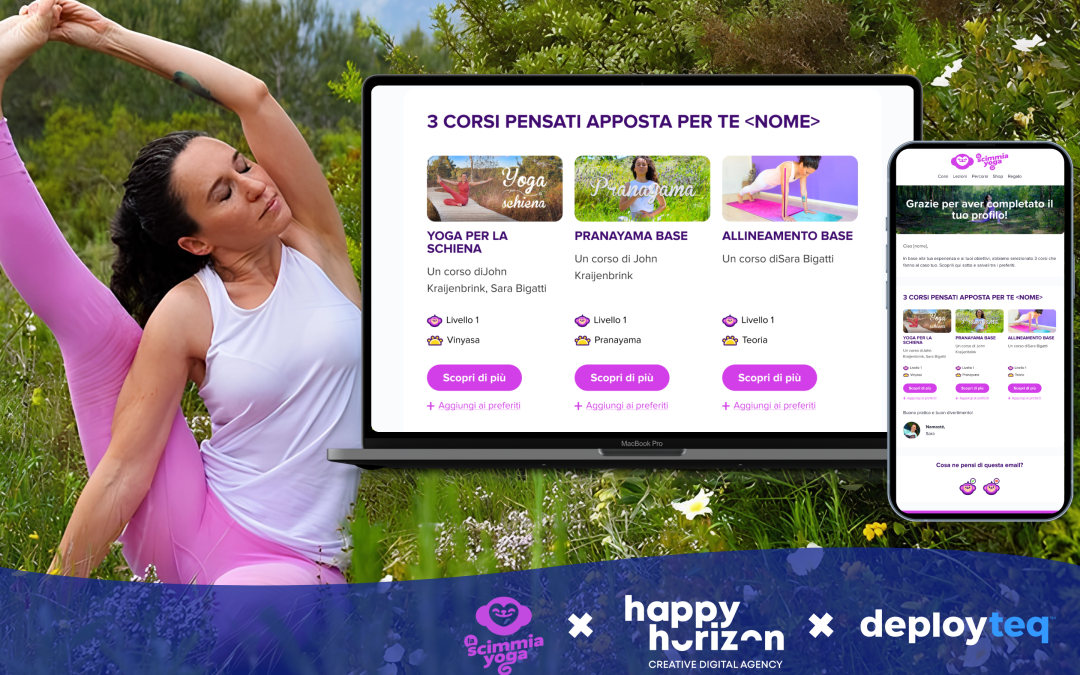
- Advanced email marketing with superior segmentation: Deliver hyper-personalised messages at scale using dynamic content blocks and smart logic, with no duplication and no manual workarounds.
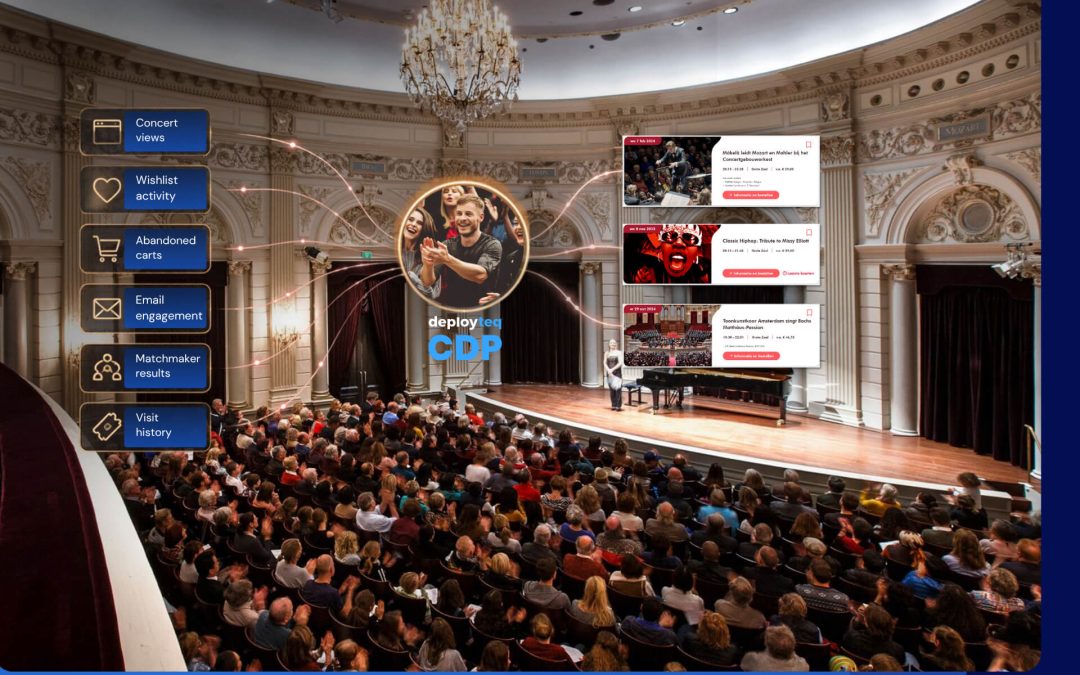
- Unified customer data: Consolidate data from every source into a single customer profile, so every campaign reflects the full picture.
- Cross-channel campaigns: Activate across email, SMS, WhatsApp, push, and web from one platform, with consistent, personalised experiences across every touchpoint.
- Flexible journey builder: Design, test, and optimise complex customer journeys with full creative freedom and no developer dependency.
- Intelligent modelling: Use RFM analysis, next-best-offer logic, and predictive insights to reach the right customer at exactly the right moment.
- Structured onboarding: We support your migration from day one, so you are up and running with live campaigns quickly.
Trusted by brands like Wickes, Virgin Media, and Center Parcs, we work with marketing teams across retail, travel, finance, and entertainment who are ready to automate faster and deliver real results. Book a demo and see how Deployteq fits your current setup.