Next-best-offer modelling is a predictive technique that uses customer data to identify which product, service, or promotion a specific individual is most likely to respond to next. It works by analysing behavioural patterns, purchase history, and lifecycle signals to surface the most relevant offer at the right moment. A Customer Data Platform makes this possible at scale by unifying all that data into actionable profiles. Below, we unpack how the model works, what it needs, and when it makes commercial sense to invest in it.
How does next-best-offer modelling actually work?
Next-best-offer modelling works by scoring each customer against a set of predictive signals to rank which offer has the highest probability of conversion for that individual. Rather than sending the same promotion to your entire database, the model evaluates each profile in real time and surfaces the offer most likely to drive a purchase, renewal, or upgrade. The output is a ranked recommendation that feeds directly into your campaign logic.
At its core, the model combines two inputs: what a customer has already done, and what customers who look similar to them do next. Machine learning algorithms identify patterns across your base and apply them at the individual level. The result is a dynamic, continuously improving engine rather than a static segmentation rule.
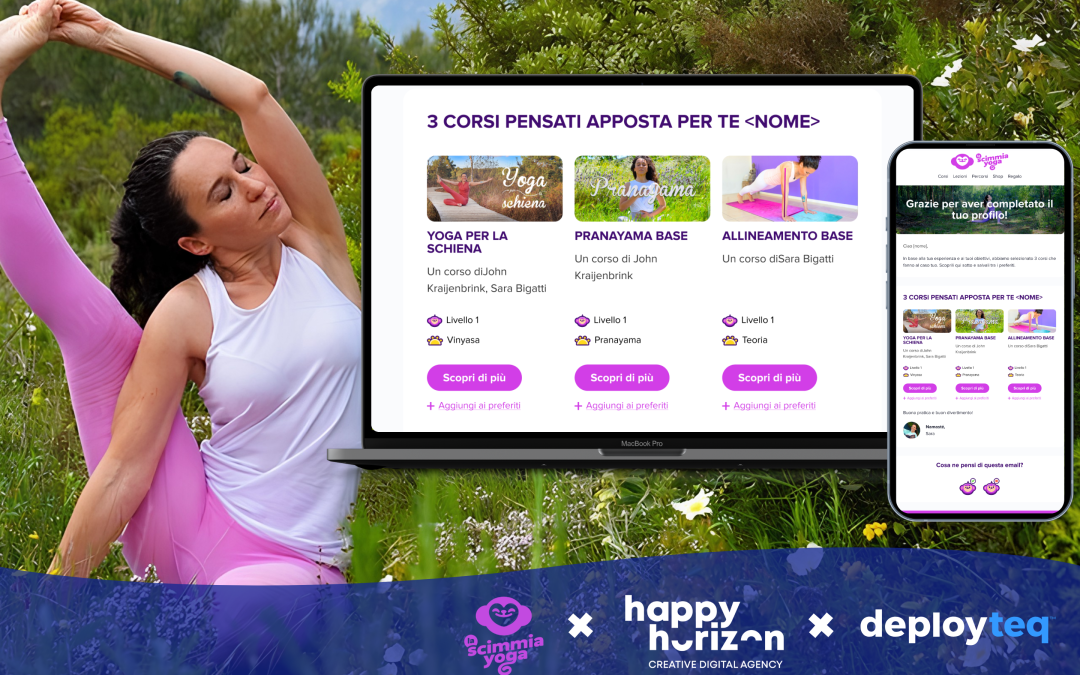
For a retail brand, this might mean a customer who bought running shoes in January is served a personalised sports nutrition offer in February, because the model has learned that this sequence drives strong conversion. For a travel brand, it might mean surfacing a hotel upgrade offer to a customer who just searched a destination but has not yet booked accommodation.
What data does next-best-offer modelling rely on?
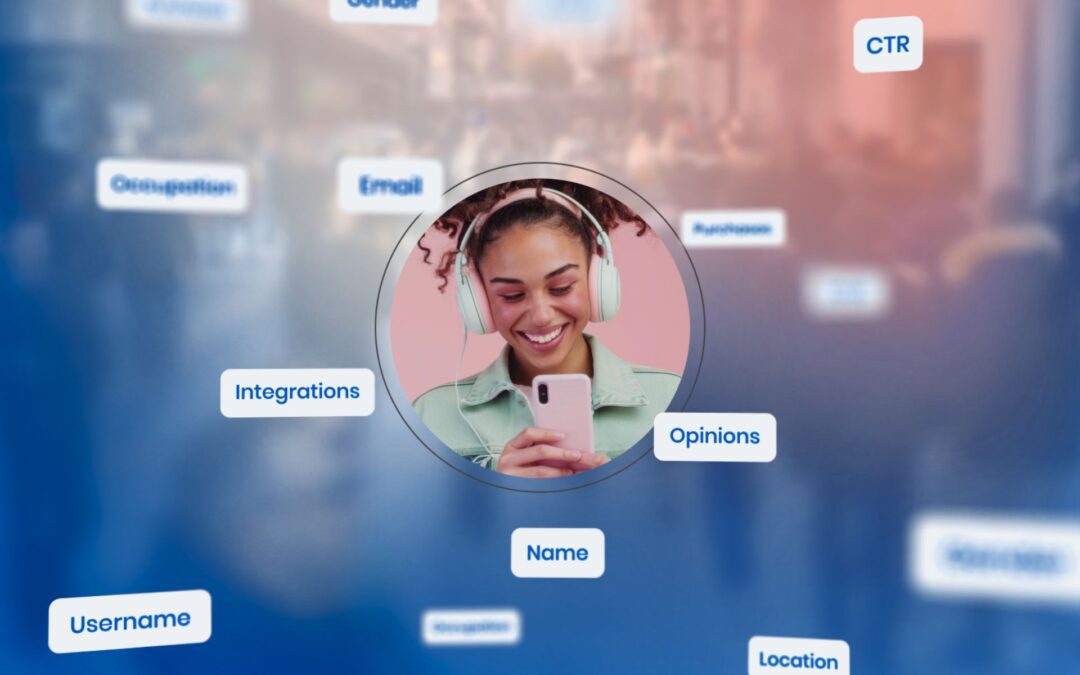
Next-best-offer modelling relies on three core data categories: transactional data (what a customer has bought and when), behavioural data (how they interact with your channels), and profile data (demographics, preferences, and lifecycle stage). The richer and more unified this data, the more accurate the model’s predictions become.
Transactional data provides the foundation. Purchase frequency, average order value, category preferences, and recency all feed directly into the model’s scoring logic. This is why RFM analysis (Recency, Frequency, Monetary value) is often used as a first layer before more sophisticated predictive modelling kicks in.
Behavioural signals add real-time context. Browse activity, email engagement, app interactions, and abandoned journeys tell the model what a customer is actively considering right now, not just what they bought six months ago. When these signals are captured and acted on in real time, the model’s relevance increases significantly.
Profile and lifecycle data rounds out the picture. A customer in their first 30 days behaves very differently from a loyal repeat buyer approaching renewal. Factoring in lifecycle stage prevents the model from serving retention offers to brand-new customers, or acquisition-style promotions to your highest-LTV segments.
What’s the difference between next-best-offer and product recommendation engines?
The key difference is intent. Product recommendation engines surface items a customer might like based on browsing or purchase similarity. Next-best-offer modelling goes further by predicting which specific offer will drive a commercial action, factoring in timing, lifecycle stage, channel preference, and propensity to convert. Recommendations are about relevance; next-best-offer is about conversion.
A product recommendation engine might show a customer “others also bought” items or recently viewed products. It is primarily catalogue-driven and works well for discovery and cross-sell on a product page. It does not typically account for where a customer is in their lifecycle or what communication they received last week.
Next-best-offer modelling is campaign-driven. It asks a more strategic question: given everything we know about this customer right now, what is the single most valuable action we should encourage them to take? That might be a product, but it could equally be a loyalty programme enrolment, a service upgrade, or a retention incentive timed to prevent churn.
In practice, many brands use both. Recommendation engines power on-site personalisation and product discovery. Next-best-offer logic drives outbound campaigns across email, SMS, and push, where a single, well-timed message needs to do commercial work.
How does a CDP enable next-best-offer modelling?
A real-time customer data platform enables next-best-offer modelling by creating a unified, continuously updated customer profile that feeds predictive models with clean, complete data. Without a CDP, customer data sits in silos across your CRM, ecommerce platform, email tool, and web analytics, making it impossible to build the full picture each prediction requires.
The CDP’s role is to ingest data from every source, resolve it to a single customer identity, and make it available for modelling in real time. When a customer browses a product, completes a purchase, or opens an email, that signal updates their profile immediately. The next-best-offer model can then recalculate its recommendation before the next send.
Beyond data unification, a CDP platform provides the activation layer. It is not enough to know which offer to serve; you need to deliver it automatically through the right channel at the right moment. A CDP that integrates directly with your campaign tooling closes that gap, turning a model output into a live, personalised message without manual intervention.
Intelligent modelling capabilities built into the CDP, such as RFM scoring, next-best-offer predictions, and lifecycle stage classification, mean marketers can act on insights without needing a dedicated data science team to run the analysis separately. The model runs within the platform and feeds campaign logic directly.
Which marketing channels benefit most from next-best-offer predictions?
Email, SMS, and push notifications benefit most from next-best-offer predictions because they are direct, one-to-one channels where a single personalised message replaces a generic broadcast. The model’s output maps naturally onto triggered or scheduled sends, making it straightforward to serve a different offer to every recipient in the same campaign.
Email is typically the highest-value channel for next-best-offer deployment. It supports rich content, dynamic personalisation blocks, and the kind of detailed offer presentation that drives considered purchases. For finance, retail, and travel brands running high-volume programmes, replacing segment-level offers with individual-level predictions can lift conversion rates meaningfully.
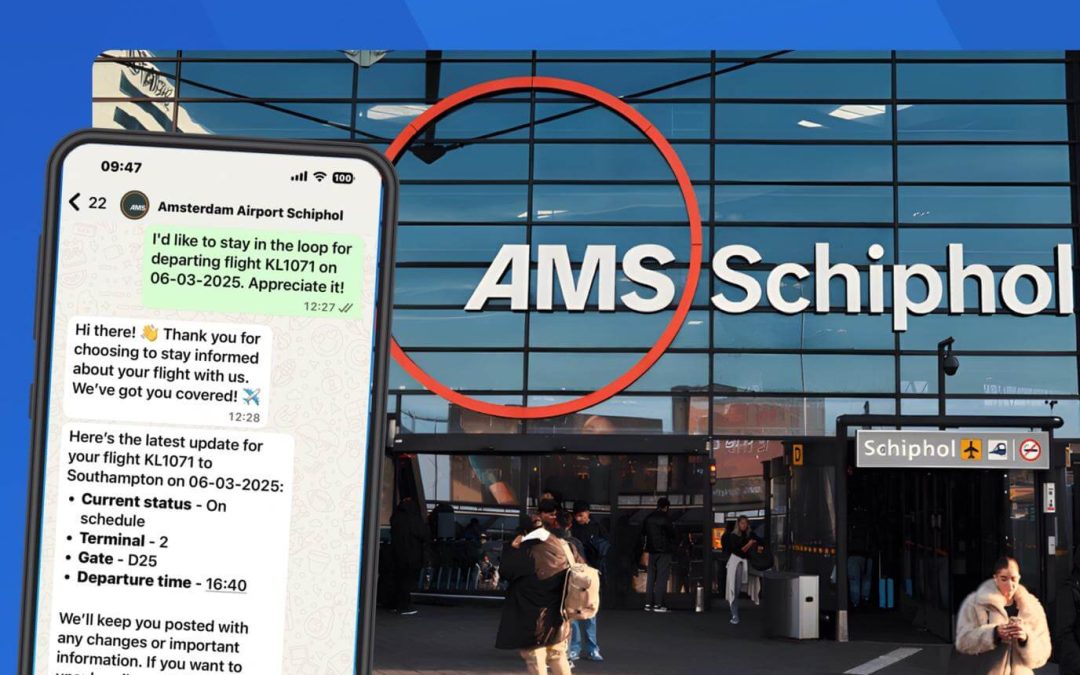
SMS and WhatsApp are increasingly important for time-sensitive offers. When the model identifies a customer with high purchase propensity in a short window, a well-timed SMS can outperform an email simply because it arrives faster and is read immediately. Entertainment brands running flash sales or travel brands promoting last-minute availability use this channel combination effectively.
Web personalisation adds a further dimension. When a customer lands on your site after receiving a next-best-offer communication, showing them a consistent, personalised experience reinforces the message and reduces friction to conversion. A marketing automation platform that connects outbound offers to on-site content closes the loop between prediction and purchase.
When should a brand invest in next-best-offer modelling?
A brand should invest in next-best-offer modelling when it has a sufficiently large and diverse customer base, a meaningful volume of transactional and behavioural data, and the campaign infrastructure to act on predictions in real time. Without these foundations, the model has too little signal to generate reliable outputs and too few channels to deliver them effectively.
The clearest signal that you are ready is when your current segmentation approach has hit a ceiling. If your best campaigns are still sending the same offer to broad audience groups and you are seeing diminishing returns, that is a strong indicator that individual-level prediction will unlock new performance.
Brands with complex product catalogues or long customer lifecycles, such as those in retail, travel, finance, and entertainment, tend to see the strongest returns. The more choices a customer could plausibly make next, the more valuable it is to predict the right one rather than guess with a segment-level rule.
It is also worth considering the operational readiness question. Next-best-offer modelling requires clean, unified data. If your customer data is fragmented across systems and you cannot reliably identify the same person across channels, investing in data infrastructure before the model is the right sequence.
How Deployteq powers next-best-offer modelling
We built our Customer Data Platform specifically to make intelligent modelling accessible to marketers, not just data teams. Here is what that looks like in practice:
- Unified customer profiles: We consolidate data from every source into a single, continuously updated customer view, giving the model the complete signal it needs to generate accurate predictions.
- Built-in next-best-offer modelling: Our CDP includes native next-best-offer, RFM, and predictive lifecycle modelling, so you do not need a separate data science tool or manual exports to run the analysis.
- Direct campaign activation: Model outputs feed directly into Deployteq campaigns across email, SMS, WhatsApp, push, and web, meaning a prediction becomes a personalised message without any manual steps in between.
- Real-time updates: Customer profiles and model scores update in real time as new behavioural and transactional data arrives, keeping your offers relevant as customer intent shifts.
- 360-degree customer view: Our platform visually connects the dots across every touchpoint, giving marketers full visibility of the lifecycle stage, engagement history, and predicted next action for every individual.
If your current platform cannot connect your data to your campaigns at this level of intelligence, it is worth exploring what a real-time customer data platform can unlock for your programme. Book a personalised demo to see how Deployteq’s CDP works in your sector.