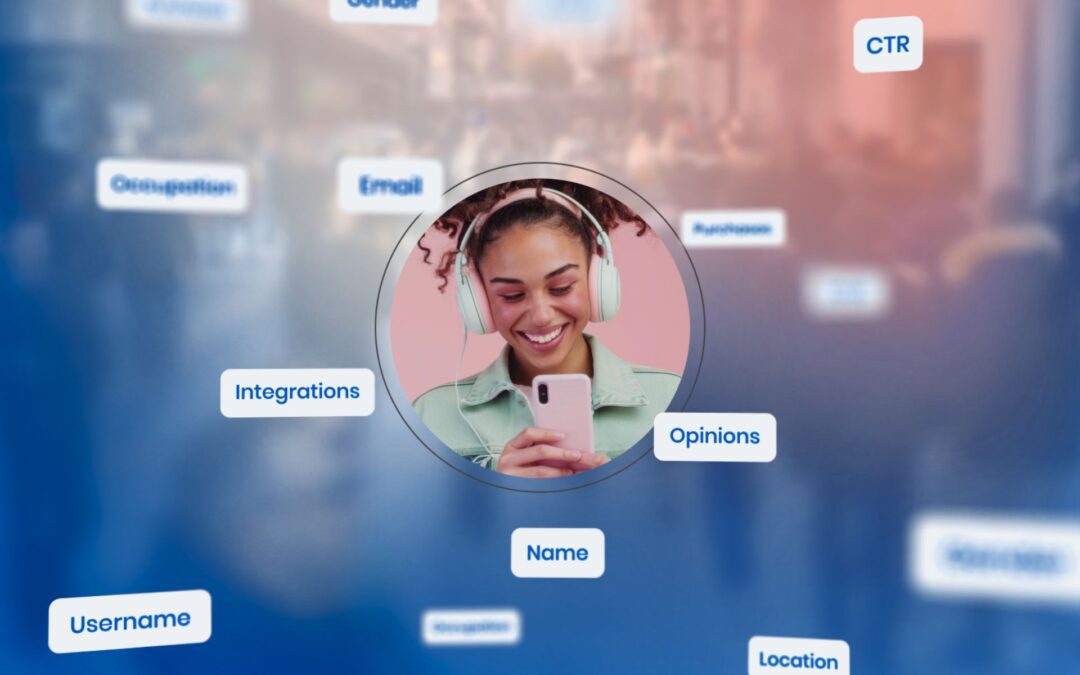
You activate customer data directly within marketing campaigns by connecting your data layer to your campaign execution layer, so that real-time customer attributes, behaviours, and predictive scores trigger and personalise messages without manual intervention. This is made possible through a Customer Data Platform, which unifies data from every source into a single customer profile and makes it immediately actionable across channels. Below, we unpack the key questions marketers ask when building data-driven campaign activation.
What does it mean to activate customer data in a campaign?
Customer data activation means using live, unified customer attributes to automatically trigger, personalise, and optimise campaigns in real time. Rather than exporting a static list and scheduling a batch send, activation connects your data directly to the campaign engine so that every message reflects who the customer is right now, not who they were last week.
In practice, activation bridges the gap between data storage and campaign delivery. A customer who browses a flight to Barcelona, abandons a hotel search, and opens a loyalty email within 24 hours generates a trail of signals. Activation means those signals trigger a personalised retargeting message within minutes, not after a manual data pull on Monday morning.
The shift matters because B2C customers move fast. A retail shopper who views a product and receives a relevant follow-up within the hour converts at a significantly higher rate than one who receives a generic newsletter two days later. Activation closes that window.
What types of customer data can be used to trigger campaigns?
Campaigns can be triggered by behavioural data, transactional data, demographic data, and predictive scores. Each data type serves a different purpose, and the most effective campaigns combine several signals to build a complete picture of intent and lifecycle stage.
- Behavioural data: Website visits, product views, email opens, app sessions, and abandoned carts. These signals indicate real-time intent and are the most time-sensitive triggers.
- Transactional data: Purchase history, order value, frequency, and recency. This powers RFM-based segmentation and loyalty programmes.
- Demographic and preference data: Location, age, communication preferences, and opted-in channels. These shape message content and delivery timing.
- Predictive scores: Next-best-offer models, churn probability, and LTV predictions. These allow you to act before a customer signals intent explicitly.
- Contextual data: Device type, time of day, and current session behaviour. These enable dynamic content that adjusts at the moment of open or click.
For a travel brand, this might look like combining recency of last booking, destination browsing history, and a predictive churn score to trigger a personalised win-back offer before the customer books with a competitor.
How does a CDP enable direct data activation in campaigns?
A real-time customer data platform enables direct activation by unifying all customer data into a single profile and making that profile immediately available to your campaign tools, without requiring a data export, a separate BI team, or a manual segment build. The CDP acts as the connective tissue between your data sources and your execution channels.
Traditional marketing stacks often separate data management from campaign delivery. A CDP closes that gap. When a customer completes a purchase, updates a preference, or crosses a predictive threshold, the CDP updates the profile in real time and passes that signal directly to the campaign layer.
Intelligent modelling built into a CDP takes this further. RFM scoring identifies your highest-value customers automatically. Next-best-offer models surface the most relevant product or content for each individual. Full lifecycle insights show where each customer sits in their journey, so you can trigger the right message at the right moment without manual analysis.
The result is a 360-degree single customer view that marketers can act on directly, building hyper-personalised campaigns that respond to live behaviour rather than historical assumptions.
Which channels support real-time customer data activation?
Real-time customer data activation works across email, SMS, WhatsApp, push notifications, and web personalisation. The channels that support activation most effectively are those with direct API connections to your data layer, enabling triggered sends within seconds of a qualifying event.
- Email: The most mature channel for data-driven triggers. Supports dynamic content blocks, behavioural triggers, and personalised product recommendations at scale.
- SMS: High open rates make it ideal for time-sensitive triggers such as booking confirmations, flash sale alerts, or abandoned cart nudges.
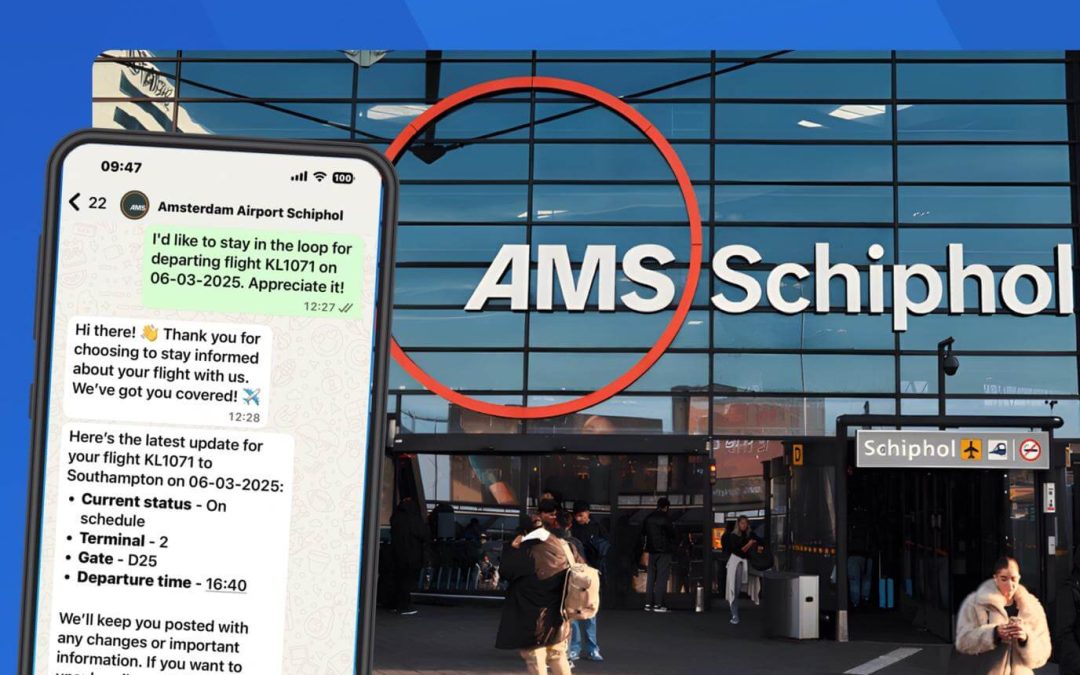
- WhatsApp: Growing rapidly in retail and travel for conversational triggers, order updates, and loyalty communications.
- Push notifications: App and web push enable real-time behavioural triggers, particularly effective for re-engagement and in-session personalisation.
- Web personalisation: On-site content, banners, and recommendations that update dynamically based on the visitor’s live profile and session behaviour.
Cross-channel activation is where the real power lies. A finance customer who ignores an email about a product upgrade might respond to a WhatsApp message or a personalised web banner. A marketing automation platform that connects all these channels to the same data layer ensures consistent, non-repetitive communication across every touchpoint.
What’s the difference between segmentation and data activation?
Segmentation groups customers by shared characteristics so you can target them with relevant content. Data activation goes further by using those characteristics to automatically trigger personalised actions in real time. Segmentation is the strategy; activation is the execution.
A well-built segment might identify customers who have purchased twice in the last 90 days and have a high predicted LTV. Segmentation stops there. Activation takes that segment and automatically enrols those customers into a loyalty nurture journey the moment they qualify, without a marketer manually scheduling a send.
The distinction matters operationally. Segmentation without activation requires regular manual refreshes, scheduled exports, and campaign builds. Activation removes those steps by keeping segments live and connecting them directly to campaign triggers. The result is faster response times, less manual production work, and campaigns that reflect customer behaviour as it happens rather than as it was last week.
For high-volume B2C brands in retail or entertainment, this difference is significant. When you are managing millions of customer records across multiple channels, manual segment-to-campaign workflows do not scale. Activation does.
How do you set up data-driven triggers for automated campaigns?
Setting up data-driven triggers involves defining the qualifying event or threshold, connecting it to your campaign platform via your data layer, and configuring the automated response. The process has five core steps that apply whether you are building a simple abandoned cart flow or a complex lifecycle programme.
- Define the trigger event: Identify the specific action or data condition that should fire the campaign. This could be a page visit, a purchase, a score crossing a threshold, or a period of inactivity.
- Unify your data sources: Ensure the relevant data is flowing into a single customer profile. Fragmented data across CRM, ecommerce platform, and email tool will create gaps in your triggers.
- Build the segment logic: Set the rules that determine which customers qualify. Use real-time attributes where possible to keep the segment live rather than static.
- Configure the campaign response: Build the message content, channel, and timing for the triggered campaign. Use dynamic content blocks to personalise at the individual level.
- Test and monitor: Run the trigger in a controlled environment before full deployment. Monitor qualification rates, delivery, and conversion to refine the logic over time.
For an e-commerce brand, a practical example looks like this: a customer views a product three times without purchasing. That behavioural threshold triggers a campaign. The system checks their purchase history and LTV score, selects the most relevant offer using a next-best-offer model, and delivers a personalised email within the hour. No manual input required after the initial setup.
How Deployteq helps you activate customer data in campaigns
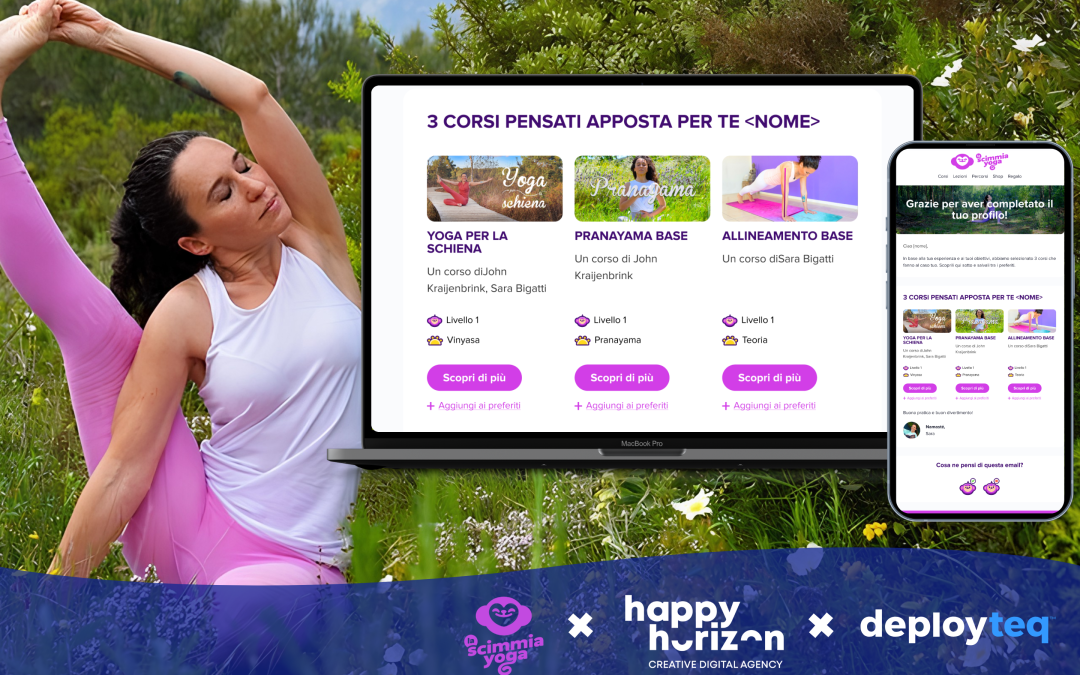
Deployteq’s newly launched Customer Data Platform is built specifically for marketers who need to move from data to action without relying on data teams or manual workflows. It unifies all customer data into intelligent profiles and makes those profiles immediately actionable across every channel we support.
Here is what that looks like in practice:
- 360-degree single customer view: We consolidate data from every source into one unified profile, so your campaigns always reflect the full picture.
- Intelligent modelling built in: RFM scoring, next-best-offer, and predictive lifecycle insights are available directly within campaign builds, no data science team required.
- Real-time activation across channels: Email, SMS, WhatsApp, push, and web personalisation all connect to the same data layer, enabling consistent cross-channel triggers.
- Direct campaign integration: Data activation happens inside the platform, not through external exports or third-party connectors, which means faster builds and fewer points of failure.
- Hyper-personalised journeys: Our journey builder lets you design complex lifecycle flows that respond to live customer data at every step.
If you are ready to see how real-time data activation works inside a live platform, book a guided demo and we will walk you through it.