A customer data platform supports cross-channel marketing by unifying all customer data into a single profile, then activating that data across every channel in real time. Rather than managing separate data silos for email, SMS, and web, a CDP gives marketers one consistent view of each customer. The sections below answer the most common questions about how a CDP actually works in a cross-channel context.
What channels can a CDP connect and activate?
A CDP can connect and activate data across email, SMS, WhatsApp, push notifications, web personalisation, social media, and paid advertising channels. It acts as the central hub that feeds consistent, up-to-date customer data into each of these channels simultaneously, ensuring every touchpoint reflects the same customer profile.
This is where the real value shows up in practice. Without a CDP, a retail brand might send a discount email to a customer who already bought that product in-store five minutes ago. With a CDP, that purchase event updates the customer profile instantly, and every channel adjusts accordingly.
- Email: Trigger personalised messages based on real-time behaviour and lifecycle stage
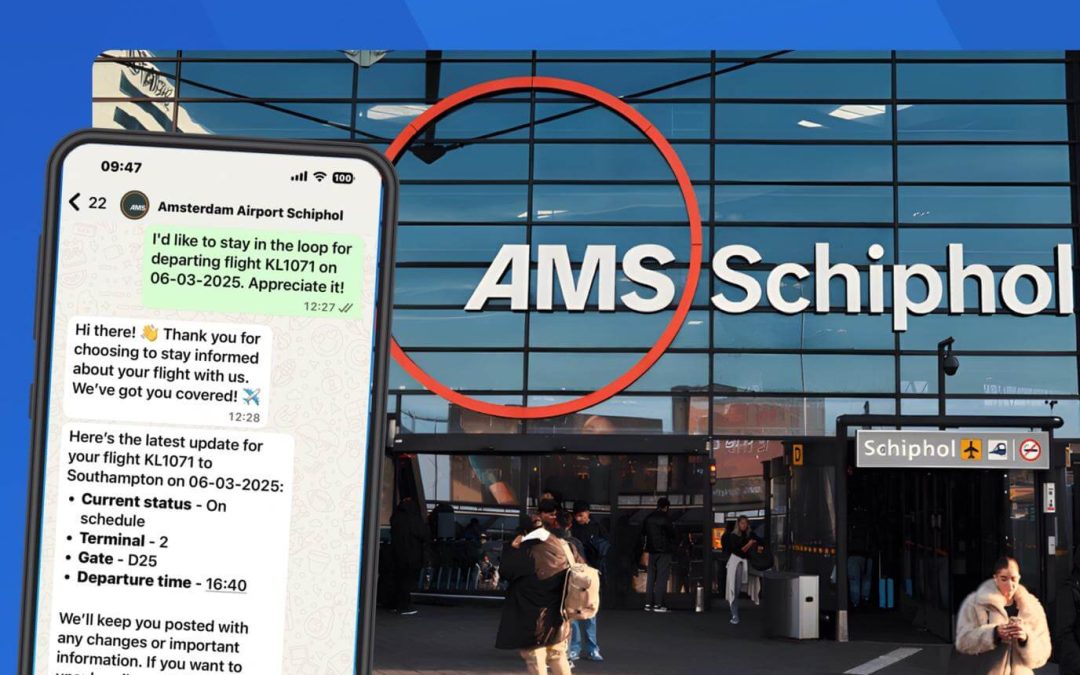
- SMS and WhatsApp: Send timely, contextual alerts without duplicating messages already sent via email
- Push notifications: Reach app users at the right moment based on in-app behaviour
- Web personalisation: Adapt on-site content dynamically to match what you already know about the visitor
- Paid channels: Sync audience segments to social and display platforms for consistent messaging
The key is activation. A CDP does not just store data; it makes that data usable across all of these channels without manual exports or complex integrations.
How does a CDP unify customer data from multiple sources?
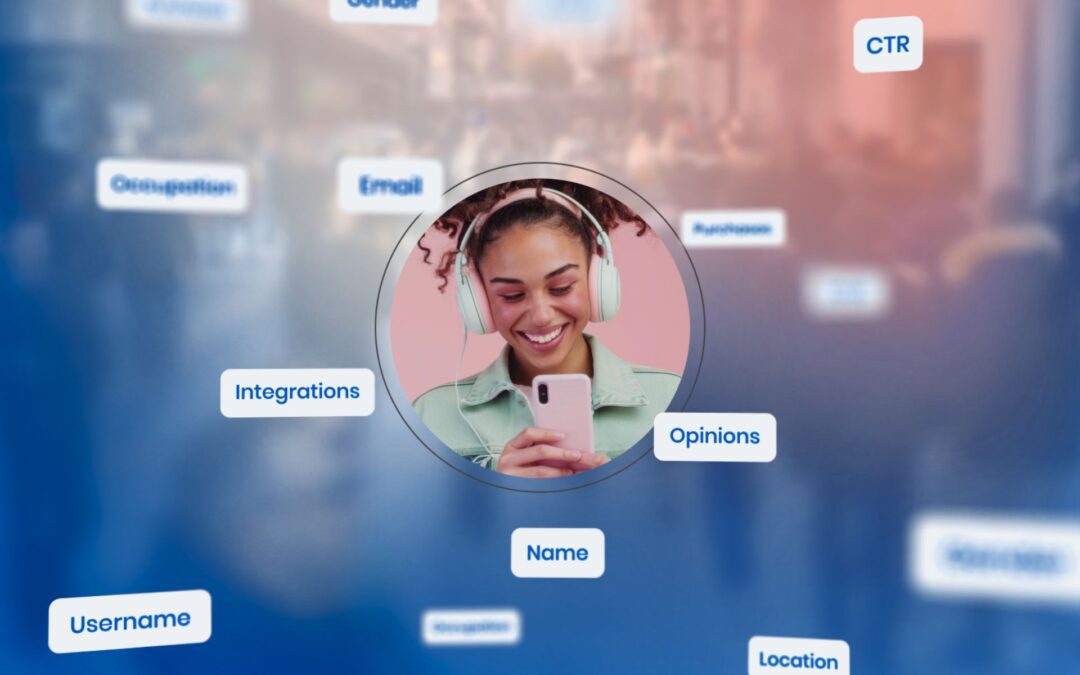
A CDP unifies customer data by ingesting records from every source, including CRM systems, e-commerce platforms, loyalty programmes, web analytics, and offline transactions, then resolving those records into a single, deduplicated customer profile. Identity resolution is the core mechanism: the CDP matches signals like email address, device ID, and loyalty number to stitch fragmented data into one view.
For high-volume B2C brands, this process runs continuously. A customer who browses on mobile, purchases on desktop, and contacts support by phone should appear as one profile, not three separate records. The CDP handles that matching automatically.
Once unified, the profile becomes the foundation for everything downstream. Segmentation, journey triggers, and personalisation all draw from the same source of truth, which means every channel is working with the same data at the same time. That consistency is what makes cross-channel activation reliable rather than approximate.
What’s the difference between a CDP and a CRM for cross-channel marketing?
The key distinction is that a CRM manages relationships and interactions, primarily for sales and service teams, while a CDP is built for real-time data unification and marketing activation at scale. A CRM holds contact records and deal histories; a CDP holds behavioural data, event streams, and predictive attributes that power automated, personalised campaigns.
What a CRM does well
CRMs excel at managing the sales pipeline, logging customer service interactions, and giving account managers a clear view of their contacts. They are structured around manual input and relationship management, which makes them powerful for B2B sales cycles but less suited to high-frequency, behaviour-driven B2C marketing.
What a CDP adds for marketers
A CDP ingests data automatically from dozens of sources and updates profiles in real time. It is designed to handle the scale and speed that B2C marketing requires: millions of customers, thousands of daily events, and campaigns that need to trigger within seconds of a behaviour occurring. A CDP also supports predictive modelling, such as RFM scoring and next-best-offer logic, which sits outside the scope of most CRM platforms.
Many brands run both. The CRM manages the sales and service relationship; the CDP powers the marketing automation layer on top of it.
How does a CDP improve segmentation across channels?
A CDP improves segmentation by giving marketers access to a complete, real-time customer profile rather than a static snapshot. Because the CDP continuously ingests behavioural, transactional, and contextual data, segments update dynamically as customers move through their lifecycle, rather than reflecting who they were when a list was last exported.
This has a direct impact on campaign relevance. A travel brand, for example, can build a segment of customers who have viewed a destination page three or more times in the past seven days but have not yet booked. That segment updates automatically as new behaviour comes in, and it feeds directly into an email or WhatsApp sequence without any manual list management.
Advanced CDP segmentation also supports predictive attributes. Rather than only segmenting on what a customer has done, marketers can segment on what they are likely to do next, using models like propensity to purchase, churn risk, or predicted LTV. These signals make cross-channel targeting significantly more precise.
When should a brand upgrade to a CDP for cross-channel campaigns?
A brand should upgrade to a CDP when fragmented data is causing inconsistent customer experiences across channels, when manual list management cannot keep pace with campaign volume, or when the business needs real-time personalisation that its current stack cannot support. These are the signals that a simpler platform has reached its ceiling.
Specific indicators that the timing is right include:
- Data lives in multiple disconnected systems and reconciling it requires manual effort before every campaign
- Customers receive duplicate or contradictory messages across email, SMS, and paid channels
- Segmentation is static and cannot reflect real-time behaviour changes
- Personalisation is limited to first name rather than lifecycle stage, purchase history, or predictive signals
- Campaign performance has plateaued despite increasing send volume
Brands in retail, travel, finance, and entertainment tend to hit these limits faster because of the volume and complexity of their customer interactions. At that point, the investment in a CDP pays back through higher relevance, better conversion rates, and reduced wasted spend on audiences that have already converted or churned.
How Deployteq supports cross-channel marketing with its CDP
We built our Customer Data Platform to solve exactly the challenges described above. Here is what it enables in practice:
- 360-degree single customer view: All data sources unified into one intelligent customer profile, updated in real time
- Intelligent modelling: RFM analysis, next-best-offer logic, and predictive lifecycle insights built directly into the platform
- Direct campaign activation: Segments activate immediately across email, SMS, WhatsApp, push, and web without additional integrations
- Hyper-personalised journeys: Every campaign draws from the same unified profile, so every channel tells the same story
- No data science team required: The platform surfaces predictive insights in a way that marketers can act on directly
If your current stack is holding back your cross-channel campaigns, we would love to show you what a unified approach looks like in action. Book a demo and see the Deployteq CDP working with your use cases.