Travel brands face relentless pressure to deliver personalized experiences at scale while managing complex customer journeys across multiple touchpoints. From pre-booking inspiration to post-trip follow-ups, every interaction matters. Yet many marketing teams find themselves drowning in manual tasks that eat away at time for strategic thinking.
Smart automation transforms this chaos into streamlined efficiency. Here are five proven ways marketing automation saves precious time for travel brands while delivering better customer experiences.
Why travel brands need automation more than ever
The travel industry operates in perpetual motion. Seasonal demand shifts, last-minute bookings, and complex multi-destination journeys create marketing challenges that manual processes simply cannot handle efficiently.
Travel marketers juggle promotional windows that change by the hour, customer segments that span continents, and booking behaviors that vary dramatically by destination type. Add in the need for real-time inventory updates and dynamic pricing communications, and the complexity becomes overwhelming.
Automation eliminates bottlenecks. It transforms reactive marketing into proactive customer engagement, freeing teams to focus on strategy rather than execution logistics.
1: Automate seasonal campaign scheduling
Seasonal campaign management devours marketing hours. Travel brands typically manage dozens of overlapping promotional cycles, from summer beach campaigns to winter ski packages, each requiring precise timing and audience targeting.
Smart scheduling automation handles the heavy lifting. Set up your summer campaign templates in January, define trigger dates for different geographic segments, and let the system deploy content automatically. Your European beach promotions launch in March while North American campaigns wait until May, all without manual intervention.
This approach works brilliantly for recurring seasonal patterns. Ski resorts can pre-schedule their entire winter campaign sequence, from early-bird offers in August to last-minute deals in March. Hotel chains can automate their conference season outreach, targeting business travelers with meeting packages during peak corporate booking windows.
2: Streamline customer journey mapping
Travel customer journeys are notoriously complex. A single booking might involve months of research, multiple decision-makers, and various accommodation types. Mapping these journeys manually for different traveler segments becomes a full-time job.
Marketing automation platforms visualize these journeys and execute them automatically. Create branching paths that respond to customer behavior: leisure travelers get inspiration content, while business travelers receive efficiency-focused messaging. The system tracks engagement and adjusts the journey accordingly.
Consider a family planning a European vacation. Your automation can deliver destination guides after they download a travel planning checklist, follow up with accommodation options based on their browsing history, and send packing tips two weeks before departure. Each touchpoint happens automatically, yet feels personally crafted.
3: Personalize content without manual effort
Personalization at scale traditionally requires armies of content creators and data analysts. Travel brands need different messaging for adventure seekers versus luxury travelers, solo travelers versus families, and domestic versus international destinations.
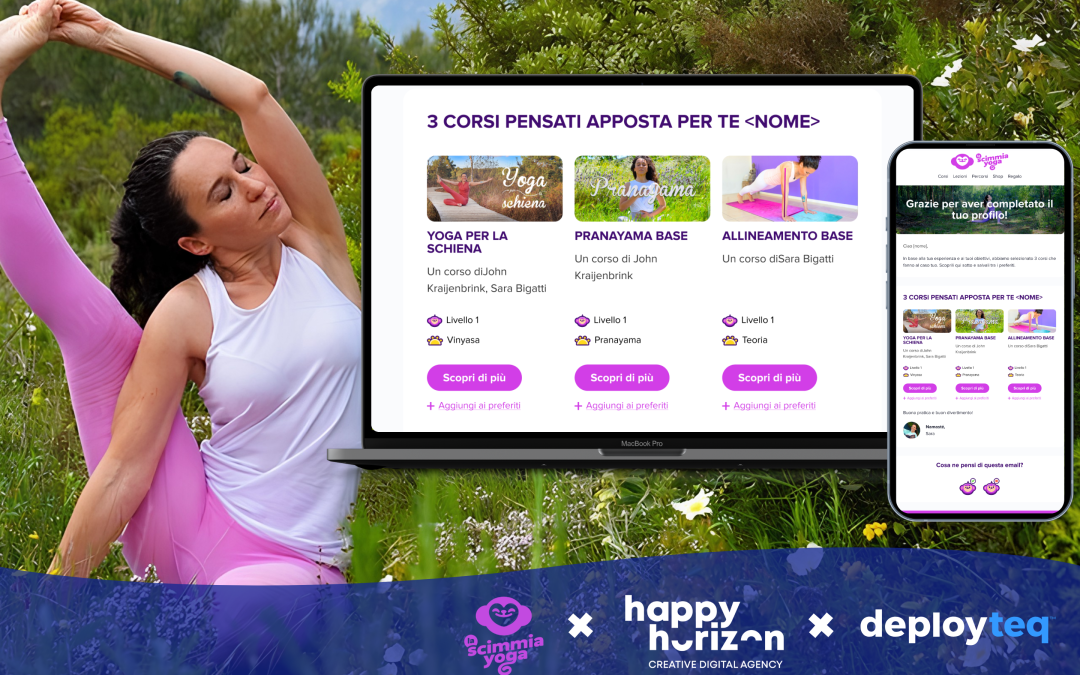
Dynamic content automation solves this challenge elegantly. Build template frameworks that automatically populate with relevant offers, destination imagery, and messaging based on customer data. Your adventure travelers see hiking boots and mountain lodges, while luxury segments receive spa resort imagery and fine dining highlights.
The system learns from customer interactions and refines personalization over time. Customers who consistently click on cultural experiences get more museum and local tour content. Those who engage with outdoor activities see adventure packages and equipment recommendations. This happens across thousands of customers simultaneously, without manual content customization.
4: Trigger post-booking engagement automatically
Post-booking communication requires perfect timing and relevant information delivery. Customers need confirmation details immediately, travel tips closer to departure, and feedback requests after their return. Managing this manually across hundreds or thousands of bookings becomes impossible.
Automated trigger sequences handle the entire post-booking experience. Confirmation emails deploy instantly, followed by pre-travel preparation content timed to arrival dates. Local weather updates, restaurant recommendations, and activity suggestions arrive at optimal moments throughout the customer journey.
Smart triggers also identify upselling opportunities. Customers booking basic accommodations receive automatic upgrade offers 48 hours before arrival. Adventure package bookings trigger equipment rental suggestions. Car rental customers get dining and attraction recommendations for their destination. Each interaction builds revenue while enhancing customer experience.
5: Scale abandoned booking recovery efforts
Abandoned bookings represent massive revenue leakage for travel brands. Customers research extensively, fill shopping carts with flights and hotels, then disappear without completing purchases. Manual follow-up campaigns catch only a fraction of these opportunities.
Automated recovery sequences work around the clock. They detect abandonment patterns and deploy targeted messaging within hours. Price-sensitive customers receive discount offers, while luxury segments get upgrade incentives. The system tests different approaches and optimizes based on conversion data.
Recovery automation also addresses specific abandonment triggers. Complex booking processes get simplified completion links. Price comparison shoppers receive competitive rate guarantees. Customers abandoning due to payment issues get alternative payment method suggestions. This targeted approach recovers significantly more bookings than generic follow-up emails.
Maximize your marketing team’s strategic impact
Time saved through automation translates directly into strategic capacity. Your team can focus on campaign innovation, customer experience design, and competitive positioning instead of manual execution tasks.
The compound effect is powerful. Teams using comprehensive automation report 40-60% time savings on routine marketing tasks. This freed capacity enables deeper customer research, more sophisticated segmentation strategies, and innovative campaign concepts that drive competitive advantage.
Smart automation also improves team morale. Marketing professionals prefer strategic challenges over repetitive tasks. When automation handles the routine work, teams engage more deeply with creative problem-solving and customer experience innovation.
How Deployteq helps travel brands save time
We understand the unique challenges travel marketers face because we have worked with leading travel brands to solve them. Our Customer Data Platform unifies fragmented booking data, customer preferences, and behavioral insights into actionable segments that drive personalized experiences automatically.
Here is how we specifically address travel marketing time challenges:
- Smart journey builder: Visual workflow designer that handles complex multi-destination booking scenarios and seasonal campaign variations
- Real-time segmentation: Automatic customer grouping based on booking patterns, travel preferences, and engagement behavior
- Cross-channel automation: Coordinated messaging across email, SMS, and push notifications that maintains consistency without manual oversight
- Dynamic content engine: Template system that personalizes destination imagery, offers, and messaging based on customer data
- Predictive analytics: AI-powered insights that identify upselling opportunities and churn risks before they impact revenue
Ready to transform your travel marketing efficiency? Book a demo to see how our automation platform can save your team hours every week while delivering better customer experiences.