Building effective post-purchase email sequences requires sending 3-5 strategically timed emails over 30-90 days, starting with immediate order confirmation and progressing through delivery updates, satisfaction checks, and targeted retention offers. The key is balancing transactional necessity with relationship-building content that guides new buyers toward repeat purchases. These sequences work by maintaining engagement during the critical window when customers form lasting impressions of your brand experience.
Post-purchase sequences differ fundamentally from one-off transactional emails because they create ongoing touchpoints that nurture customer relationships beyond the initial sale. This article covers the essential questions marketers face when designing sequences that transform single purchases into lasting customer loyalty.
What emails should you send immediately after a purchase?
Send four core emails immediately after purchase: order confirmation within minutes, shipping notification when dispatched, delivery confirmation upon arrival, and a satisfaction check 3-5 days post-delivery. These foundational emails establish trust and set expectations while providing natural opportunities for engagement.
Your order confirmation email serves dual purposes as both a receipt and a relationship starter. Include order details, expected delivery timeline, and customer service contact information. Add a personal touch with product care tips or usage suggestions that demonstrate value beyond the transaction.
Shipping notifications should provide tracking information and realistic delivery windows. Use this touchpoint to build anticipation rather than simply stating logistics. Consider including complementary product suggestions or content related to their purchase.
The satisfaction check email is your first retention opportunity. Ask specific questions about product quality, delivery experience, and overall satisfaction. This feedback helps identify potential issues early while showing customers you care about their experience beyond the sale.
How long should your post-purchase email sequence be?
Optimal post-purchase sequences run 30-90 days with 3-5 emails total, balancing engagement with inbox respect. The exact length depends on your product type, customer lifecycle, and average time between purchases. Higher-value or complex products warrant longer sequences with more educational content.
For fast-moving consumer goods, compress your sequence into 30-45 days with quick progression toward replenishment offers. Include usage tips, complementary products, and loyalty program invitations to maintain momentum.
Durable goods or services require extended 60-90 day sequences focusing on onboarding, education, and cross-selling opportunities. Space emails further apart to avoid overwhelming customers while they integrate your product into their routines.
Monitor engagement metrics to determine the optimal sequence length for your audience. If open rates drop significantly after email three, consider shortening your sequence. If customers remain highly engaged, extend it with valuable content that supports their product experience.
What’s the difference between post-purchase and retention email strategies?
Post-purchase emails focus on immediate transaction follow-up and the first-time buyer experience, while retention emails target existing customers with ongoing relationship maintenance and repeat purchase encouragement. Post-purchase sequences typically span 30-90 days after the initial purchase, whereas retention strategies operate continuously throughout the customer lifecycle.
Post-purchase sequences prioritize onboarding new customers to your brand experience. Content emphasizes product education, expectation setting, and satisfaction measurement. These emails assume limited brand familiarity and focus on building trust through consistent, helpful communication.
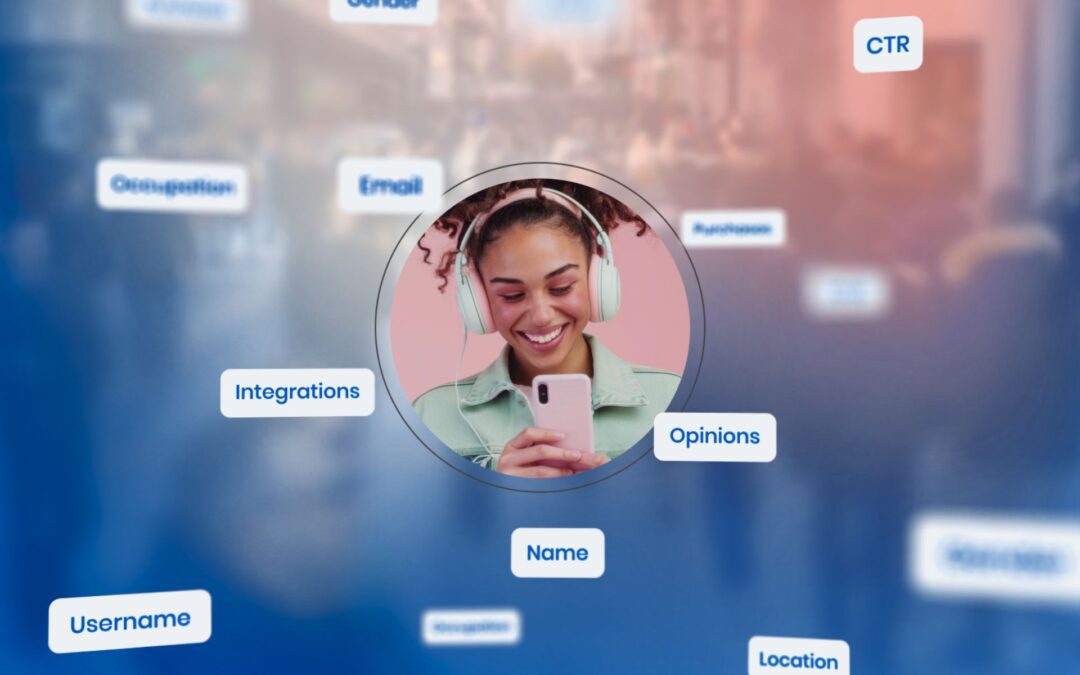
Retention strategies target customers with an established purchase history and brand relationship. These campaigns leverage behavioral data, purchase patterns, and preferences to deliver highly personalized content. Advanced email marketing platforms enable sophisticated segmentation based on customer lifetime value, frequency, and engagement levels.
The content strategy differs significantly between approaches. Post-purchase emails often include educational content, care instructions, and gentle cross-selling. Retention emails focus on loyalty rewards, exclusive offers, and recommendations based on purchase history and browsing behavior.
How do you segment customers for post-purchase emails?
Segment post-purchase customers by purchase value, product category, customer type (new vs. returning), and engagement level to deliver relevant, personalized experiences. Effective segmentation increases email relevance and drives higher conversion rates by matching content to customer context and needs.
Purchase value segmentation allows different messaging approaches for high-value versus low-value transactions. High-value customers receive premium support content, exclusive offers, and white-glove service communications. Standard-value segments focus on satisfaction, education, and gentle upselling opportunities.
Product category segmentation ensures relevant follow-up content. Electronics buyers receive setup guides and warranty information, while apparel customers get styling tips and care instructions. This approach demonstrates product expertise and adds value beyond the transaction.
New versus returning customer segmentation addresses different relationship stages. First-time buyers need brand introduction, expectation setting, and trust-building content. Returning customers receive streamlined communications focusing on their specific purchase and loyalty recognition.
Geographic and demographic segmentation enables culturally relevant messaging and appropriate timing. Consider local holidays, seasonal preferences, and regional shipping patterns when scheduling sequence delivery.
Which metrics prove your post-purchase emails are working?
Track repeat purchase rate, customer lifetime value increase, email engagement metrics, and customer satisfaction scores to measure post-purchase sequence effectiveness. These metrics demonstrate both immediate email performance and long-term business impact from improved customer relationships.
Repeat purchase rate within 90 days of sequence completion is the primary success indicator. Compare customers who received your full sequence against control groups to isolate sequence impact. Strong sequences typically increase repeat purchase rates by 15-25% compared to transactional-only communication.
Customer lifetime value progression shows sequence impact on long-term revenue. Measure average order value, purchase frequency, and retention rates for sequence recipients versus non-recipients. Effective sequences increase CLV by building stronger customer relationships and purchase confidence.
Email-specific metrics include open rates, click-through rates, and conversion rates for each sequence email. Monitor these metrics to identify high-performing content and optimal timing. Benchmark performance against your standard email campaigns to measure sequence-specific effectiveness.
Customer satisfaction scores and review generation rates indicate relationship quality improvements. Sequence recipients should show higher satisfaction scores and increased willingness to recommend your brand. Track Net Promoter Score changes and organic review submission rates as relationship health indicators.
How Deployteq helps with post-purchase email automation
We provide comprehensive post-purchase automation through our marketing automation platform with advanced journey builder capabilities, real-time segmentation, and cross-channel messaging integration. Our system enables sophisticated sequence creation with dynamic content personalization, behavioral triggers, and comprehensive performance tracking.
Key features for post-purchase success include:
- Drag-and-drop journey builder for complex sequence creation with multiple pathways based on customer behavior
- Real-time segmentation that automatically adjusts messaging based on purchase value, product category, and customer history
- Cross-channel integration supporting email, SMS, and push notifications for comprehensive customer engagement
- Advanced analytics dashboard tracking sequence performance, customer progression, and revenue attribution
- Dynamic content personalization using purchase data, browsing behavior, and customer preferences
Ready to transform your post-purchase experience into a customer loyalty engine? Book a demo to see how our platform can automate your entire customer journey while delivering the personalized experiences that drive repeat purchases and long-term customer value.
Related Articles
- The 6 Email Deliverability Best Practices Every Marketer Should Follow
- What is cross channel marketing automation exactly?
- How do referral program emails turn customers into advocates?
- What makes birthday and anniversary emails effective for retention?
- How do I build an email sunset policy that protects deliverability?