First impressions matter more than ever in today’s crowded inbox. When someone subscribes to your emails or makes their first purchase, you have a golden opportunity to build a lasting relationship. A well-crafted welcome sequence can transform curious first-time buyers into loyal customers—but only if you get the timing, content, and strategy right.
The difference between brands that retain customers and those that lose them often comes down to those crucial first few touchpoints. Let’s explore how to build welcome sequences that don’t just say hello, but actually drive conversions and long-term value.
What is a welcome sequence and why does it matter for first-time buyers?
A welcome sequence is a series of automated emails sent to new subscribers or customers over their first few days or weeks with your brand. For first-time buyers, these emails serve as digital onboarding, introducing your brand values, setting expectations, and nurturing the relationship beyond that initial purchase.
Welcome sequences matter because they capitalize on peak engagement, when customers are most receptive to your messaging. Research consistently shows that welcome emails generate significantly higher open rates than regular promotional emails. More importantly, they lay the foundation for customer lifetime value by educating new buyers about your full product range, brand story, and the ongoing value you provide.
For first-time buyers specifically, welcome sequences address post-purchase psychology, when customers evaluate whether they made the right choice. A strategic sequence reinforces their decision, introduces complementary products, and establishes communication preferences that will drive future sales.
How many emails should be in a welcome sequence?
The optimal welcome sequence contains 3–5 emails sent over 7–14 days. This length provides enough touchpoints to build familiarity without overwhelming new customers who are still forming their opinion of your brand.
Three emails work well for simple product businesses: an immediate thank-you and confirmation, a brand story or value proposition email, and a soft introduction to related products or services. Five emails allow for more comprehensive onboarding, which is particularly effective for complex products, subscription services, or brands with diverse product ranges.
The key is matching sequence length to customer complexity and purchase consideration. High-value or complex purchases warrant longer sequences because customers need more information to feel confident. Quick, impulse purchases work better with shorter, punchier sequences that don’t overstay their welcome.
What should each email in a welcome sequence contain?
Each email in your welcome sequence should have a single, clear purpose that builds toward converting first-time buyers into repeat customers. The content should progress logically from confirmation and gratitude through education and gentle sales activation.
Email one should always confirm the purchase, express genuine appreciation, and set delivery or service expectations. Include order details, shipping information, and your customer service contact information. This email has the highest open rates, so make it count with clear, helpful information.
Subsequent emails can introduce your brand story, showcase customer reviews and social proof, highlight complementary products, or provide useful tips related to their purchase. The final email should include a soft call to action for a related purchase, a subscription to additional content, or engagement with your social channels.
Each email needs a clear subject line, a mobile-optimized design, and a single primary call to action. Avoid cramming multiple offers or messages into one email, which dilutes impact and confuses recipients about what action to take.
How do you time welcome emails for maximum impact?
Welcome sequence timing should balance staying top of mind with respecting customer attention. Send the first email immediately after purchase or signup, followed by emails spaced 2–3 days apart for optimal engagement without overwhelming recipients.
The immediate confirmation email capitalizes on the moment of highest engagement, when customers are actively thinking about your brand. The 2–3 day spacing allows enough time for customers to receive and potentially use their purchase while maintaining momentum from the initial interaction.
Consider your specific industry and customer behavior when fine-tuning timing. B2B purchases might warrant slightly longer gaps, while impulse consumer purchases work well with tighter spacing. Marketing automation platforms allow you to test different timing sequences and optimize based on your actual open and click rates.
Avoid sending welcome emails on weekends or late evenings unless your data shows these times perform well for your audience. Tuesday through Thursday, sent between 10 AM and 2 PM, typically generate the highest engagement rates across most industries.
What mistakes kill welcome sequence conversion rates?
The biggest mistake in welcome sequences is treating them like regular promotional emails instead of relationship-building tools. Hard selling immediately after someone’s first purchase feels pushy and can damage the trust you’re trying to build with new customers.
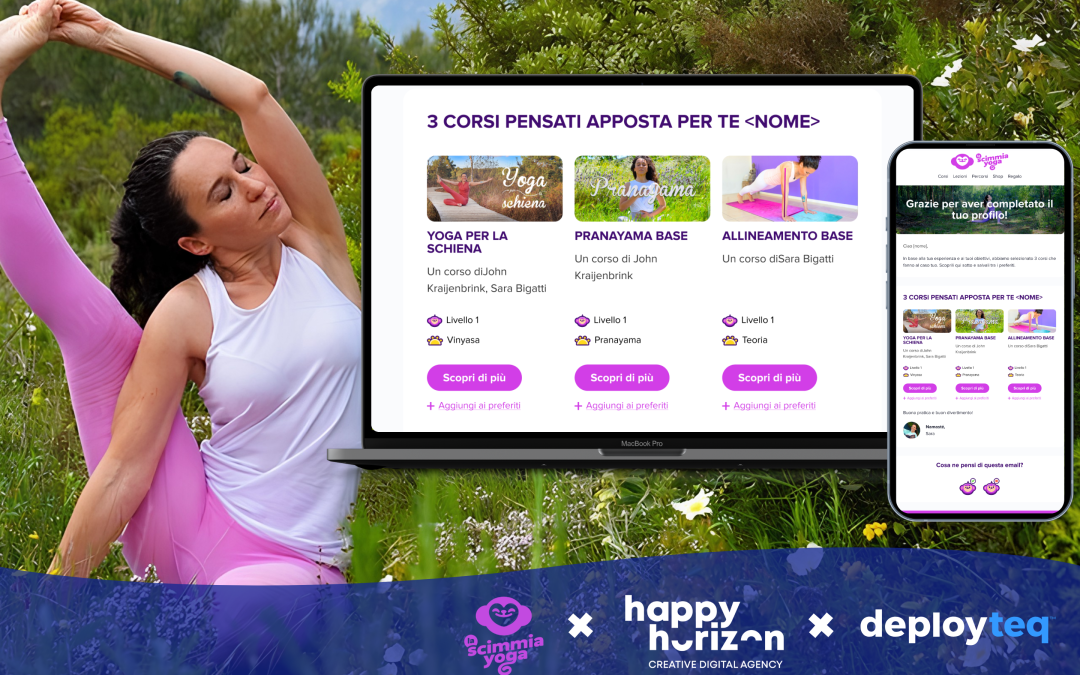
Generic, one-size-fits-all content kills engagement because it doesn’t acknowledge the specific product purchased or customer segment. New customers want to feel recognized and valued, not like they’re receiving the same message as everyone else. Personalization based on purchase history, customer source, or demographic data significantly improves performance.
Technical mistakes also sabotage sequences: broken links, poor mobile formatting, or emails that don’t display properly across different email clients. These issues make your brand appear unprofessional exactly when you’re trying to make a strong first impression.
Finally, failing to set clear expectations about email frequency and content leads to higher unsubscribe rates. Tell new customers what types of emails they’ll receive and how often, preferably with options to customize their preferences.
How do you measure welcome sequence performance?
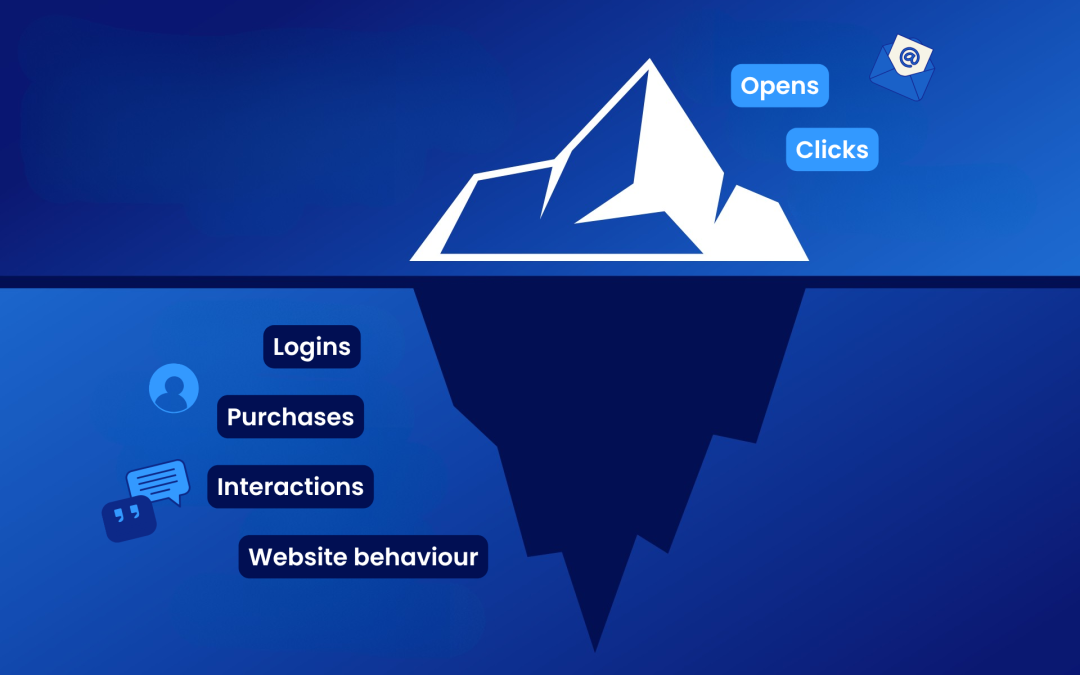
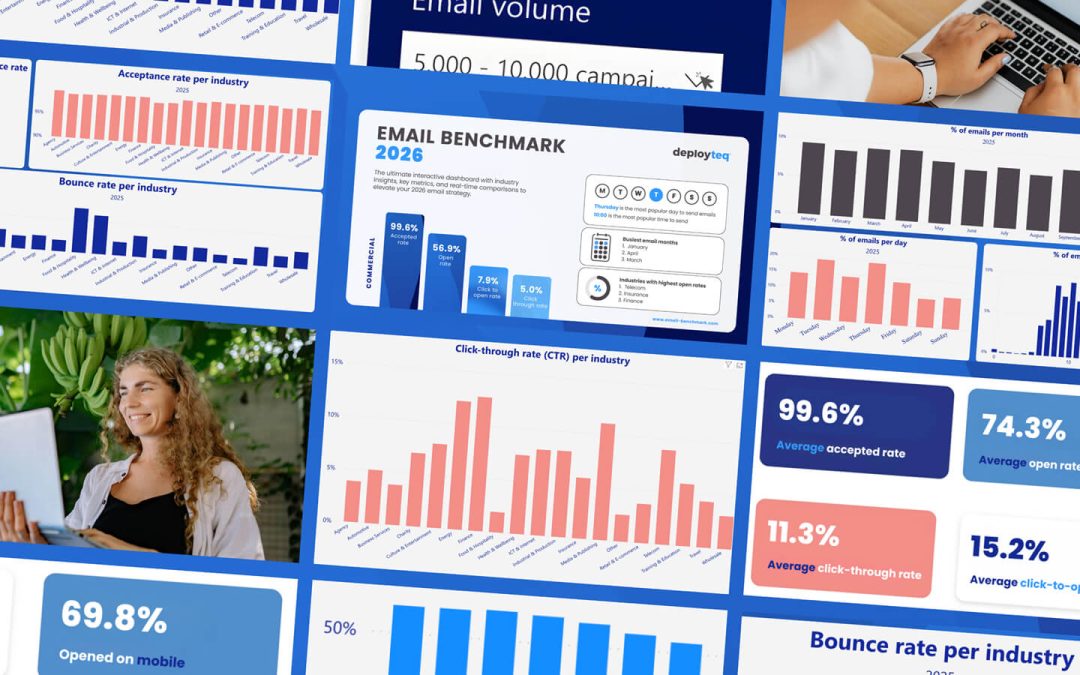
Measure welcome sequence success through open rates, click-through rates, and, most importantly, the conversion rate to a second purchase within 30–60 days of sequence completion. These metrics tell you whether your sequence is building genuine customer relationships or just generating vanity engagement.
Track each email’s individual performance to identify which content resonates most with new customers. Compare welcome sequence recipients to customers who don’t receive the sequence to measure the true impact on customer lifetime value and repeat purchase behavior.
Beyond basic email metrics, monitor unsubscribe rates throughout the sequence to identify where you might be losing people. A spike in unsubscribes after a particular email signals content or timing issues that need adjustment.
Revenue attribution is crucial for demonstrating ROI. Track not just immediate conversions from welcome emails, but also the long-term purchase behavior of customers who complete your welcome sequence compared to those who don’t engage. This data helps justify investment in sophisticated email marketing platforms and sequence optimization.
How Deployteq helps with welcome sequence automation
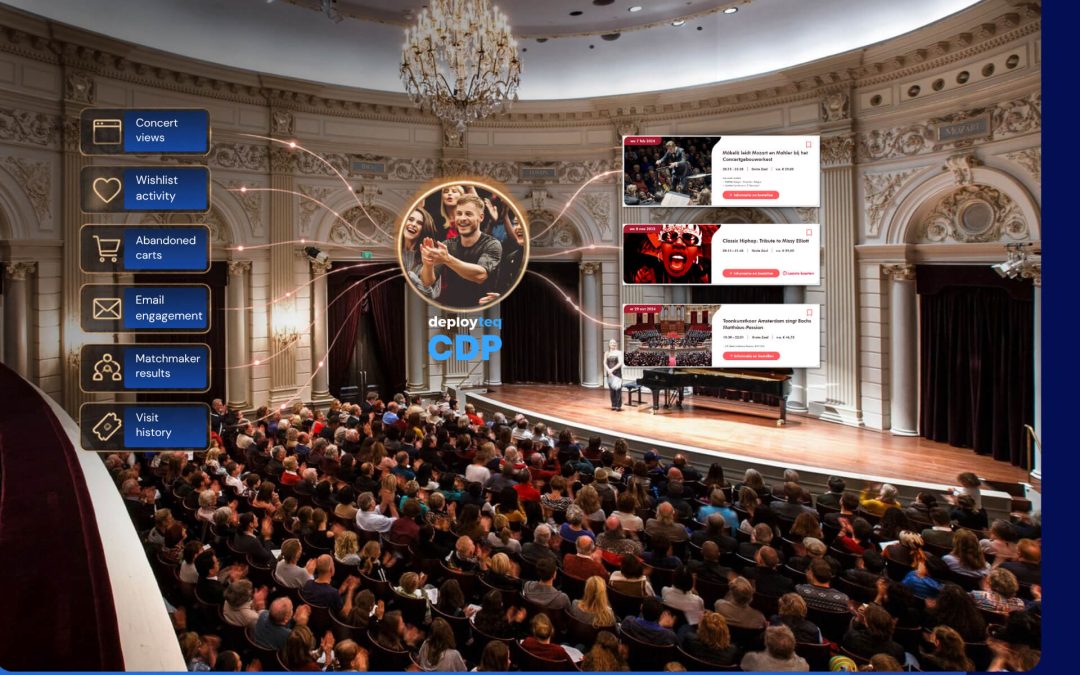
We built our platform specifically for marketers who need sophisticated welcome sequences that actually convert first-time buyers into loyal customers. Our journey builder gives you complete control over timing, personalization, and cross-channel activation, while our Customer Data Platform ensures every welcome email reflects real customer behavior and preferences.
Key features that drive welcome sequence performance include:
- Advanced segmentation that personalizes sequences based on purchase history, customer source, and behavioral data
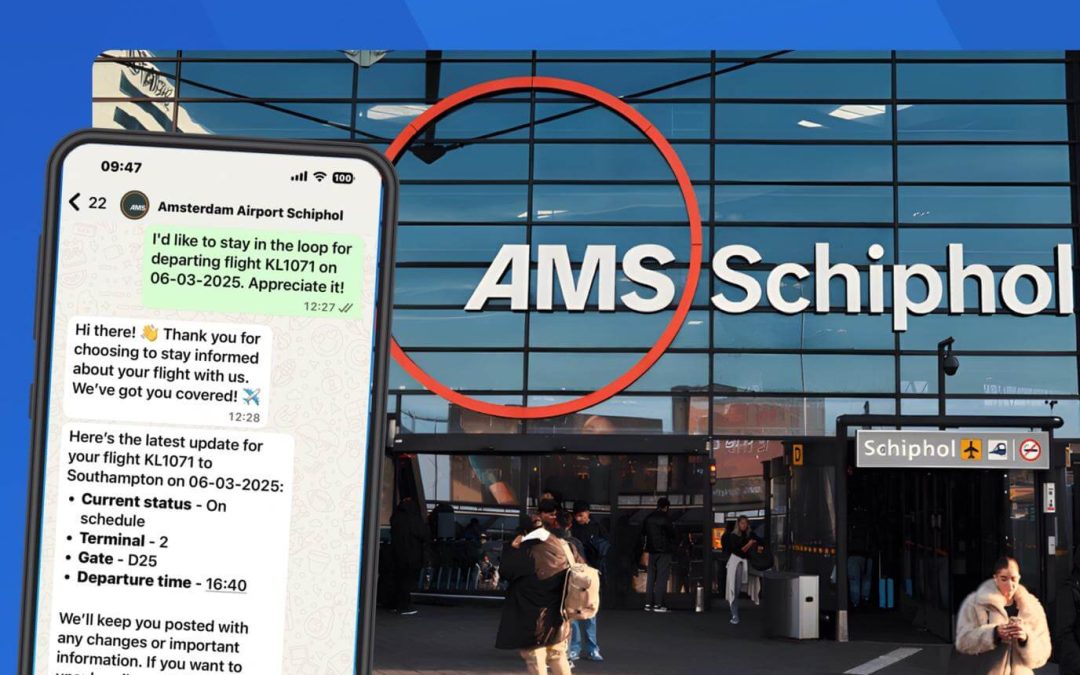
- Cross-channel capabilities that extend welcome experiences beyond email to SMS, WhatsApp, and push notifications
- Real-time triggers that adapt sequence timing based on customer engagement and actions
- Comprehensive analytics that track sequence performance through revenue attribution and customer lifetime value
Ready to build welcome sequences that turn first-time buyers into repeat customers? Book a demo to see how our platform can transform your customer onboarding and drive measurable growth.