If you’re drowning in manual email tasks or watching competitors deliver perfectly timed campaigns while you’re still batch-and-blasting, you’ve hit the ceiling of basic email tools. The jump from simple email marketing to full marketing automation isn’t just about features—it’s about transforming how you connect with customers across their entire journey.
Many marketing teams start with email tools and assume they’re doing “automation” when they set up a welcome series. But real marketing automation goes far deeper, orchestrating complex, data-driven experiences that adapt in real time based on customer behavior, preferences, and lifecycle stage.
What’s the difference between email tools and marketing automation platforms?
Email tools focus on creating and sending email campaigns, while marketing automation platforms orchestrate entire customer journeys across multiple channels using behavioral triggers, advanced segmentation, and integrated data sources. Email tools handle the “what” and “when” of messaging, but automation platforms master the “who,” “why,” and “how.”
Basic email tools excel at broadcast messaging and simple triggered sequences. You can send newsletters, set up welcome emails, and segment lists based on basic demographics. These platforms typically offer drag-and-drop email builders, basic analytics, and straightforward list management.
Marketing automation platforms operate as command centers for the customer experience. They integrate with your CRM, e-commerce platform, website, and other data sources to create unified customer profiles. This enables sophisticated workflows that respond to behaviors like website visits, purchase history, app usage, and engagement patterns across email, SMS, push notifications, and social media.
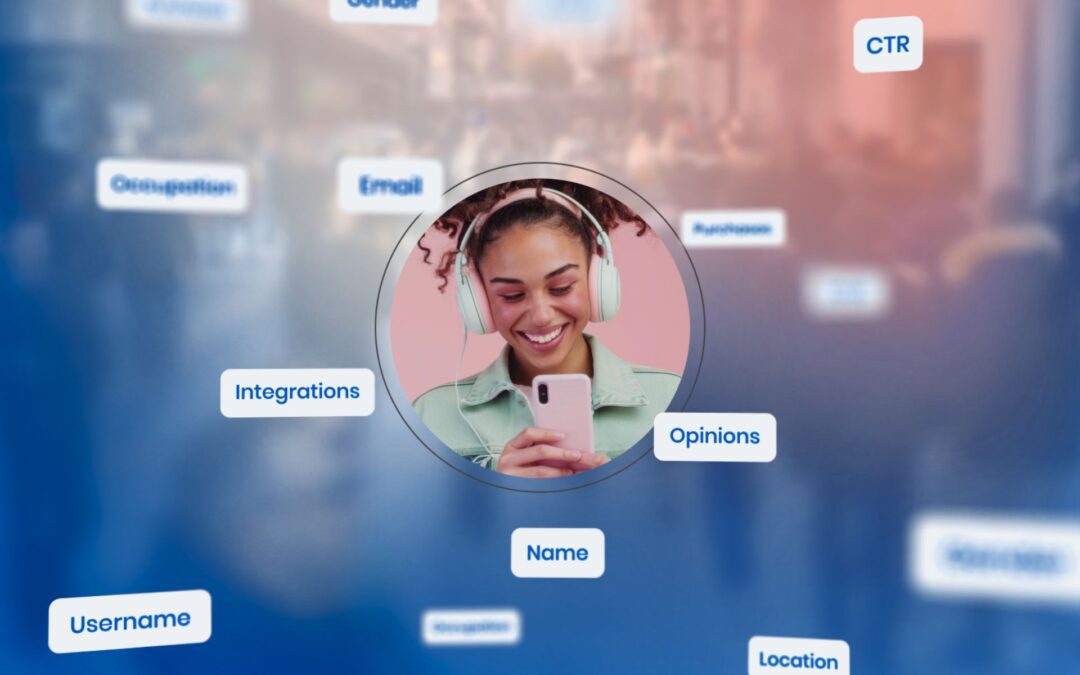
Data capabilities represent the most significant difference. Email tools store contact information and email engagement metrics. Automation platforms build comprehensive customer profiles that track every touchpoint, enabling predictive modeling, next-best-action recommendations, and real-time personalization that extends far beyond email content.
How do you know when to upgrade from email marketing to automation?
You need marketing automation when you’re manually managing complex customer journeys, struggling to personalize at scale, or missing revenue opportunities due to poor timing and targeting. Key indicators include spending excessive time on manual tasks, having multiple disconnected tools, or seeing competitors deliver more relevant experiences.
Revenue complexity often drives the upgrade decision. If you’re managing multiple product lines, subscription models, or long sales cycles, basic email tools become limiting. You’ll find yourself creating dozens of separate campaigns to handle different customer scenarios, leading to operational chaos and inconsistent messaging.
Data fragmentation creates another upgrade trigger. When customer information lives across your email tool, CRM, e-commerce platform, and analytics tools without proper integration, you lose the ability to create cohesive experiences. Marketing automation platforms solve this by centralizing data and enabling cross-channel orchestration.
Team efficiency becomes critical as you scale. If marketing managers spend more time on manual list management, campaign setup, and reporting than on strategy and optimization, automation delivers immediate productivity gains. The platform handles routine tasks while teams focus on creative and strategic initiatives.
What features separate basic email tools from automation platforms?
Advanced segmentation, behavioral triggers, multi-channel orchestration, and integrated analytics distinguish automation platforms from basic email tools. While email tools offer simple list segments, automation platforms create dynamic, real-time segments based on complex behavioral and demographic criteria combined with predictive modeling.
Behavioral Trigger Capabilities
Email tools typically offer time-based triggers like “send 3 days after signup.” Automation platforms respond to behavioral signals in real time. They detect when customers browse specific product categories, abandon carts, reach spending thresholds, or show engagement patterns that indicate purchase intent or churn risk.
These behavioral triggers extend beyond email to orchestrate experiences across SMS, push notifications, website personalization, and social media. A single customer action can trigger a coordinated response across multiple channels, each optimized for its specific context and timing.
Data Integration and Customer Profiles
Marketing automation platforms function as customer data platforms, unifying information from multiple sources into comprehensive profiles. This enables advanced features like RFM analysis (Recency, Frequency, Monetary), lifetime value calculations, and predictive insights that inform targeting and content decisions.
The integration capabilities allow automation platforms to trigger campaigns based on CRM updates, e-commerce transactions, support interactions, or mobile app behaviors. This creates seamless experiences where marketing responds intelligently to customer actions across all touchpoints.
Which businesses should choose email tools vs marketing automation?
Businesses with simple customer journeys, limited product offerings, and straightforward communication needs can succeed with email tools, while companies managing complex customer lifecycles, multiple touchpoints, and sophisticated segmentation requirements benefit from marketing automation platforms.
Email tools work well for businesses with primarily one-way communication needs. Local restaurants sending weekly specials, consultants sharing thought leadership content, or small e-commerce stores with limited product catalogs can achieve their goals with basic email functionality and simple automation sequences.
Marketing automation becomes essential for businesses in travel and entertainment, retail, finance, and other sectors where customer journeys involve multiple decision points and touchpoints. These companies need to respond to behaviors like booking research, cart abandonment, policy renewals, or engagement with specific content types.
Transaction volume and complexity also influence the decision. Businesses processing hundreds of transactions daily, managing subscription models, or operating loyalty programs need automation platforms to handle the data complexity and deliver personalized experiences at scale. The manual effort required to manage these scenarios with basic email tools becomes unsustainable.
Team structure matters as well. Companies with dedicated marketing operations roles or teams managing multiple campaigns simultaneously benefit from automation platforms’ advanced workflow and collaboration features. Organizations where marketing is handled by one person with limited technical resources might find email tools more manageable initially.
How Deployteq bridges email marketing and full automation
We’ve built our marketing automation platform specifically for teams ready to scale beyond basic email tools without overwhelming complexity. Our approach combines the simplicity marketers love about email tools with the sophisticated automation capabilities that drive real business results.
Here’s what makes the transition seamless:
- Unified customer data: Our integrated CDP consolidates all customer touchpoints into actionable profiles.
- Cross-channel orchestration: Coordinate email, SMS, WhatsApp, push, and web experiences from one platform.
- Advanced segmentation: Create real-time, behavioral segments that update automatically as customers engage.
- Intelligent automation: Deploy RFM modeling, next-best-offer recommendations, and predictive insights without technical complexity.
Ready to see how marketing automation can transform your customer experiences? Book a demo to explore how our platform scales with your business needs while keeping the user-friendly approach that makes marketing teams productive from day one.
Related Articles
- How do you unify disconnected customer data in one platform?
- What is the difference between a CDP and marketing automation?
- How do fashion retailers automate size and fit recommendations?
- Why is marketing automation important for businesses?
- 5 ways to revive dormant email subscribers without annoying them