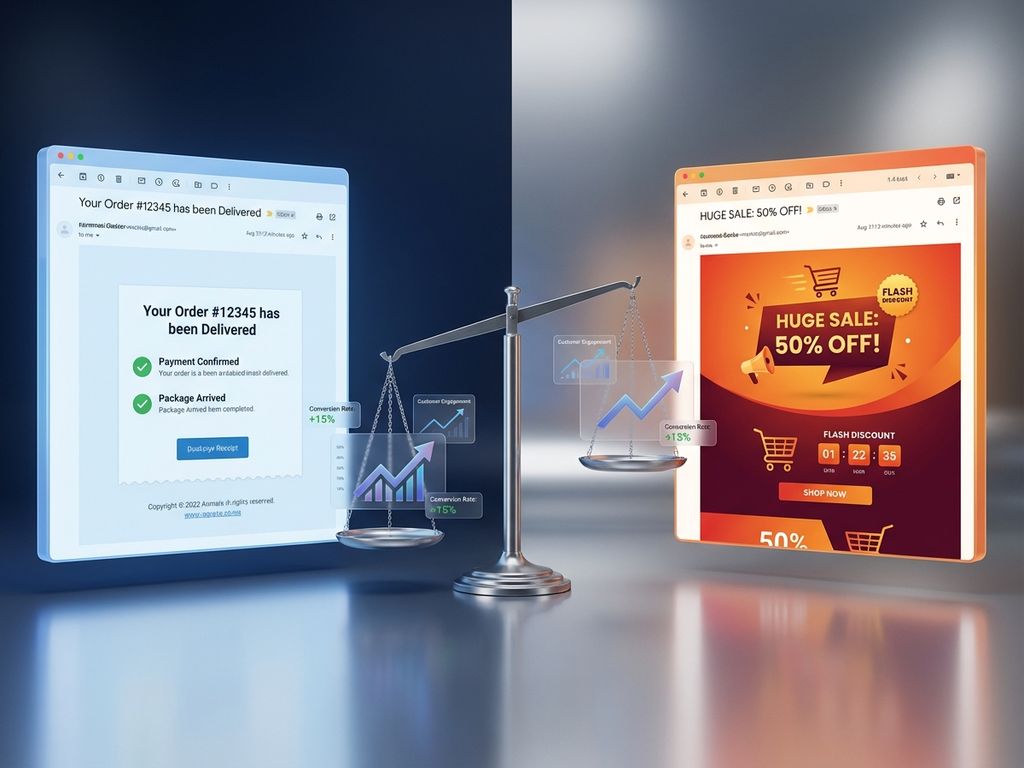
Retailers should prioritize transactional emails over promotions when customers are actively engaged in purchase processes, experiencing service issues, or at critical lifecycle moments. Transactional emails achieve higher open rates and build stronger trust because they provide expected information rather than sales messages. Smart retailers balance both approaches by understanding when customers need service communication versus marketing outreach.
What’s the difference between transactional and promotional emails in retail?
Transactional emails are triggered by customer actions and contain essential information about purchases, account changes, or service updates. Promotional emails are marketing messages designed to drive sales, announce offers, or encourage repeat purchases.
The key differences lie in their purpose and legal requirements. Transactional emails must be sent to complete a business function—order confirmations, shipping notifications, password resets, or receipt delivery. These emails are often legally required and cannot be opted out of entirely. They typically achieve open rates of 80–85% because customers expect and need this information.
Promotional emails focus on marketing objectives like announcing sales, showcasing new products, or nurturing customer relationships. Recipients can unsubscribe from these messages, and they’re subject to stricter anti-spam regulations. Open rates typically range from 15–25%, depending on industry and audience engagement.
Performance characteristics differ significantly between the two types. Transactional emails benefit from immediate relevance—customers want shipping updates and order confirmations. This natural engagement creates opportunities for subtle cross-selling without appearing pushy. Promotional emails must work harder to capture attention and provide compelling value propositions to drive action.
When do transactional emails outperform promotional campaigns for retailers?
Transactional emails consistently outperform promotional campaigns during active purchase cycles, post-purchase periods, and when customers need immediate service information. They excel because timing aligns perfectly with customer expectations and needs.
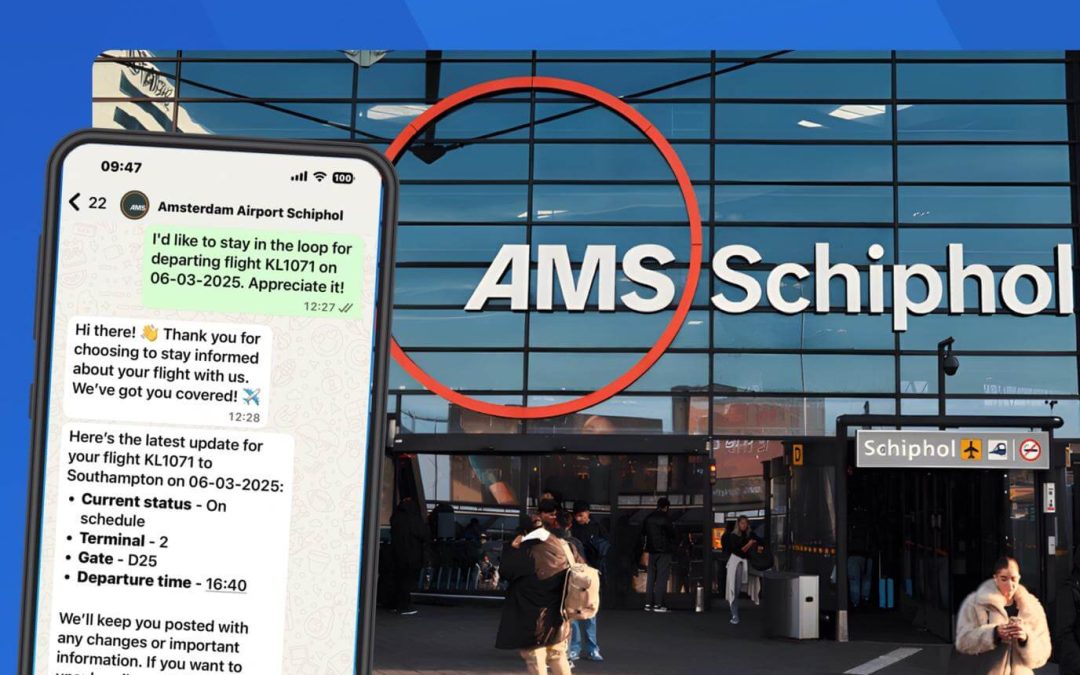
Peak performance occurs immediately after purchase actions. Order confirmations, payment receipts, and shipping notifications arrive when customers are actively seeking this information. This natural engagement window creates ideal conditions for additional relevant offers or account upgrades without feeling intrusive.
Customer service scenarios represent another area where transactional emails excel. Password reset confirmations, account security alerts, and subscription changes require immediate attention. These moments build trust through reliable communication, strengthening long-term customer relationships more effectively than promotional campaigns.
Seasonal and time-sensitive situations also favor transactional approaches. During busy shopping periods like Black Friday or Christmas, customers prioritize order status updates over additional promotional messages. Their inboxes are already saturated with marketing content, making transactional emails stand out through their utility and relevance.
The context of customer behavior plays a crucial role. Recent purchasers respond better to transactional follow-ups than promotional campaigns. They’ve already demonstrated buying intent and prefer service-focused communication over additional sales pitches during their immediate post-purchase experience.
How do you identify the right moments to prioritize transactional over promotional messaging?
Monitor customer lifecycle stages and behavioral triggers to identify when transactional messaging should take priority. Focus on moments when customers expect service communication rather than marketing messages.
Active purchase behavior signals the need for transactional priority. When customers are browsing, adding items to carts, or completing purchases, they want confirmation and status updates. During these periods, promotional emails can feel disruptive and may harm the customer experience.
Post-purchase windows require careful timing consideration. Immediately after purchase, customers expect order confirmations and shipping updates. Wait 7–14 days before resuming promotional campaigns, allowing time for delivery and initial product experience. This approach respects the customer journey while maintaining engagement opportunities.
Service-related interactions always favor transactional approaches. Account issues, returns processing, or technical support scenarios require clear, helpful communication. Mixing promotional content with service messages can appear insensitive and damage customer trust during potentially frustrating experiences.
Customer engagement patterns provide additional guidance. Subscribers who haven’t opened recent promotional emails may respond better to transactional messages with subtle promotional elements. This approach re-establishes communication value before returning to marketing-focused content.
Seasonal factors influence prioritization decisions. During peak shopping seasons, customers receive numerous promotional emails from competitors. Well-timed transactional messages cut through the noise while providing genuine value, creating stronger brand connections than additional promotional campaigns.
What makes transactional emails more effective for customer retention?
Trust-building elements make transactional emails powerful retention tools because they consistently deliver expected value without sales pressure. Customers develop positive associations with brands that communicate reliably during important moments.
Reliability creates the foundation for strong customer relationships. When transactional emails arrive promptly and contain accurate information, customers trust the brand to handle their business professionally. This trust extends beyond individual transactions, influencing future purchase decisions and brand loyalty.
Personalization opportunities within transactional emails feel natural and helpful rather than manipulative. Order confirmations can include personalized product recommendations based on purchase history. Shipping notifications can suggest complementary items that enhance the customer’s purchase experience.
The timing advantage cannot be overstated for retention purposes. Transactional emails reach customers when they’re most engaged with your brand. This natural attention creates ideal conditions for building relationships through helpful additional information, loyalty program invitations, or relevant content suggestions.
Consistency in transactional communication reinforces brand reliability. Customers who receive well-designed, informative transactional emails develop confidence in the brand’s attention to detail. This perception influences their likelihood to make repeat purchases and recommend the brand to others.
Value delivery without sales pressure distinguishes transactional emails from promotional campaigns. Customers appreciate receiving useful information without feeling marketed to constantly. This approach builds goodwill that translates into higher lifetime value and reduced churn rates over time.
How should retailers optimize their transactional email strategy?
Enhance transactional emails with subtle promotional elements while maintaining their primary service function. Focus on design improvements, relevant content additions, and careful performance measurement to maximize their retention and revenue potential.
Design optimization should prioritize clarity and brand consistency. Use clean templates that highlight essential information while incorporating brand elements that reinforce recognition. Mobile-responsive designs are crucial since many customers check transactional emails on their phones immediately after receiving them.
Content enhancement opportunities exist within every transactional email type. Order confirmations can include estimated delivery dates and tracking setup. Shipping notifications can feature care instructions or usage tips for purchased products. These additions provide genuine value while keeping customers engaged with your brand.
Strategic promotional integration requires careful balance. Include relevant product suggestions that complement recent purchases rather than random promotional offers. Use subtle calls to action that invite further engagement without overwhelming the primary message purpose.
For retailers looking to implement sophisticated email automation strategies, exploring a comprehensive email marketing platform can provide the tools needed to optimize both transactional and promotional campaigns effectively.
Measurement approaches should track both service metrics and business outcomes. Monitor delivery rates, open rates, and click-through rates alongside customer satisfaction scores and repeat purchase behavior. This comprehensive view helps identify optimization opportunities while maintaining service quality.
Compliance considerations remain paramount when optimizing transactional emails. Ensure promotional elements don’t compromise the email’s primary transactional purpose. Maintain clear unsubscribe options for promotional content while preserving necessary transactional communication rights.
Testing different approaches helps identify what resonates with your specific audience. Try various levels of promotional integration, content formats, and design elements to find the optimal balance between service delivery and business objectives. Regular testing ensures your transactional email strategy evolves with customer preferences and business needs.
How Deployteq helps with transactional email optimization
Deployteq provides comprehensive solutions for retailers looking to maximize the potential of their transactional email strategy. Our platform enables you to create sophisticated automation workflows that seamlessly balance service communication with strategic promotional elements:
• Advanced trigger-based automation that sends perfectly timed transactional emails based on customer actions
• Smart personalization engines that add relevant product recommendations to order confirmations and shipping notifications
• A/B testing capabilities to optimize transactional email performance without compromising service quality
• Detailed analytics that track both engagement metrics and business outcomes from transactional campaigns
• Compliance management tools that ensure promotional elements don’t compromise transactional email requirements
Ready to transform your email marketing approach? Book a demo to discover how advanced automation can help you balance transactional and promotional messaging for maximum customer engagement and retention.
Related Articles
- What should you look for when upgrading from a basic ESP?
- How do I choose the right marketing automation platform?
- How do you segment email lists effectively?
- What are the main types of email marketing campaigns?
- 7 email marketing psychology triggers that boost click rates
This content was generated with the help of AI — it may contain mistakes