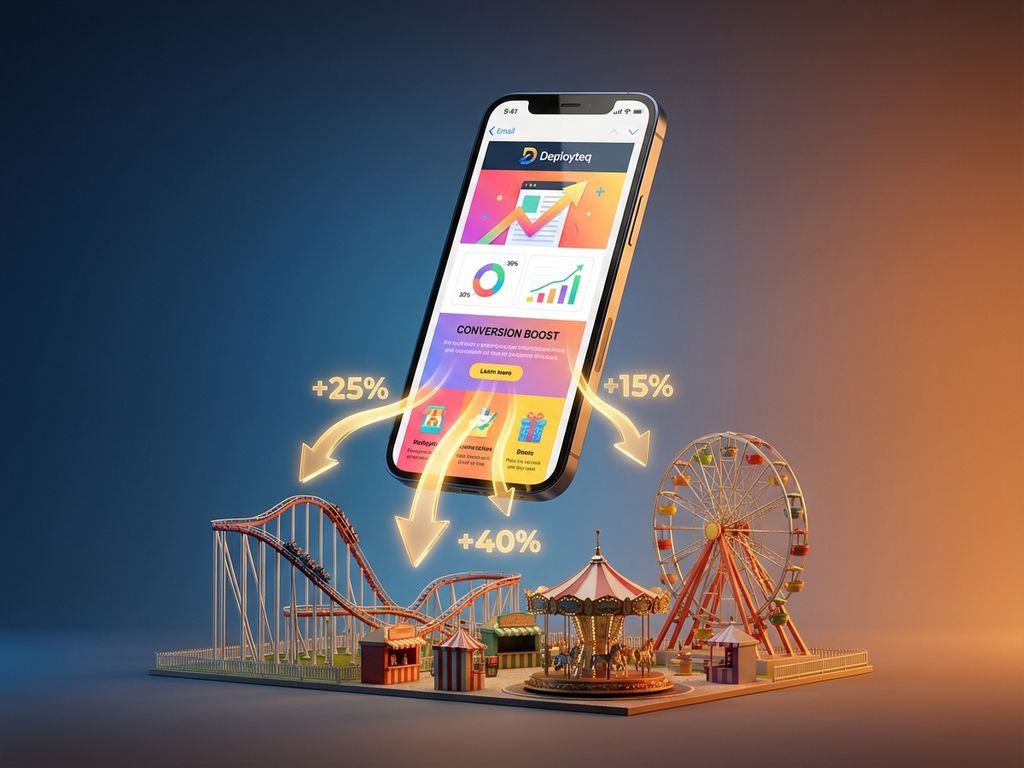
Post-visit emails convert for theme parks and attractions because they capitalise on fresh emotional connections and memorable experiences. Unlike standard marketing messages, these emails arrive when visitors still feel the excitement from their day out, making them more receptive to future offers and engagement opportunities. The key lies in timing, personalisation, and emotional resonance that transform a single visit into lasting customer relationships.
What makes post-visit emails different from regular marketing emails?
Post-visit emails tap into emotional momentum that regular marketing emails simply cannot access. They reach visitors while memories are vivid and feelings are strongest, creating a natural bridge between the experience and future engagement.
The emotional connection forms the foundation of their effectiveness. Visitors have just experienced thrills, shared moments with family, and created lasting memories. Post-visit emails acknowledge these specific experiences rather than sending generic promotional content to cold audiences.
Timing creates another crucial difference. Regular marketing emails compete with countless other messages in crowded inboxes. Post-visit emails arrive when recipients actively want to relive their experience, making them welcome rather than intrusive.
Personalisation reaches deeper levels because you have concrete visitor data. You know which attractions they enjoyed, what they purchased, how long they stayed, and who accompanied them. This enables highly relevant content that feels personally crafted rather than mass-produced.
The context shift is significant too. Regular emails must work hard to capture attention and establish relevance. Post-visit emails start from a position of established connection and shared experience, allowing them to focus on extending that relationship.
When should theme parks send post-visit emails for maximum impact?
The optimal sending window is 24–48 hours after the visit, when memories remain vivid but visitors have returned to their normal routines. This timing balances emotional connection with practical engagement opportunities.
Immediate follow-up within 6–12 hours works well for thank-you messages and photo-sharing opportunities. Visitors often check their phones during the journey home or that evening, making them receptive to quick acknowledgements of their day.
Consider travel schedules when planning your sequence. Many theme park visitors travel from other cities or countries, so sending emails during their journey home can extend the positive experience. However, avoid overwhelming them during their first day back at work or school.
Weekend visitors typically engage better with Monday or Tuesday emails, while weekday visitors respond well to same-evening or next-day messages. This aligns with when people have time to properly engage with content rather than just glancing at it.
Multiple touchpoints work better than single messages. Plan a sequence starting with immediate gratitude, followed by memory sharing at 24 hours, then future visit incentives within the first week. This approach maintains engagement without appearing pushy.
Seasonal timing matters too. Summer visitors might appreciate immediate cooling-off-period emails, while winter visitors may want to extend their warm experience. Advanced email marketing platforms enable this level of timing sophistication.
What content should post-visit emails include to drive conversions?
Effective post-visit emails combine personalised memories, exclusive future offers, social sharing opportunities, and clear next-step calls to action. The content should feel like a natural continuation of their park experience rather than a sales pitch.
Start with personalised memory triggers that reference their specific visit. Mention attractions they enjoyed, shows they attended, or unique moments captured in photos. This immediately establishes relevance and rekindles positive emotions from their day.
Photo opportunities create powerful engagement hooks. Many parks capture ride photos or offer professional photography services. Including these visual memories in post-visit emails generates immediate interest and provides natural sharing opportunities.
Exclusive offers work exceptionally well because visitors already understand your value proposition. They know they enjoyed their experience, so return-visit discounts or season pass upgrades feel like logical next steps rather than unwanted sales attempts.
Social sharing elements extend your reach beyond the original visitor. Include easy ways to share photos, leave reviews, or tell friends about their experience. This transforms satisfied visitors into active advocates for your attraction.
Future event previews build anticipation for return visits. Share upcoming seasonal events, new attractions, or special celebrations that align with their interests based on their visit behaviour.
Clear calls to action should focus on single, specific next steps. Whether booking another visit, purchasing photos, or following social media accounts, make the desired action obvious and easy to complete.
How do you personalise post-visit emails based on visitor behaviour?
Visitor behaviour data enables sophisticated personalisation that makes each email feel individually crafted. Track ride preferences, spending patterns, group composition, and visit duration to create highly relevant content that resonates with specific visitor types.
Ride preferences reveal personality types and interests. Visitors who favour thrill rides receive different content from those who prefer family attractions or shows. This behavioural segmentation enables targeted messaging about similar attractions or upcoming additions that match their preferences.
Purchase behaviour indicates engagement levels and spending capacity. Visitors who bought merchandise, photos, or food upgrades demonstrate higher investment in their experience. These visitors respond well to premium offers such as VIP experiences or exclusive merchandise previews.
Group composition affects messaging tone and offers. Families with young children need different content from teenage groups or adult couples. Reference their group dynamic naturally while offering relevant experiences for their specific situation.
Visit duration and timing patterns show engagement depth. Visitors who stayed all day and visited multiple areas demonstrate high satisfaction levels, making them prime candidates for season passes or return-visit incentives.
Photo purchase behaviour indicates memory-preservation priorities. Visitors who bought ride photos or professional photography services clearly value capturing their experience, making them excellent candidates for photo-centric follow-up campaigns.
Weather and seasonal context add another personalisation layer. Visitors who braved poor weather or visited during off-peak times show dedication that deserves acknowledgement and reward through exclusive offers.
Why do some post-visit email campaigns fail to convert visitors?
Post-visit email campaigns fail when they ignore the emotional context that makes them powerful, treating recent visitors like cold prospects rather than warm leads with established positive associations.
Poor timing destroys the emotional-connection advantage. Sending emails too late allows memories to fade and excitement to diminish. Conversely, sending too quickly can feel pushy or interrupt their travel experience, creating negative associations with your brand.
Generic messaging wastes the personalisation opportunity that visitor data provides. When emails feel like mass communications rather than personalised follow-ups, they lose their primary advantage over regular marketing messages.
Weak offers fail to motivate action because they do not match the visitor’s demonstrated value perception. Someone who has just spent significantly on a theme park visit needs compelling reasons to commit to future visits, not minor discounts that feel insignificant.
Technical issues prevent successful delivery and engagement. Poor mobile optimisation, broken links, or slow-loading images frustrate visitors who want to relive their positive experience through your email content.
Overwhelming frequency can transform positive associations into annoyance. Visitors expect follow-up communication, but excessive emails feel pushy and can damage the goodwill created during their visit.
Lack of clear next steps leaves engaged visitors without obvious ways to act on their positive feelings. Even perfectly timed, personalised emails fail without clear, compelling calls to action that guide visitors towards desired behaviours.
Ignoring visitor preferences and communication settings shows disrespect for their choices. Successful post-visit campaigns require sophisticated segmentation and preference management that modern platforms provide.
How Deployteq helps with post-visit email marketing
Deployteq provides theme parks and attractions with the advanced automation capabilities needed to create highly effective post-visit email campaigns that convert visitors into loyal customers. Our platform combines sophisticated visitor data tracking with intelligent timing and personalisation features specifically designed for the attractions industry.
Key capabilities include:
- Behavioural tracking integration that captures ride preferences, purchase patterns, and visit duration data automatically
- Smart timing algorithms that optimise send times based on visitor travel patterns and engagement history
- Dynamic content personalisation that references specific attractions, photos, and experiences from each visitor’s day
- Multi-channel campaign orchestration that coordinates email sequences with SMS and social media touchpoints
- Advanced segmentation tools that group visitors by behaviour, demographics, and preferences for targeted messaging
- Real-time analytics and optimisation that continuously improve campaign performance based on conversion data
Transform your attraction’s post-visit communication strategy with proven automation that turns single visits into lasting customer relationships. Book a demo to discover how Deployteq can maximise your visitor retention efforts.