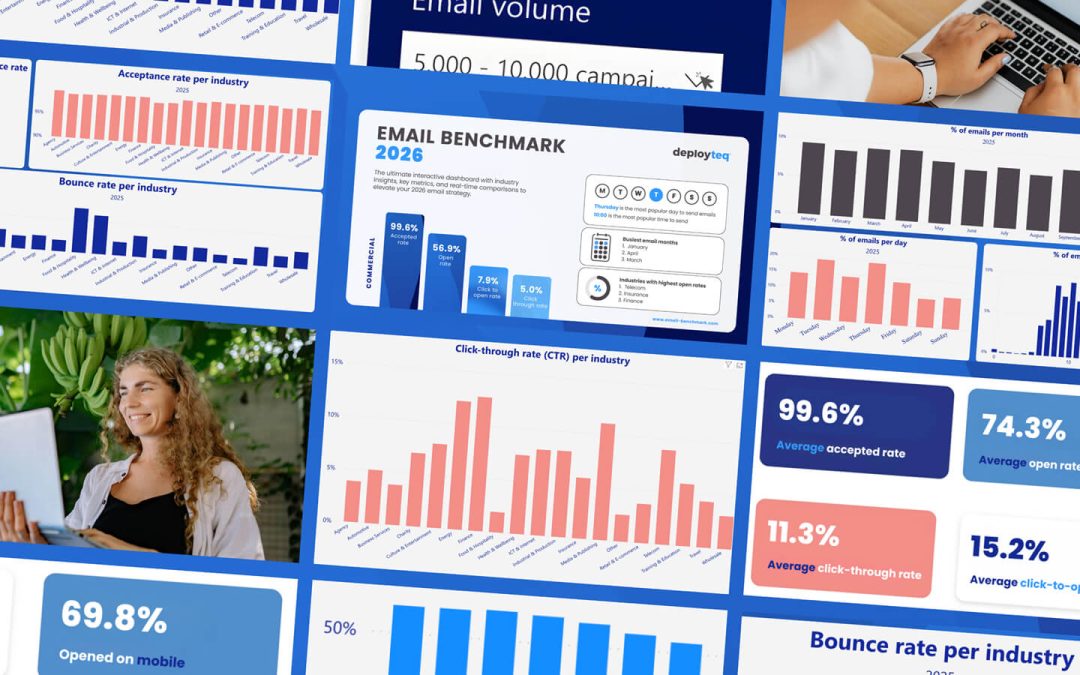
The most important email marketing metrics in 2026 are click-through rates, conversion rates, revenue per email, and deliverability scores. These metrics provide genuine insight into subscriber engagement and business impact, unlike open rates, which have become unreliable due to privacy updates and email client changes. Modern marketers focus on tracking actual customer actions and revenue generation rather than simple email opens.
Why are open rates becoming unreliable in modern email marketing?
Open rates are increasingly inaccurate because Apple’s Mail Privacy Protection and similar privacy updates automatically preload email content, creating false opens. Many email clients now block tracking pixels or load images by default, making it impossible to accurately measure when someone actually reads your message.
The shift towards privacy-first email practices means traditional tracking methods no longer reflect genuine subscriber behavior. Email clients like Apple Mail, Gmail, and Outlook have implemented features that protect user privacy by preventing marketers from knowing when emails are opened or where they’re opened from.
Technical factors compound this problem. Corporate firewalls, spam filters, and email security systems often scan emails automatically, triggering open tracking without human interaction. This creates inflated open rates that don’t correlate with actual engagement or interest in your content.
Modern email marketing requires moving beyond vanity metrics towards measurements that indicate real customer interest. Open rates served their purpose when tracking was reliable, but they now provide misleading data that can lead to poor strategic decisions about campaign effectiveness and subscriber engagement.
What metrics should replace open rates for measuring email success?
Click-through rates, conversion rates, revenue per email, and list growth rate provide actionable insights into campaign performance. These metrics measure actual subscriber behavior and business impact rather than potentially false engagement signals.
Click-through rates show genuine interest because they require deliberate action from subscribers. When someone clicks a link in your email, they’re demonstrating real engagement with your content and moving further along your customer journey.
Conversion rates directly connect email marketing to business outcomes. Track how many subscribers complete desired actions, such as making purchases, downloading resources, or signing up for events. This metric proves your emails drive meaningful results.
Revenue per email measures the actual financial impact of your campaigns. Calculate total revenue generated divided by emails delivered to understand which campaigns contribute most to your bottom line. This metric helps justify email marketing investment and guide budget allocation.
List growth rate indicates the health of your subscriber base. Monitor how quickly you’re gaining quality subscribers versus losing them through unsubscribes. Sustainable growth suggests your content provides ongoing value to your audience.
Engagement quality indicators include time spent on linked pages, pages viewed per visit, and social sharing of email content. These metrics reveal deeper interaction with your brand beyond the initial email click.
How do you track customer engagement beyond email opens?
Website behavior tracking, customer journey mapping, and cross-channel attribution reveal true customer interest and purchasing intent. These methods provide comprehensive engagement measurement that goes far beyond simple email interactions.
Website behavior tracking shows what subscribers do after clicking your emails. Monitor page views, time on site, bounce rates, and conversion paths to understand how email content influences broader customer behavior. This data reveals which email topics drive meaningful engagement.
Customer journey mapping connects email touchpoints to overall customer progression. Track how email interactions contribute to subscription upgrades, repeat purchases, or customer lifetime value. Advanced email marketing platforms provide journey analytics that show long-term engagement patterns.
Behavioral triggers indicate genuine interest through actions like downloading resources, attending webinars, or browsing specific product categories after receiving emails. These signals help identify highly engaged subscribers who are likely to convert.
Cross-channel attribution measures how email marketing influences customer behavior across all touchpoints. Track whether email subscribers are more likely to engage on social media, visit physical stores, or respond to other marketing channels.
Purchase behavior analysis reveals which email campaigns drive actual sales. Monitor product views, cart additions, and completed purchases that stem from email interactions to understand true campaign effectiveness.
What role does deliverability play in email marketing success?
Deliverability metrics like inbox placement rates, spam folder rates, and sender reputation scores directly impact campaign reach and effectiveness. Poor deliverability means even perfectly crafted emails never reach your subscribers, making other metrics meaningless.
Inbox placement rates show the percentage of emails reaching subscribers’ primary inboxes versus spam folders or promotional tabs. Aim for inbox placement rates above 85% to ensure your messages have the opportunity to drive engagement and conversions.
Bounce rates indicate list quality and sender reputation health. Hard bounces suggest outdated email addresses, while soft bounces may indicate temporary delivery issues. Keep total bounce rates below 2% to maintain good deliverability.
Sender reputation scores affect whether email providers trust your messages enough to deliver them. Monitor your reputation through tools that track IP and domain reputation across major email providers. Poor reputation leads to automatic spam filtering.
Spam complaint rates directly impact future deliverability. When subscribers mark your emails as spam, it signals to email providers that your content may be unwanted. Keep complaint rates below 0.1% to avoid deliverability problems.
Authentication protocols like SPF, DKIM, and DMARC protect your sender reputation and improve deliverability. Proper authentication prevents spoofing and helps email providers verify that your messages are legitimate.
Regular list hygiene maintains deliverability by removing inactive subscribers and invalid addresses. Clean lists improve engagement rates and reduce the risk of being flagged as a spam sender by email providers.
How Deployteq helps with advanced email marketing metrics
Deployteq provides comprehensive email marketing analytics that go beyond outdated open rate tracking to deliver meaningful business insights. Our platform offers advanced measurement capabilities that focus on genuine engagement and revenue generation in today’s privacy-focused email environment.
Our solution delivers actionable email marketing metrics through:
- Advanced conversion tracking that connects email campaigns directly to revenue and business outcomes
- Cross-channel attribution analytics that reveal how email marketing influences customer behavior across all touchpoints
- Behavioral trigger monitoring that identifies highly engaged subscribers based on real actions and purchase intent
- Comprehensive deliverability monitoring with inbox placement tracking and sender reputation management
- Customer journey mapping that shows long-term engagement patterns and lifetime value progression
Ready to move beyond unreliable open rates and start measuring what truly matters for your email marketing success? Book a demo or contact us for personalized guidance on optimizing your email marketing measurement strategy.