Dynamic content blocks are automated content sections that change based on individual customer data, behavior, and preferences. They enable personalized marketing campaigns at scale by delivering relevant messages to each recipient without manual customization. Modern marketing automation platforms use these blocks to create thousands of unique content variations from a single template, dramatically improving engagement rates and customer experience across email, SMS, web, and mobile channels.
What are dynamic content blocks and why do they matter for personalization?
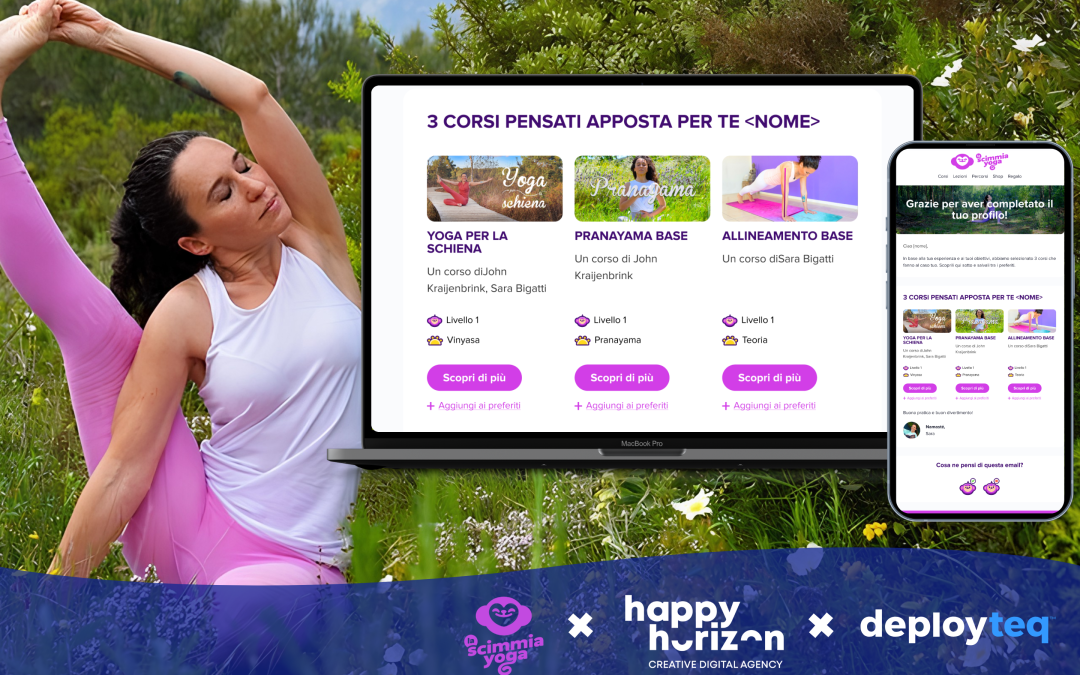
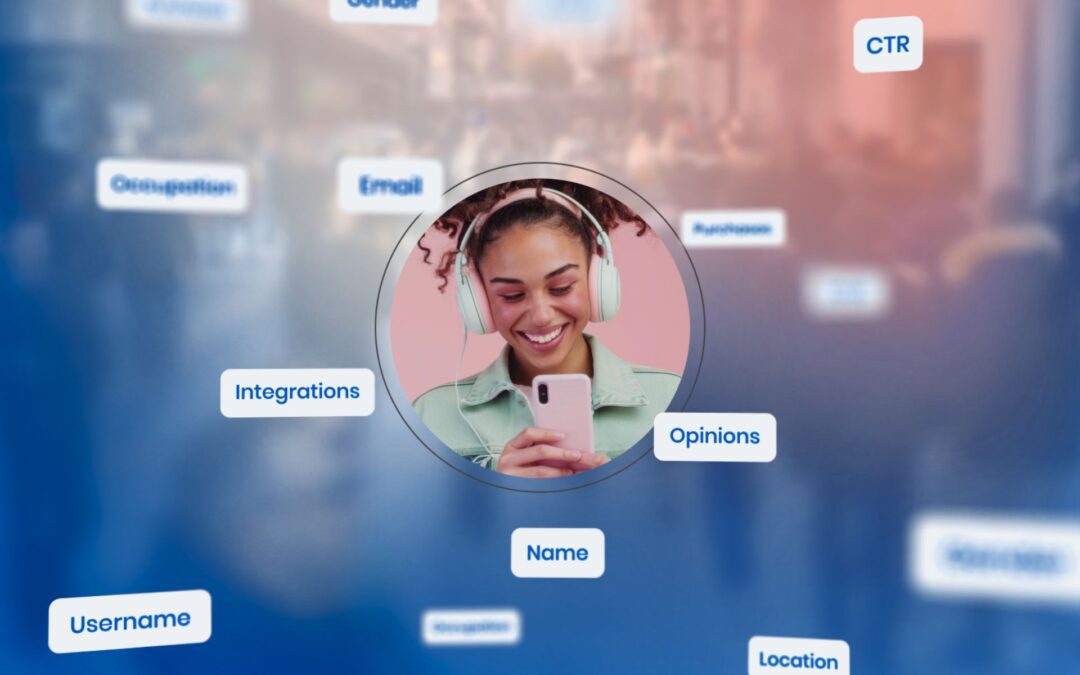
Dynamic content blocks are intelligent content sections that automatically adapt based on customer data, displaying different text, images, products, or offers to each recipient. They transform static templates into personalized experiences by pulling information from customer databases and behavior-tracking systems.
These blocks work by setting rules that determine which content version appears for different customer segments. For example, a retail brand can show winter coats to customers in cold climates while displaying summer dresses to those in warmer regions, all within the same email template.
The business impact is substantial. Dynamic content blocks eliminate the need to create separate campaigns for different customer groups, reducing production time by up to 80%. They also improve relevance, leading to higher engagement rates because customers receive content that matches their interests, location, purchase history, and current needs.
Modern marketing automation platforms integrate dynamic blocks across multiple channels, ensuring consistent personalization whether customers interact via email, SMS, web pages, or mobile apps. This unified approach strengthens brand relationships and drives better conversion rates through targeted messaging.
How do you set up dynamic content blocks in your marketing automation platform?
Setting up dynamic content blocks requires clean customer data, defined segments, and content variations for each audience group. Start by ensuring your customer database includes relevant fields like location, purchase history, preferences, and engagement behavior that will drive your personalization rules.
Begin with data preparation and segmentation. Create customer segments based on demographics, behavior, or preferences. Your segments might include new customers, repeat buyers, geographic regions, or product interests. Each segment needs distinct content that resonates with its specific characteristics.
Next, design your content variations. Create multiple versions of headlines, product recommendations, offers, and calls to action for each segment. Keep messaging consistent with your brand voice while tailoring the specific details to each group’s interests and needs.
Configure the technical rules within your platform. Most email marketing platforms offer visual editors where you can set conditions like “if customer location = London, show UK-specific content” or “if last purchase = electronics, display tech products.”
Test your dynamic blocks thoroughly before launching. Send test campaigns to different segments to ensure the correct content appears for each group and that all links, images, and personalization tokens work properly.
What types of content work best with dynamic personalization?
Product recommendations, promotional offers, and location-based content deliver the strongest results with dynamic personalization. These content types leverage customer data effectively and provide immediate value that drives engagement and conversions.
Product recommendations work exceptionally well because they connect directly to customer interests and purchase history. Show related items to recent buyers, highlight popular products in their category, or display items left in abandoned carts. This approach feels helpful rather than pushy.
Promotional offers become more effective when tailored to customer segments. New customers might receive welcome discounts, while loyal customers get exclusive early access to sales. Geographic personalization works well for local events, weather-appropriate products, or region-specific promotions.
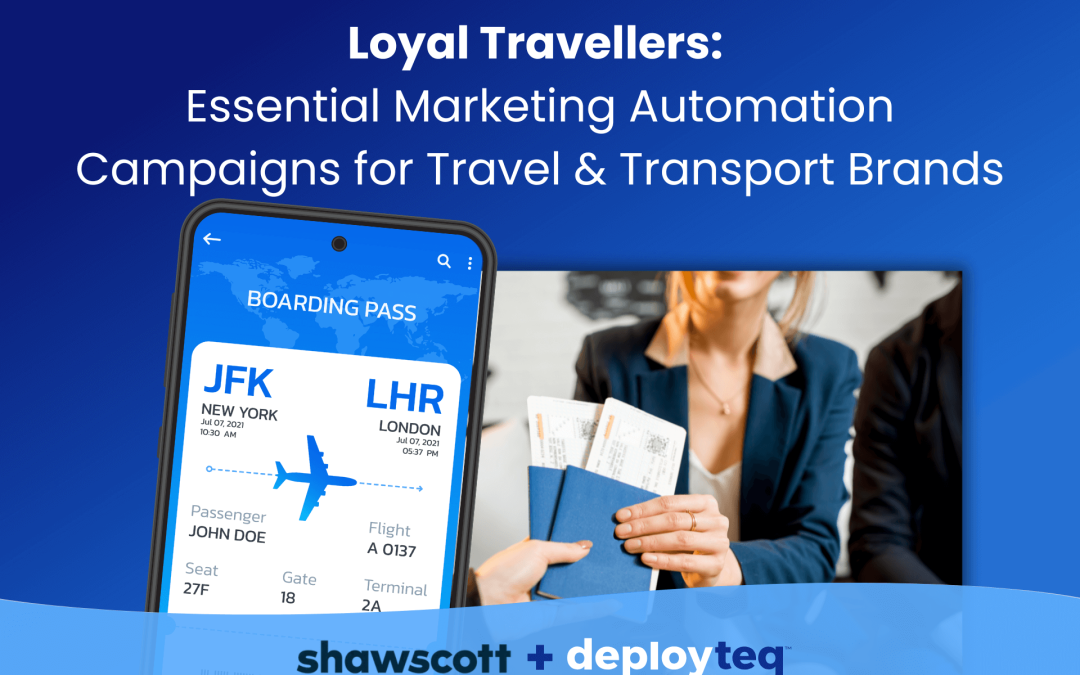
Content personalization extends beyond products to include messaging tone, imagery, and timing. B2B customers might prefer professional language and case studies, while B2C audiences respond better to a casual tone and lifestyle imagery. Travel companies can show destination content based on previous bookings or browsed locations.
Behavioral triggers create powerful dynamic content opportunities. Send re-engagement campaigns to inactive subscribers, educational content to new users, or loyalty rewards to frequent customers. The key is matching content type to the customer lifecycle stage and demonstrated interests.
How do you automate dynamic content delivery across multiple channels?
Cross-channel dynamic content automation requires centralized customer data and coordinated messaging workflows that maintain consistency while adapting to each channel’s unique characteristics. Your automation platform should sync customer information across email, SMS, web, and mobile to deliver coherent personalized experiences.
Start with a unified customer data foundation that feeds all channels. When a customer browses products on your website, that behavior should inform email recommendations, SMS offers, and mobile app notifications. This data synchronization ensures relevant messaging regardless of where customers engage.
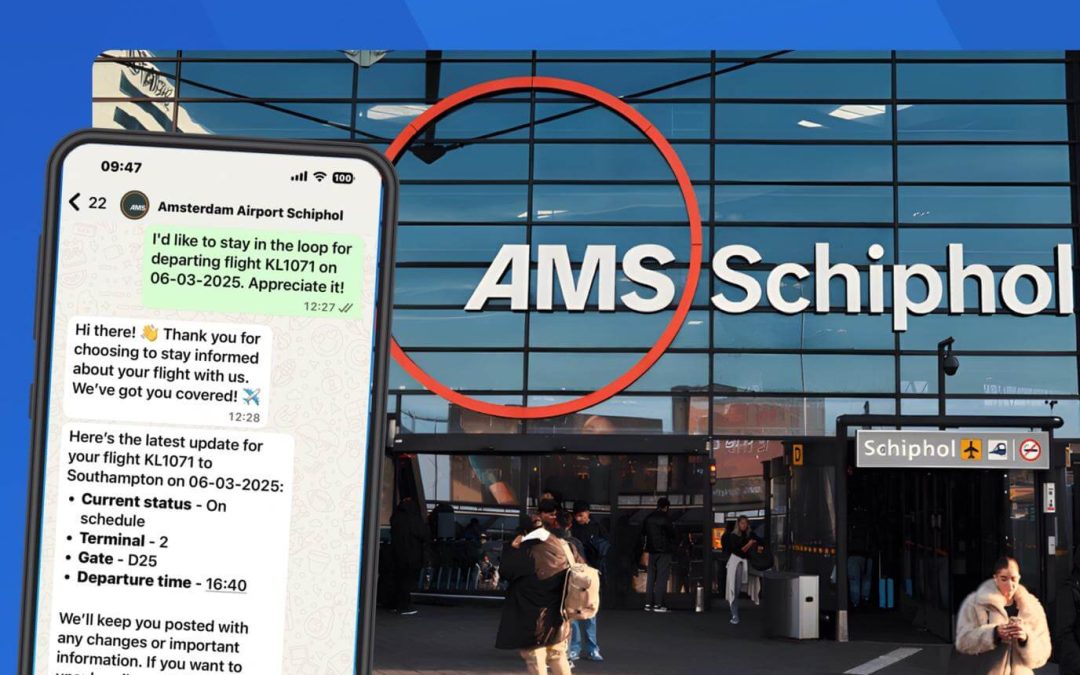
Create channel-specific content variations that maintain consistent messaging while optimizing for each platform’s format. Email allows detailed product showcases, SMS works best for brief, urgent offers, web personalization can include real-time recommendations, and mobile apps enable location-based notifications.
Design automated workflows that trigger across channels based on customer actions. A customer who abandons their cart might receive an email within an hour, an SMS reminder the next day, and see personalized retargeting ads when browsing other websites. Each message builds on the previous one while respecting channel preferences.
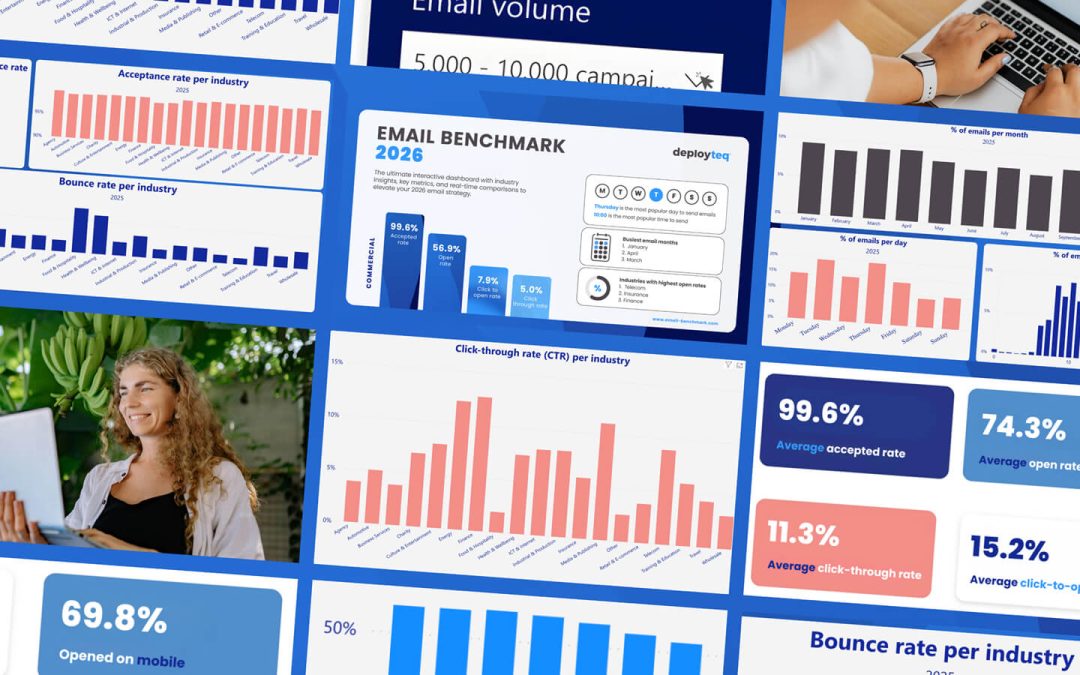
Monitor performance across all channels to optimize your dynamic content strategy. Track which combinations of personalized content and channels drive the best results for different customer segments, then adjust your automation rules accordingly.
What are the common mistakes to avoid when scaling dynamic content personalization?
Over-personalization, poor data quality, and inadequate content maintenance are the most frequent pitfalls when scaling dynamic content. These issues can make campaigns feel intrusive, display incorrect information, or become outdated quickly, damaging customer relationships rather than strengthening them.
Over-personalization occurs when brands use too much personal information too obviously, making customers uncomfortable. Avoid using personal details in ways that feel invasive, such as referencing specific browsing behavior in subject lines or mentioning private information customers did not explicitly share.
Data quality problems create embarrassing mistakes like showing winter coats to customers in tropical climates or promoting products they have already purchased. Regularly audit your customer data, implement validation rules, and create fallback content for incomplete or questionable data points.
Content maintenance becomes challenging as you create more variations. Outdated pricing, discontinued products, or expired promotions in dynamic blocks damage credibility. Establish content review schedules and automated alerts for time-sensitive elements like pricing and inventory.
Technical performance issues arise when dynamic content slows loading times or does not display properly across devices. Test your personalized content on various email clients, mobile devices, and browsers. Create simple fallback versions that ensure your message reaches everyone, even when personalization fails.
How Deployteq helps with dynamic content personalization
Deployteq provides a comprehensive marketing automation platform that makes implementing dynamic content blocks simple and effective. Our solution enables you to create highly personalized campaigns across all channels while maintaining data quality and performance standards.
Key benefits of Deployteq’s dynamic content capabilities include:
- Unified customer data platform that synchronizes information across email, SMS, web, and mobile channels
- Visual content builder with drag-and-drop functionality for creating complex personalization rules
- Real-time personalization engine that delivers content variations based on customer behavior and preferences
- Advanced segmentation tools that automatically update customer groups based on changing data
- Cross-channel automation workflows that maintain consistent messaging while optimizing for each platform
- Performance analytics that track personalization effectiveness and ROI across all campaigns
Ready to transform your marketing with dynamic content personalization? Book a demo to see how Deployteq can help you deliver relevant, engaging experiences that drive results, or contact us to discuss your specific personalization goals with our team.
Related Articles
- How does a CDP connect data across email, SMS, and web channels?
- What is a real-time customer data platform used for?
- What are marketing automation workflows and journeys?
- How does marketing automation handle data decay?
- What are the benefits of email marketing?
This content was generated with the help of AI — it may contain mistakes