Email marketing campaigns fall into three main categories: promotional emails that drive sales, transactional emails that support customer interactions, and nurturing campaigns that build relationships over time. Each type serves different business objectives and requires distinct strategies for maximum effectiveness. Understanding when to use each campaign type helps businesses create more targeted and successful email marketing strategies.
What are the core types of email marketing campaigns every business should know?
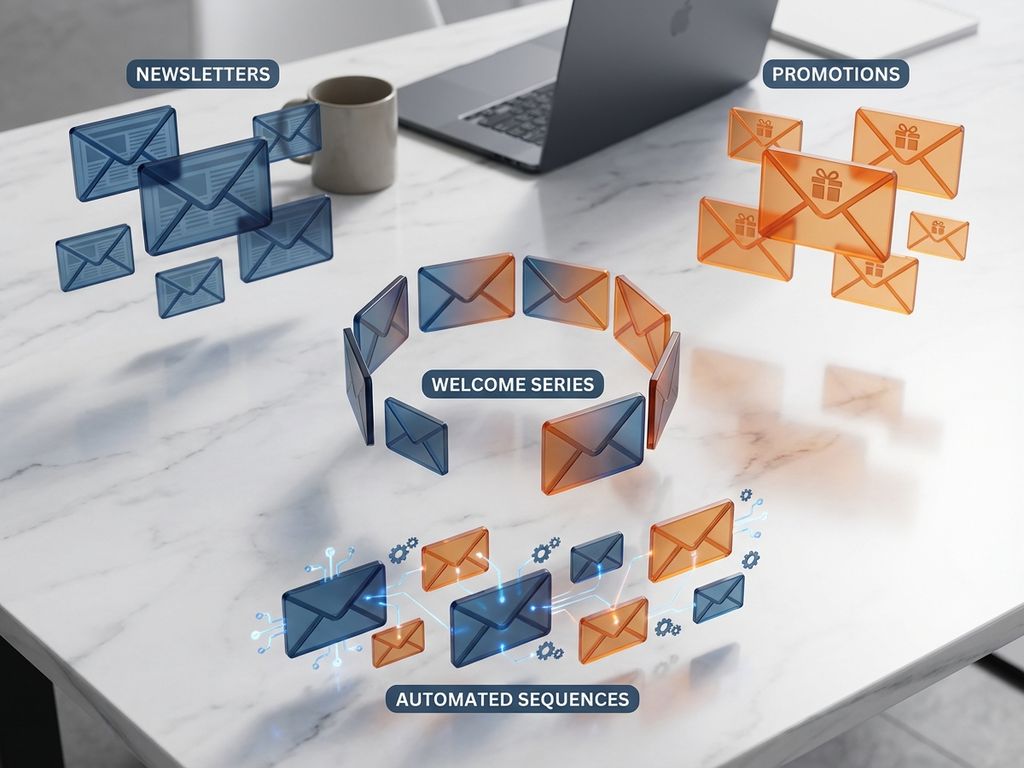
The three fundamental email marketing campaign types are promotional, transactional, and nurturing campaigns. Promotional campaigns focus on driving immediate sales through product announcements, discounts, and special offers. Transactional emails handle order confirmations, shipping updates, and account notifications. Nurturing campaigns build long-term relationships through educational content, welcome series, and regular newsletters.
Promotional campaigns work best when you have specific products to highlight or time-sensitive offers to promote. They typically generate the highest immediate revenue but should be balanced with relationship-building content to avoid overwhelming subscribers with sales messages.
Transactional emails achieve the highest open rates because recipients expect and need this information. These automated messages confirm purchases, provide shipping updates, and deliver account-related notifications. While primarily functional, they offer opportunities to include relevant product recommendations or company updates.
Nurturing campaigns focus on providing value through educational content, industry insights, and helpful resources. These campaigns build trust and keep your brand visible without constant selling. They work particularly well for complex products or services that require longer consideration periods.
How do promotional email campaigns differ from other marketing emails?
Promotional email campaigns are specifically designed to drive immediate sales action through direct product promotion, special offers, and time-limited deals. Unlike nurturing emails that educate or transactional emails that inform, promotional campaigns have clear commercial intent and include prominent calls to action encouraging purchases.
These campaigns typically feature product-focused content with compelling subject lines that create urgency or highlight benefits. They include pricing information, discount codes, and clear purchase buttons. The messaging is direct and sales-oriented, designed to move subscribers through the buying process quickly.
Promotional campaigns require careful timing and frequency management. Sending too many can lead to subscriber fatigue and increased unsubscribe rates. Many businesses find success with one or two promotional emails per week, depending on their industry and audience preferences.
The key difference lies in measurement focus. While nurturing campaigns track engagement and relationship building, promotional campaigns measure conversion rates, revenue per email, and return on investment. This makes them easier to evaluate but requires balancing immediate sales goals with long-term subscriber satisfaction.
What makes automated email sequences more effective than one-off campaigns?
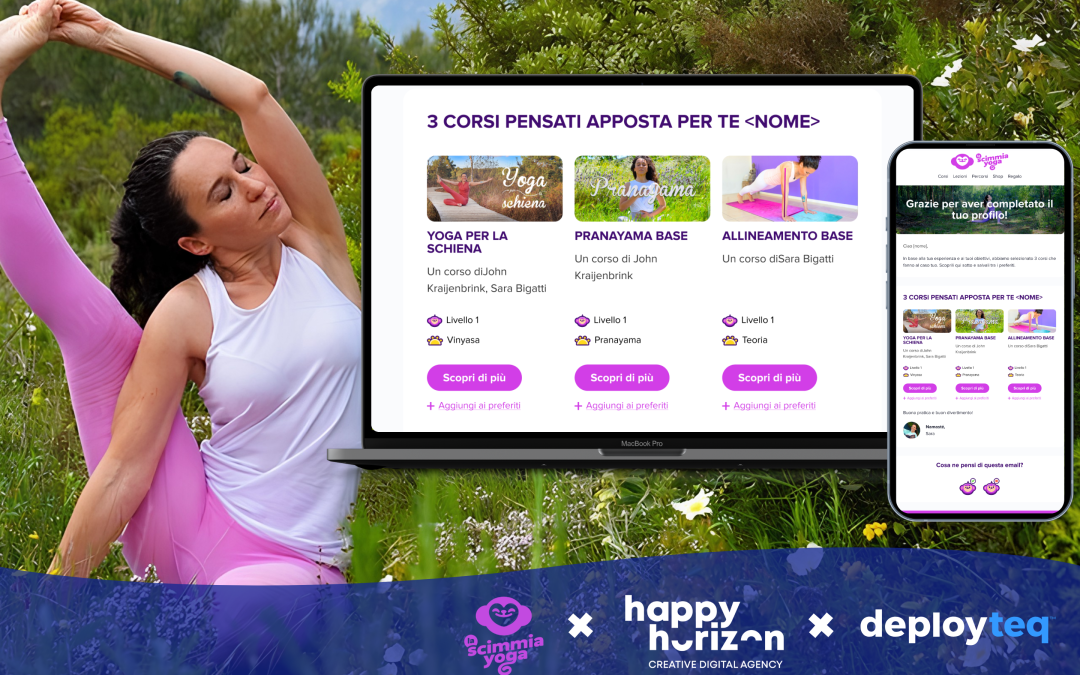
Automated email sequences deliver consistent, timely messages based on subscriber actions or predetermined schedules without manual intervention. They provide personalised experiences that respond to individual behaviour, creating more relevant and engaging communications than single broadcast emails.
Marketing automation ensures no subscriber falls through the cracks. Welcome sequences greet new subscribers immediately, abandoned cart emails recover potential sales, and birthday campaigns celebrate customers at the perfect moment. This consistent communication maintains engagement even when you’re focused on other business activities.
Drip campaigns guide subscribers through planned journeys, delivering educational content or product information over time. This approach builds relationships gradually and allows you to present complex information in digestible portions. Subscribers receive relevant content based on their current stage in the customer journey.
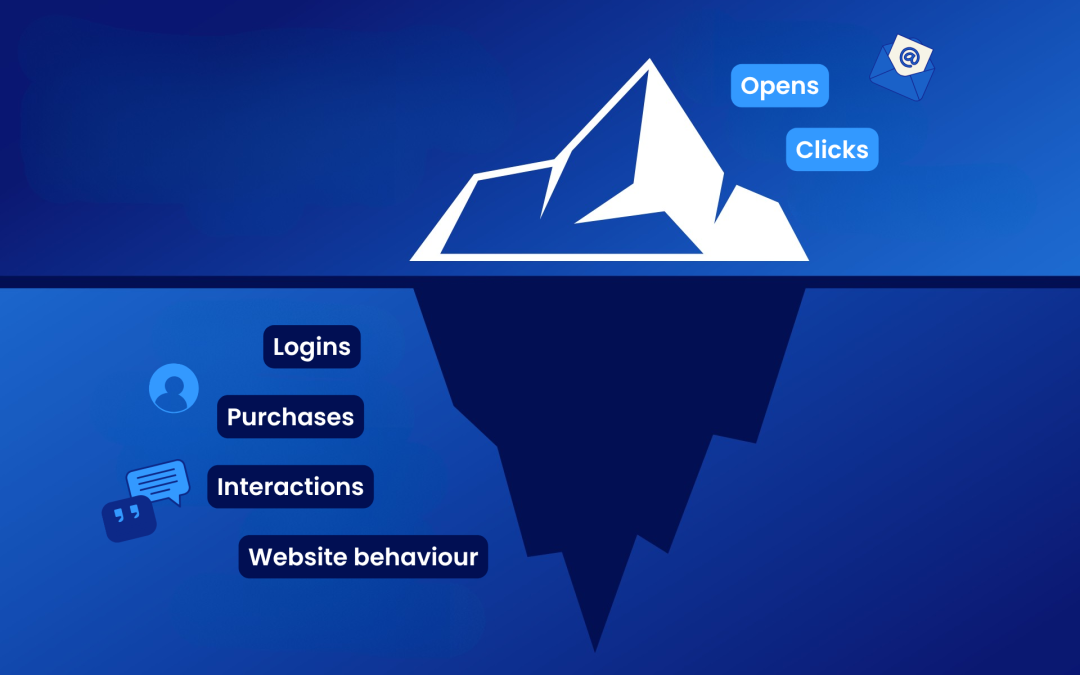
Triggered sequences respond to specific actions like website visits, purchase behaviour, or email engagement. This responsiveness creates more meaningful interactions because the content directly relates to what subscribers have already shown interest in. The result is higher open rates, better engagement, and improved conversion rates compared to generic broadcast emails.
Which type of email campaign should you start with as a beginner?
New businesses should begin with a welcome email series and basic promotional campaigns. Welcome sequences are essential because they make the best first impression and set expectations for future communications. They’re also relatively simple to create and provide immediate value to new subscribers.
Start with a three-email welcome sequence: an immediate thank-you email, a second email introducing your business and best content, and a third email highlighting popular products or services. This approach builds relationships while gently introducing commercial content.
Once your welcome sequence is established, add simple promotional campaigns for your best-selling products or services. Focus on clear, benefit-driven subject lines and single, obvious calls to action. Keep the design simple and the message focused on one primary offer.
Avoid complex automation workflows initially. Master basic campaigns and understand your audience’s response patterns before adding sophisticated triggers and branching logic. This foundational approach helps you learn what resonates with your subscribers while building confidence in email marketing fundamentals.
Regular newsletters can complement these campaigns by maintaining consistent contact and providing ongoing value. Start with a monthly frequency and adjust based on engagement levels and content availability.
How Deployteq helps with email marketing campaign management
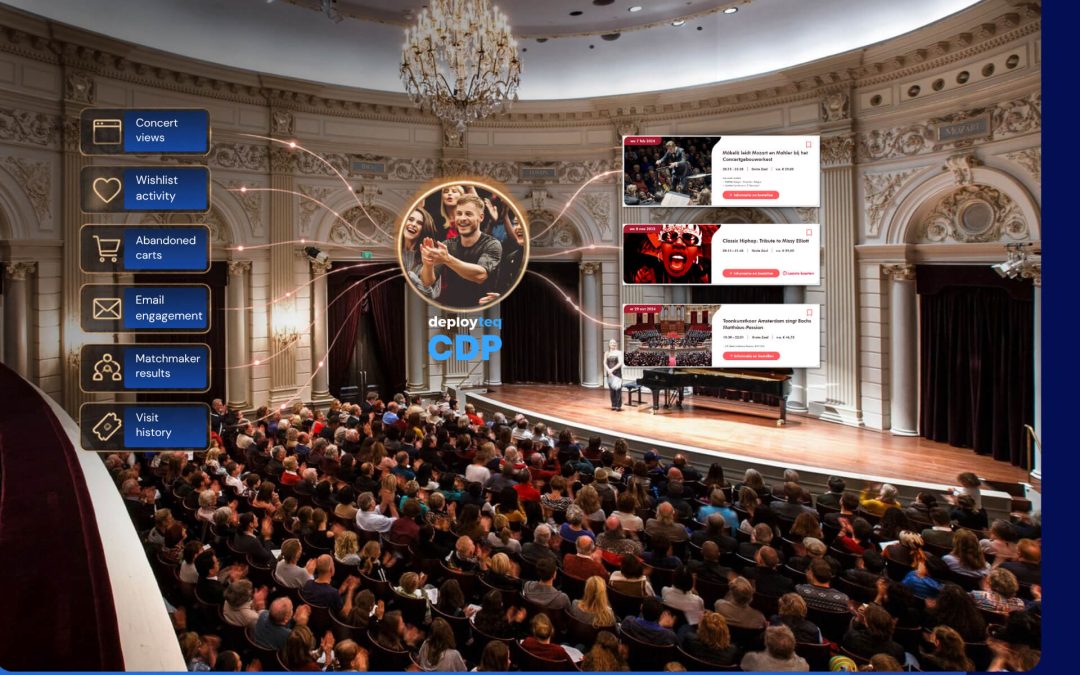
Deployteq’s customer data platform enables businesses to create, manage, and optimise all email campaign types through a single, intuitive interface. Our platform automatically unifies customer data across channels, allowing you to build highly targeted segments and deliver personalised experiences at scale.
Key features that streamline campaign management include:
- Advanced segmentation tools that create real-time, highly personalised customer segments based on behaviour and preferences
- A versatile journey builder offering complete freedom in designing automated email sequences and customer workflows
- Omnichannel coordination connecting email campaigns with SMS, social media, and other marketing channels
- Unified customer profiles providing a complete view of each subscriber’s interactions and preferences
- Intuitive automation features that require no technical expertise while offering powerful customisation options
Whether you’re launching your initial welcome series or managing complex, multichannel campaigns, Deployteq provides the tools and flexibility to execute professional email marketing strategies that drive real business results. Ready to transform your email marketing approach? Explore how Deployteq can streamline your campaign management and improve your customer engagement across all channels.