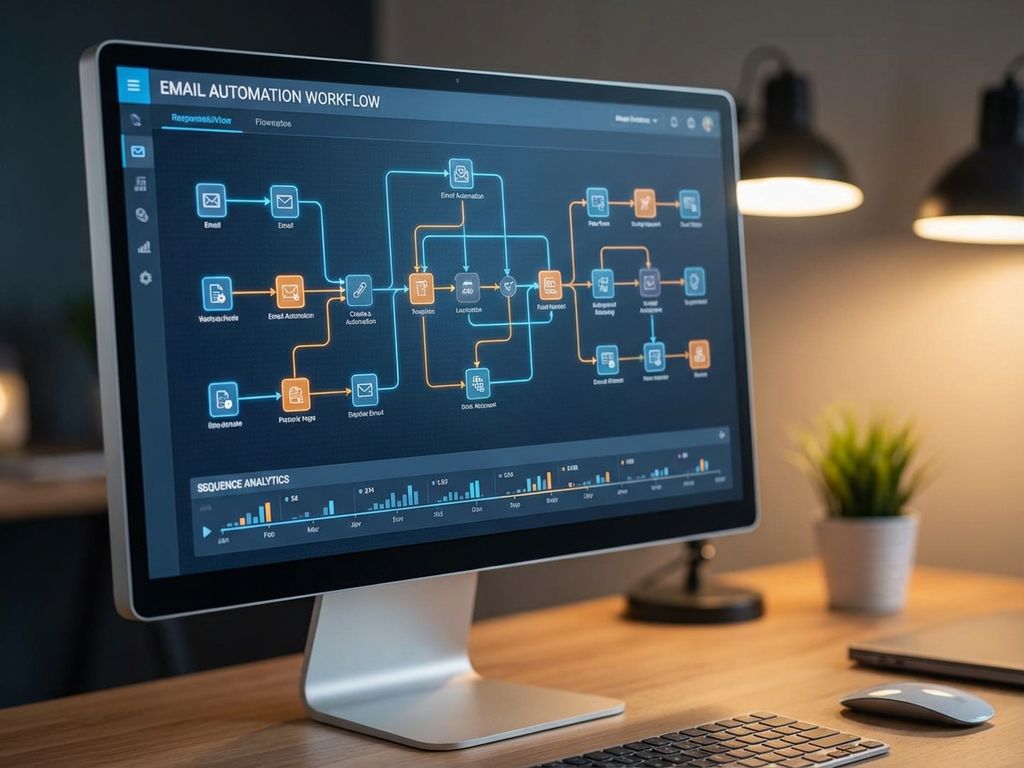
Setting up automated email sequences involves creating a series of pre-written emails that are sent automatically based on specific triggers or timelines. This process includes choosing your platform, mapping customer journeys, creating compelling content, and setting up the technical triggers. Automated sequences save time while delivering personalised messages that guide subscribers through your sales funnel and improve customer relationships.
What are automated email sequences and why do they matter?
Automated email sequences are pre-written series of emails that are sent automatically based on subscriber actions, behaviours, or predetermined schedules. Unlike single promotional emails, these sequences deliver multiple touchpoints that nurture relationships and guide customers through specific journeys.
These sequences matter because they transform your email marketing from reactive to proactive. Instead of manually sending individual emails, you create systems that work continuously in the background. This approach delivers consistent communication without constant manual effort.
The key benefits include significant time savings, improved customer engagement through timely messaging, and consistent communication that builds stronger relationships. Automated sequences also provide better conversion rates because they deliver the right message at the right moment in your customer’s journey.
The main difference between one-off emails and sequences lies in their strategic approach. Single emails serve immediate purposes, while sequences build ongoing relationships through carefully planned messaging that evolves with your subscribers’ needs and interests.
What types of automated email sequences should you create first?
Start with welcome series, abandoned cart recovery, post-purchase follow-ups, and re-engagement campaigns. These four sequence types provide the highest return on investment and are relatively straightforward to implement for beginners.
Welcome sequences introduce new subscribers to your brand and set expectations for future communications. These typically include 3–5 emails sent over the week following signup, covering your story, best content, and clear next steps.
Abandoned cart sequences target customers who added products but did not complete their purchase. A simple three-email sequence sent 1 hour, 24 hours, and 72 hours after abandonment can recover significant revenue.
Post-purchase sequences thank customers, provide useful information about their purchase, and introduce complementary products. These emails build satisfaction and encourage repeat purchases.
Re-engagement campaigns target inactive subscribers with compelling content designed to rekindle their interest. These sequences help maintain list quality while giving dormant subscribers one final opportunity to engage before removal.
How do you map out an effective email sequence strategy?
Begin by identifying specific trigger events that will start your sequences, such as email signups, purchases, or periods of inactivity. Map these triggers to your customer journey touchpoints to ensure relevant messaging at each stage.
Determine appropriate sequence length and timing based on your customer’s decision-making process. Complex products might require longer sequences with more educational content, while simple purchases may need shorter, more direct approaches.
Align your content with customer needs at each stage of their journey. New subscribers need introduction and trust-building content, while existing customers benefit from advanced tips and complementary product suggestions.
Consider the natural progression of your customer relationships. Start with awareness-building content, move through consideration and evaluation phases, and include retention and advocacy messaging for existing customers.
Plan your sequence goals clearly. Each email should have a specific purpose, whether that is education, engagement, conversion, or retention. This clarity helps create focused, effective messaging that moves subscribers towards desired actions.
What are the key technical steps to set up email automation?
Choose a marketing automation platform that supports your sequence needs, set up proper list segmentation, configure triggers, create email templates, test thoroughly, and launch with monitoring systems in place.
Platform selection depends on your technical comfort level, budget, and feature requirements. Look for platforms offering visual workflow builders, reliable deliverability, and integration capabilities with your existing tools.
List segmentation ensures the right people receive relevant sequences. Segment by signup source, purchase history, engagement levels, and demographic information to improve relevance and results.
Trigger setup involves defining exactly what actions or conditions will start each sequence. Common triggers include form submissions, purchase completions, email opens, link clicks, or time-based events.
Email template creation focuses on mobile-responsive designs with clear calls to action. Write compelling subject lines and valuable content, and include proper tracking elements for performance measurement.
Testing procedures should cover email rendering across devices, link functionality, trigger accuracy, and sequence timing. Send test sequences to yourself and colleagues before launching to real subscribers.
How do you measure and optimize automated email sequence performance?
Track open rates, click-through rates, conversion rates, and sequence completion rates to understand how well your automated sequences perform. These metrics reveal both engagement levels and business impact from your email marketing platform automation efforts.
Open rates indicate subject line effectiveness and sender reputation. Healthy open rates vary by industry but typically range from 20–25% for most sectors. Low open rates suggest problems with subject lines, send timing, or list quality.
Click-through rates measure content relevance and call-to-action effectiveness. Strong sequences achieve 3–5% click-through rates, though this varies significantly based on audience and content type.
Conversion rates show actual business results from your sequences. Track both immediate conversions and longer-term customer value to understand the true impact of sequences on revenue and growth.
A/B testing strategies should focus on one element at a time: subject lines, send times, content length, or call-to-action placement. Test with statistically significant sample sizes and run tests long enough to gather meaningful data.
Make adjustments when you notice consistent patterns in your data. Poorly performing emails might need content updates, while successful elements can be replicated across other sequences for improved overall performance.
How Deployteq simplifies automated email sequence setup
Deployteq’s marketing automation platform addresses common email sequence challenges through intuitive visual tools, advanced segmentation capabilities, and seamless omnichannel integration. Our platform eliminates technical barriers while providing sophisticated automation features powered by our comprehensive customer data platform.
Key features that simplify sequence creation include:
- Visual journey builder that lets you design complex sequences through a drag-and-drop interface
- Advanced segmentation tools that create highly targeted audience groups automatically
- Real-time customer profiles that update continuously based on behaviour and interactions
- Omnichannel integration that coordinates email with SMS, social media, and other channels
- Automated data unification that creates single customer views across all touchpoints
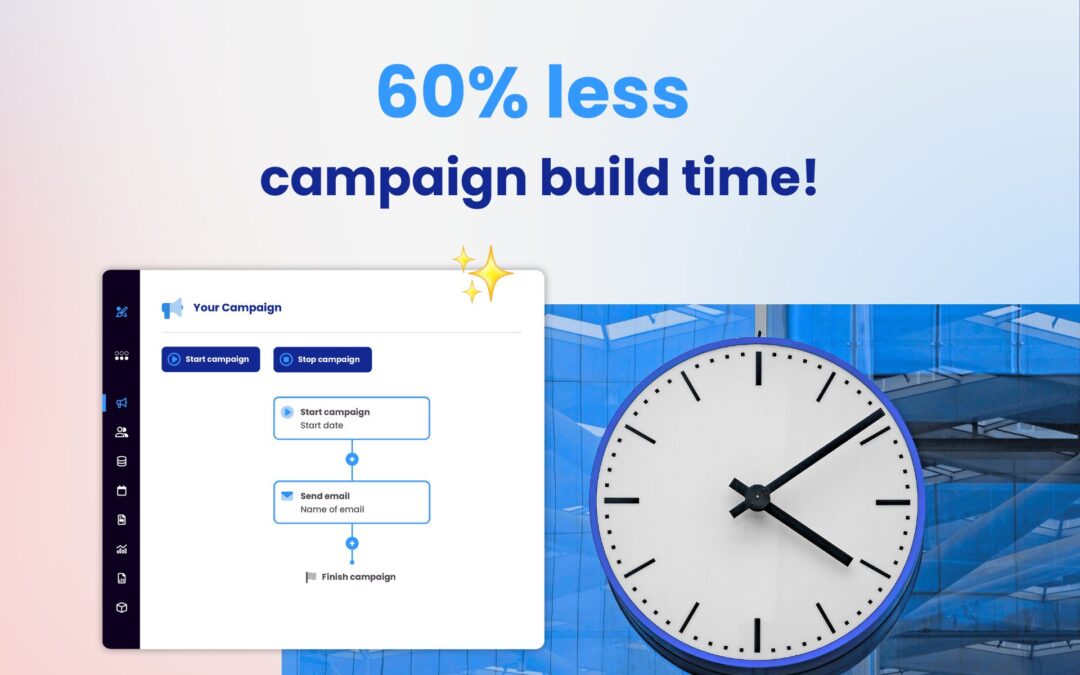
Our platform gives you complete control over your automation without requiring technical expertise. You can build sophisticated sequences, test different approaches, and optimise performance, all within one unified system.
Ready to transform your email marketing with powerful automation? Contact us today to see how Deployteq can streamline your email sequence setup and drive better results for your business.
Related Articles
- 7 proven CDP strategies for retail and ecommerce brands
- How Do Hotels Automate Guest Journey Communications From Booking to Check-Out?
- Can marketing automation replace email marketing tools?
- What are the ethics of behavioral tracking in marketing automation?
- Can marketing automation prevent customer churn?