If your marketing team is fast, creative, and full of ideas but still waiting on IT to execute them, something is broken. Not broken in a dramatic way, but in the slow, frustrating way that costs you campaign velocity, revenue, and morale. IT dependency in marketing is one of the most common operational problems teams face in 2026, and it rarely gets called out directly. Instead, it shows up as missed deadlines, backlogged requests, and the quiet frustration of marketers who know what they want to do but cannot do it themselves.
Here are seven signs your marketing operations have become too reliant on IT, and what that dependency is actually costing you.
When IT Becomes Your Marketing Bottleneck
The relationship between marketing and IT should be collaborative, not hierarchical. When IT becomes a gatekeeper for routine marketing tasks, your team loses the agility it needs to respond to customer behaviour in real time. Campaigns get delayed. Opportunities get missed. And your most creative people spend their time writing tickets instead of building journeys.
The signs are often subtle at first. A request here, a delay there. But over time, IT bottlenecks in marketing compound into a structural problem that slows down your entire go-to-market motion. Recognising the patterns early is the first step to fixing them.
Sign 1: Every Campaign Needs a Developer to Launch
If your team cannot publish a campaign without developer involvement, your marketing platform is working against you. Launching an email, setting up a trigger, or activating a new audience segment should be tasks that marketers own end to end.
Developer dependency at the campaign level usually signals one of two things: either the platform is too technical for non-developers to use, or the data and templates are not structured in a way that allows self-serve execution. Both are fixable, but both require you to acknowledge the problem first.
For retail and e-commerce teams running high-frequency campaigns around seasonal peaks, this bottleneck is especially damaging. A flash sale that needs three days of developer prep is not a flash sale.
Sign 2: Segmentation Requests Sit in a Backlog
Smart segmentation is the engine of personalised marketing. When your team has to submit a request and wait days, or even weeks, for a segment to be built, you are not doing real-time marketing. You are doing delayed marketing and hoping the audience is still relevant by the time you reach them.
Marketers should be able to build, test, and activate segments themselves using a customer data platform that puts data in their hands. If segmentation requires SQL queries or a data analyst to translate your brief, that is a dependency worth addressing urgently.
Travel brands, for example, need to respond to booking signals within hours. A loyalty segment built on last week’s data is already out of date.
Sign 3: Your Data Lives in Systems You Cannot Access
Data locked in a CRM, data warehouse, or proprietary system that only IT can query is not data you can use for marketing. It is data that exists in theory. Marketing agility depends on your team being able to see, filter, and activate customer data without raising a support ticket every time.
This is one of the most common frustrations among CRM specialists and marketing managers. They know the data exists. They know what they want to do with it. But accessing it requires a handoff that adds days to every decision.
The fix is not to eliminate IT from data management entirely. It is to ensure that marketers have a self-serve layer on top of that data, one that lets them work independently within defined guardrails.
Sign 4: A/B Tests Require an IT Project
Testing is not optional for high-performing marketing teams. It is how you improve open rates, conversion rates, and customer LTV over time. But if running an A/B test requires a development sprint, a project brief, and a two-week turnaround, your team will stop testing altogether.
And when teams stop testing, they stop learning. They fall back on assumptions and gut feel, which is the opposite of data-driven marketing. Self-serve marketing tools should make experimentation frictionless, not a project in its own right.
For finance and insurance brands running compliance-sensitive campaigns, the ability to test subject lines, CTAs, and send times without IT involvement is a significant competitive advantage.
Sign 5: Journey Changes Take Weeks, Not Hours
Customer journeys are not set-and-forget assets. They need to evolve as your audience behaviour changes, as your product offering shifts, and as new data comes in. If updating a journey step requires a change request, a developer, and a QA cycle, your journeys will become outdated fast.
A flexible marketing automation setup should allow marketers to edit journey logic, swap out content, and adjust triggers without touching a line of code. The speed at which you can iterate on a journey is directly linked to how well it performs over time.
Entertainment brands managing high-frequency engagement flows, like streaming platforms or ticketing companies, cannot afford journeys that take weeks to update. Their audience moves too fast.
Sign 6: Reporting Means Waiting for a Dashboard Build
If your campaign performance data is only available after IT builds a custom dashboard, you are making decisions with a significant lag. By the time the report is ready, the campaign has already run its course and the opportunity to optimise it mid-flight has passed.
Marketing teams need access to live performance data, not just post-campaign summaries. Marketing operations that depend on IT for reporting are structurally slower than those with self-serve analytics built into the platform.
This is not about cutting IT out of reporting strategy. It is about ensuring that the day-to-day metrics, opens, clicks, conversions, and segment performance are visible to marketers without requiring a custom build every time.
Sign 7: Integrations Block New Channel Adoption
Every time your team wants to activate a new channel, whether that is WhatsApp, push notifications, or SMS, and the answer is “we need IT to build the integration first,” you are falling behind. Channel diversification is a core part of modern marketing strategy, and your ability to move quickly matters.
Heavy integration dependency is a sign that your marketing platform independence is limited. The best platforms are built to connect natively with the channels your audience uses, without requiring bespoke development work every time you want to expand your reach.
For hospitality brands managing multi-channel guest communications, the ability to activate a new channel quickly, without a six-week IT project, can be the difference between a relevant campaign and a missed moment.
How to Reclaim Control of Your Marketing Stack
Reducing IT dependency does not mean going rogue or bypassing governance. It means building a stack where marketers can execute independently within a well-structured framework. Here is where to start:
- Audit your current blockers. Map out every task your team cannot do without IT involvement. Prioritise the ones that happen most frequently.
- Evaluate your platform for self-serve capability. Can your team build segments, launch campaigns, edit journeys, and view reports without developer support? If not, that is a platform problem.
- Invest in a CDP layer. A customer data platform that sits between your data sources and your marketing tools gives marketers direct access to the data they need, without IT acting as a middleman.
- Standardise your templates and journey frameworks. The more modular your assets, the less bespoke development you need for each campaign.
- Work with IT to define guardrails, not gatekeeping. IT should set the rules of the road. Marketers should be able to drive.
The goal is a marketing team IT dependency model that is strategic rather than operational. IT should be a partner in platform architecture and data governance, not a bottleneck between your ideas and your audience.
How Deployteq Gives Your Marketing Team Back Its Independence
We built Deployteq specifically for marketing teams who are tired of waiting. Every feature in our platform is designed to put execution power in the hands of marketers, not developers.
- Self-serve segmentation: Build real-time, hyper-personalised segments directly in the platform using data you can actually access, no SQL required.
- Visual journey builder: Edit, branch, and deploy customer journeys in hours, not weeks. No change requests. No dev cycles.
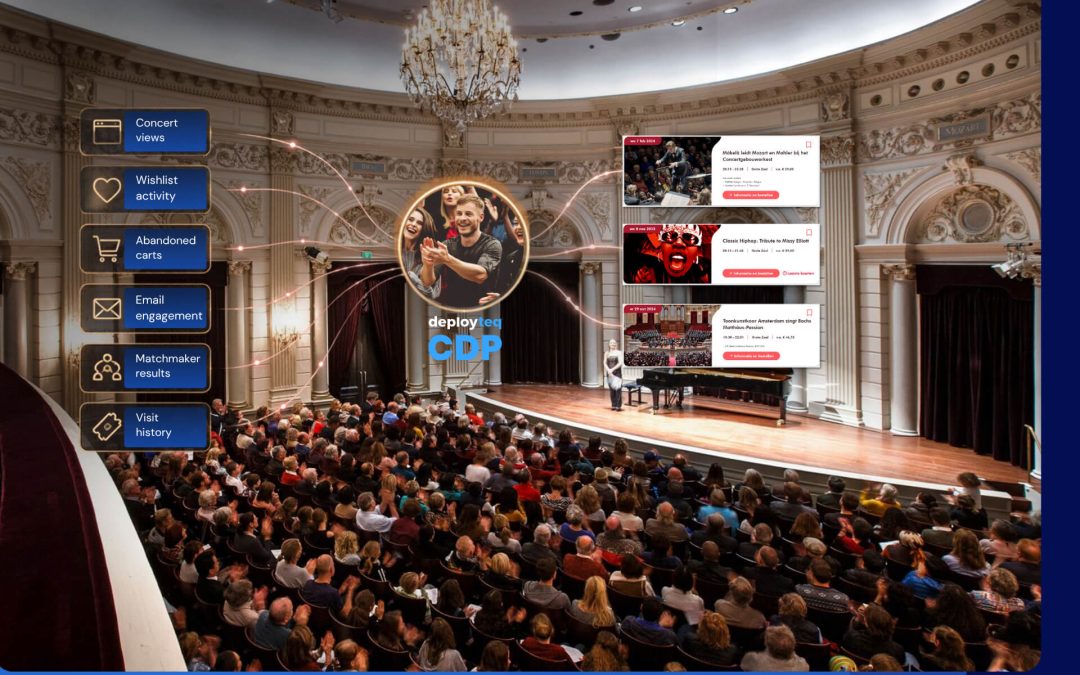
- Native CDP integration: Our Customer Data Platform unifies your customer data and makes it immediately actionable across email, SMS, WhatsApp, push, and web.
- Built-in A/B testing: Run tests, read results, and optimise without raising a single IT ticket.
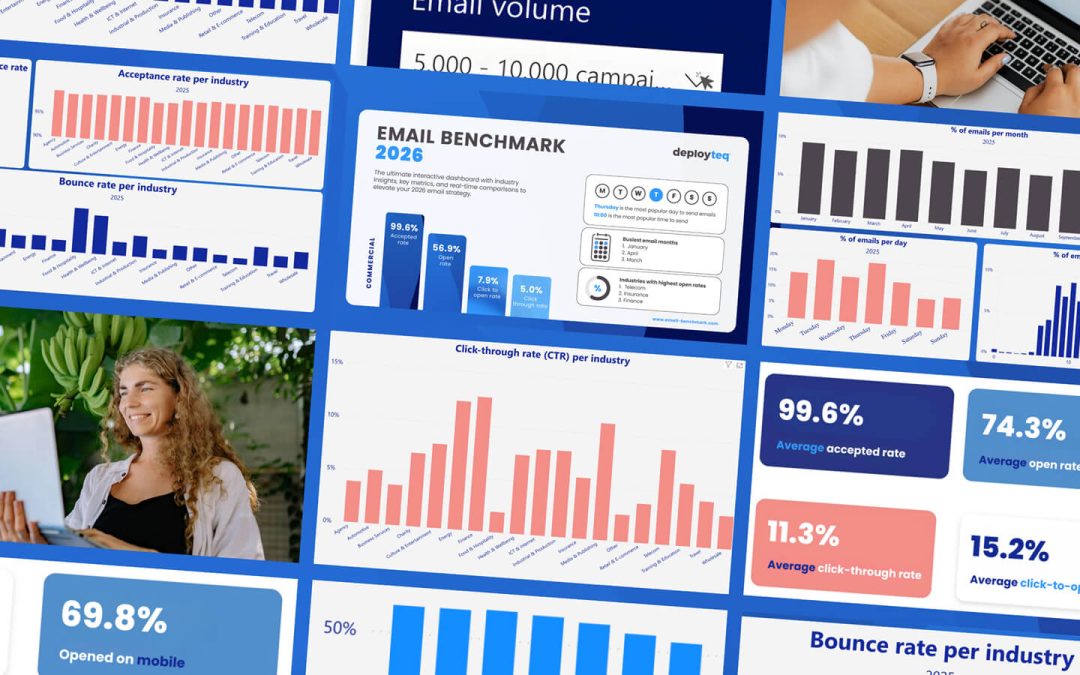
- Live reporting dashboards: See campaign performance in real time, not after a dashboard build.
- Cross-channel activation out of the box: Add new channels without bespoke integrations slowing you down.
If your team is ready to stop writing IT tickets and start building campaigns, book a demo and see how Deployteq puts control back where it belongs.