Your data is supposed to make marketing easier. But for many teams in 2026, it’s doing the opposite. Fragmented systems, slow segmentation, and disconnected reporting are quietly eroding campaign performance and customer experience. If any of the signs below feel familiar, it may be time to consider a customer data platform.
When your data starts working against you
A CDP isn’t just a data storage tool. It’s the connective layer that turns raw customer information into real-time, actionable intelligence. The challenge is knowing when your current setup has hit its ceiling. These seven signs are worth paying close attention to.
1. Your customer data lives in too many places
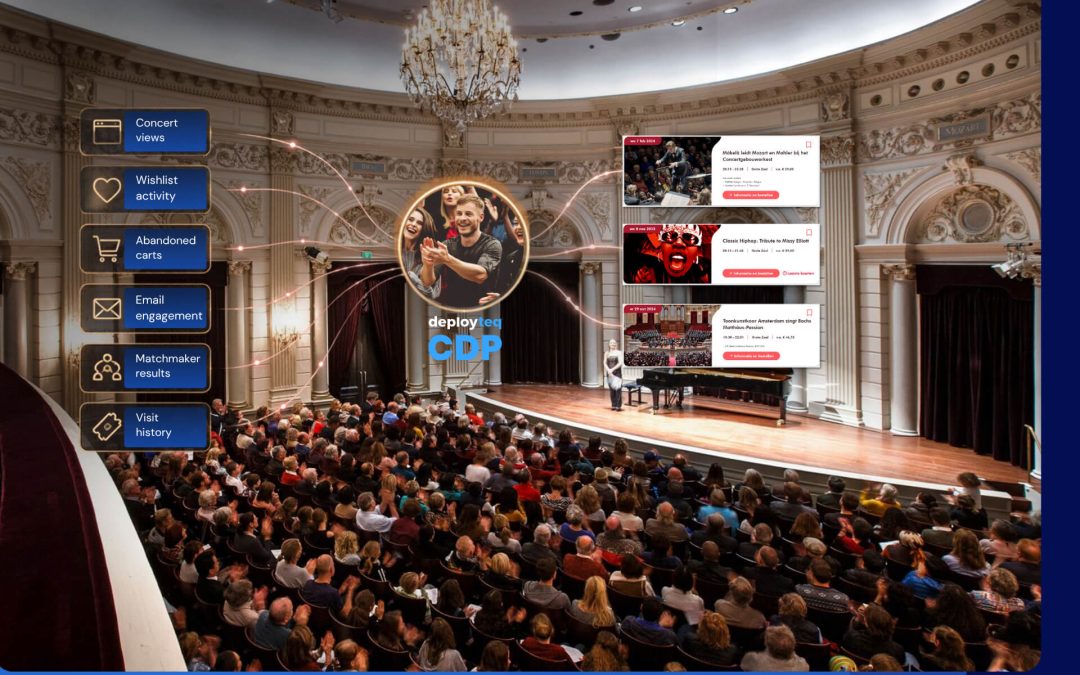
If your customer profiles are spread across a CRM, an email tool, a loyalty platform, and a handful of spreadsheets, you don’t have a data strategy. You have a data problem. Every disconnected system creates a different version of the customer, and none of them are complete.
The result is marketing built on partial information. You send a re-engagement email to someone who booked yesterday. You promote a product to someone who already bought it. These aren’t small errors. They damage trust and waste budget.
A CDP creates a single, unified customer profile by pulling data from every source into one place. That unified view becomes the foundation for everything: segmentation, personalization, automation, and reporting.
2. Personalization feels generic and surface-level
Using a customer’s first name in a subject line is not personalization. Real personalization means serving the right message, at the right moment, based on actual behaviour and intent. If your campaigns feel like mail merges rather than meaningful conversations, your data infrastructure is likely the bottleneck.
Hyper-personalized marketing requires access to rich, unified data. Browsing history, purchase frequency, loyalty status, channel preference, and lifecycle stage all need to be connected and queryable in real time. Without that, your segments stay broad and your relevance stays low.
For retail and e-commerce brands especially, the gap between generic and genuinely personalized content directly affects conversion rates and repeat purchase behaviour.
3. Segments take days or weeks to build
If building a targeted audience requires a data analyst, a SQL query, and a two-week turnaround, your segmentation capability isn’t fit for modern marketing. Speed matters. Customer behaviour changes fast, and campaigns that respond slowly lose relevance before they even launch.
Smart segmentation should be dynamic and marketer-led. You should be able to build a segment based on real-time behaviour, purchase recency, or predicted intent without waiting on technical resources. That kind of agility is what separates reactive marketing from genuinely proactive automation.
If your team is spending more time preparing data than using it, that’s a clear signal your current tools aren’t keeping pace.
4. What does your churn rate actually tell you?
Churn is one of the most important signals in your data. But knowing your churn rate is very different from understanding it. If you can see that customers are leaving but can’t identify when, why, or which segment is most at risk, your data isn’t giving you enough to act on.
A CDP with predictive modelling capabilities changes this. Instead of reacting to churn after it happens, you can identify early warning signals and trigger retention campaigns before a customer disengages. For travel and leisure brands managing booking cycles and loyalty loops, this kind of foresight is a significant competitive advantage.
If your reporting shows churn as a number rather than a pattern, you’re missing the insight that would actually let you fix it.
5. Cross-channel campaigns feel disconnected
Your customer doesn’t experience your brand by channel. They experience it as a whole. If someone receives an SMS about a sale they already responded to via email, or sees a web personalization that contradicts what they were promised in-app, the experience breaks down.
Disconnected campaigns are usually a symptom of disconnected data. Each channel operates from its own slice of customer information, with no shared source of truth. A CDP solves this by making unified customer data available across every channel simultaneously, so email, SMS, push, and web all reflect the same customer reality.
For entertainment and finance brands running high-frequency, multi-touch campaigns, cross-channel consistency isn’t a nice-to-have. It’s essential for maintaining trust and driving LTV.
6. Reporting can’t connect campaigns to revenue
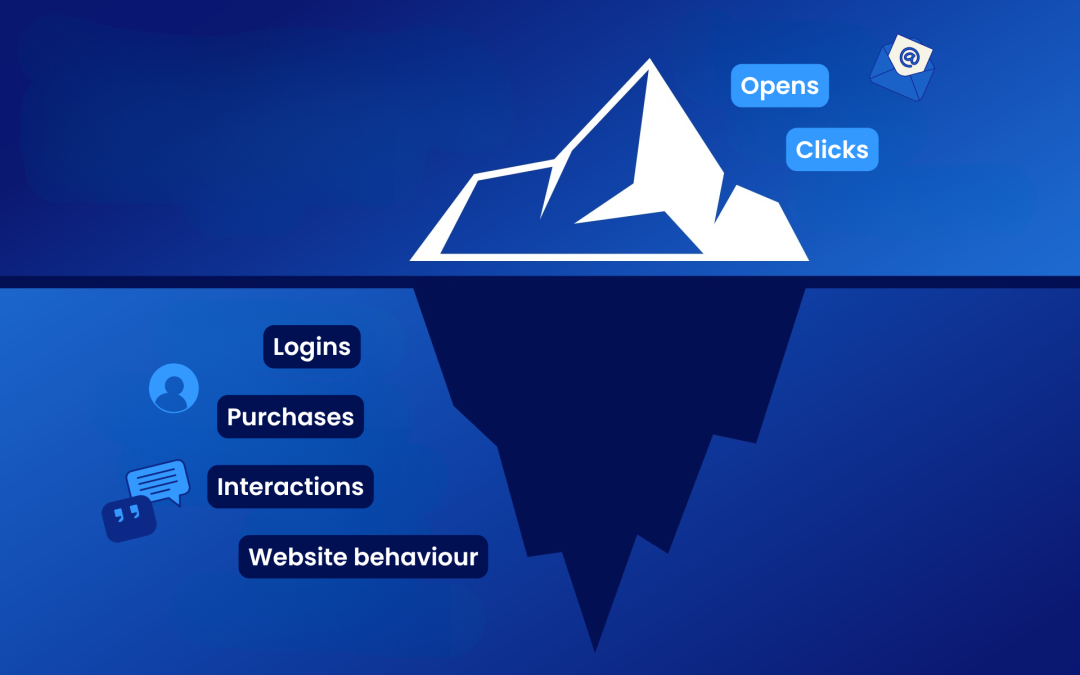
If your campaign reports show open rates and click rates but can’t tell you what those campaigns actually drove in revenue, you’re measuring activity rather than impact. That makes it very difficult to justify budget, optimise spend, or prove the value of your marketing to the wider business.
A CDP creates the data connections that make attribution possible. By linking customer behaviour across touchpoints and tying it back to conversion events, you get a much clearer picture of what’s working and what isn’t. That clarity supports smarter decisions at every level, from channel mix to creative strategy.
CMOs and marketing managers who can connect campaigns to commercial outcomes have a fundamentally stronger position in budget conversations.
7. Data compliance keeps you up at night
GDPR, consent management, data residency, right to erasure. If your customer data is scattered across multiple platforms, staying compliant with evolving regulations becomes genuinely difficult. You need to know exactly where data lives, how it was collected, and whether consent is current. That’s nearly impossible to manage across fragmented systems.
A CDP centralizes consent and preference data alongside behavioural and transactional records. That means you can action a data deletion request quickly, demonstrate compliant data handling to regulators, and give customers meaningful control over their preferences. For finance and insurance brands operating under particularly strict regulatory frameworks, this is a critical capability, not an optional one.
If compliance feels like a guessing game, consolidating your data is one of the most effective ways to reduce that risk.
From data chaos to customer clarity
If several of these signs resonate, you’re not alone. Many marketing teams are running sophisticated campaigns on fragmented data infrastructure, and the gap between what they could achieve and what they’re actually delivering keeps growing.
The good news is that the path from data chaos to customer clarity is well defined. It starts with unifying your data, then building the segmentation and automation capabilities on top of it.
How Deployteq helps with customer data management
We built our Customer Data Platform specifically to address the challenges outlined above. Whether you’re dealing with siloed systems, slow segmentation, or disconnected cross-channel campaigns, Deployteq gives you the unified data foundation to fix it fast.
- Unified customer profiles: Pull data from every source into a single, accurate view of each customer, updated in real time.
- Intelligent modelling: Built-in RFM analysis, next-best-offer predictions, and predictive churn insights mean your data works harder without extra resources.
- Marketer-led segmentation: Build precise, dynamic segments in minutes, no SQL required.
- Cross-channel activation: Deploy campaigns across email, SMS, WhatsApp, push, and web from one platform, all drawing from the same data.
- Compliance-ready: Centralized consent and preference management keeps you in control of your data obligations.
Trusted by brands like Wickes, Virgin Media, and Center Parcs, we help marketing teams move from reactive to genuinely predictive. If you’re ready to see what unified customer data looks like in practice, book a demo and we’ll show you exactly how it works for your sector.