Most brands are sitting on a goldmine of customer data and not using it. Fragmented profiles, disconnected channels, and slow activation mean that the right message rarely reaches the right person at the right moment. A well-implemented customer data platform changes that. Here are eight practical ways to activate your customer data across every channel in 2026.
Turning raw customer data into cross-channel action
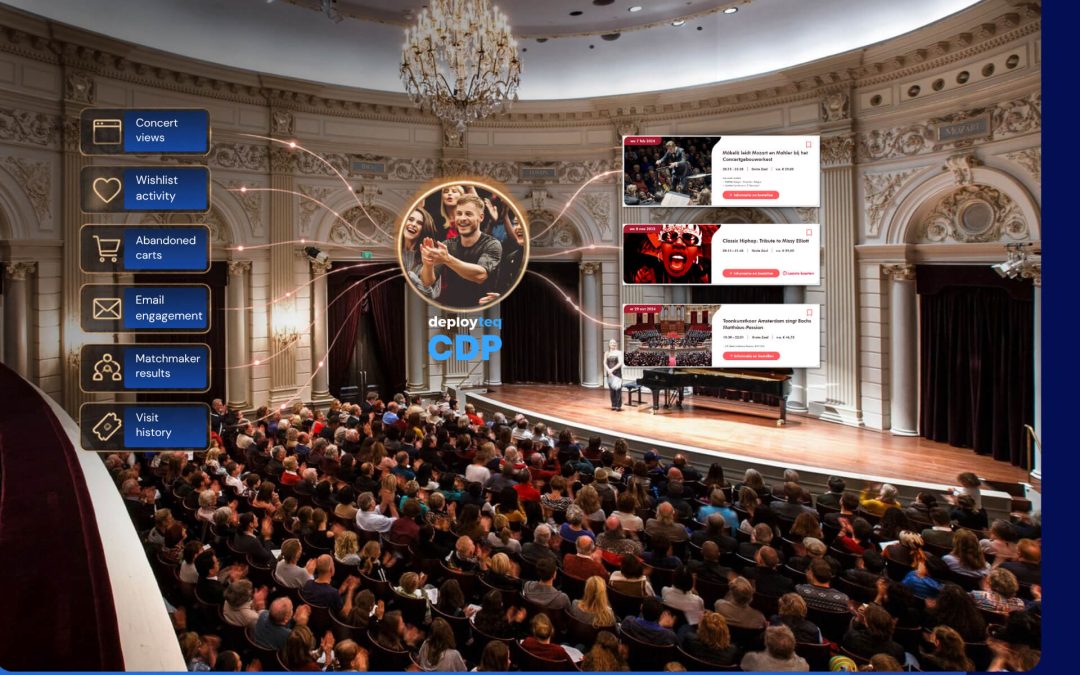
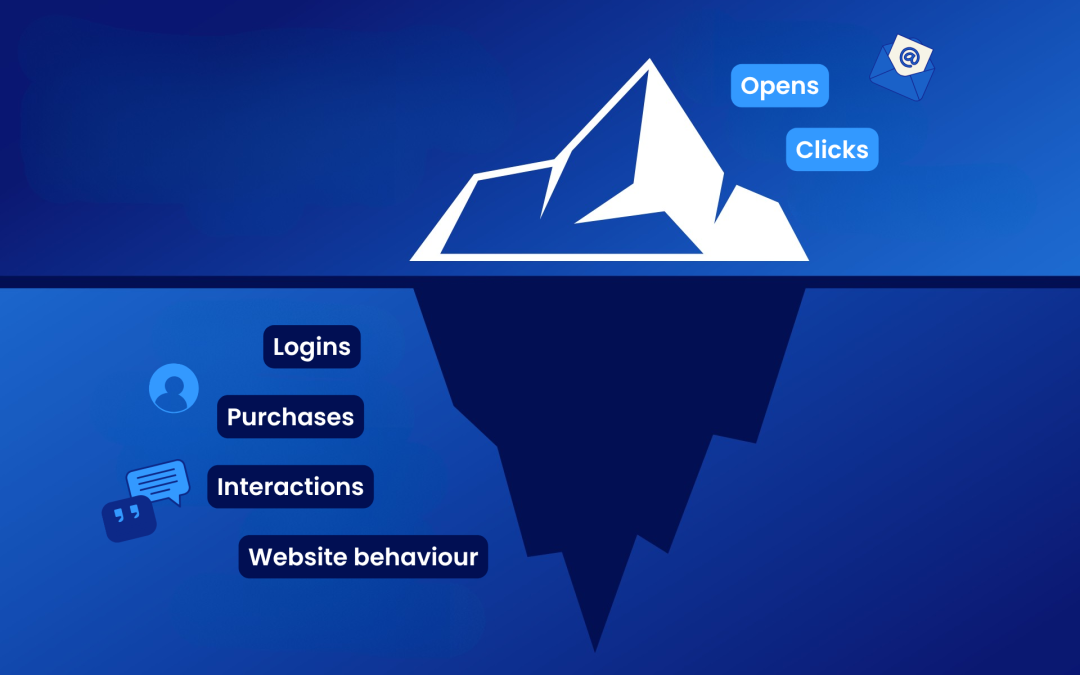
Raw data is only valuable when it moves. The gap between collecting customer data and actually using it to drive revenue is where most marketing programmes stall. A strong CDP implementation closes that gap by connecting your data sources, building unified profiles, and feeding those profiles directly into your campaign channels in real time.
The eight activation methods below cover the full stack, from data unification and segmentation through to predictive modelling. Each one builds on the last, so by the time you reach step eight, you have a complete cross-channel activation strategy rather than a collection of isolated tactics.
1: Unify data from every source into one profile
Every activation strategy starts here. Before you can personalise anything, you need a single, accurate view of each customer built from every touchpoint they have with your brand.
That means pulling together transactional data, browsing behaviour, email engagement, app activity, loyalty programme data, and offline interactions into one resolved profile. Without this foundation, your segments are incomplete and your triggers fire on partial information.
A customer data platform handles identity resolution automatically, matching records across sources using deterministic and probabilistic methods. The result is a 360-degree profile that updates continuously as new data arrives, giving every downstream channel something accurate to work with.
2: Segment smarter with real-time behavioural signals
Static segments built on demographic data alone miss the moment. Behavioural signals, what a customer browsed, clicked, purchased, or abandoned in the last hour, are far stronger predictors of intent than age or location.
Real-time segmentation means your audiences update as behaviour changes. A travel customer who just searched for city breaks in Barcelona should enter a relevant segment immediately, not at the next scheduled data sync. That immediacy is what makes personalisation feel relevant rather than coincidental.
Build segments that combine historical profile data with live behavioural triggers. Layer in attributes like purchase frequency, product category affinity, and recency to create audiences that are both precise and actionable across every channel you run.
3: Trigger personalised emails from live customer actions
Email remains the highest-ROI channel for most B2C brands, and behavioural triggers are what separate a good email programme from a great one. Instead of batch-and-blast campaigns, trigger-based emails fire at the exact moment a customer takes a meaningful action.
Cart abandonment, browse abandonment, post-purchase follow-ups, price drop alerts, and back-in-stock notifications all perform significantly better when they are personalised to the specific products and behaviour that prompted them. The closer the email is to the triggering action in time, the higher the conversion rate.
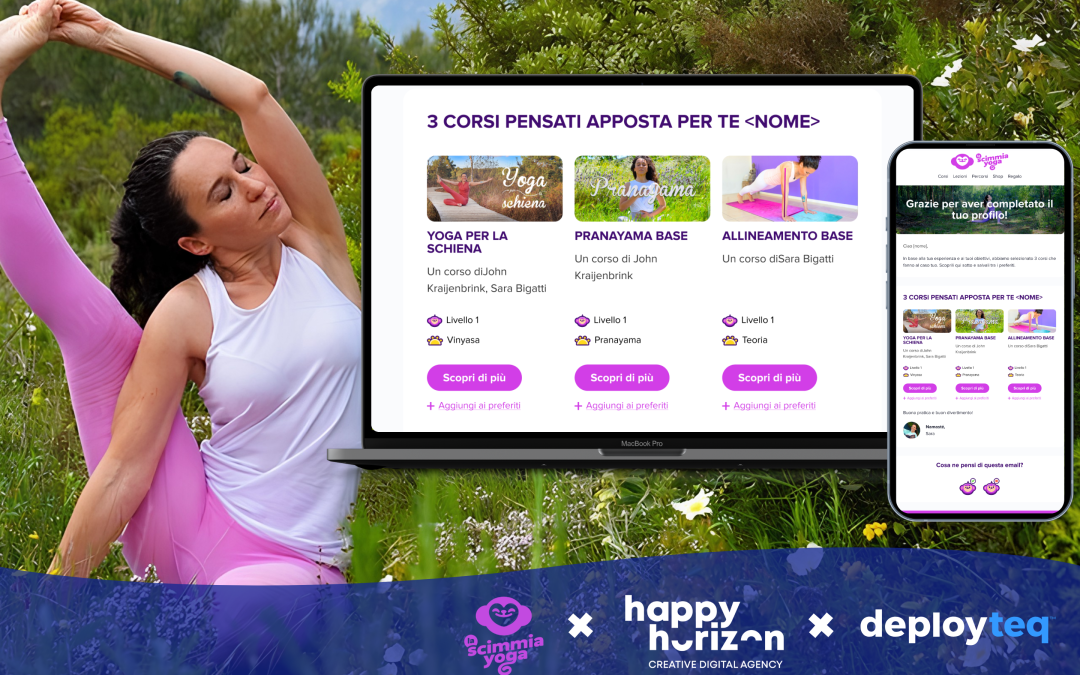
Connect your email marketing platform directly to your unified customer profiles so that every trigger email pulls in real-time product data, personalised recommendations, and the correct customer context. Generic trigger templates underperform because they lack that specificity.
4: Reach customers on SMS and WhatsApp at the right moment
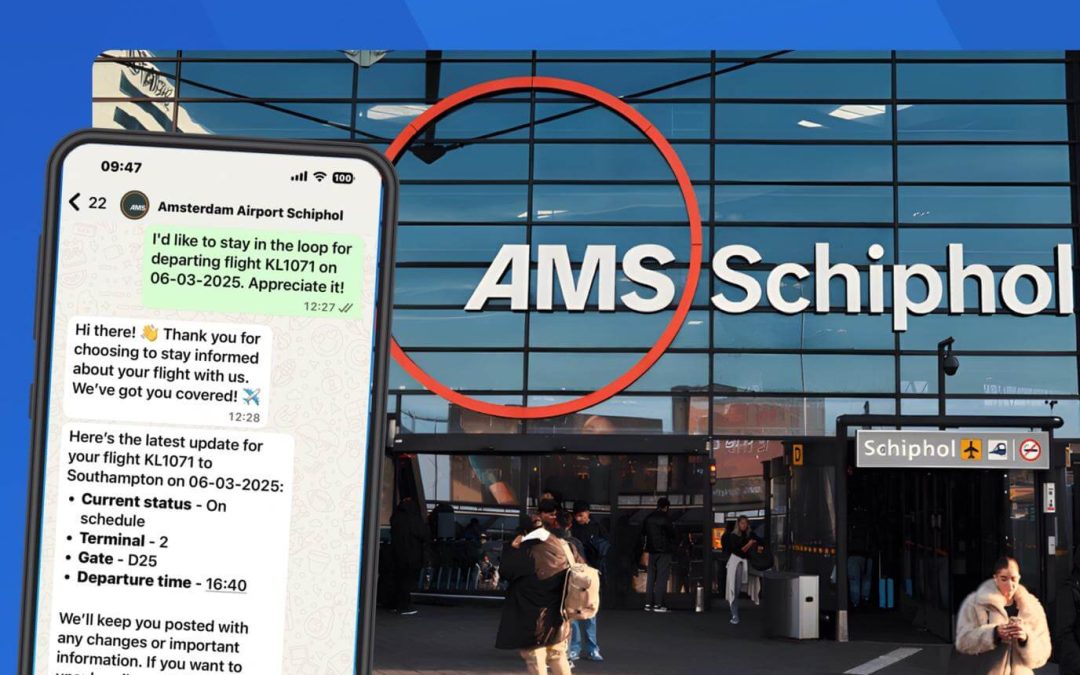
SMS and WhatsApp are high-attention channels. Open rates are significantly higher than email, which makes them powerful for time-sensitive communications, but it also means poor timing or irrelevant content damages trust quickly.
Use these channels for genuinely urgent or high-value messages: booking confirmations, flash sale alerts for loyalty customers, appointment reminders, or order dispatch notifications. A retail brand, for example, can trigger a WhatsApp message the moment a high-LTV customer’s wishlist item drops in price, creating a direct path to purchase.
Frequency and relevance are everything here. Customers who opt into SMS and WhatsApp communications expect precision. Feed these channels from the same unified profile data you use for email so the messaging is consistent and contextually aware across every touchpoint.
5: Use push notifications to re-engage at peak intent
Push notifications give you a direct line to customers when they are actively using their devices, which makes them effective for re-engagement at moments of high intent. The key is using behavioural data to identify when that intent exists rather than sending on a fixed schedule.
For entertainment and media brands, push notifications triggered by content consumption patterns, such as a new episode of a series a customer has been watching, drive immediate re-engagement. For e-commerce, a push notification tied to a customer returning to a product page for the third time can be the nudge that converts.
Keep push notification copy short and action-oriented. Personalise the message using profile data, and always link to a specific destination rather than a generic homepage. Unresolved push notifications that feel random are one of the fastest routes to an app uninstall.
6: Personalise web experiences with known customer data
Web personalisation turns your site from a static brochure into a dynamic experience that responds to who is visiting. When you know a customer’s purchase history, browsing preferences, loyalty tier, and lifecycle stage, you can surface the content, offers, and products most likely to be relevant to them.
For a returning finance customer who has viewed mortgage content three times, the homepage should lead with relevant resources rather than a generic hero banner. For a travel customer mid-booking cycle, the site should prioritise the destination category they have been researching.
Web personalisation works best when it is connected to the same CDP that powers your other channels. That way, a customer who received an email promotion yesterday does not see the same offer again on the website today. The experience feels coherent rather than repetitive.
7: Apply RFM modelling to prioritise high-value audiences
RFM modelling (Recency, Frequency, Monetary value) is one of the most practical tools in a data-driven marketer’s arsenal. It ranks customers based on how recently they purchased, how often they buy, and how much they spend, giving you a clear framework for prioritising your highest-value audiences.
Apply RFM scores to your channel activation strategy to make smarter decisions about where to invest. High-RFM customers warrant premium treatment: early access, loyalty rewards, and personalised outreach. Mid-tier customers are your growth opportunity and respond well to targeted re-engagement campaigns. Low-RFM customers may need win-back sequences or suppression to protect deliverability.
RFM is also useful for identifying customers at risk of lapsing before they actually churn. A customer whose recency score is declining but whose frequency and monetary scores are still strong is a high-priority retention target. Activating that insight early, through email, SMS, or a personalised web experience, is far more cost-effective than reacquiring them later.
8: What does predictive data activation look like?
Predictive activation moves beyond describing what customers have done to anticipating what they are likely to do next. Models like next-best-offer, churn propensity, and lifetime value prediction allow you to act on signals before a customer reaches a decision point.
In practice, this looks like a hospitality brand identifying guests with a high probability of booking a return stay and triggering a personalised loyalty offer before they start browsing competitors. Or a retail brand predicting which customers are likely to respond to a new product launch based on their affinity data and activating a targeted pre-launch campaign for that specific segment.
Predictive models improve over time as they process more data. The more unified and complete your customer profiles are, the more accurate the predictions become. This is why steps one through seven are prerequisites for effective predictive activation rather than optional extras.
Build a cross-channel activation strategy that scales
The eight methods above work best as a connected system rather than standalone tactics. Unified profiles feed smarter segments. Smarter segments power more relevant triggers. Better triggers across email, SMS, WhatsApp, push, and web create the kind of consistent, personalised experience that builds long-term customer value.
Scaling this strategy requires infrastructure that keeps pace with your data volume and channel complexity. That means a CDP implementation that does not just store data but actively connects it to your campaign execution layer, so activation happens automatically rather than manually.
Start with the data foundation, build your segmentation logic, and then layer in channels progressively. A phased approach lets you prove value quickly while building toward a fully integrated cross-channel programme. Use your marketing automation infrastructure to connect the dots between each activation method so nothing operates in isolation.
How Deployteq helps you activate customer data across every channel
We built our Customer Data Platform specifically to close the gap between data and activation. Here is what that looks like in practice:
- Unified customer profiles: We consolidate data from every source into a single, continuously updated 360-degree profile for each customer.
- Intelligent modelling built in: RFM scoring, next-best-offer recommendations, and predictive insights are available directly within the platform, with no third-party data science tools required.
- Native cross-channel activation: Segments and triggers activate seamlessly across email, SMS, WhatsApp, push notifications, and web personalisation from one place.
- Real-time segmentation: Audiences update as behaviour changes, so your campaigns always reflect the most current customer context.
- Easy-to-use journey builder: Design and deploy complex cross-channel journeys without needing a developer, giving your marketing team full control over the customer experience.
Trusted by brands like Wickes, Virgin Media, and Center Parcs, Deployteq gives marketing teams the tools to activate their data faster and smarter across every channel. Ready to see it in action? Book a personalised demo and we will show you exactly how it works for your sector.